
_11zon.webp)


_9_11zon.webp)



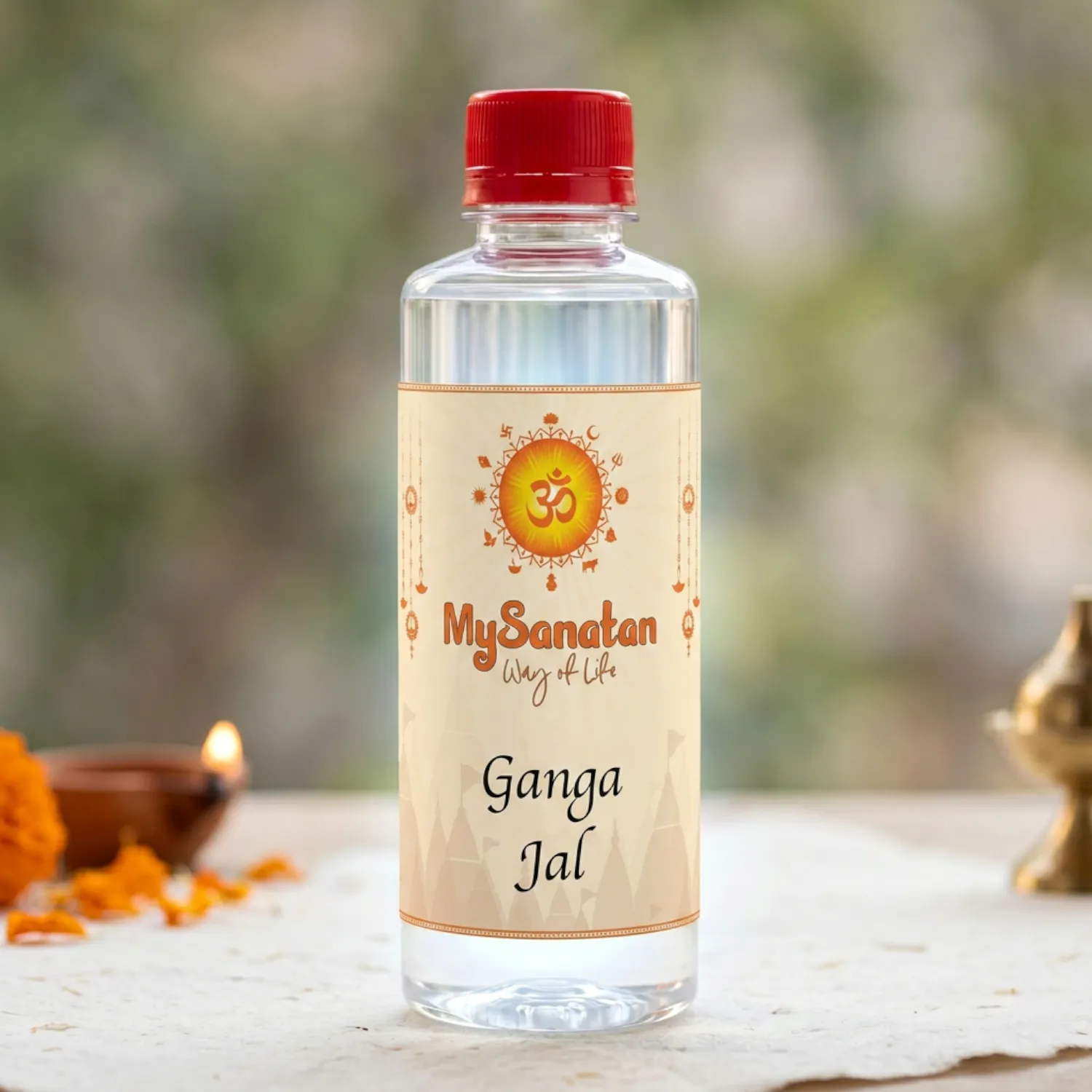
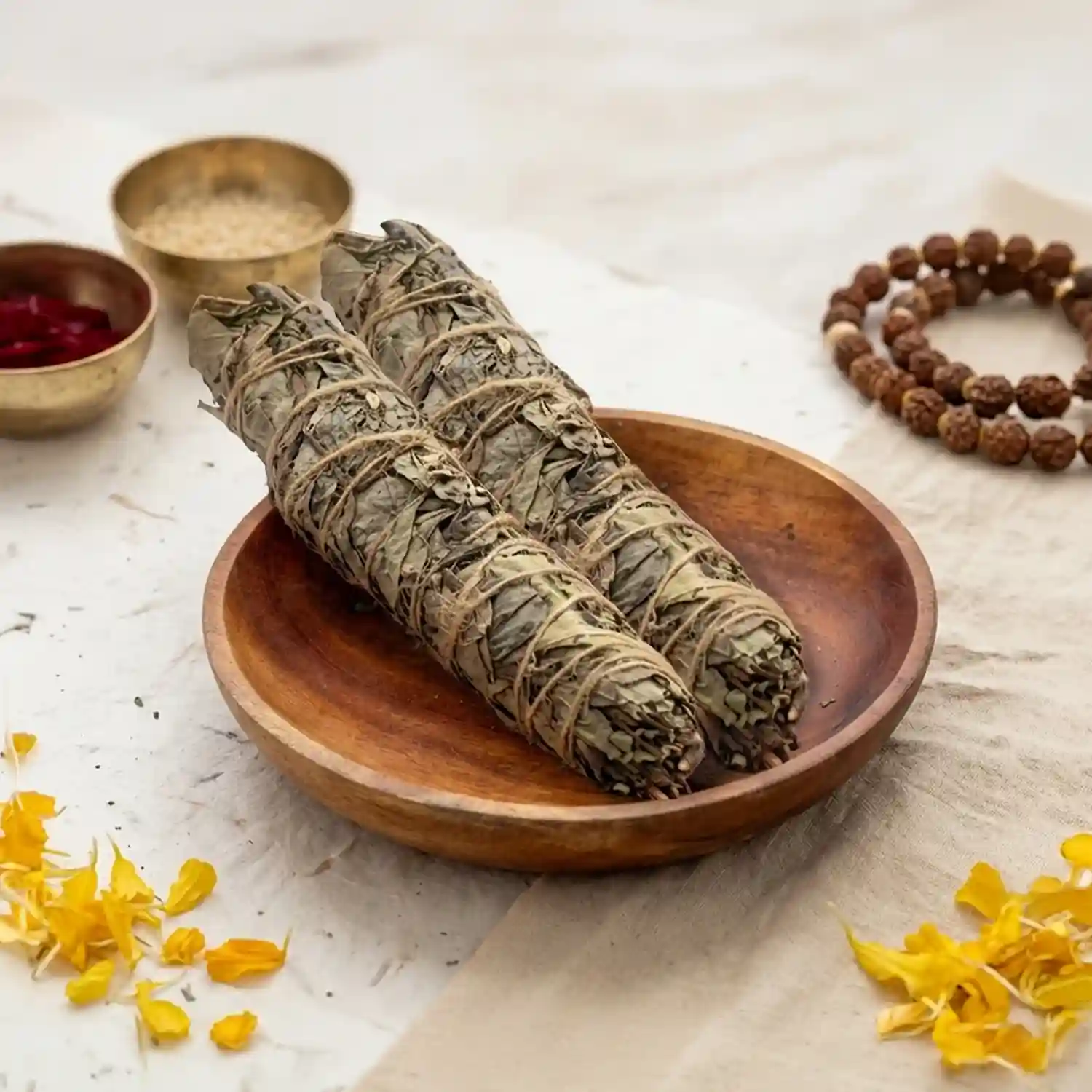
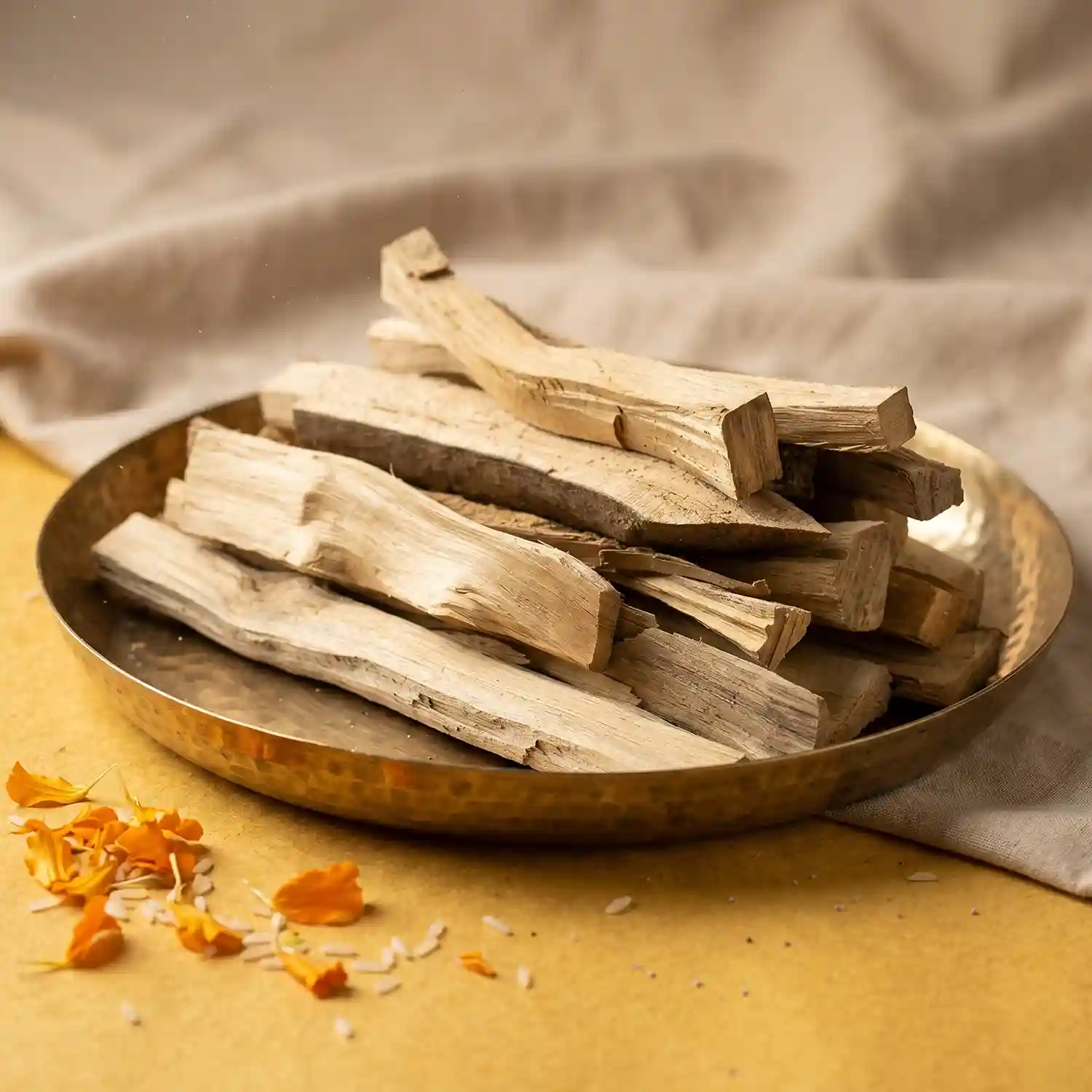
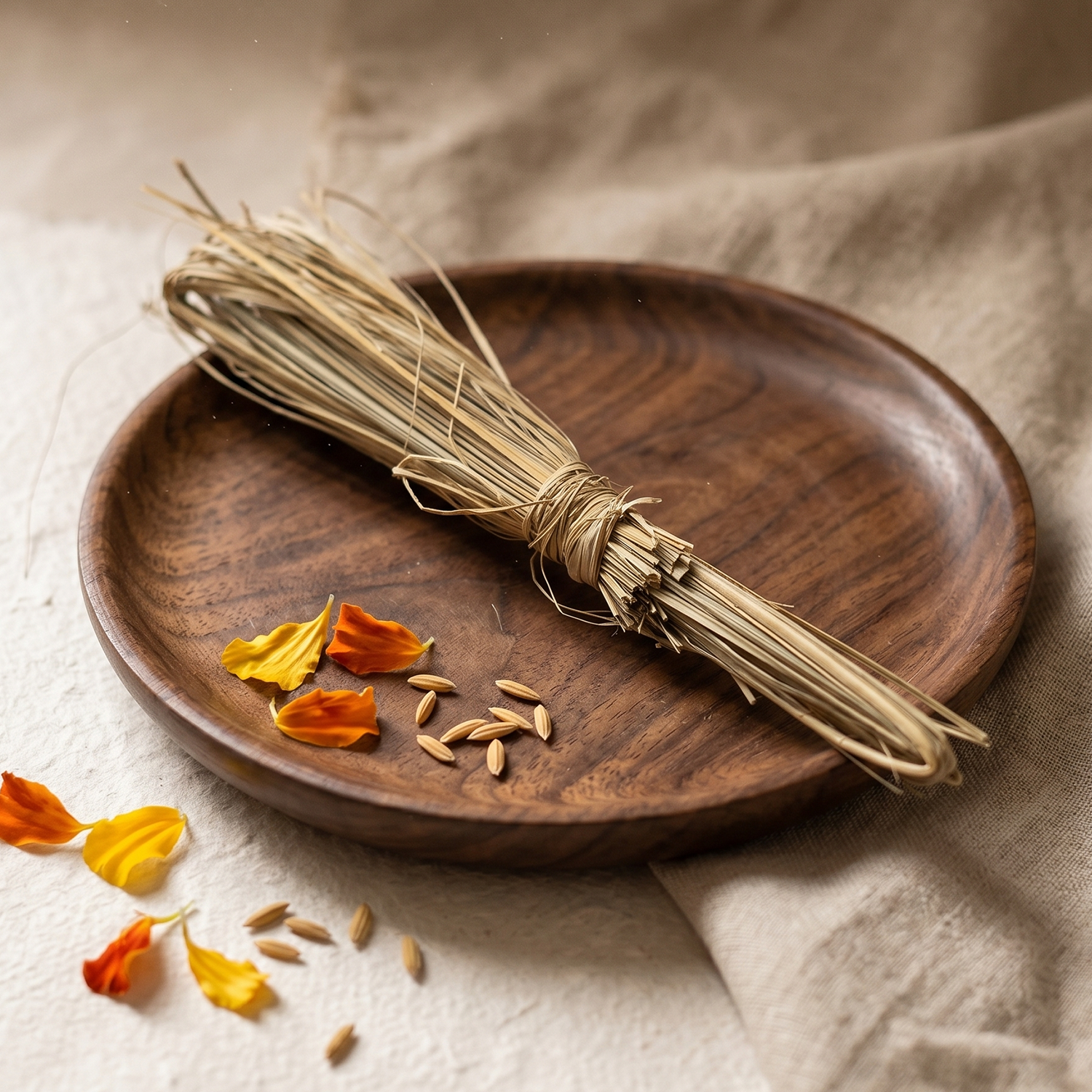
_11zon.webp)


Frequently Asked Questions
- Q1: What if our community volunteers or the guide accidentally make a mistake during the complex fire rituals?
- For Beginners & Pandal Organizers: Do not worry; the classical texts account for human error! According to the Apastamba Sutra, the guide will perform a specific offering called the Sviṣṭakṛt near the end of the ceremony. This powerful mantra specifically asks the fire deity to make "well sacrificed" anything that was done "too much" or "too little" during the rites, perfectly balancing any accidental mistakes or omissions made by the community.
- Q2: Why is Ugadi specifically celebrated during the first fortnight of the new moon? For Experienced Devotees & Scholars: The timing of Ugadi aligns perfectly with the strict astrological rules of classical Deccani traditions. The Apastamba Sutra explicitly dictates that ceremonies relating to the gods and highly auspicious performances must be conducted during the sun's northern course (Uttarayana) and specifically on the days of the first fortnight, or the waxing moon (śukla-pakṣa). Because Ugadi falls on the first day of the Chaitra month, it perfectly captures this exact, highly auspicious cosmic window for new beginnings!
- Q3: Who is allowed to receive the blessed food (Prasad) after the New Year Havan is complete?
- For Everyone: Absolutely everyone and every living being! The Apastamba Sutra explicitly mandates radical inclusivity when it comes to sharing sacred food offerings. It declares that portions of the offerings must be given to all who come seeking food, extending charity without discrimination to the most marginalized members of society, and even to animals like dogs. This reinforces the festival's deep commitment to universal equality, compassion, and community nourishment.
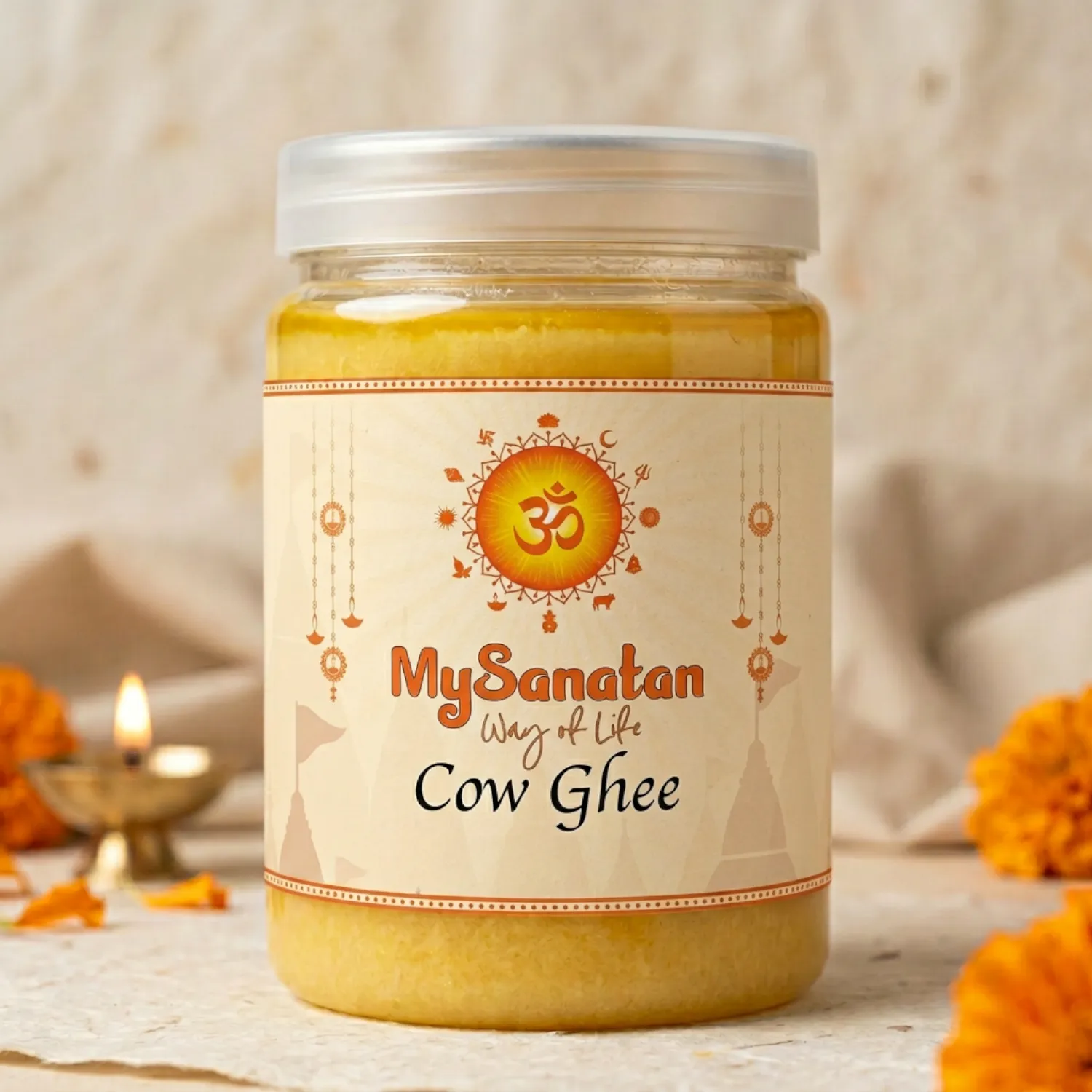
- Q4: The kit includes Cow Ghee and Havan Samagri. What is the authentic Deccani sequence for offering these into the fire?
- For Experienced Guides: Following the Apastamba Grihya Sutra, the fire is first kindled and the space is purified with water. The guide then offers the foundational Āghāra and Ājya-bhāga oblations using the Cow Ghee. After the chief oblations for Lord Brahma and Lord Vishnu are made, the sequence concludes with the highly specific Jaya, Abhyātana, and Rāṣṭrabhṛt formulas before the final Sviṣṭakṛt offering. This precise, ancient sequence transforms your Pandal's fire into a spiritually vibrant Vedic Havan.
- Q5: Are there any traditional rules for how we should prepare the Bel Kath (wood) for the Pandal's sacred fire?
- For Beginners (Preparation Teams): Yes! According to classical guidelines, the sacred wood must be handled and gathered respectfully. The Apastamba Sutra specifically advises that one should not go out to fetch firewood after sunset. Pandal organizers should ensure the Bel Kath is brought to the site and arranged during the daytime to maintain the highest level of ritual purity for the New Year's evening or morning Havan.