
_9_11zon.webp)


_11zon.webp)
.webp)

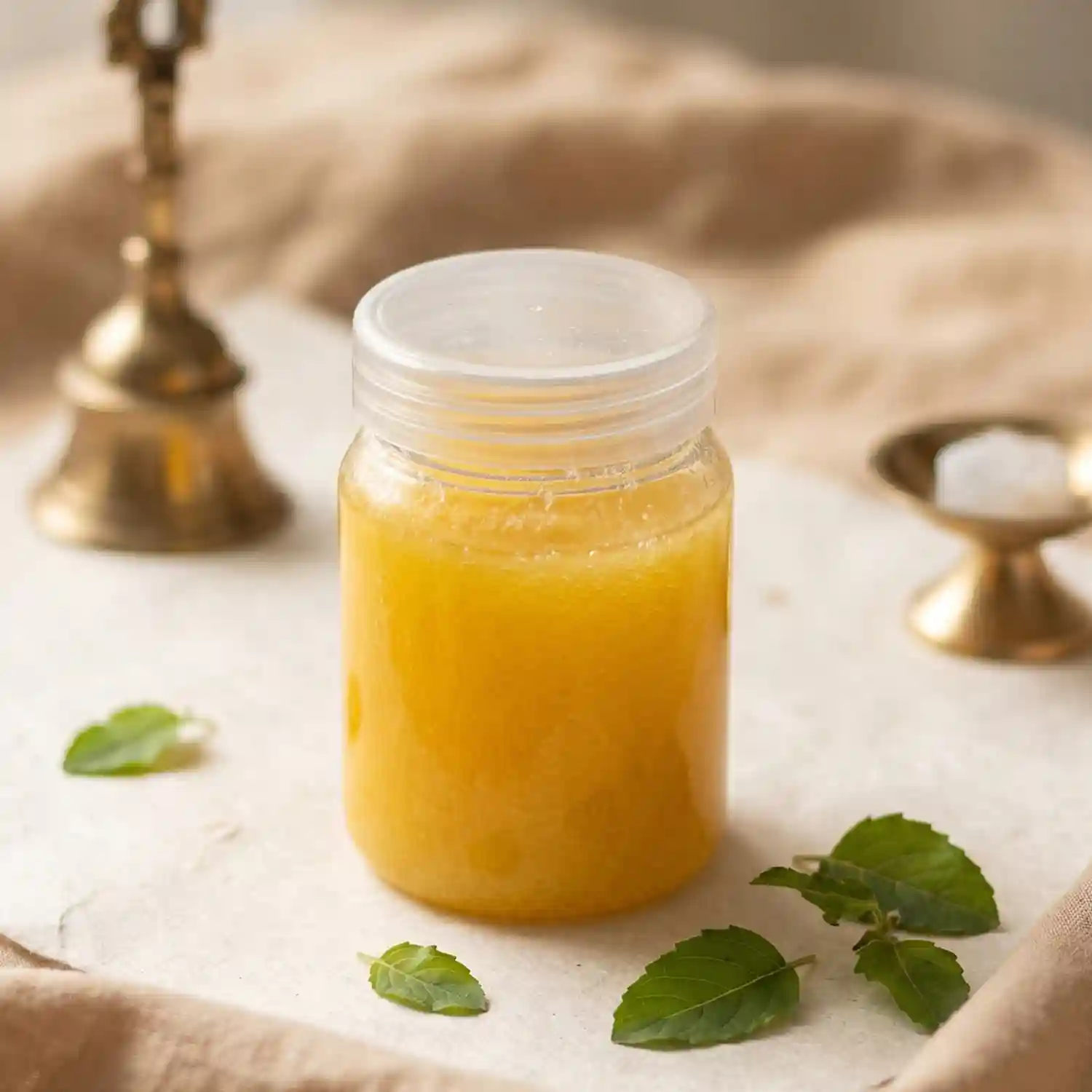
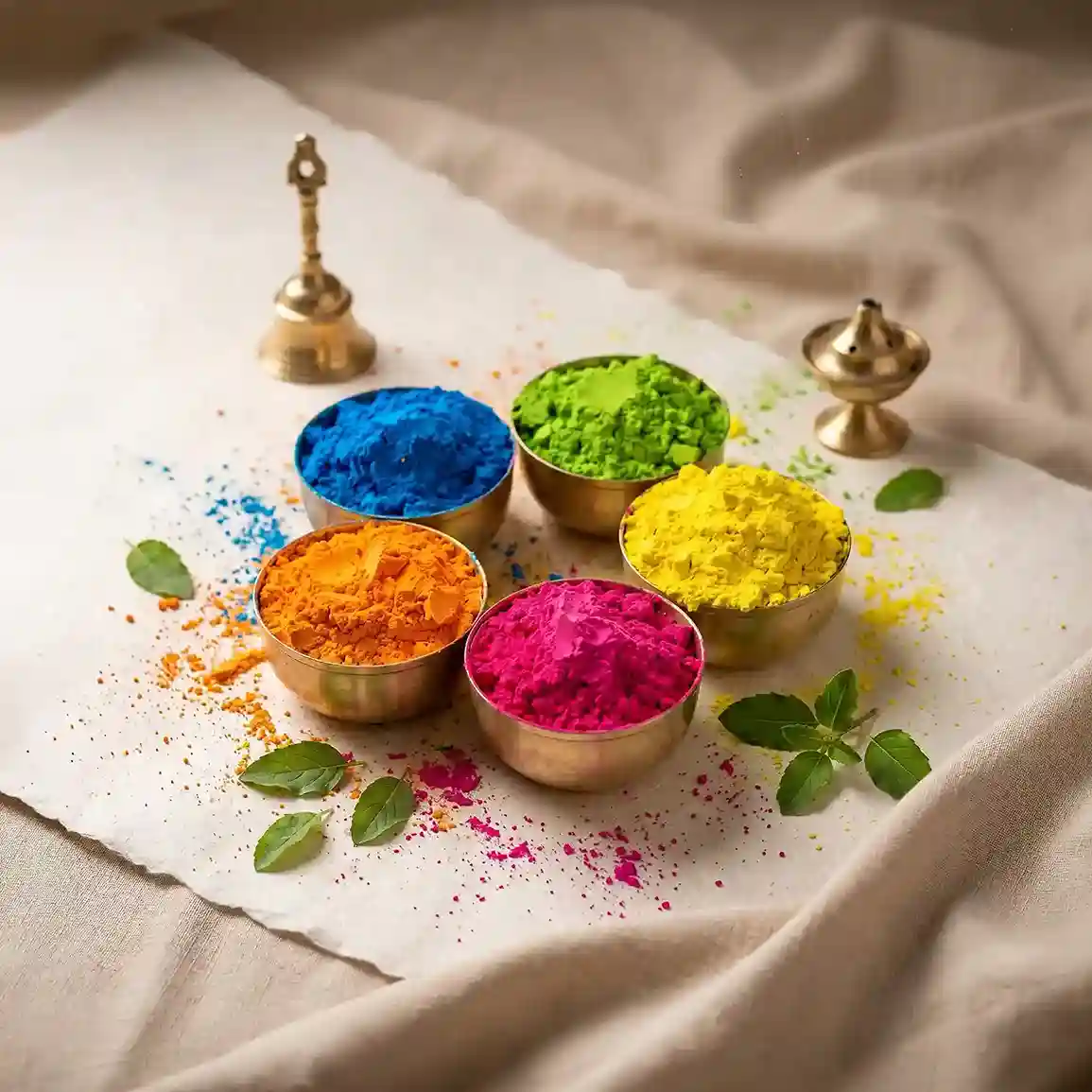


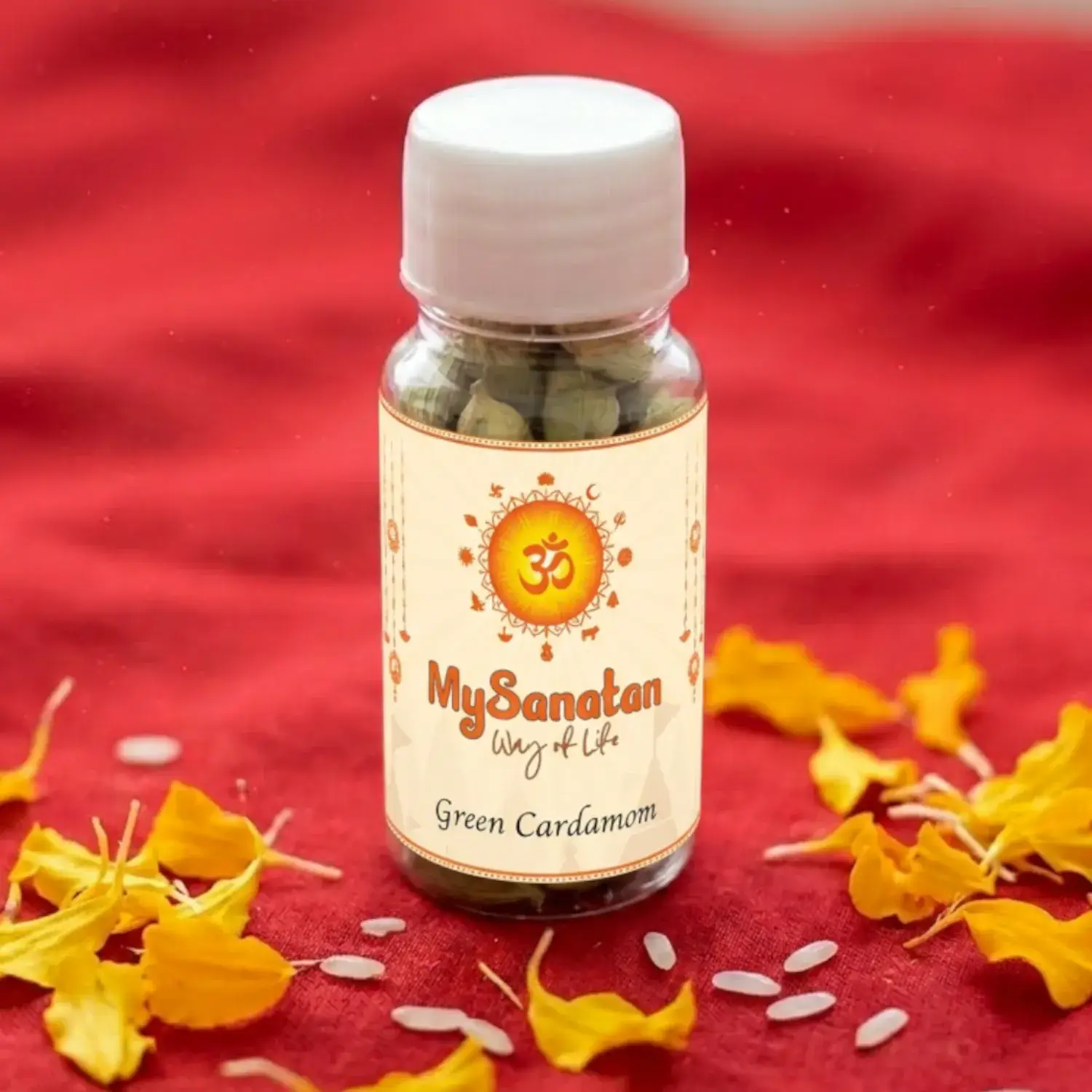
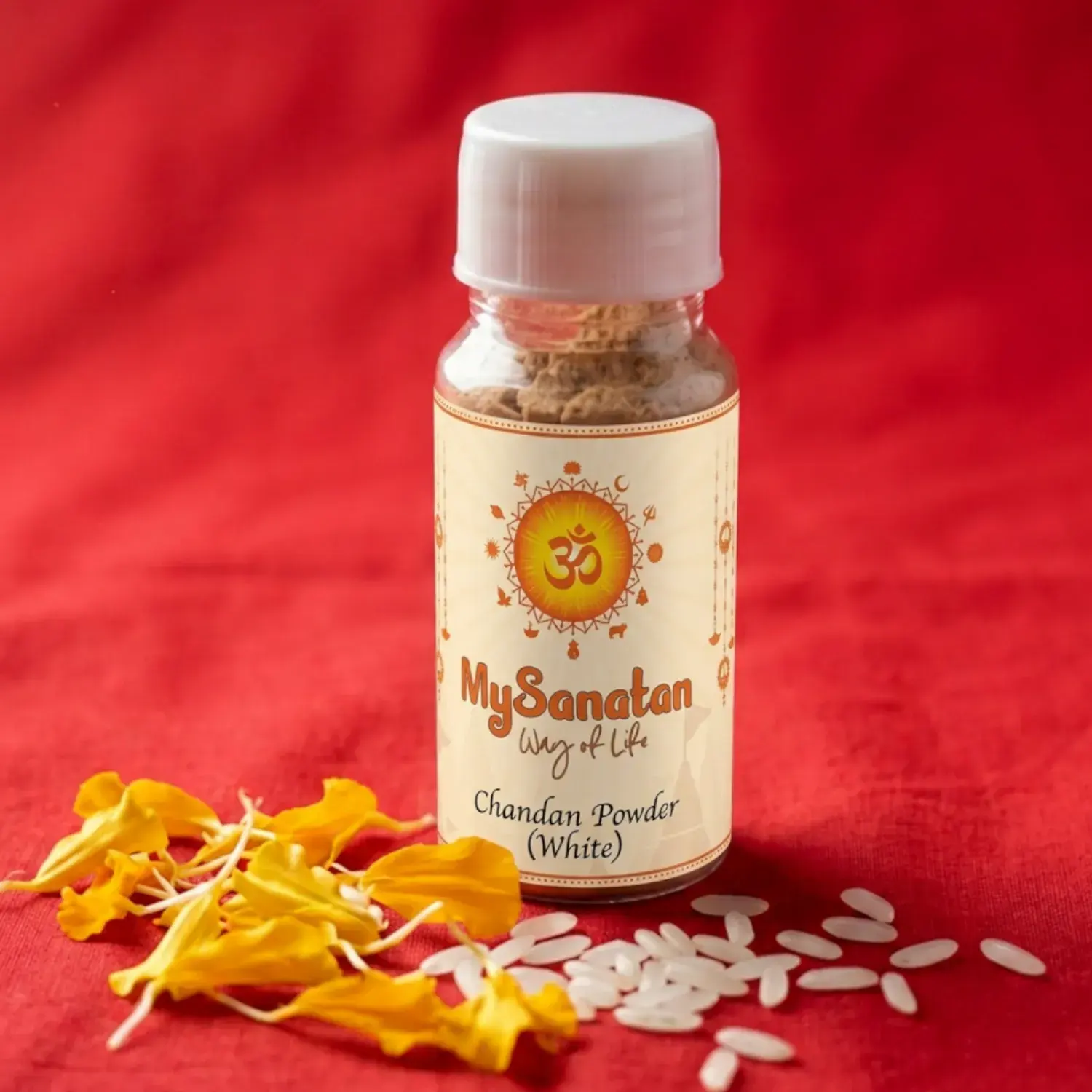
_11zon.webp)
_11zon.webp)
_11zon (1).webp)
_11zon.webp)



_11zon.webp)
Frequently Asked Questions
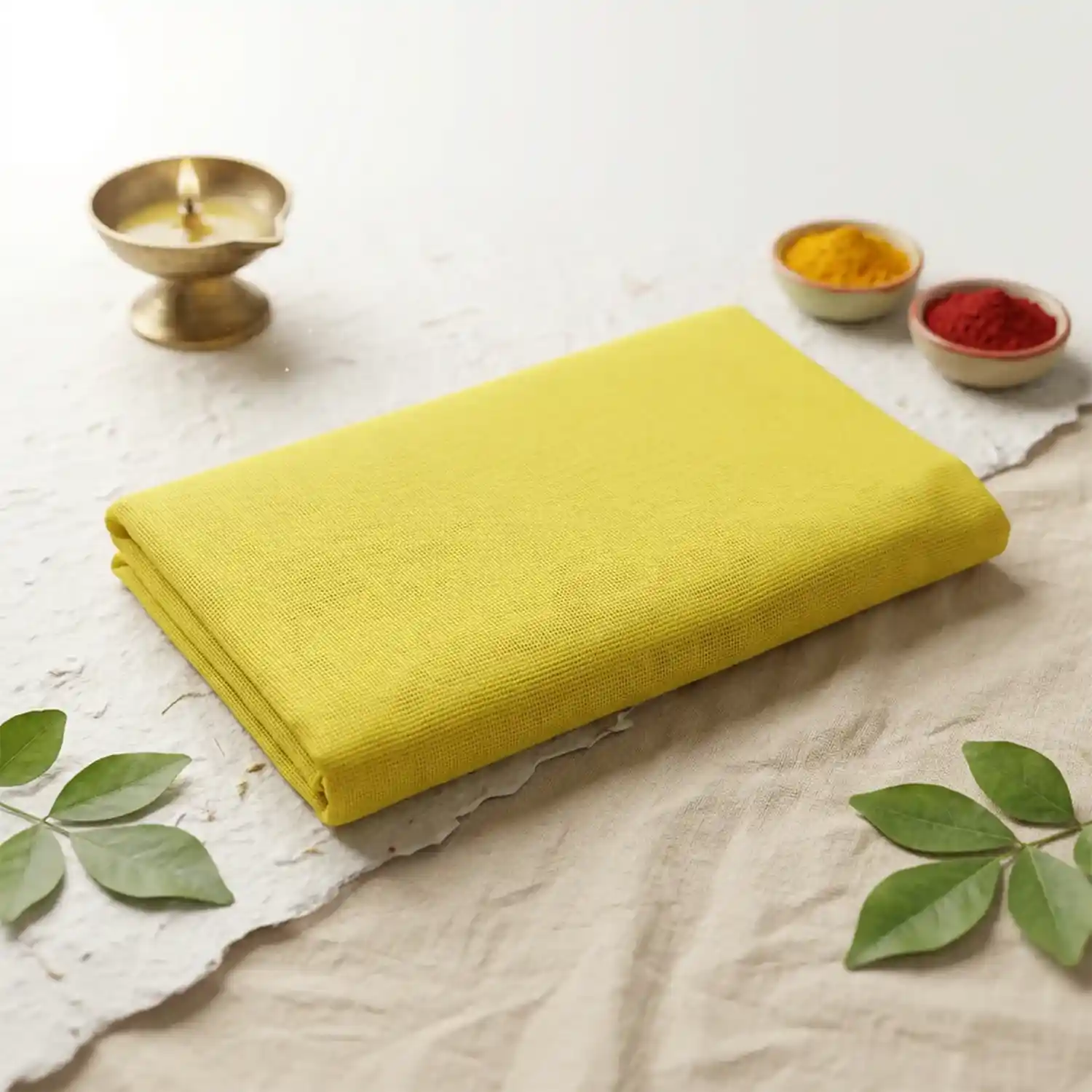
- Q1: Why does this kit include a "Yellow Puja Cloth" instead of the red cloths found in other puja kits?
- Yellow is the signature color of Lord Krishna. Scripturally, He is referred to as Pitambara (He who wears yellow garments). The Yellow Puja Cloth in this kit is specifically provided to drape the Puja Place or wrap the deity's idol, directly honoring His traditional divine attire for His birthday.
- Q2: What is the purpose of having both "Abir" and "Gulal" in multiple colors for a midnight puja?
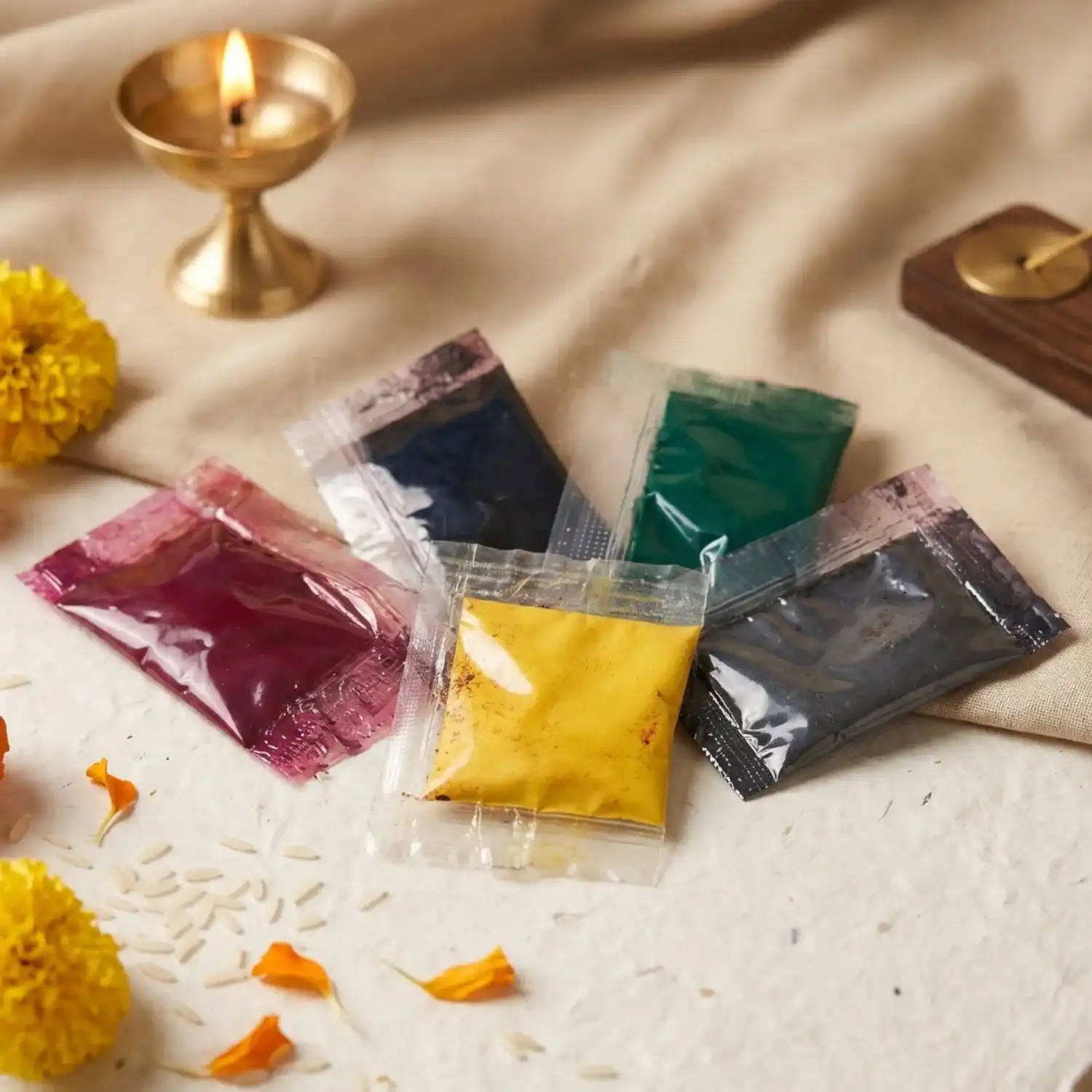
- Unlike more solemn rituals, Janmashtami is a celebration of a divine birth. The multi-colored Abir and Gulal (Red, Yellow, Pink, Blue, Orange) are used in Step 5 during the final Aarti. They are joyfully sprayed or applied by the community to simulate the euphoric, festive atmosphere of Braj (Krishna's childhood home) right inside your Pandal.
- Q3: How do I use the "Rose Water (Gulab Jal)" included in the kit?
- Rose Water is highly prized for its cooling and aromatic properties. It is primarily used during the preliminary stages of Step 3 (Shodashopachar) to mix with the White Chandan paste or added directly into the water used for washing the deity’s feet (Padya) and hands (Arghya).
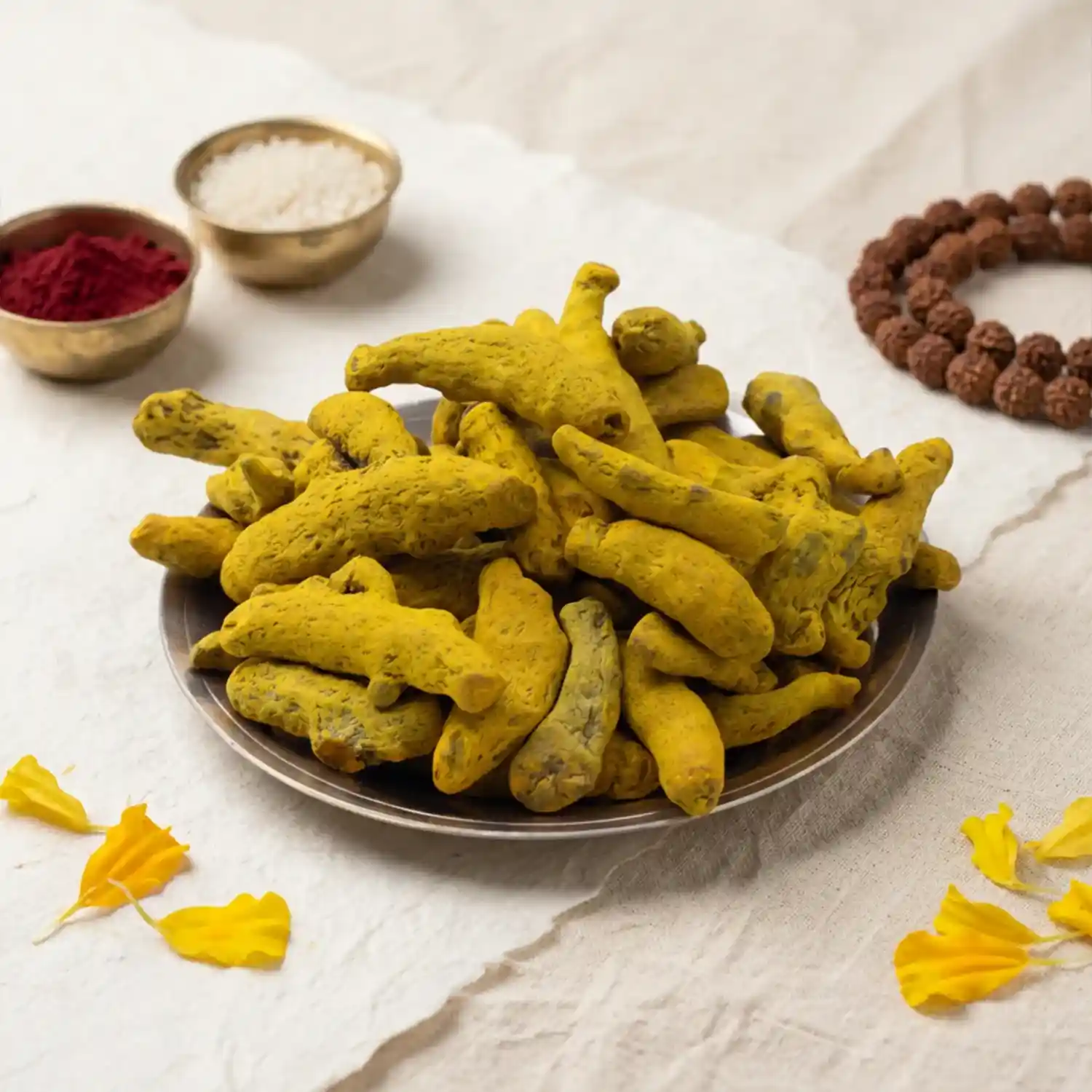
- Q4: I see "Turmeric Root (Gota Holud)" alongside Turmeric Powder. Where does the root get placed?
- While the powder is used for tilaks and mixing pastes, the whole Turmeric Root represents uncorrupted fertility and auspiciousness. It is placed inside or directly next to the Ghat (Sacred Vase) setup during Step 2 to anchor stable, positive energy for the neighborhood.
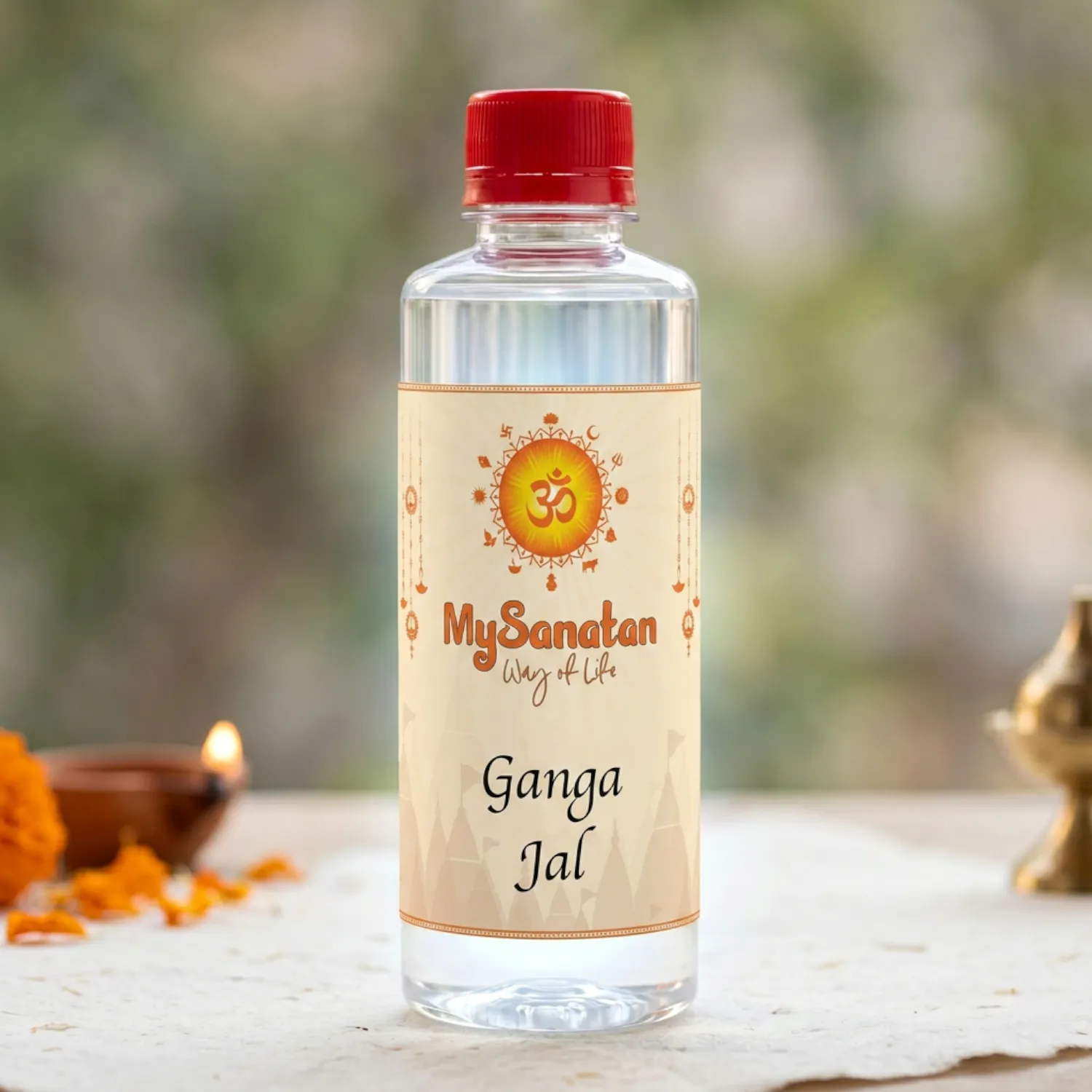
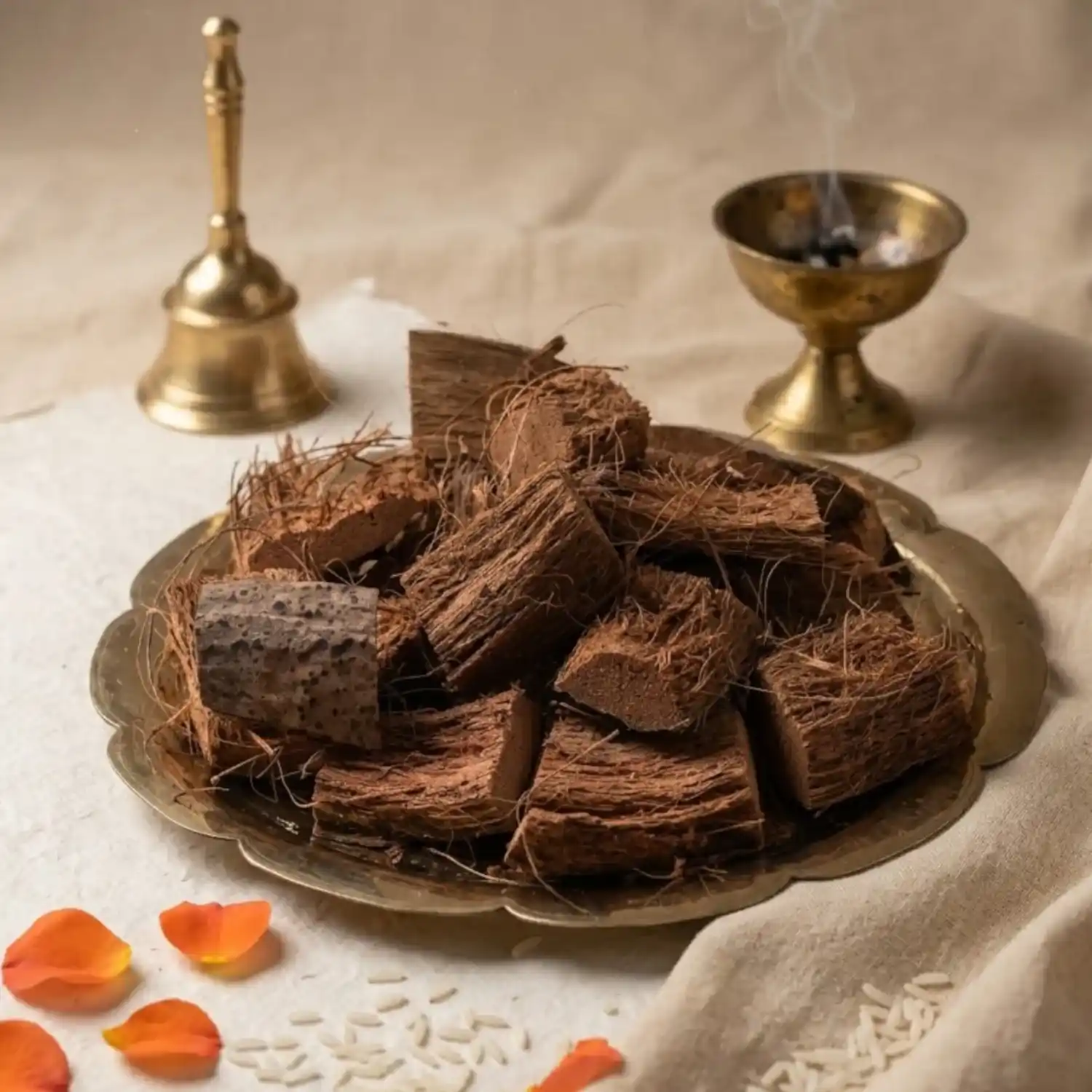
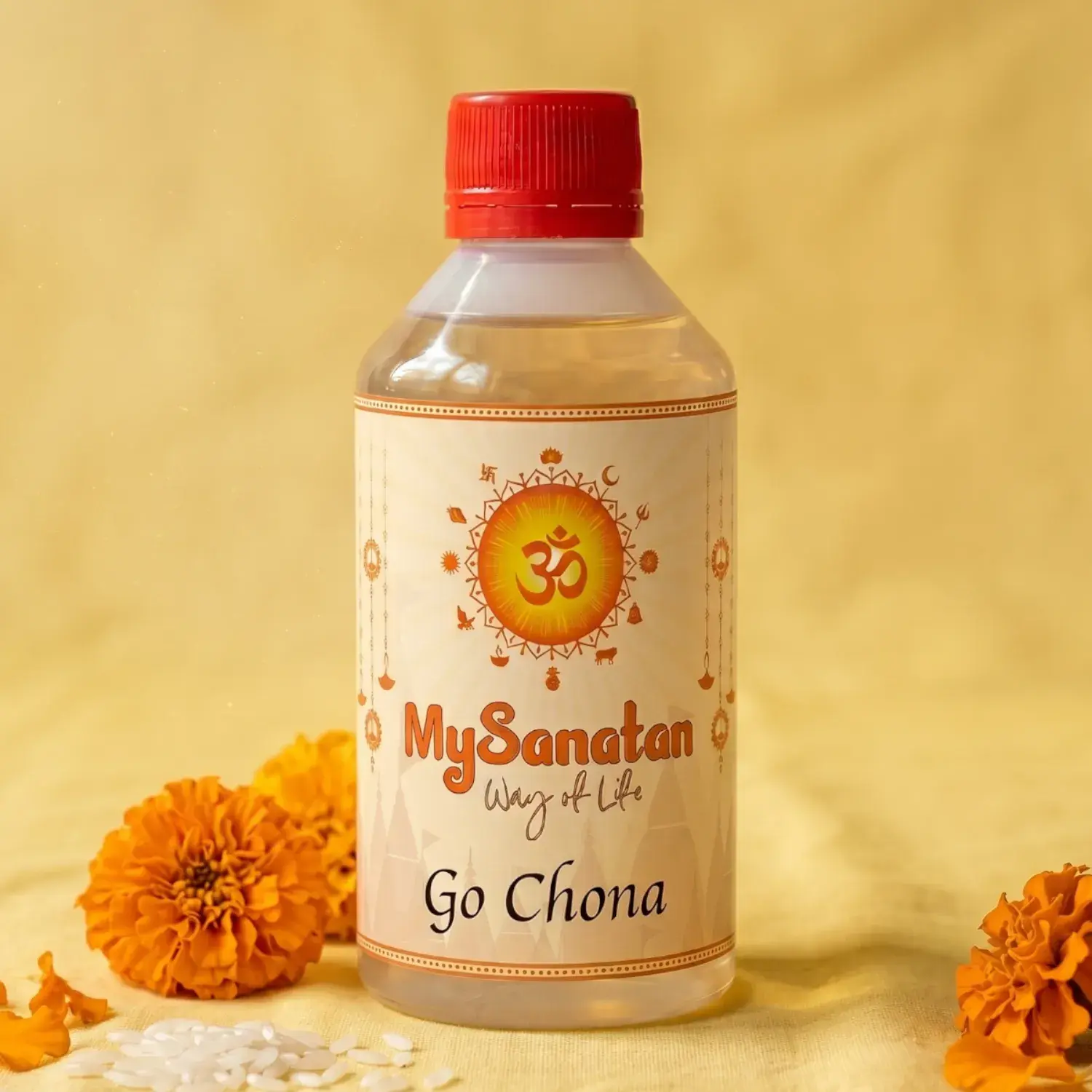
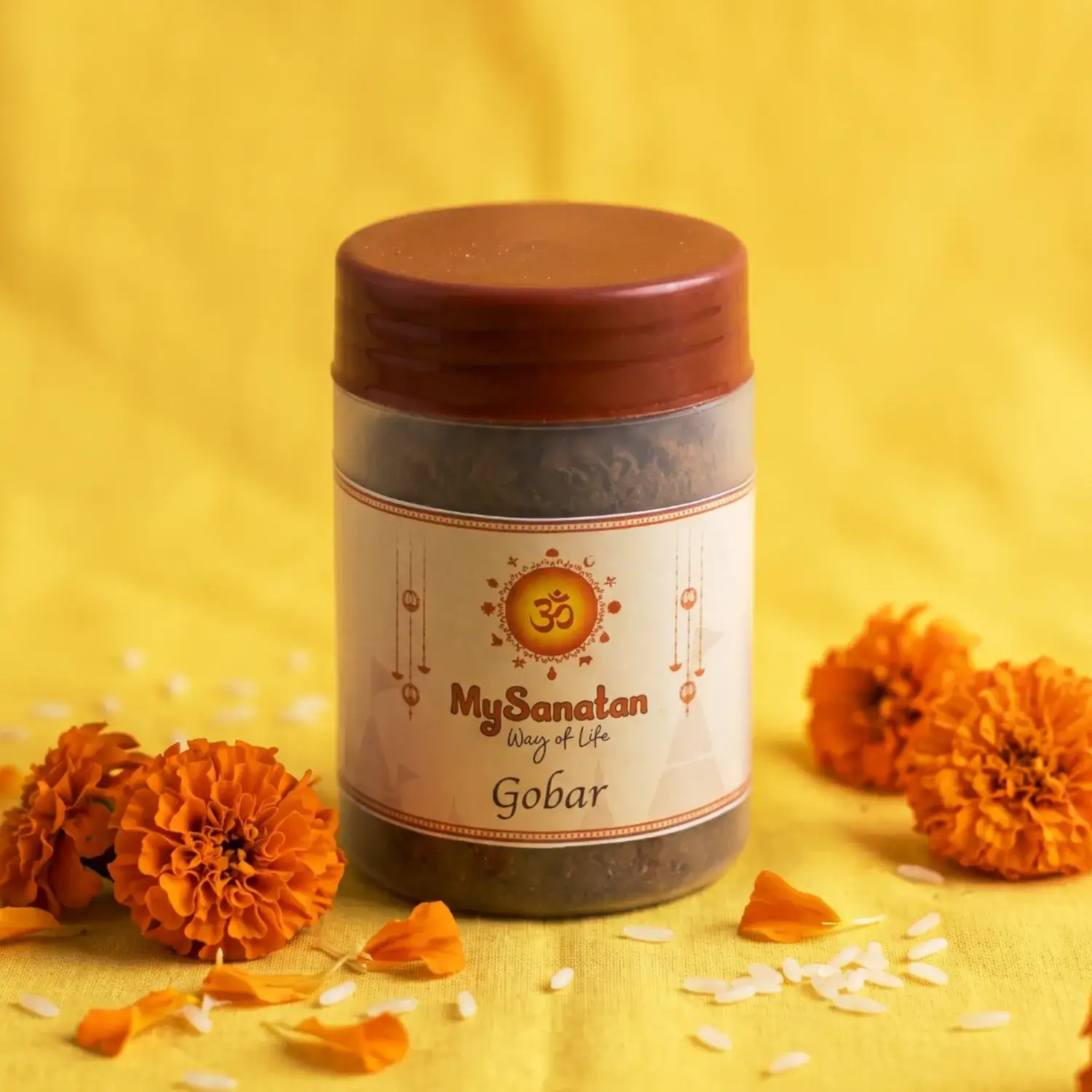
- Q5: Why is "Gochona (Gau Mutra)" and "Gobar (Cow Dung Cake)" critically scheduled for Step 1 of a midnight Janmashtami Puja?
- Because Lord Krishna’s descent occurs precisely at midnight (Nishita Kaal), the purification requirements are exceptionally strict. The priest must mix the Ganga Jal, Gau Mutra, and Gobar to scrub and sanctify the Pandal ground hours before. This creates an uncompromised, pure Goshala (cowshed-like) spiritual environment that mirrors the exact purity of the environment where Krishna made His earthly manifestation.
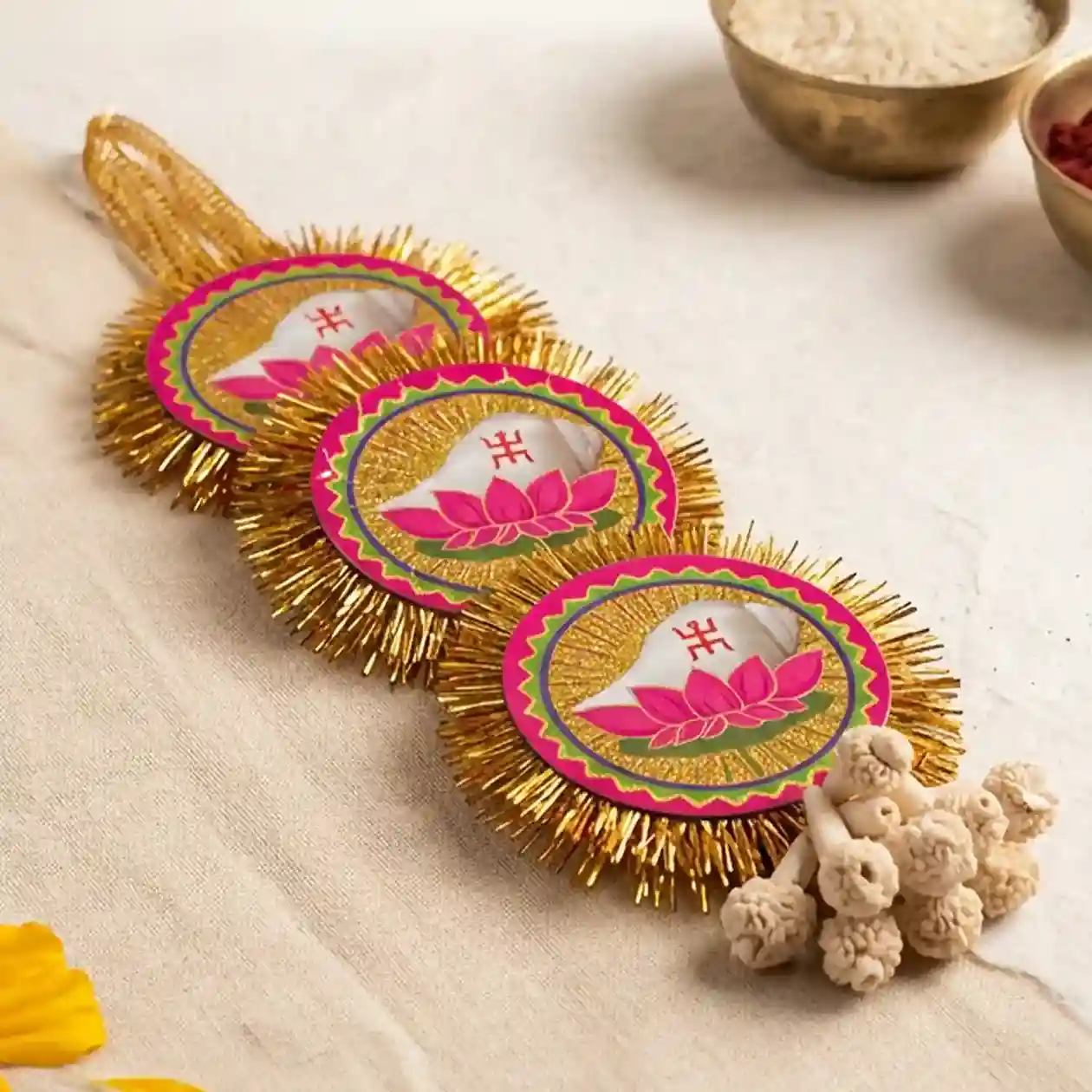
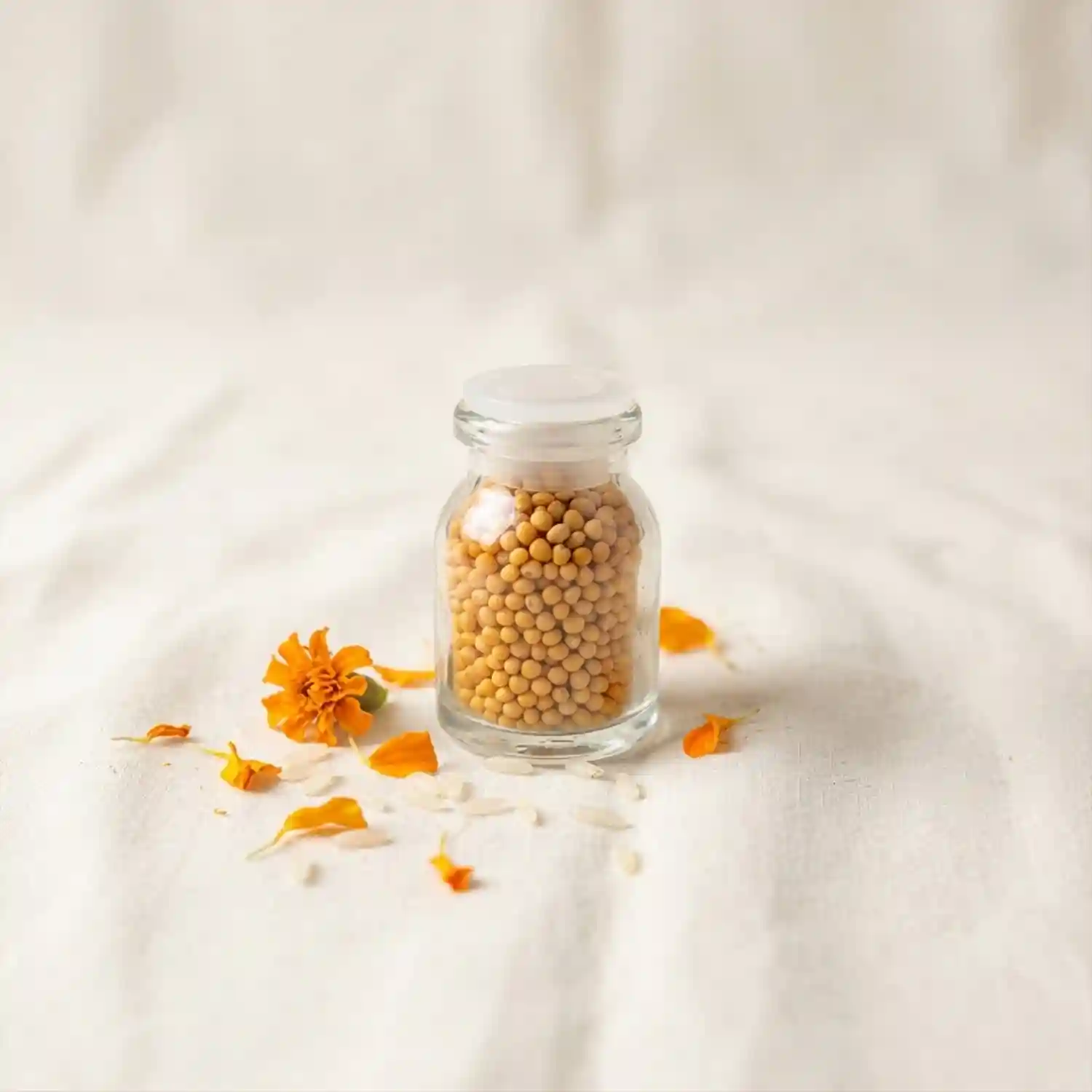
- Q6: How does the "Ghot Chandramala (Small)" differentiate from standard hanging decorations during installation?
- The Small Ghot Chandramala is structured specifically to wrap around or hang directly from the neck of the Ghat (sacred vase). Unlike large wall hangings, this specific sizing ensures it doesn't overwhelm the vase but correctly marks the water vessel as a localized center of divine energy while it is bounded by the Yellow Mustard Seeds.
- Q7: What is the specific ritual utility of "Asananguri" during the 16-Step Royal Worship?
- The Asananguri is a specialized ritual mat-ring or seating component. During Step 3, before the main Pitambari clothing is offered, the priest utilizes the Asananguri to symbolically offer a throne or stable seat (Asana) to the cosmic soul of Lord Krishna, ensuring the deity is comfortably received before the remaining steps of hospitality are executed.
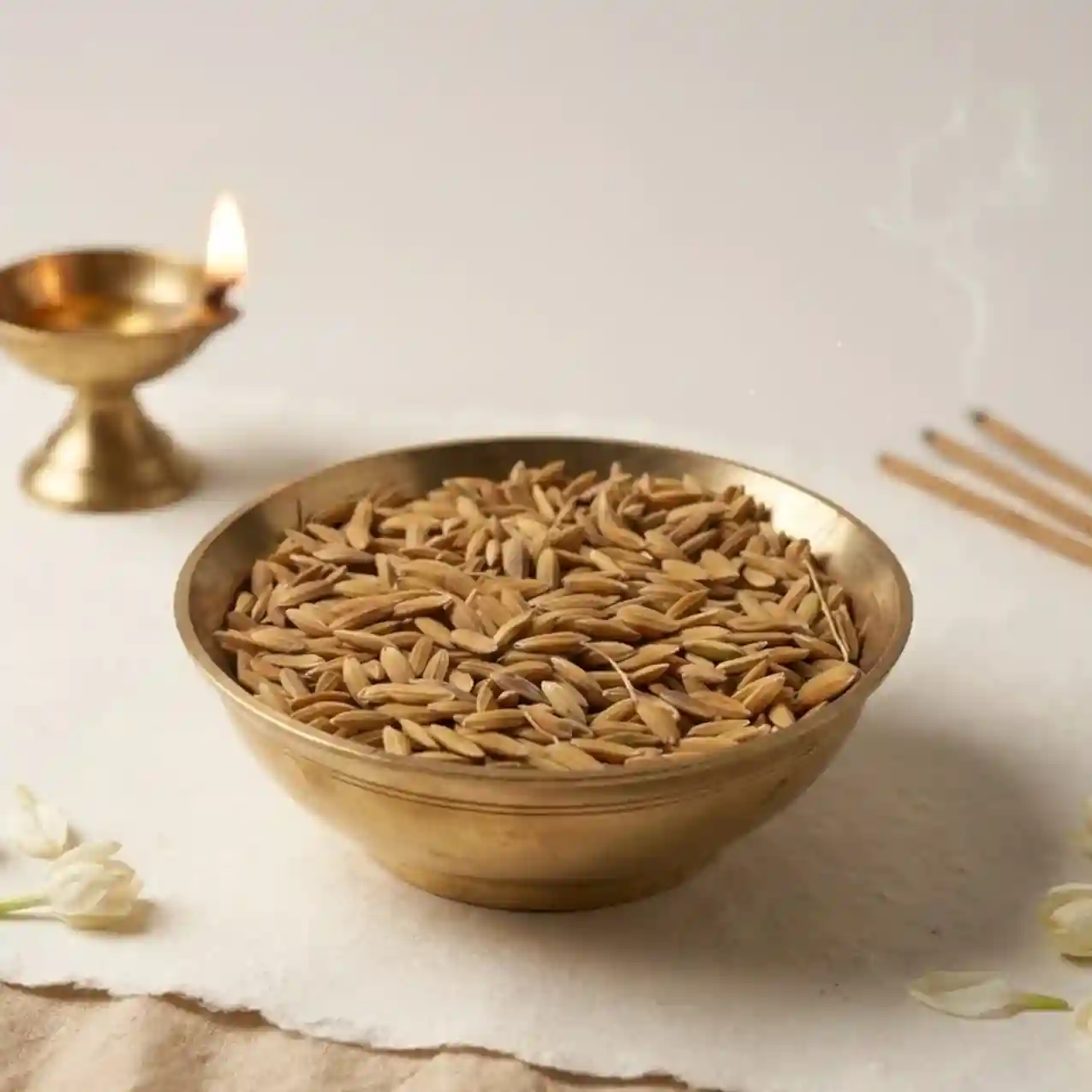
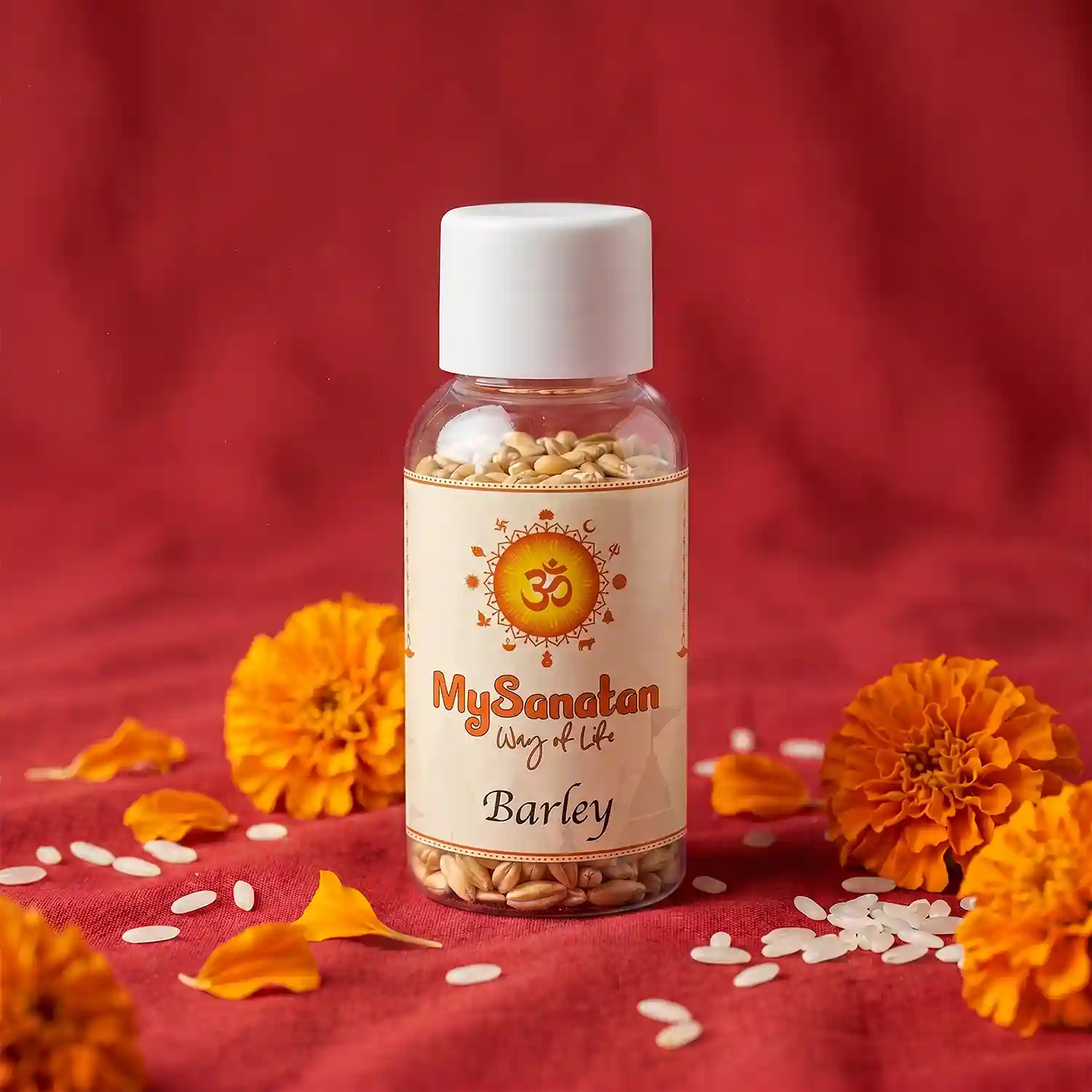
- Q8: Why are "Black Sesame Seeds (Kaale Til)", "Paddy", and "Barley" all bundled into this Havan inventory?
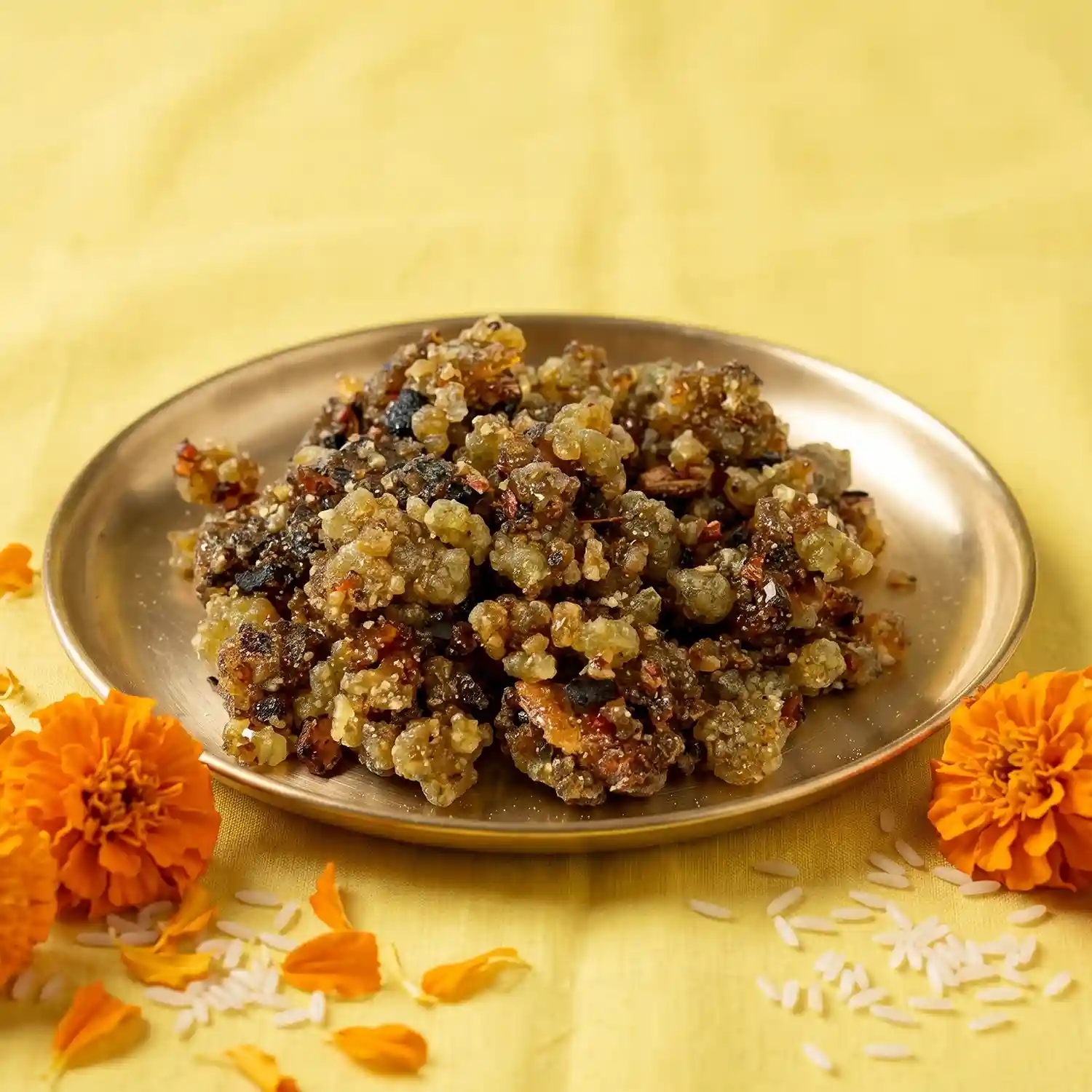
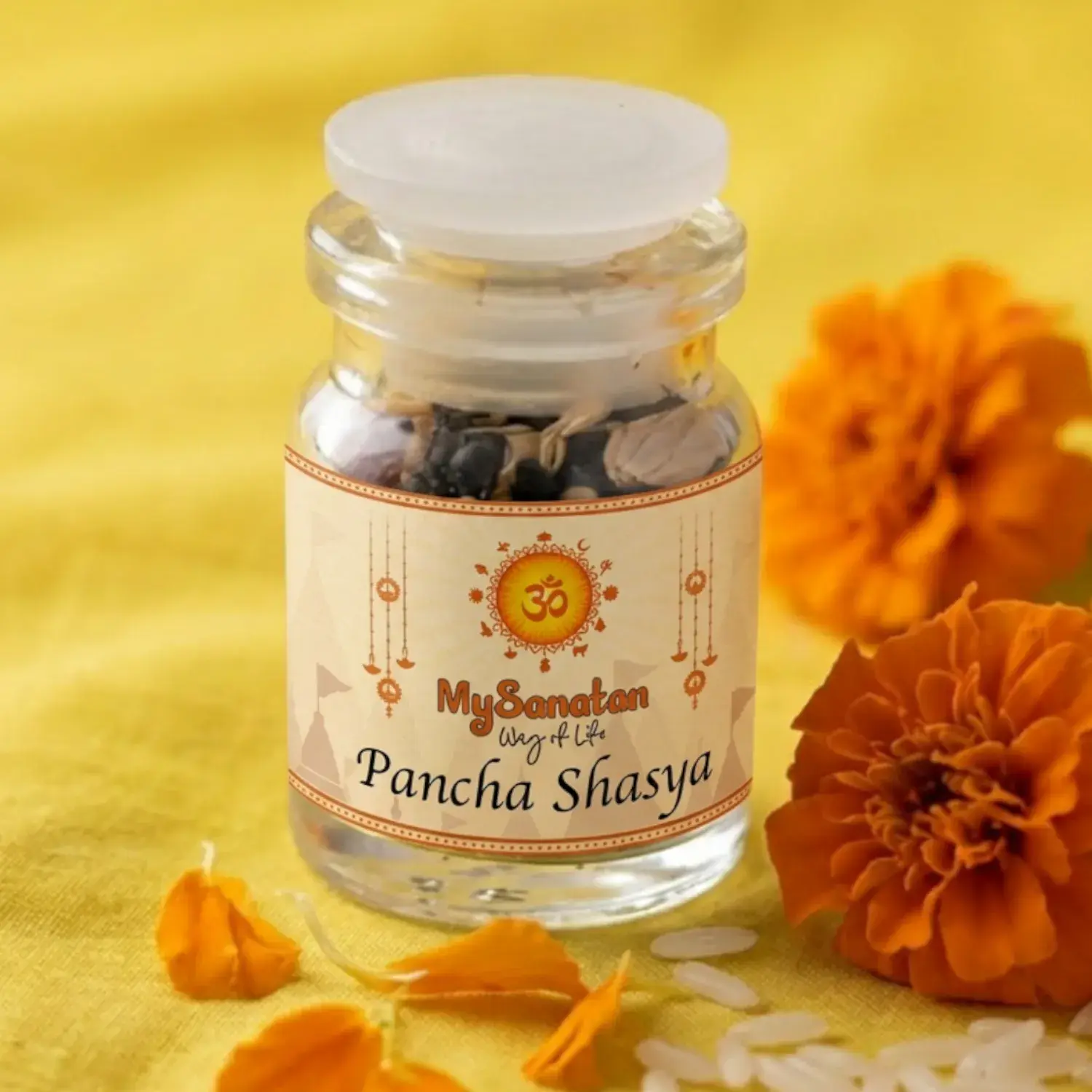
- During the Step 5 Pandal Havan, these individual grains (along with the Pancha Sashya and Mas Kalai) are mixed into the Havan Samagri and Cow Ghee. Burning Kaale Til (Black Sesame) and Barley (Jau) at midnight serves a specific esoteric purpose: it is meant to neutralize collective neighborhood karma, clear stagnant negative frequencies, and invoke agricultural abundance for the coming seasons.