
_11zon.webp)


_11zon.webp)
_11zon.webp)


_7_11zon.webp)
.webp)


.webp)




_11zon.webp)
Frequently Asked Questions
- Q1. Why is this specific ritual called "Kojagari" Lakshmi Puja when performed in a large Community Pandal?
- The word Kojagari literally translates to "Who is awake?" Traditional scriptural accounts dictate that on this specific full moon night (Sharad Purnima), Goddess Lakshmi descends to earth to bless those who remain vigilant and awake. When organized in a grand public pandal, it represents a collective community vigilance. Worshipping Her as a unified locality is a strategic spiritual approach to safeguard the neighborhood's wealth, invoke business prosperity, and ensure community harmony.
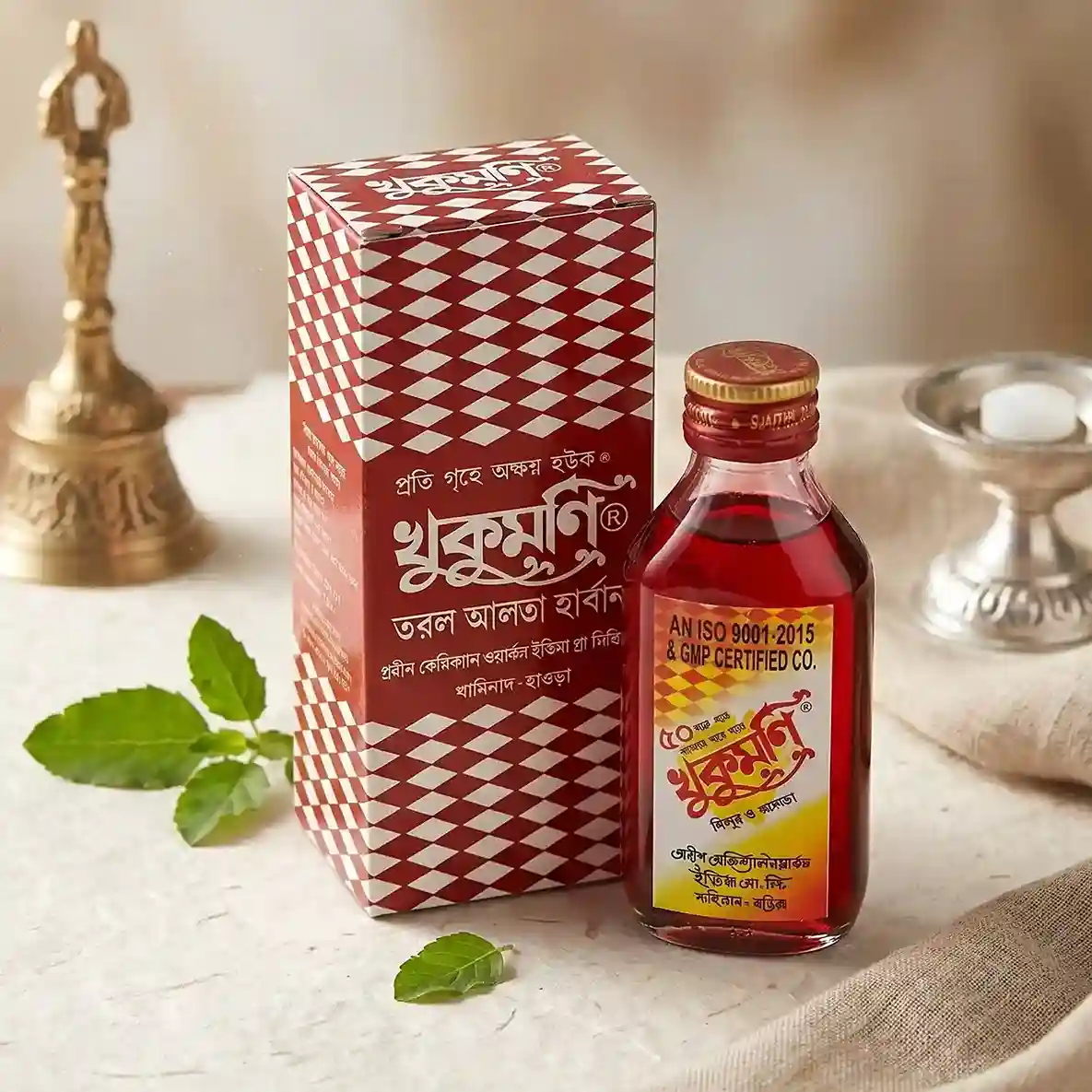
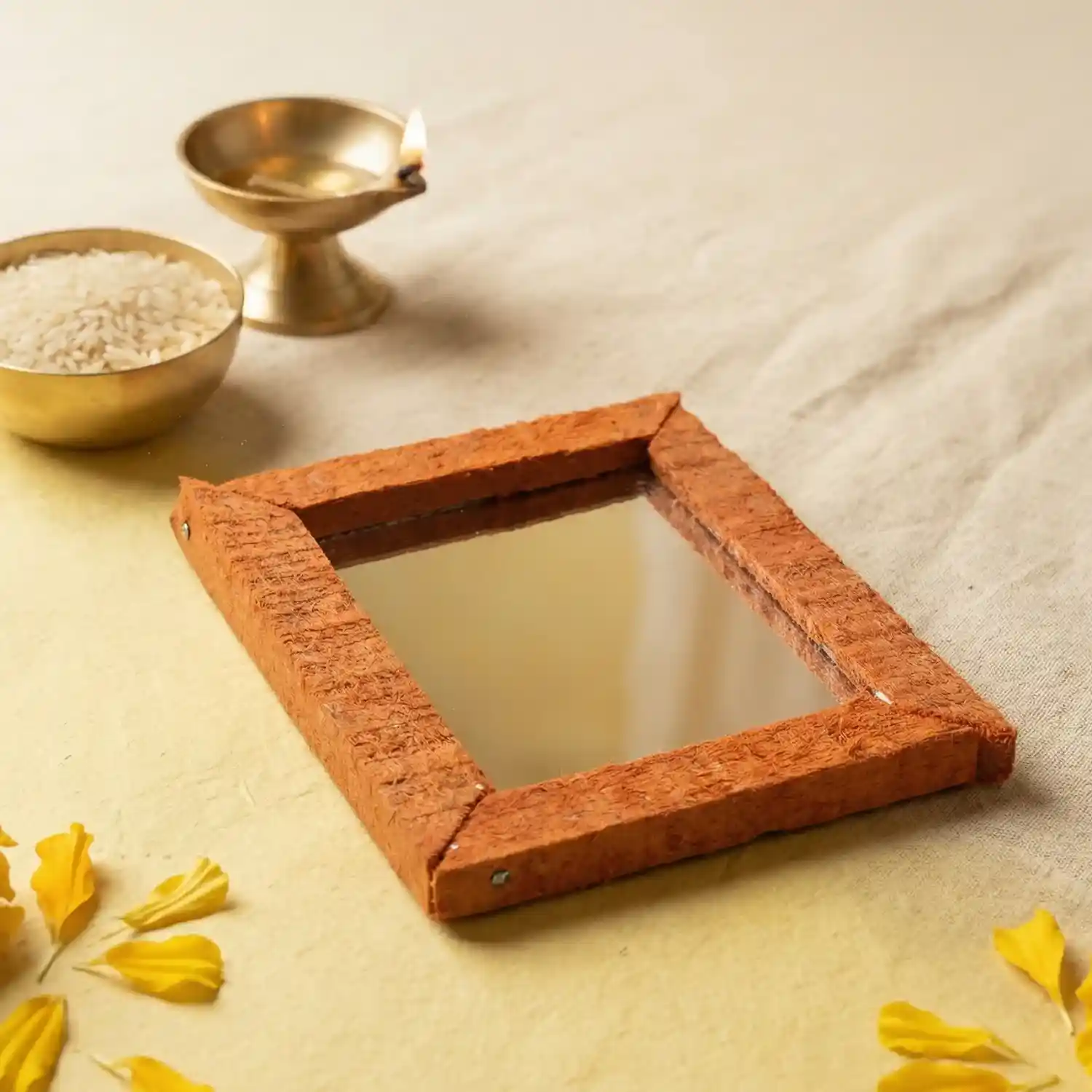
- Q2. What is the significance of including authentic items like the Shankha Pola Loha, Alta, and a Wooden Mirror (Darpan) in this kit?
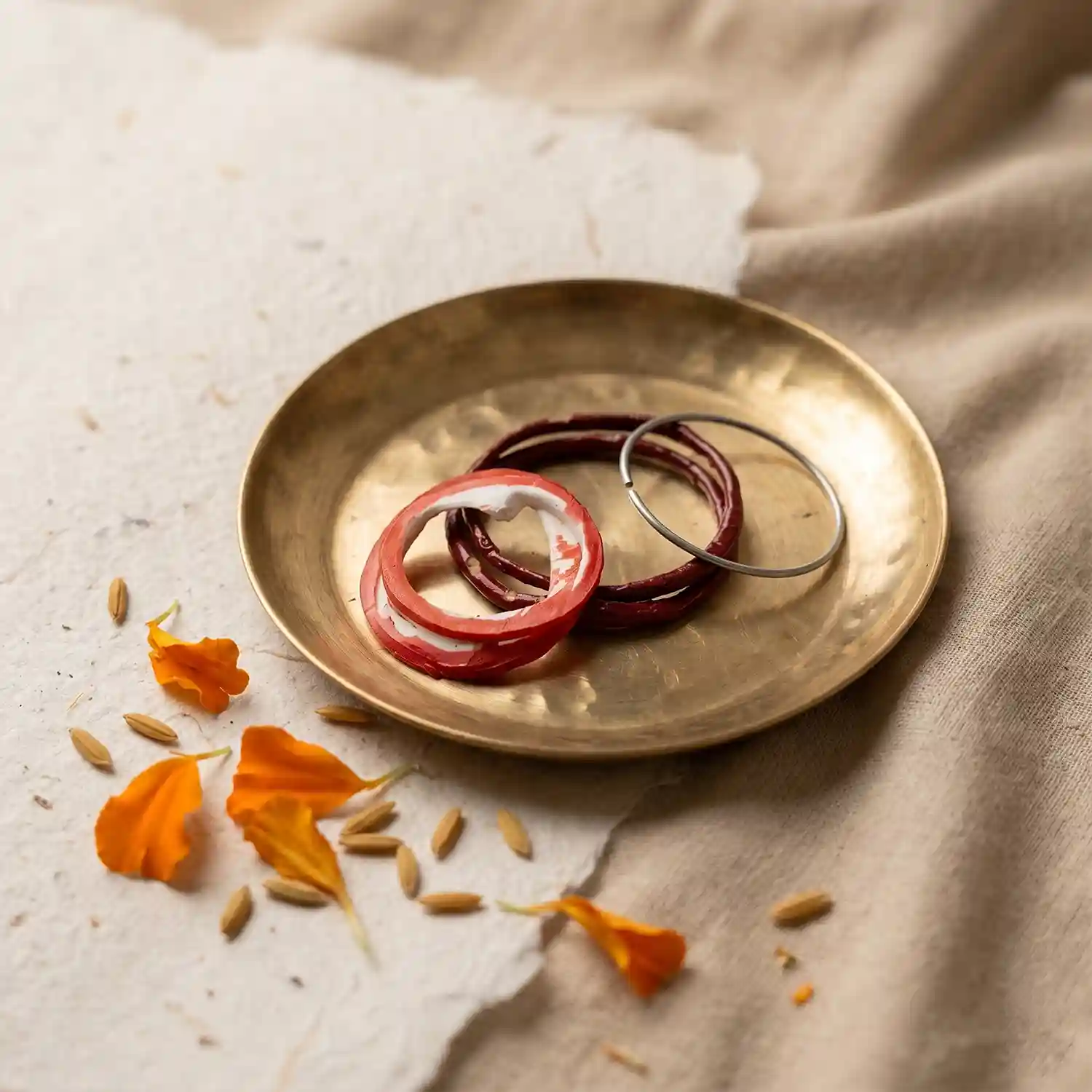
- Goddess Lakshmi is invited not merely as an abstract concept, but as a royal queen and a revered bride. Items like the traditional Shankha Pola Loha (Nowa) Set, Alta (red foot dye), and the Wooden Frame Darpan (ritual mirror) are used during Step 3 (The Adornment). They are offered to formally groom the deity, welcoming Her into the community with the highest standard of traditional hospitality and honoring Her divine beauty.
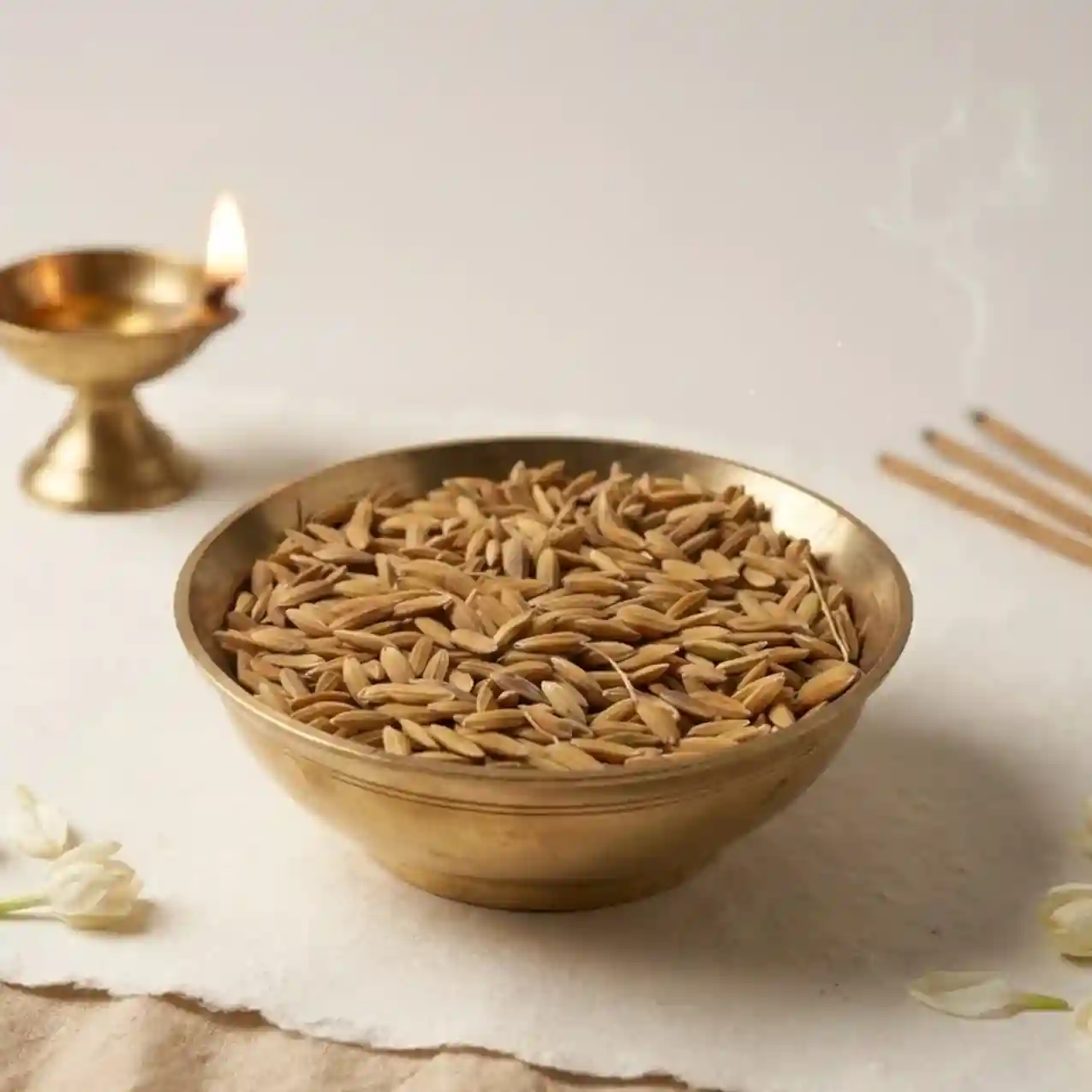
- Q3. Why does this kit contain specific agricultural symbols like the Dhaner Sish and Natural Cowrie Shells?
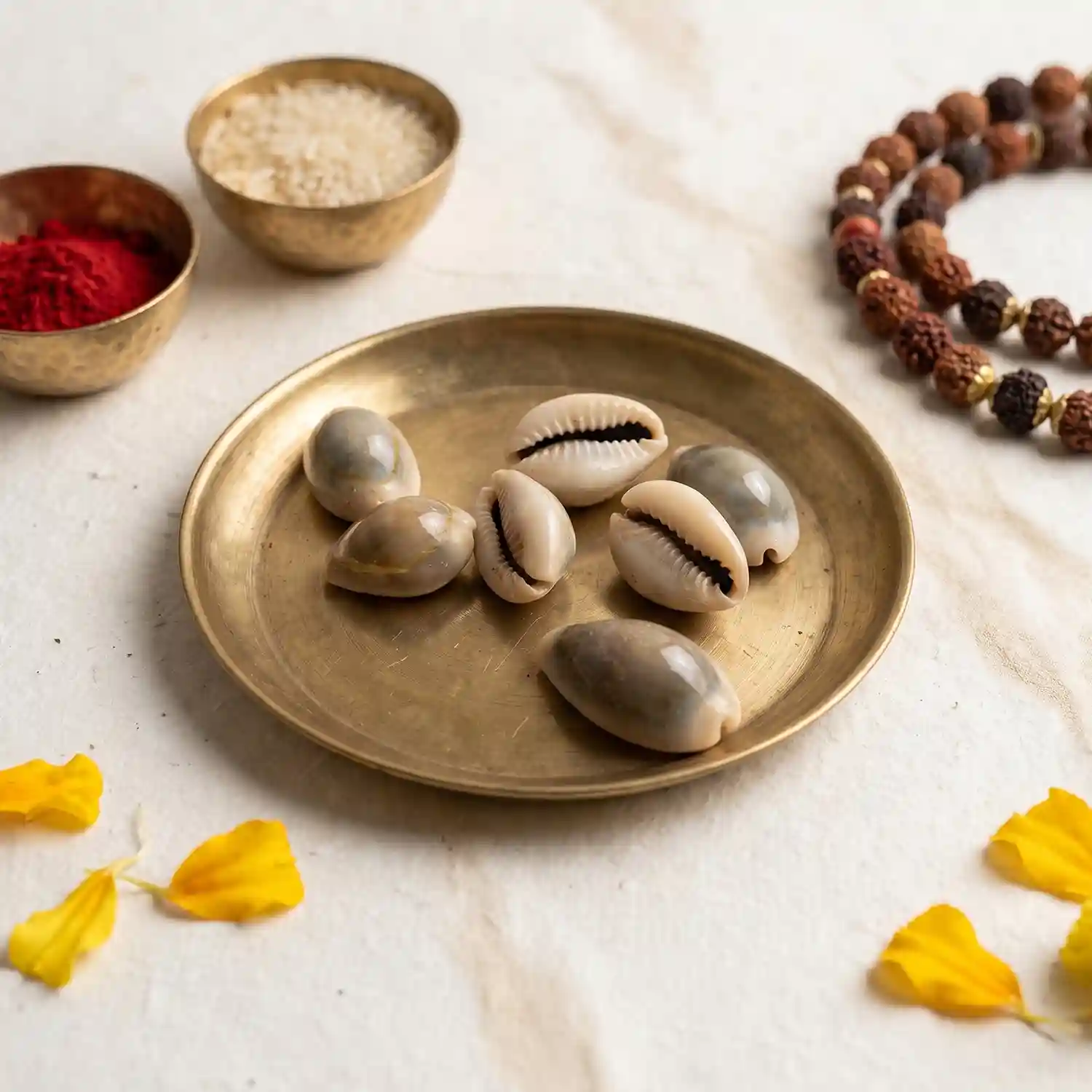
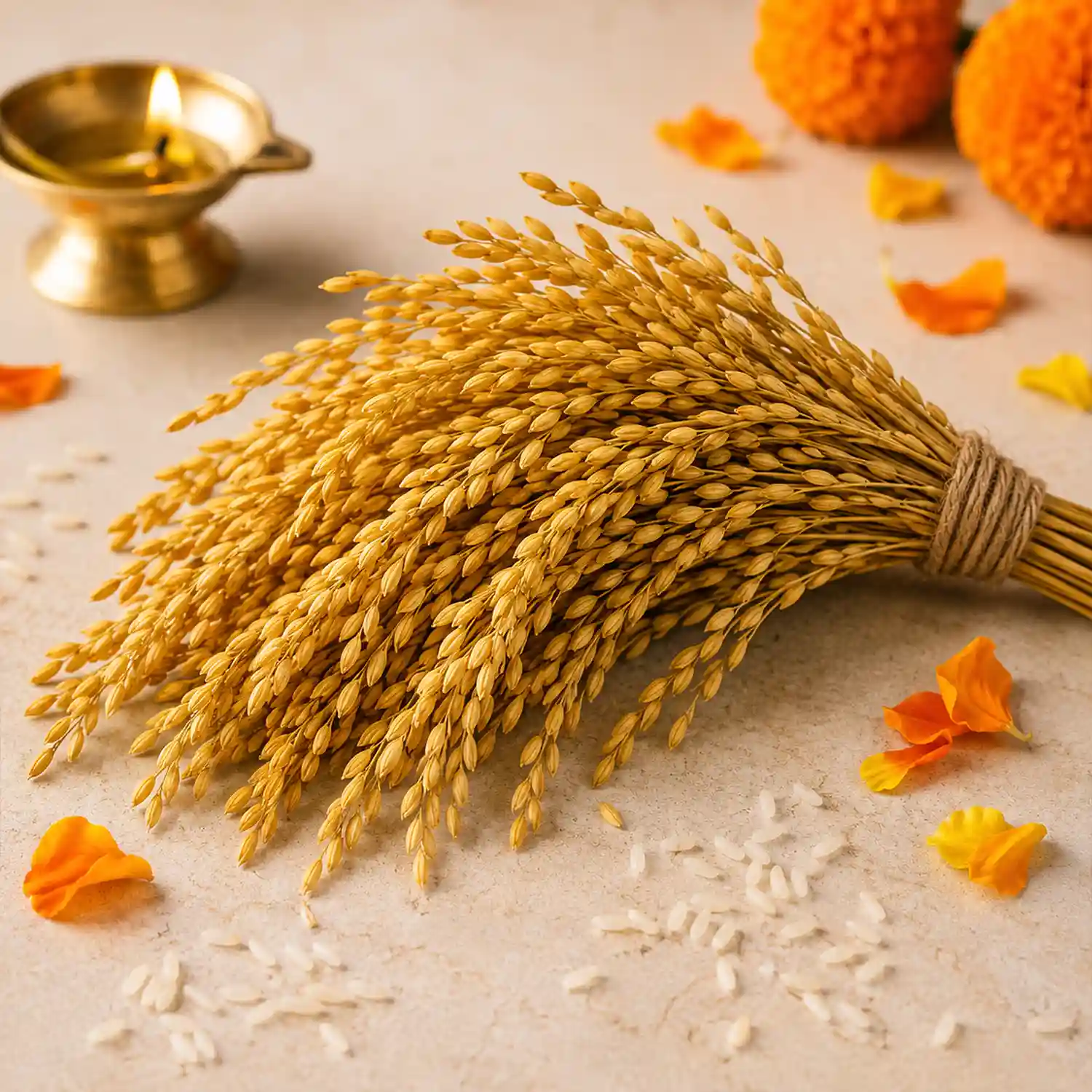
- Historically, in Sanatan heritage, actual financial security and wealth were measured by grain reserves and maritime currency. The Dhaner Sish (fresh stalk of paddy) represents abundant agricultural and commercial output for local businesses, while the Natural Cowrie Shells and Kamal Gatta (lotus seeds) are ancient symbols of liquid capital. The priest energizes these on the Puja Place to turn the pandal into a spiritual magnet for continuous funding and resource growth.
- Q4. What should the pandal committee do during the midnight hours (Nishita Kaal)?
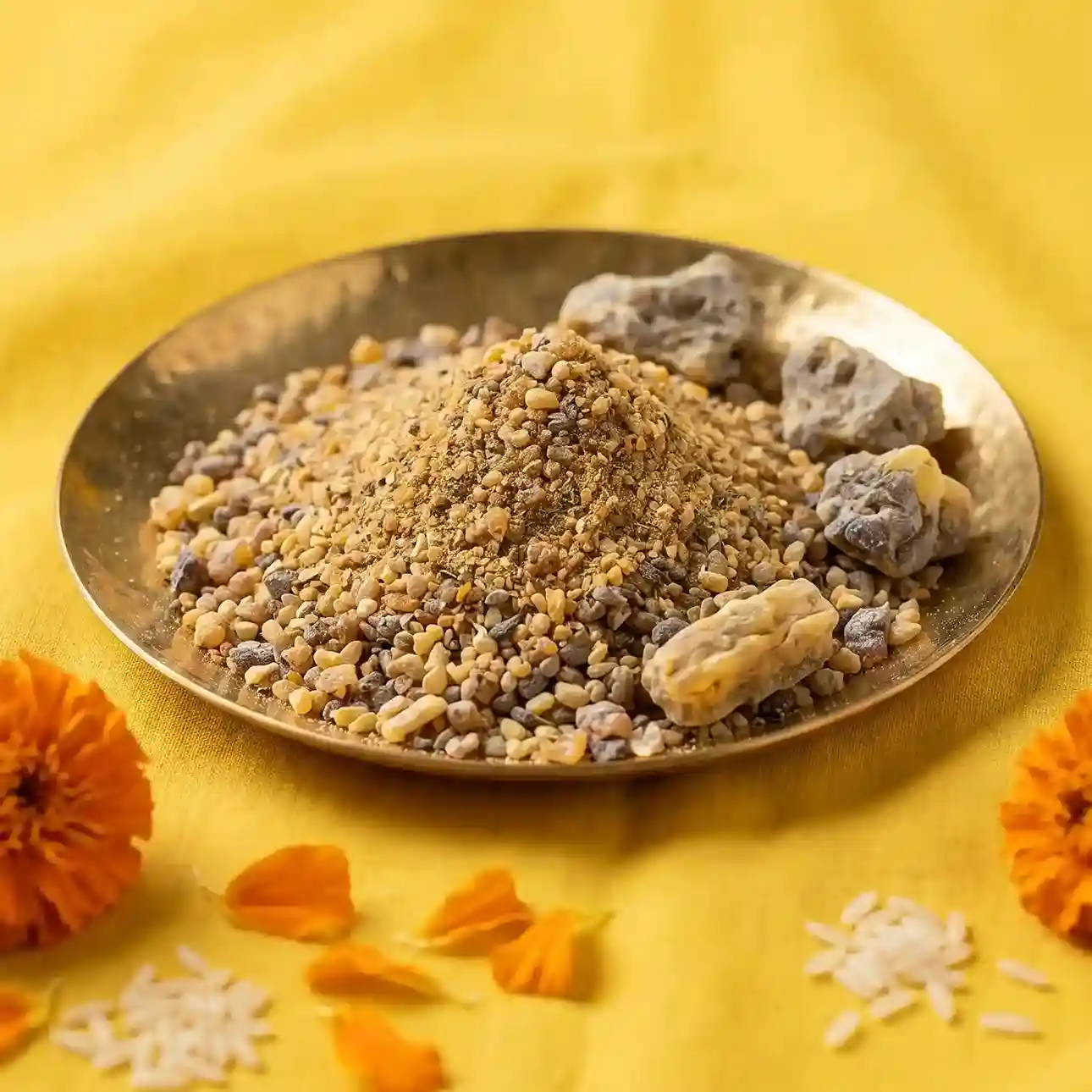
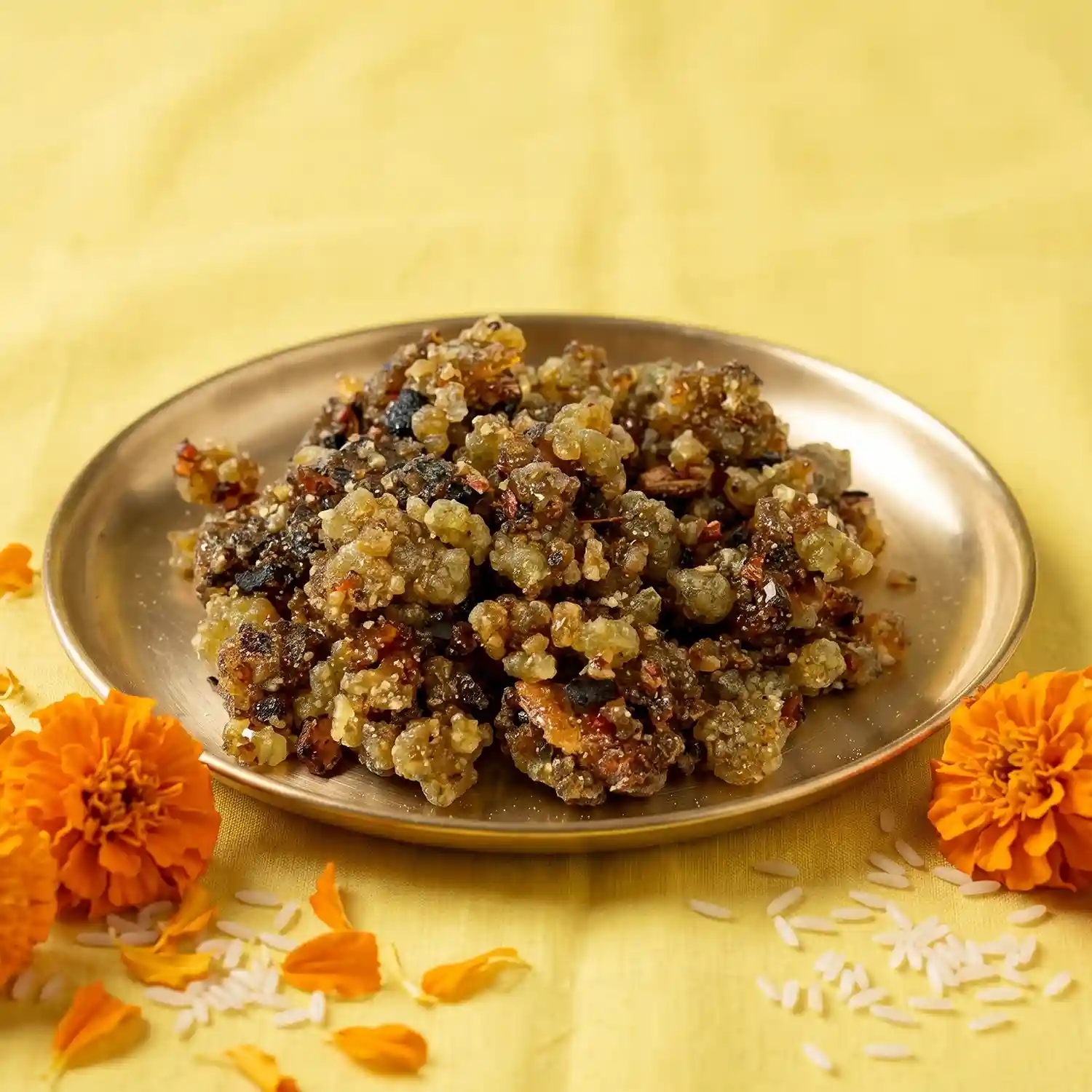
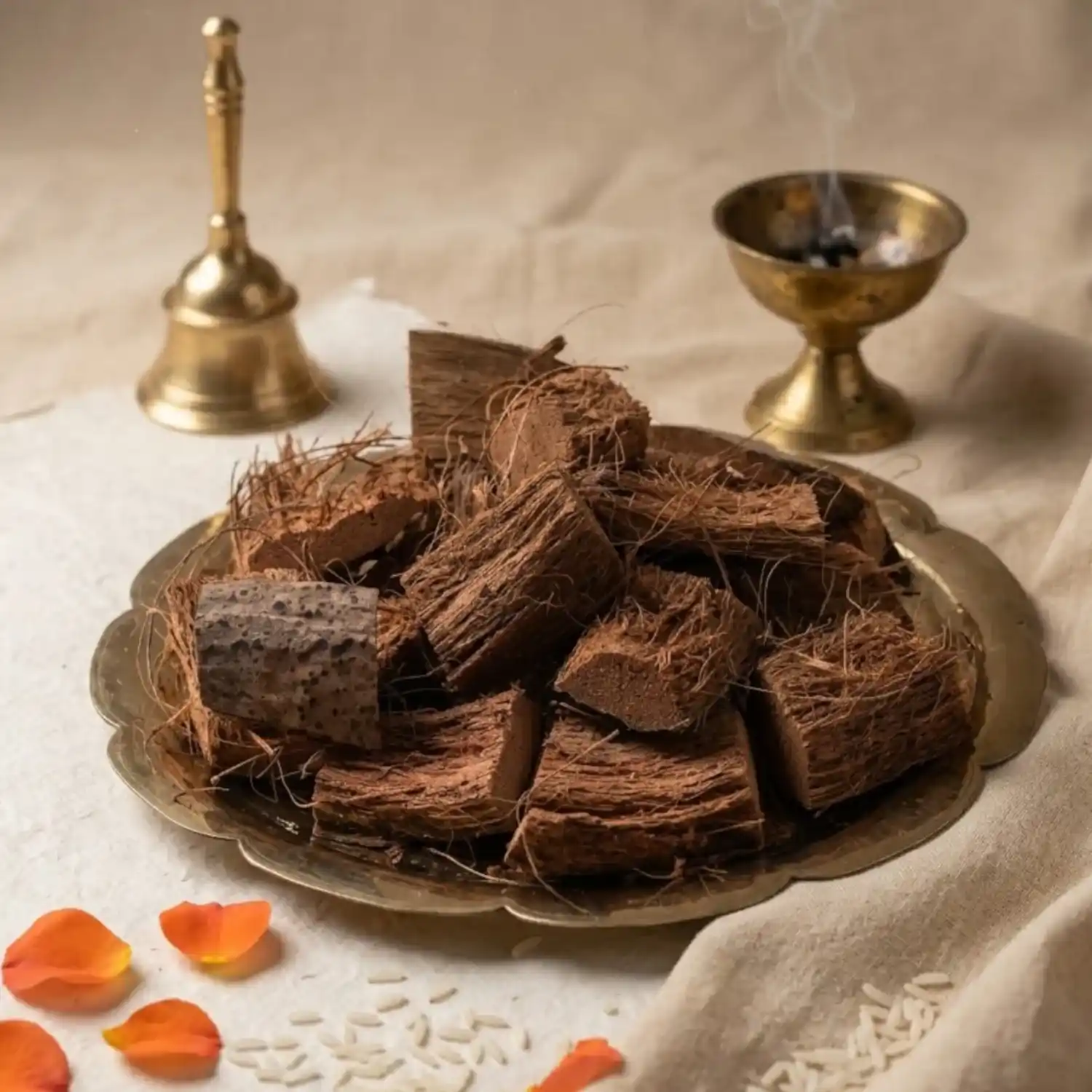
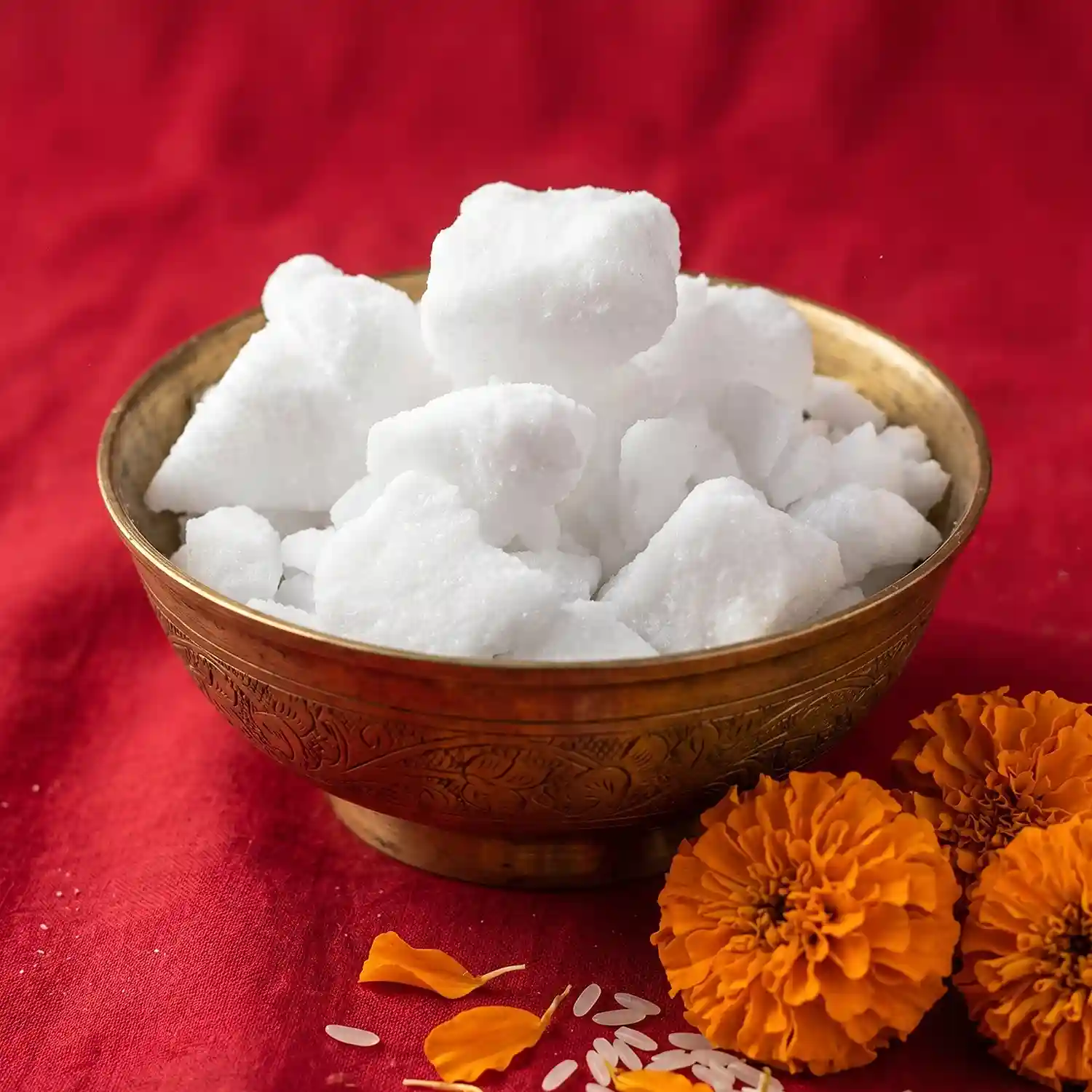
- Because Goddess Lakshmi's celestial journey occurs strictly during the midnight hours (Nishita Kaal), organizers should ensure the pandal remains fully illuminated, vibrant, and populated during the main ritual phases. When the final grand fire ceremony and Chawar Aarti are performed, committee members should invite the local families to stand respectfully so the purifying smoke from the Dhuna, Guggal, and Chhobra can wash over them, clearing personal financial blocks.
- Q5. How should we set up the primary Puja Place lamp and the decorative hanging items on the stage?
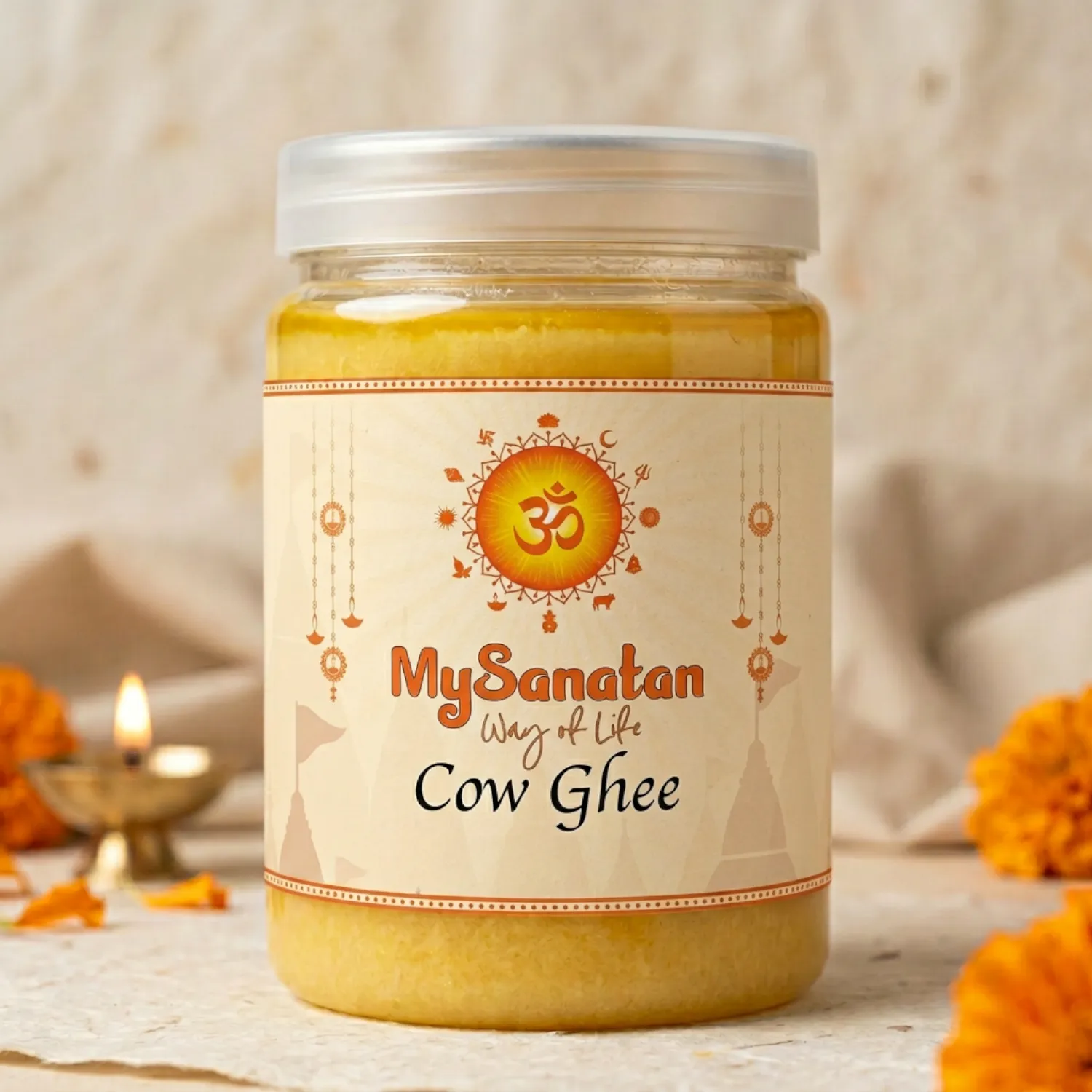
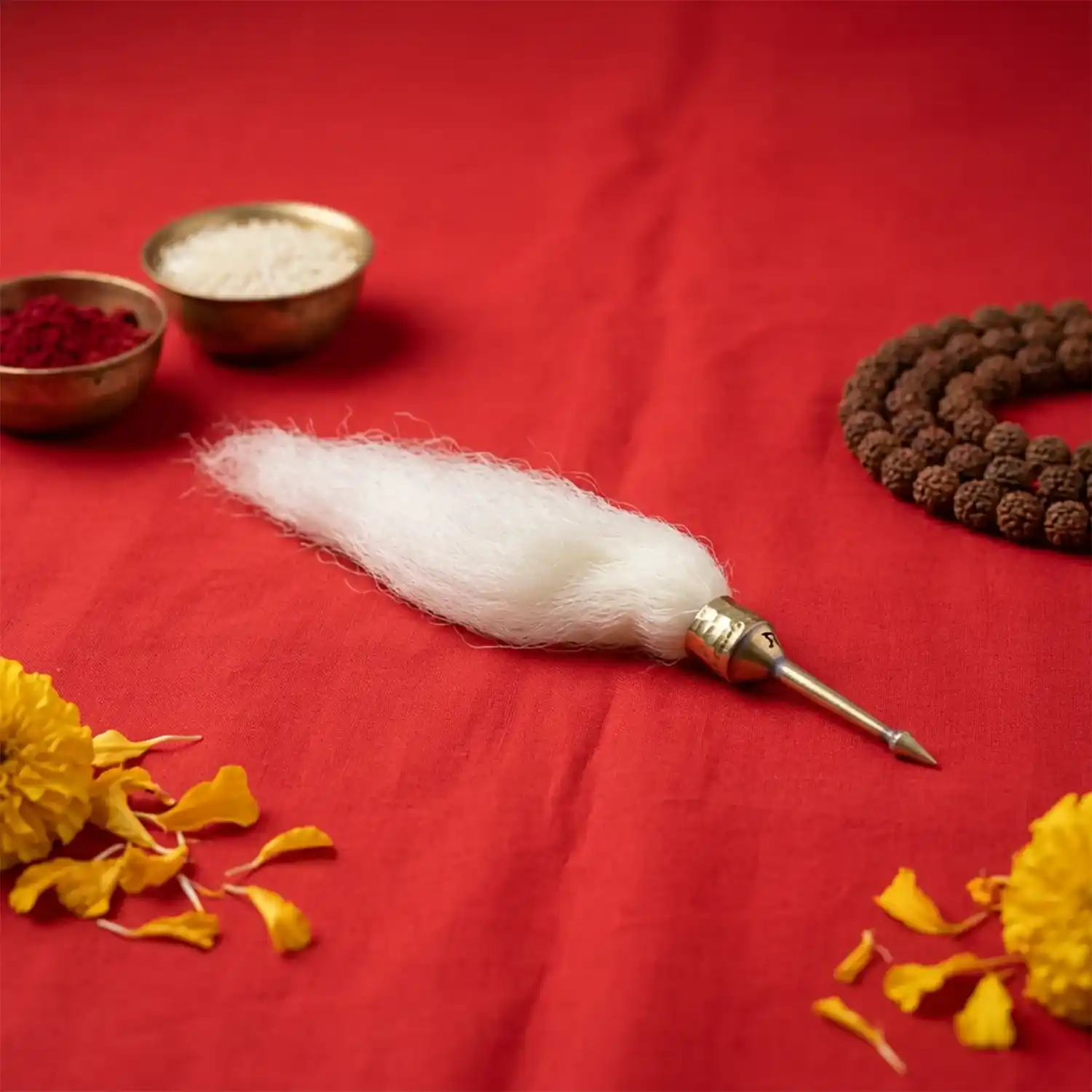
- The kit provides both small and large Chandmalas (decorative hanging circles). The small one must be wrapped directly around the sacred water pot (Ghat), and the large one should hang prominently adjacent to the main idol. Additionally, you must ensure that the primary ritual lamp, prepared with the provided premium Cow Ghee, is positioned strictly on the right side of the deity (from the viewer's left) to keep the Puja Place's energy properly aligned.
- Q6. How does this kit support the priest in executing advanced purification formulas on public pandal grounds?
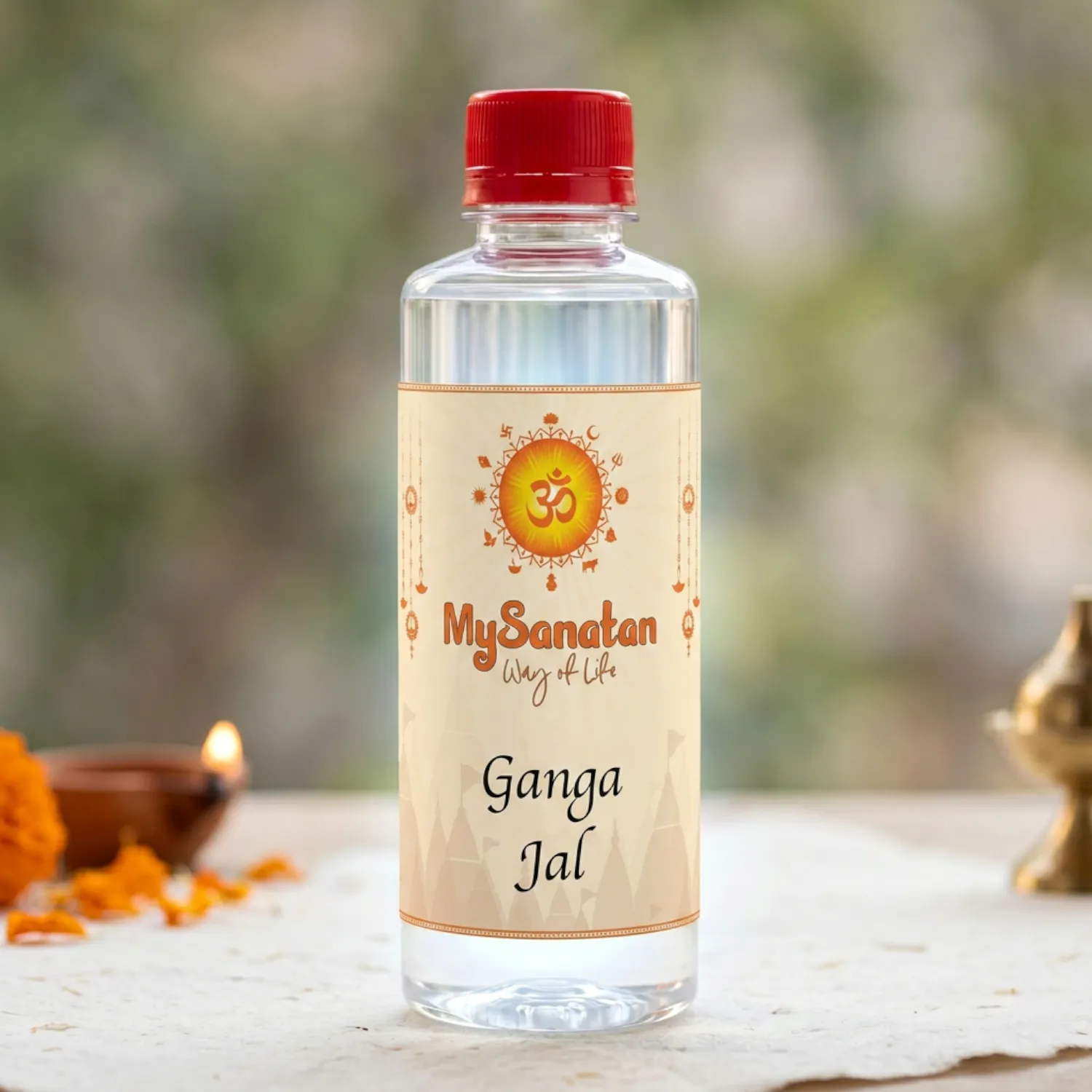
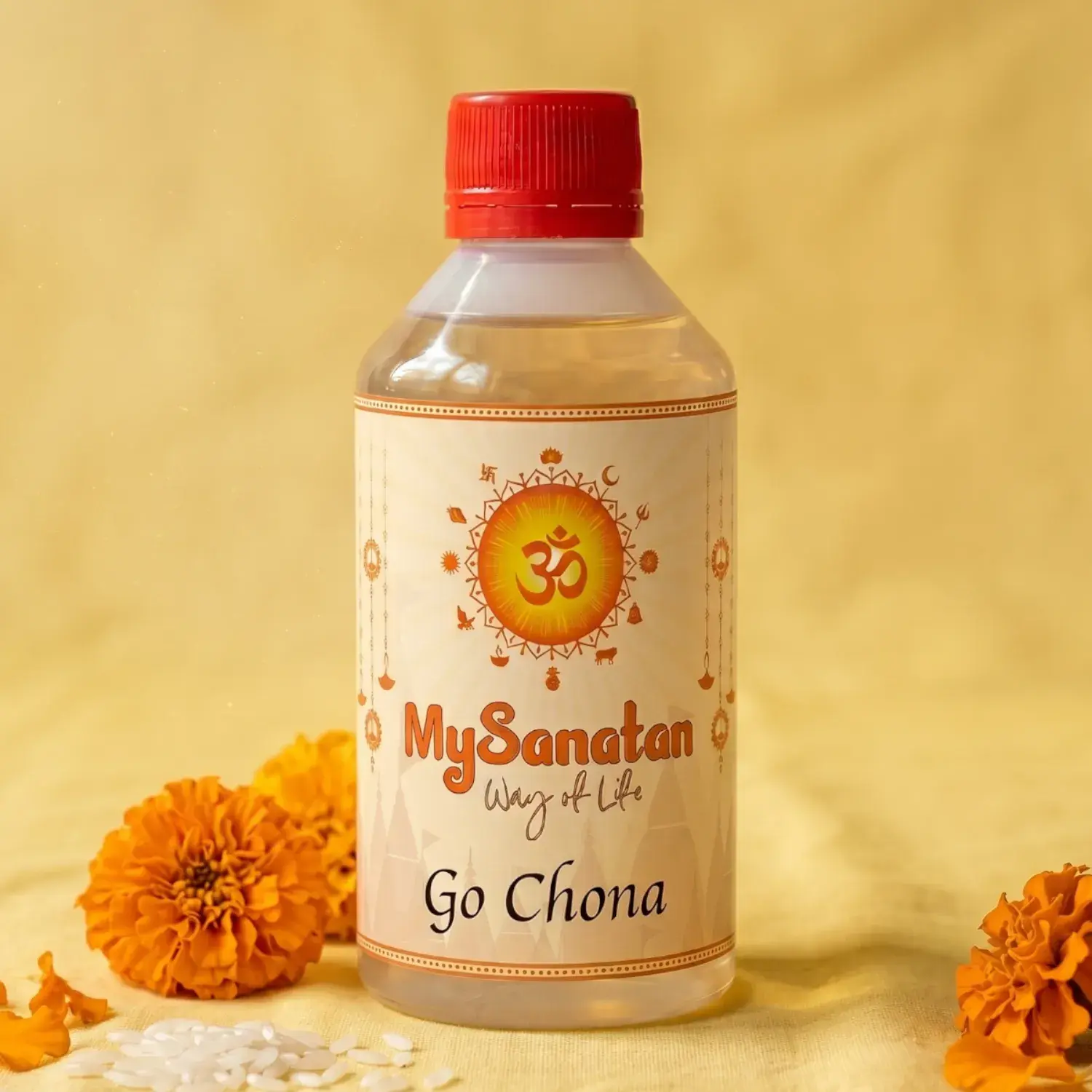
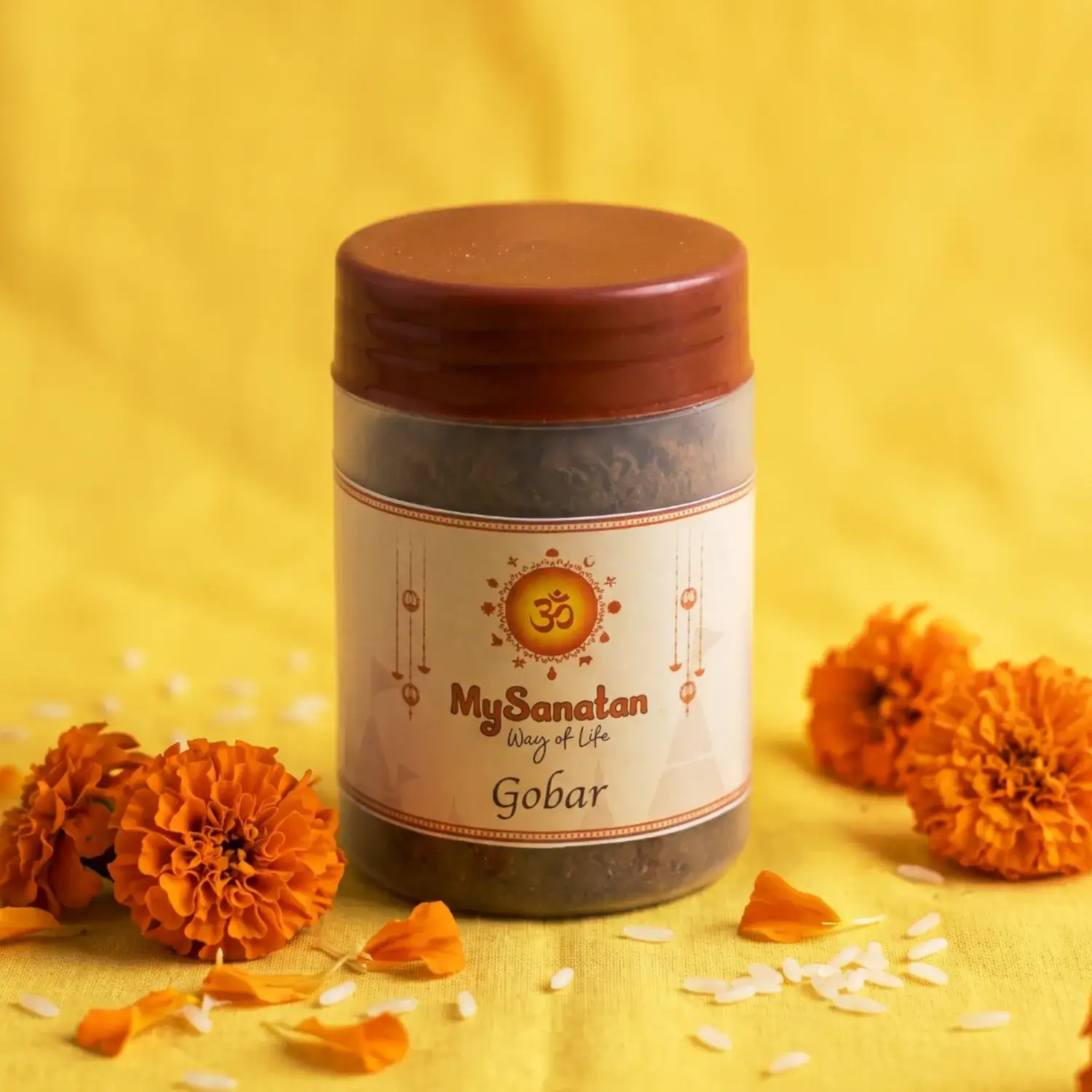
- Large public pandal venues carry heavy environmental and physical friction from thousands of visitors. To reset the energetic baseline, Step 1 provides a highly authentic, scripturally accurate combination of 100% pure Ganga Jal, Gau Mutra (Cow Urine), and Gobar (Cow Dung paste). This allows the Pandit to conduct an advanced space-clearing protocol and Bhuta-shuddhi to purge the entire neighborhood footprint of stale energies.
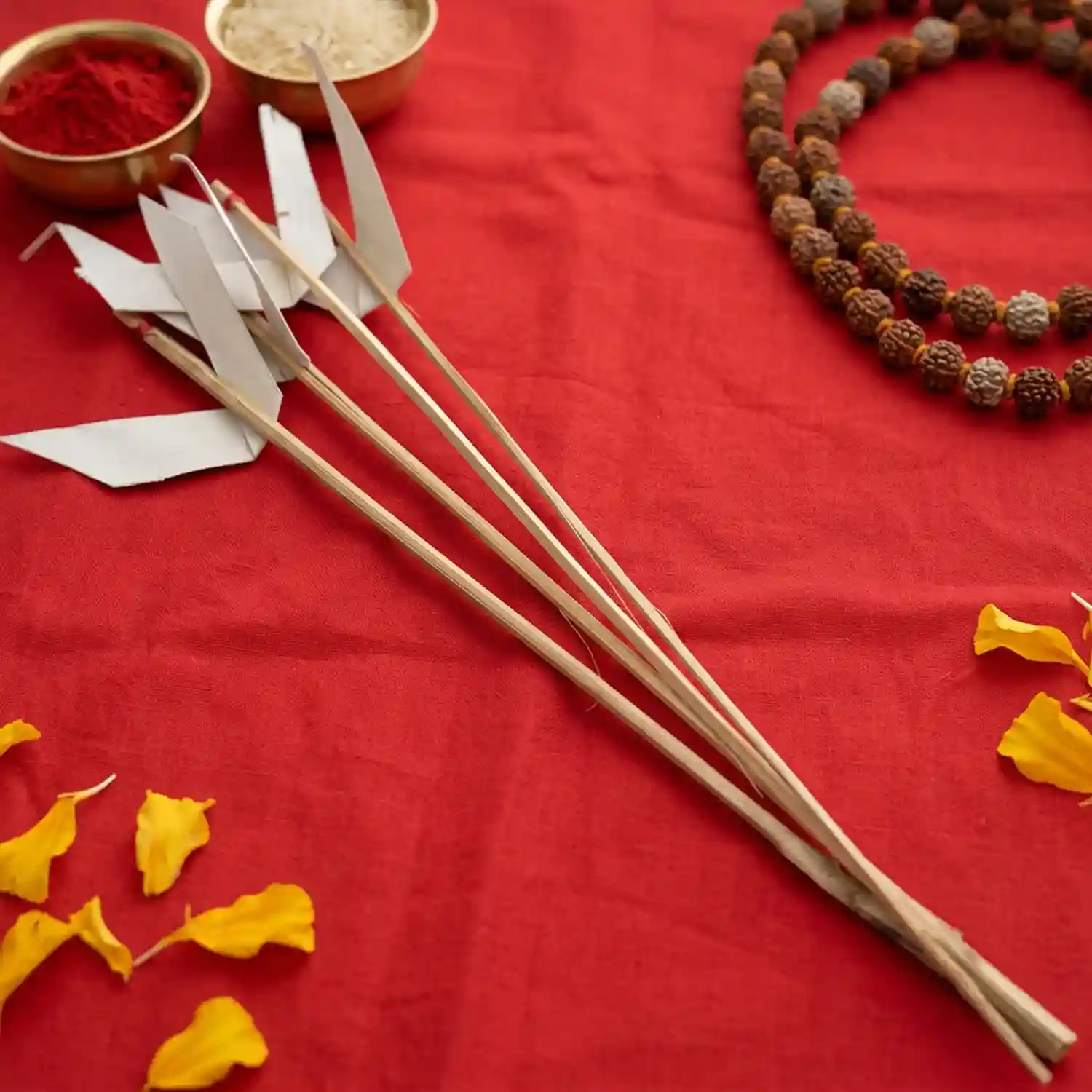
- Q7. What structural purpose do the Teer Kathi, Asananguri, and Khari Mati serve during the Ghat Installation?
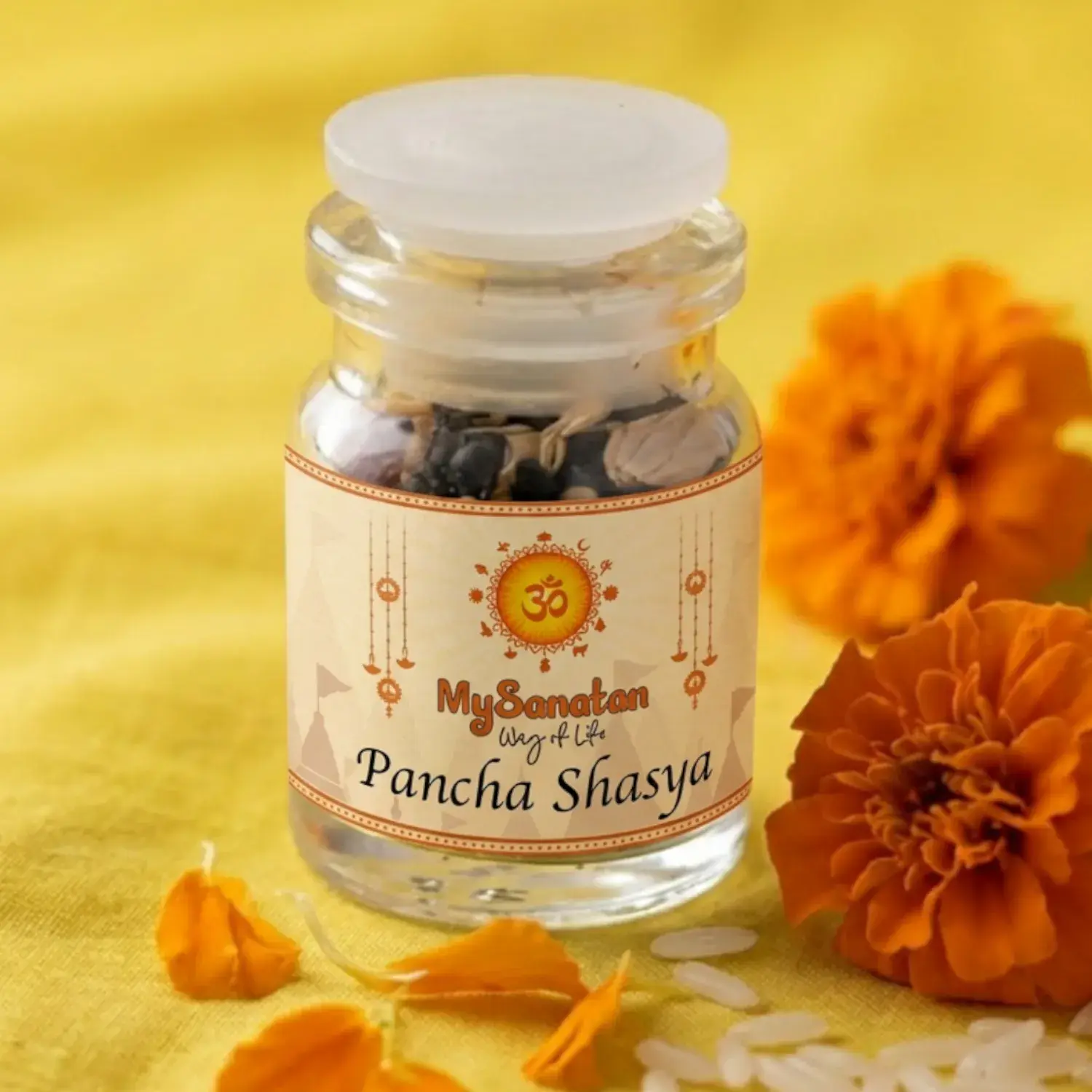
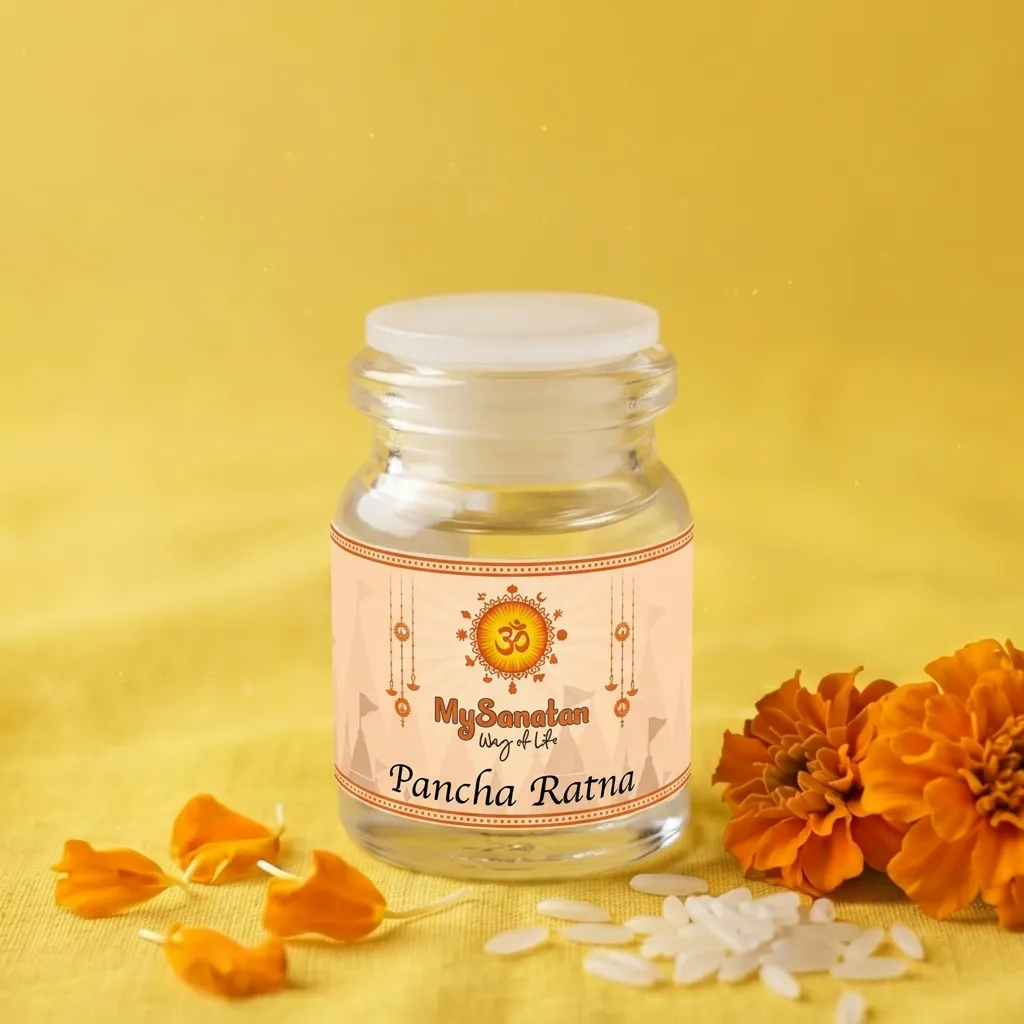
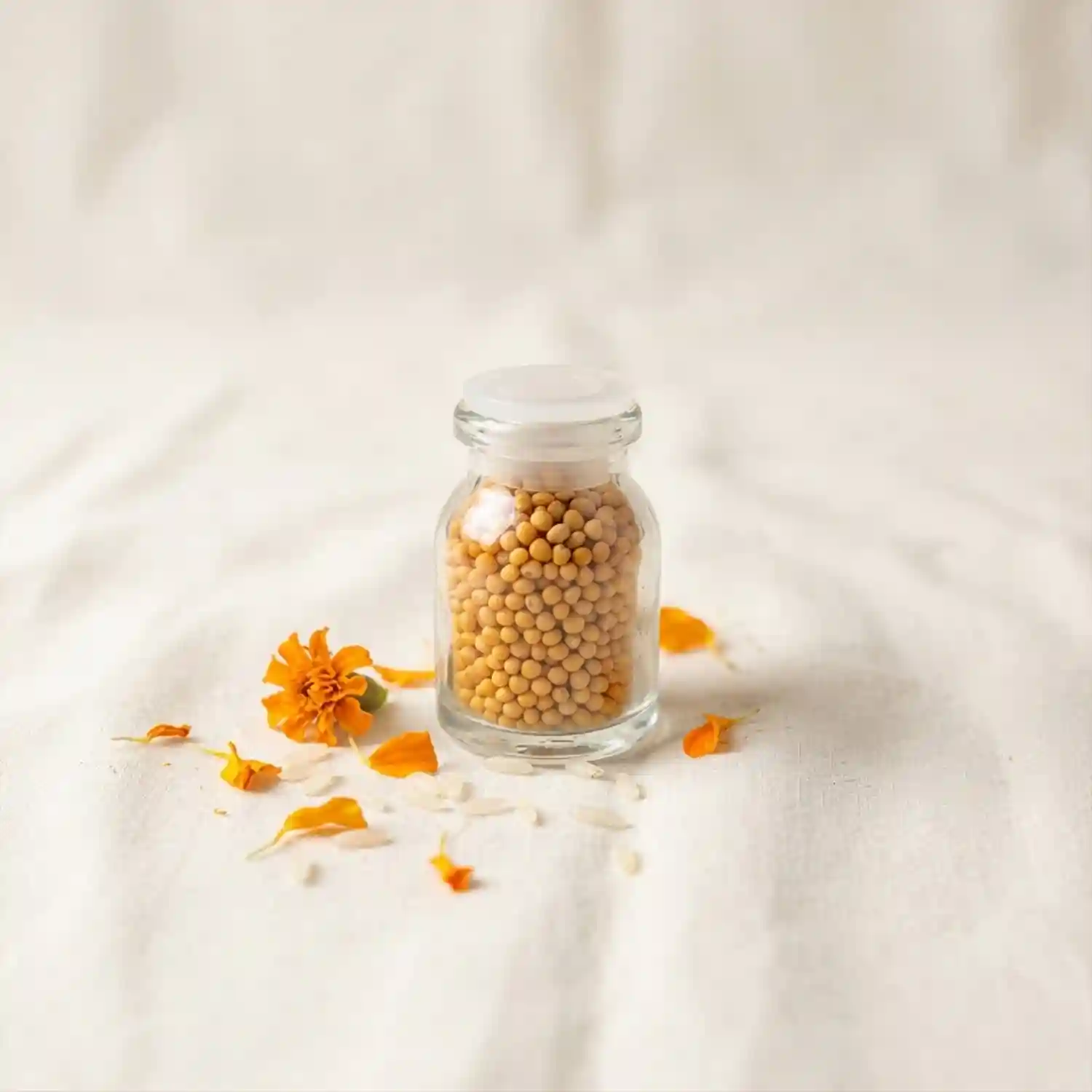
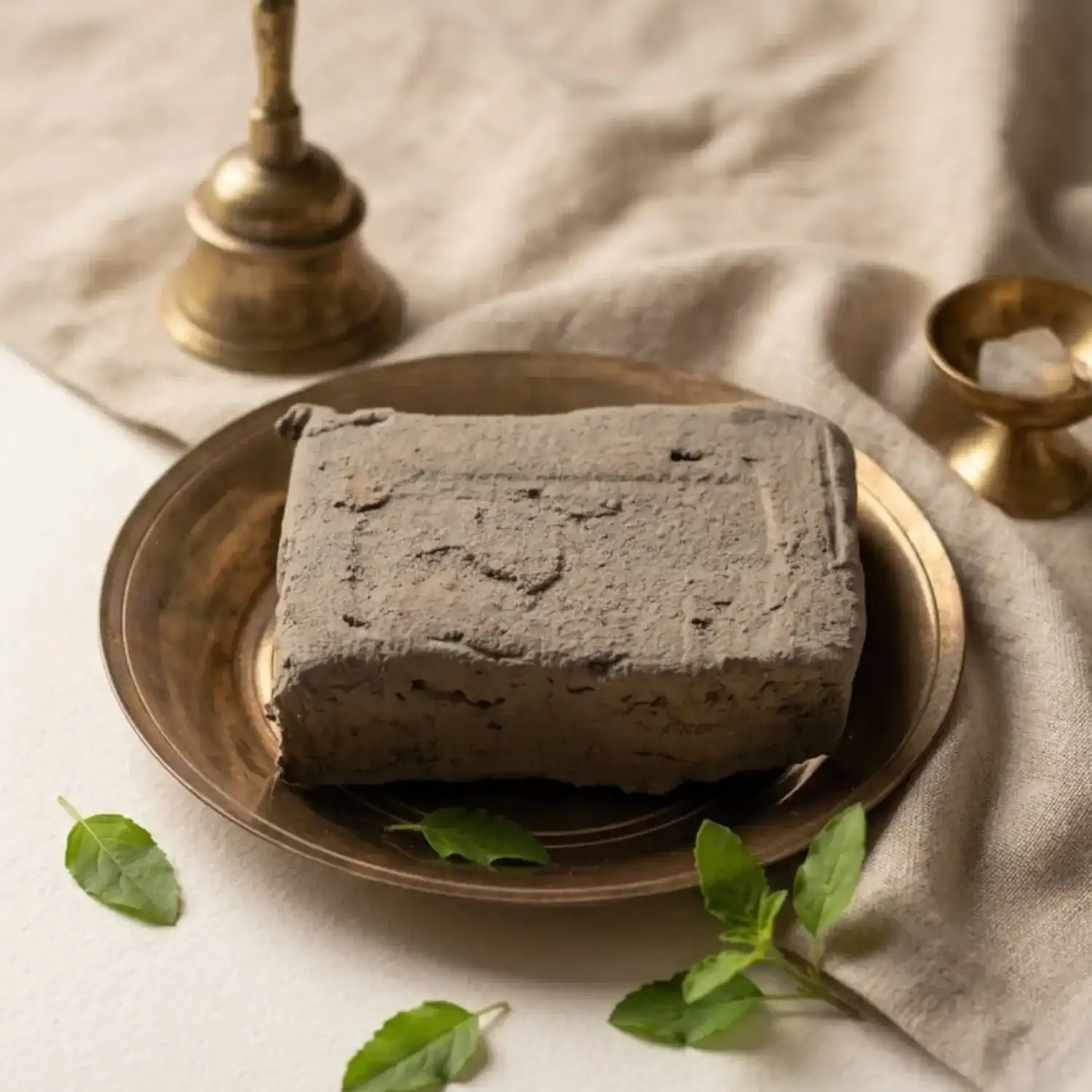
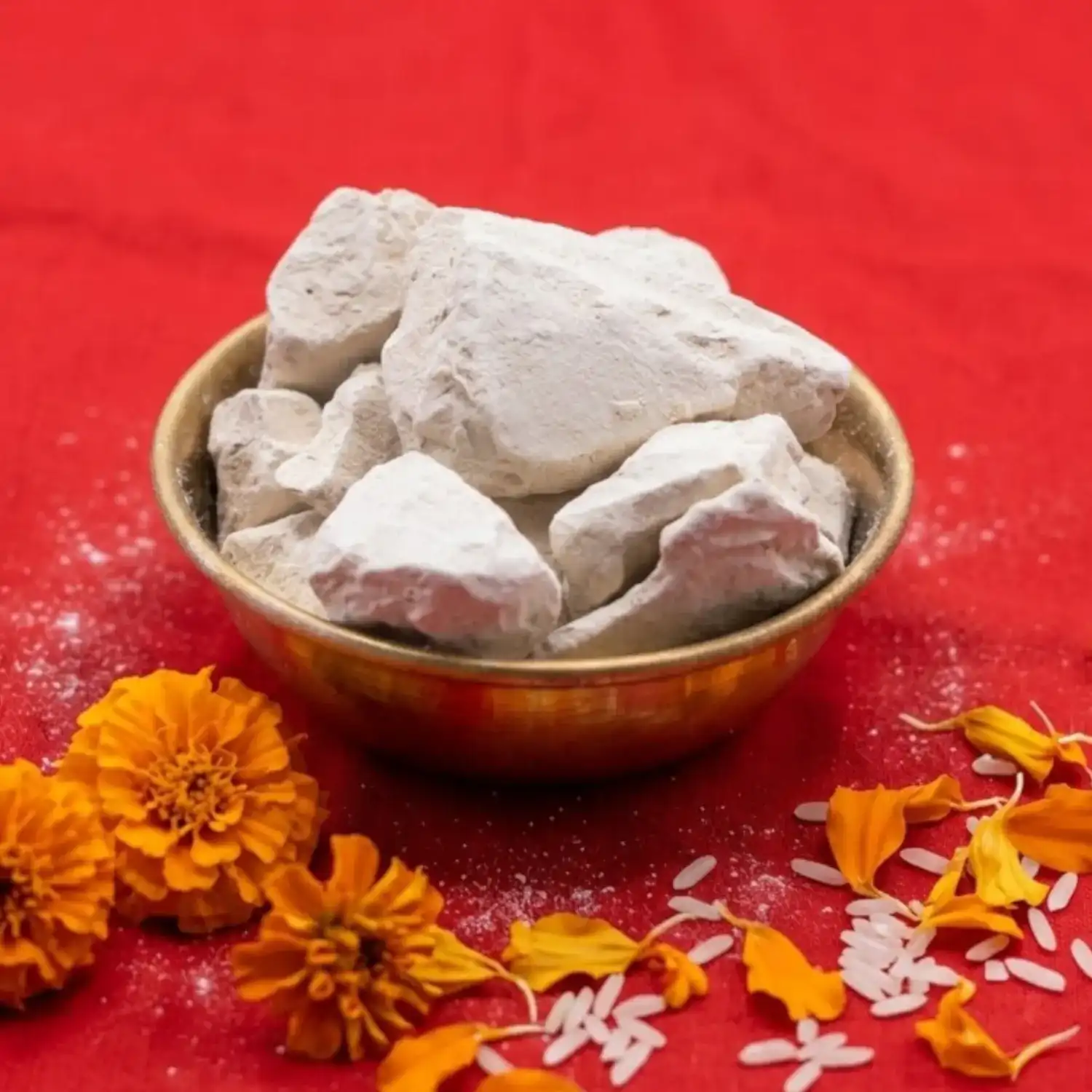
- To build an impenetrable energetic defense grid around the community's offerings, generic Puja Place fixtures are insufficient. During Step 2, the kit provides four authentic bamboo Teer Kathi and Yellow Mustard Seeds to demarcate the spatial boundaries. Paired with Ganga Mitti, Pancha Ratna, Pancha Sashya, Khari Mati (white clay for floor art), and the Asananguri, the Pandit can flawlessly construct the traditional Ghat layout strictly adhering to the Purohit Darpan.
- Q8. Why are both Red Chandan and White Chandan included for the Shodashopachar sequence?
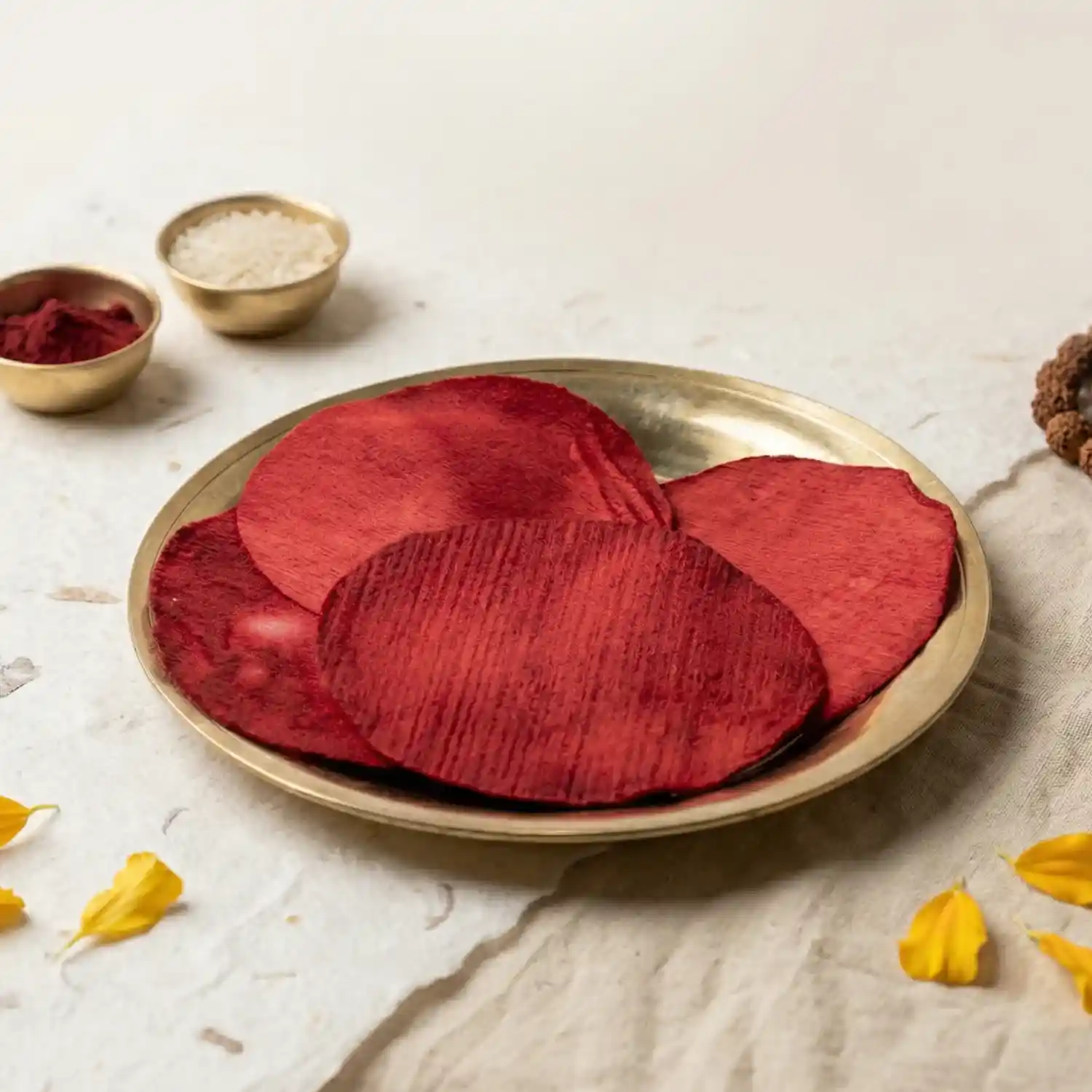
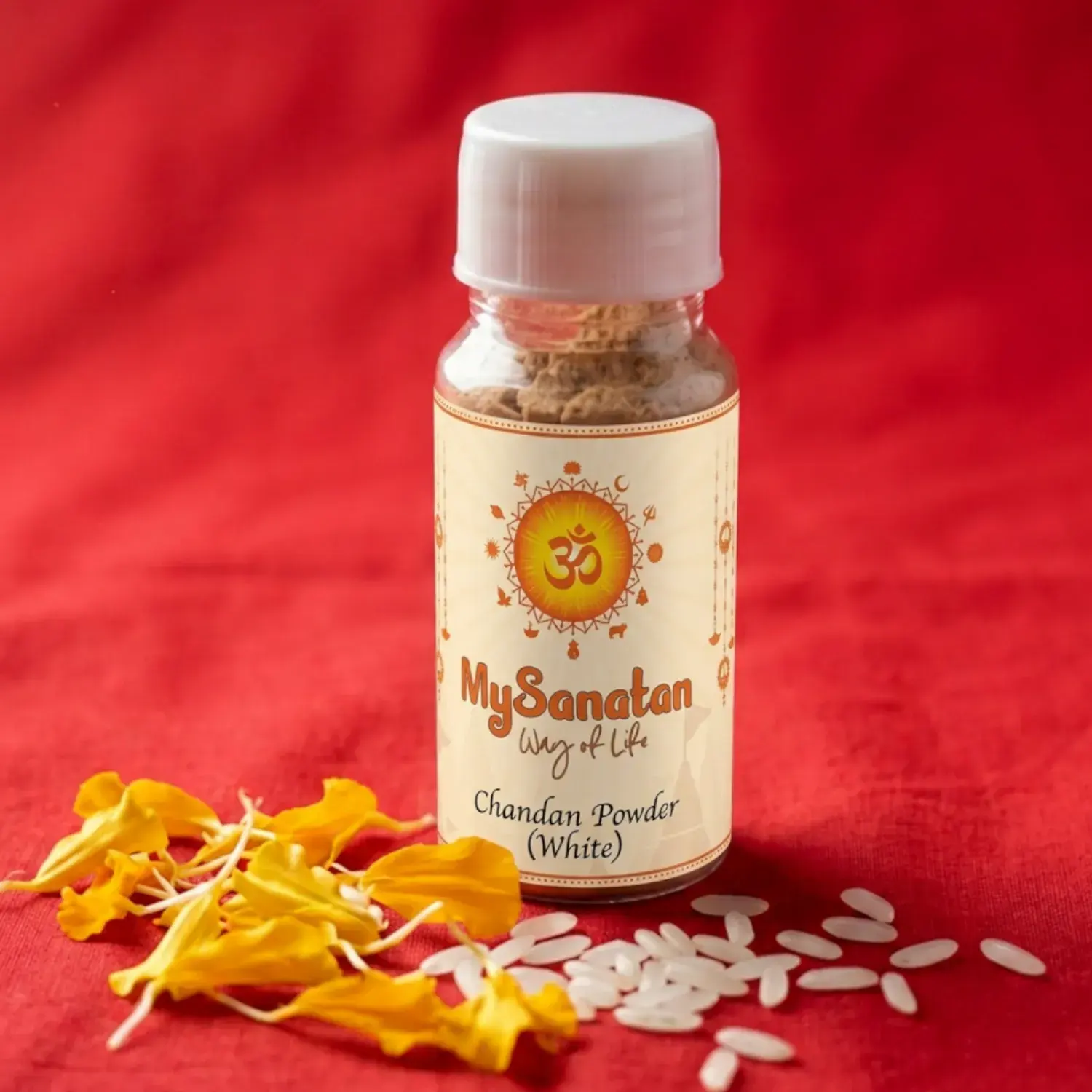
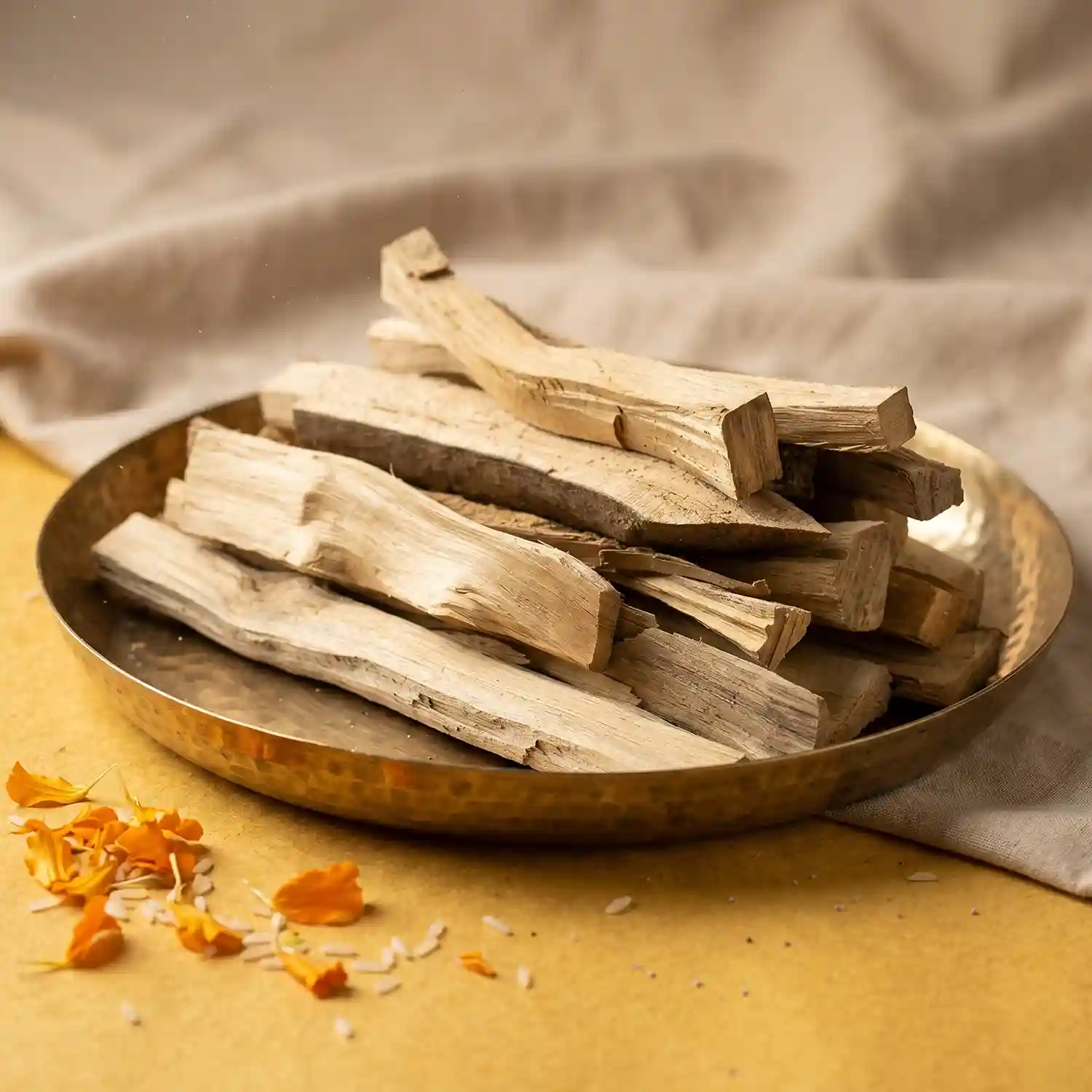
- In orthodox ritual architecture, blending White Chandan (signifying lunar tranquility, logic, and wisdom) with Red Chandan (signifying solar vitality, protection, and executive command) balance the incoming wealth frequencies. Applying both to Goddess Lakshmi ensures that the participating families receive a balanced blessing—gaining financial abundance without attracting unnecessary greed, conflict, or operational chaos.
- Q9. How is the transition from the Madhuparka offering to the Kushandika fire sequence handled?
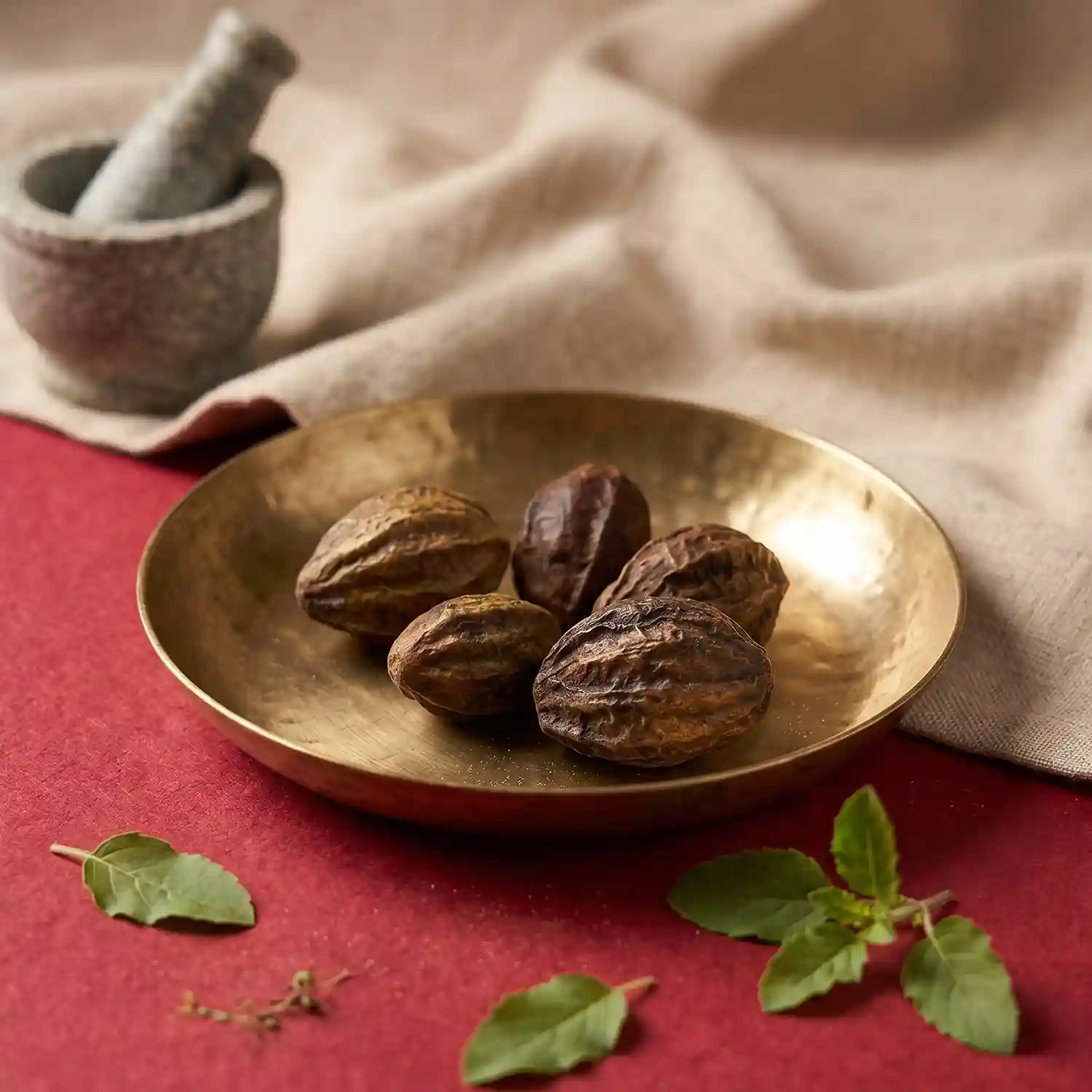
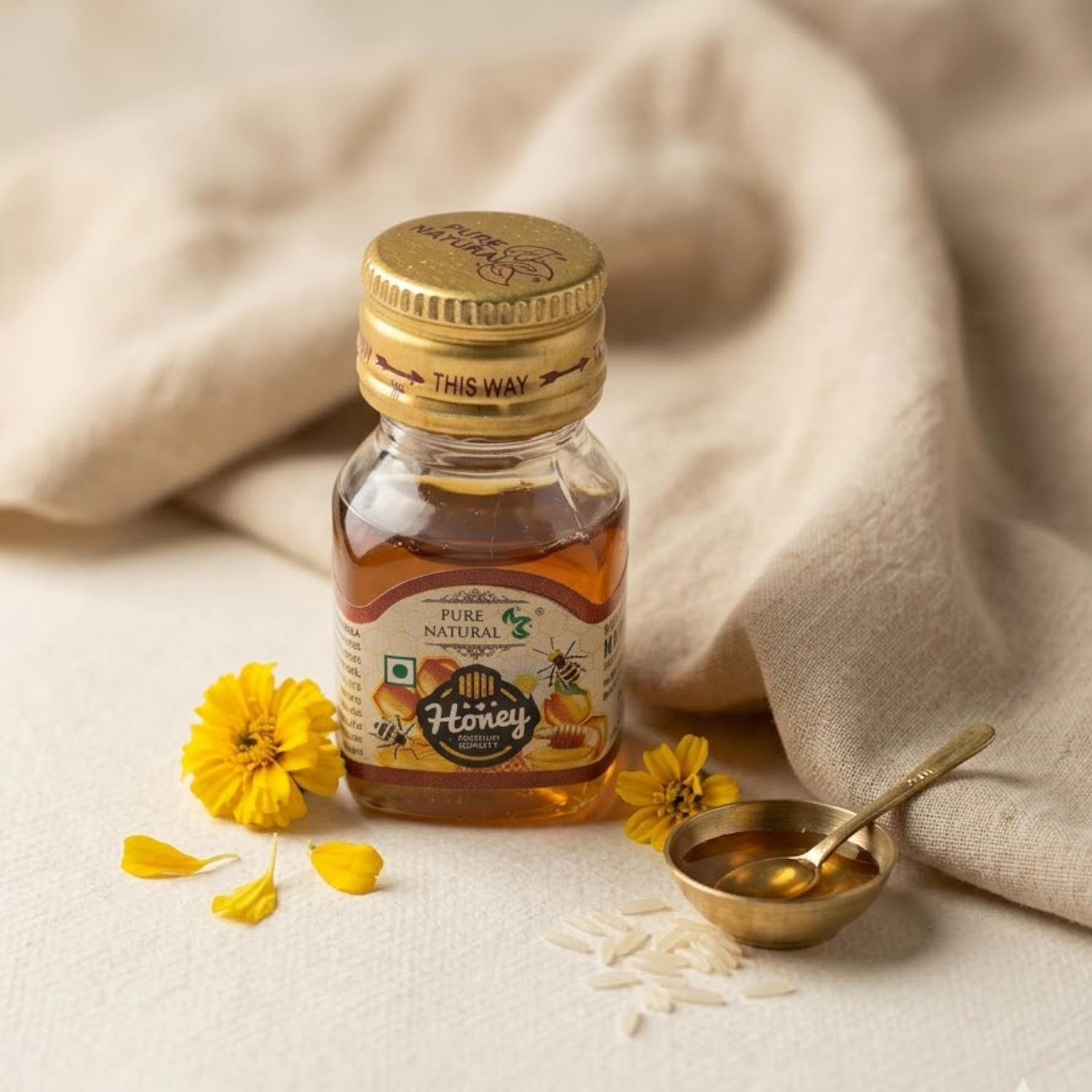
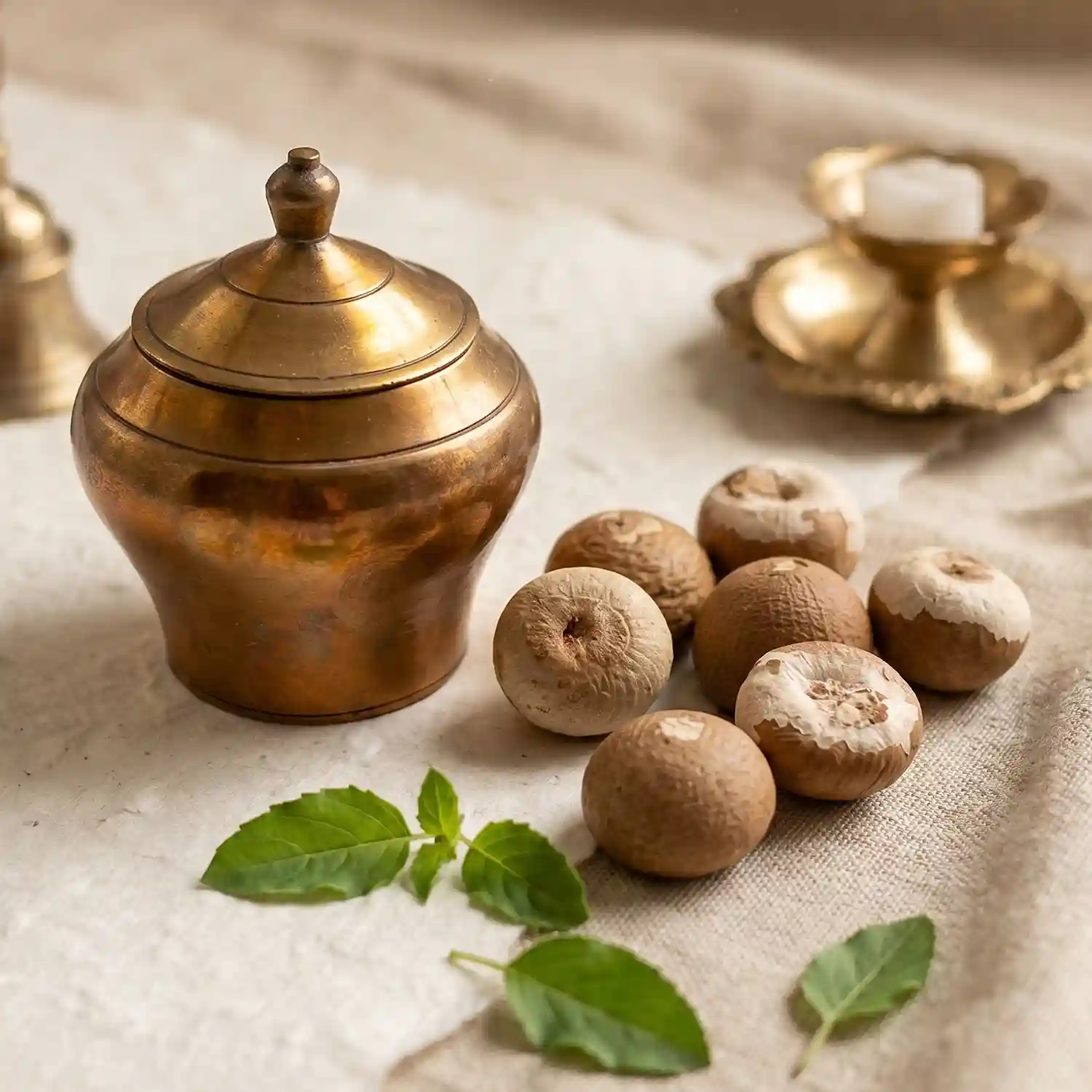
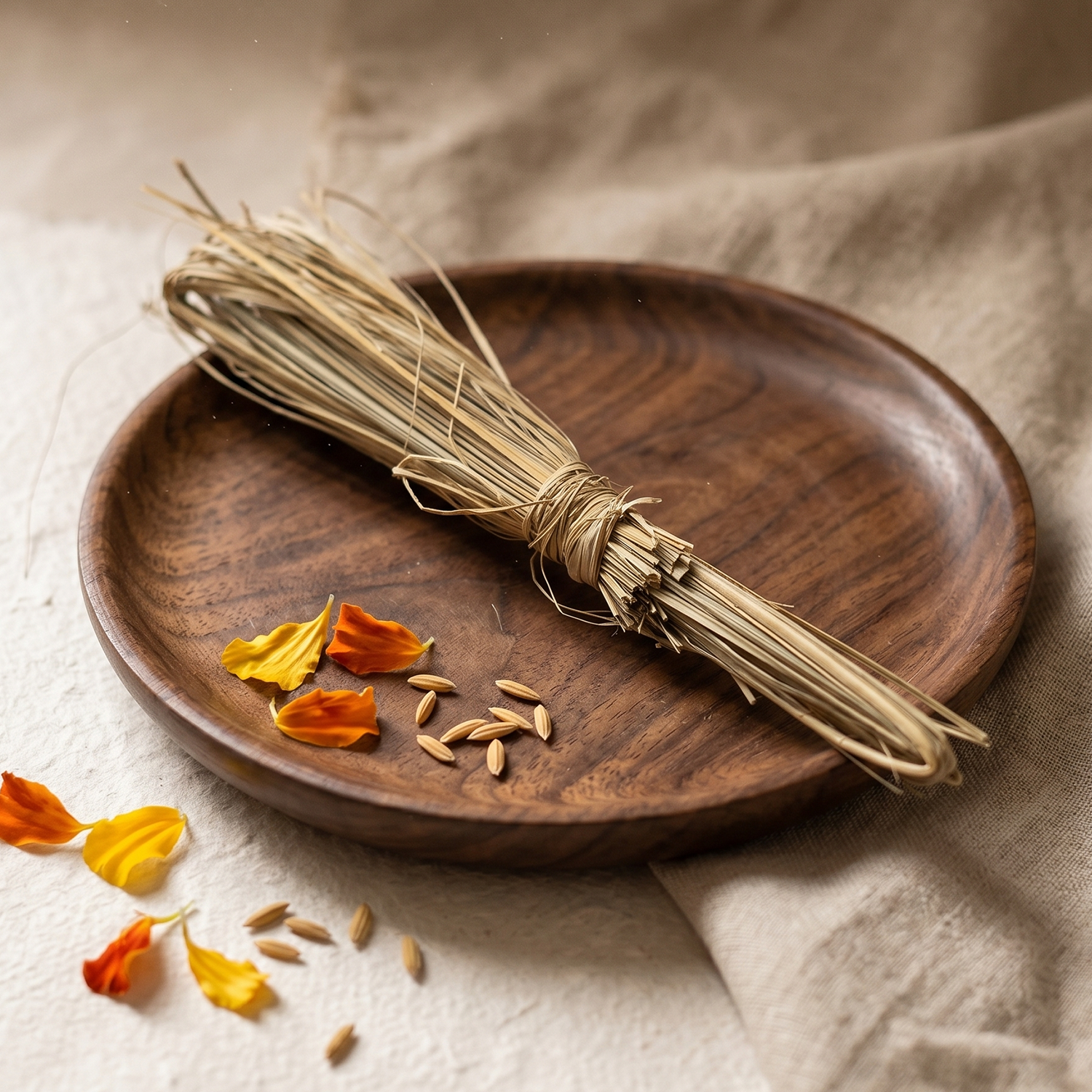
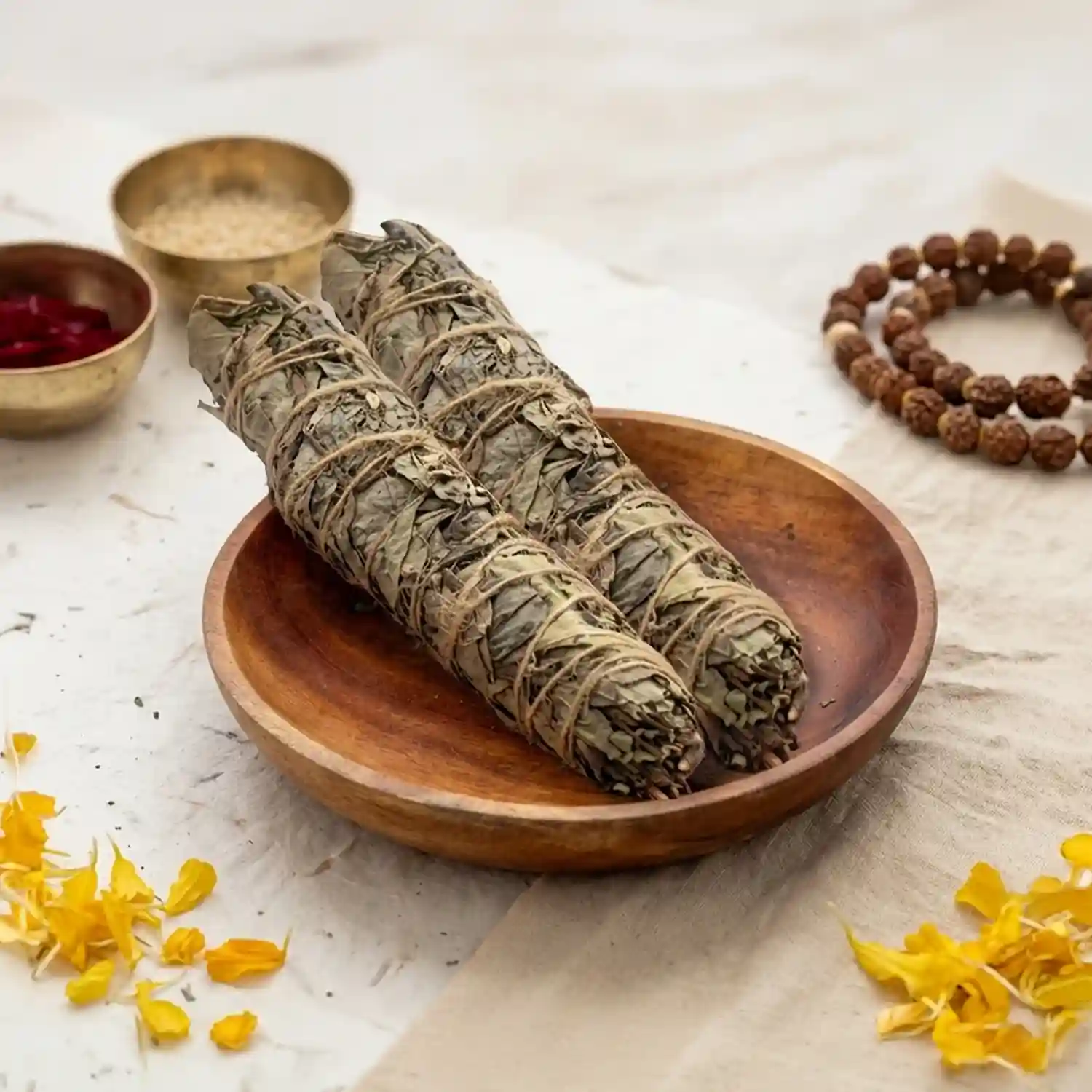
- The kit features a large, traditional Madhu Parker Bati to present the sweet Madhuparka (honey offering) during the 16-step sequence. To transition into the Grand Pandal Havan, a scripturally complete Tambula containing Supari, Clove, Green Cardamom, and Haritaki must be offered to close the food protocols (Naivedya). The priest can then seamlessly initiate the fire using Kusha Grass, Bel Kath, White Homa Cheli, and Havan Samagri to permanently seal the neighborhood's long-term prosperity.