

2_2_11zon.webp)
_11zon.webp)

_2_11zon.webp)
.webp)


_11zon.webp)
_11zon.webp)

Frequently Asked Questions
- Q1: What does Goddess Jagadhatri represent, and why is Her worship so important for our local community?
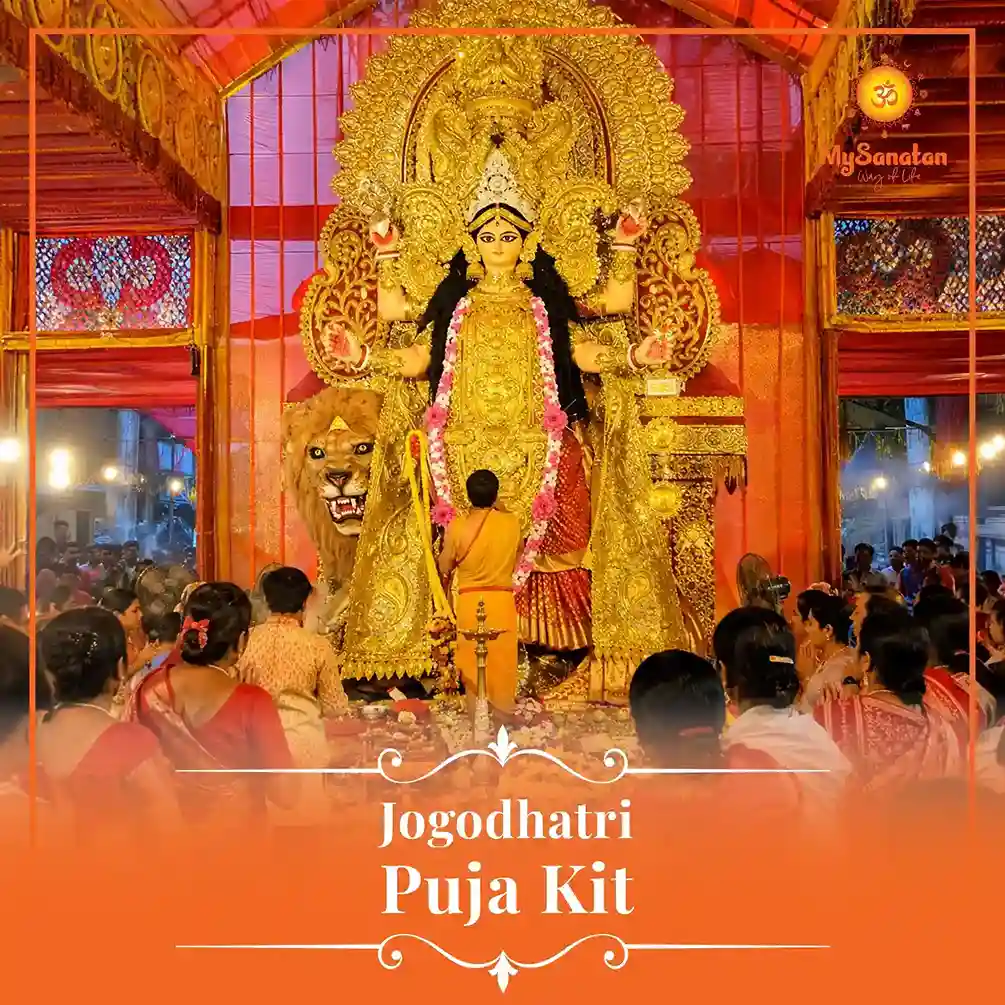
- For Beginners: Goddess Jagadhatri is the "Sustainer of the World." She is famously depicted taming a wild elephant demon (Karindrasura). In a community context, this wild elephant represents unchecked human ego, selfishness, and materialism. By worshipping Her in a grand public Pandal, the community invokes Her power to tame local conflicts and massive egos. As highlighted in the Vedic NityaKarma, large-scale communal worship and fire rituals foster a spiritual atmosphere filled with mutual harmony (Sahyog), compassion (Daya), and absolute peace (Shanti) for the entire society.
- Q2: We noticed this kit includes "Dashamrittika" (10 Sacred Soils). How is this different from the Durga Puja kit?
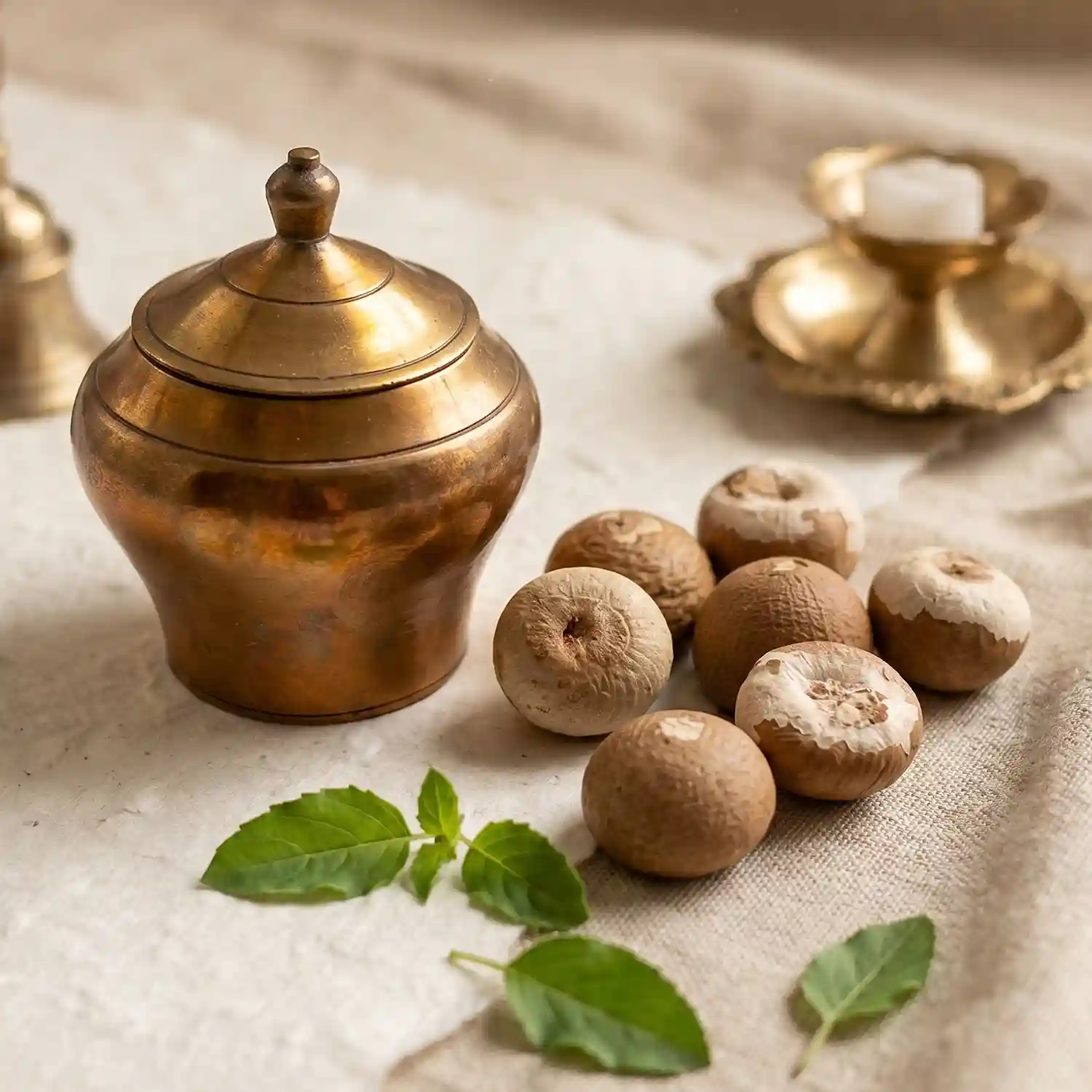
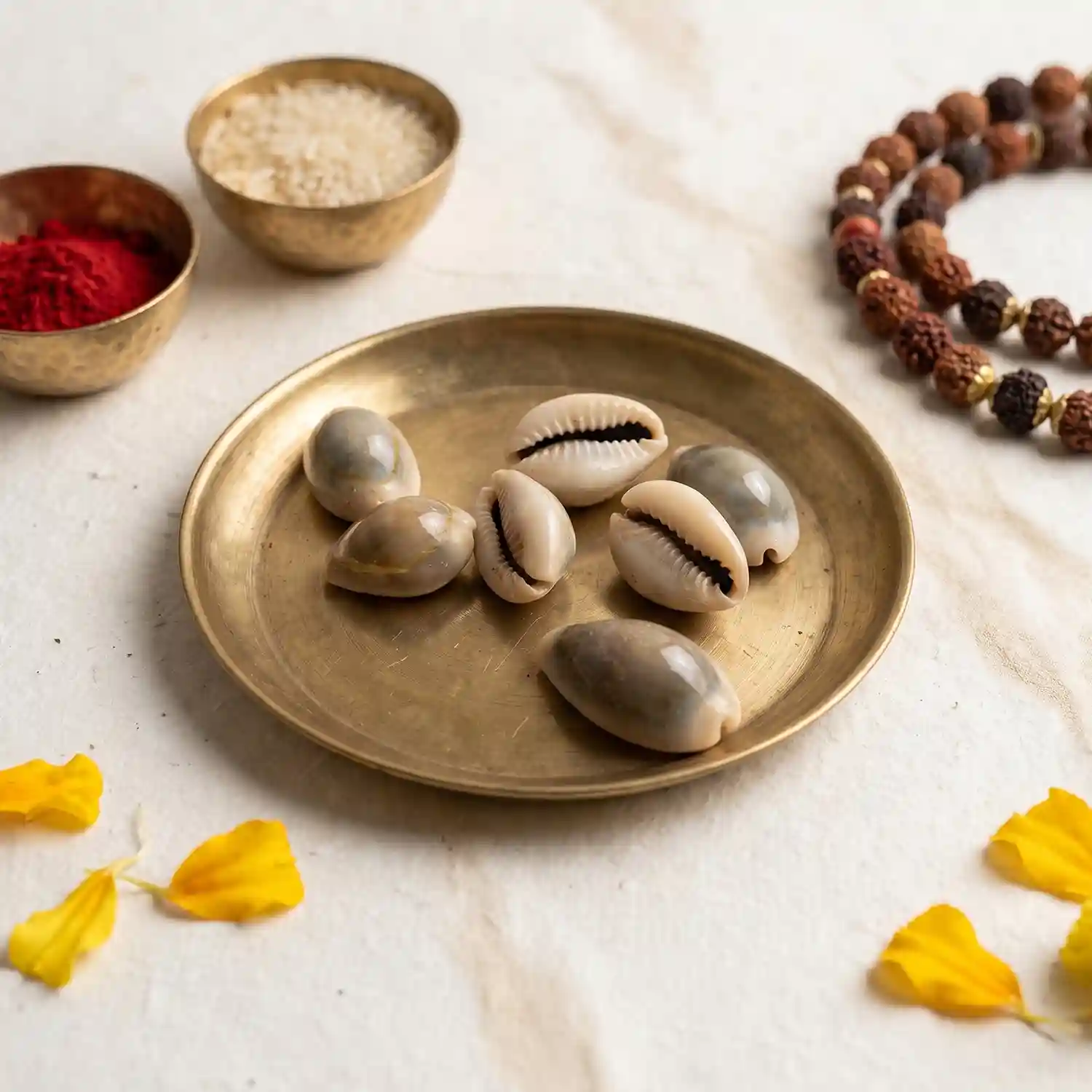
- For Experienced Priests & Scholars: This is a crucial distinction that expert priests will immediately recognize! While Mother Durga's royal bath traditionally utilizes the Sapta Mrittika (7 Sacred Soils), the supreme Mahasnana for Goddess Jagadhatri specifically demands the Dashamrittika (10 Sacred Soils). The compiler of the Purohit Darpan created his manual to serve as an uncompromising reference guide so that priests could perform the rites accurately and beautifully. By providing the exact 10 soils in this kit, we ensure the Pandit never has to compromise, substitute, or scale down this highly specific Tantric requirement!
- Q3: The Pandit will be chanting complex Sanskrit mantras for the Mahasnana and Havan. How can our Pandal committee truly participate?
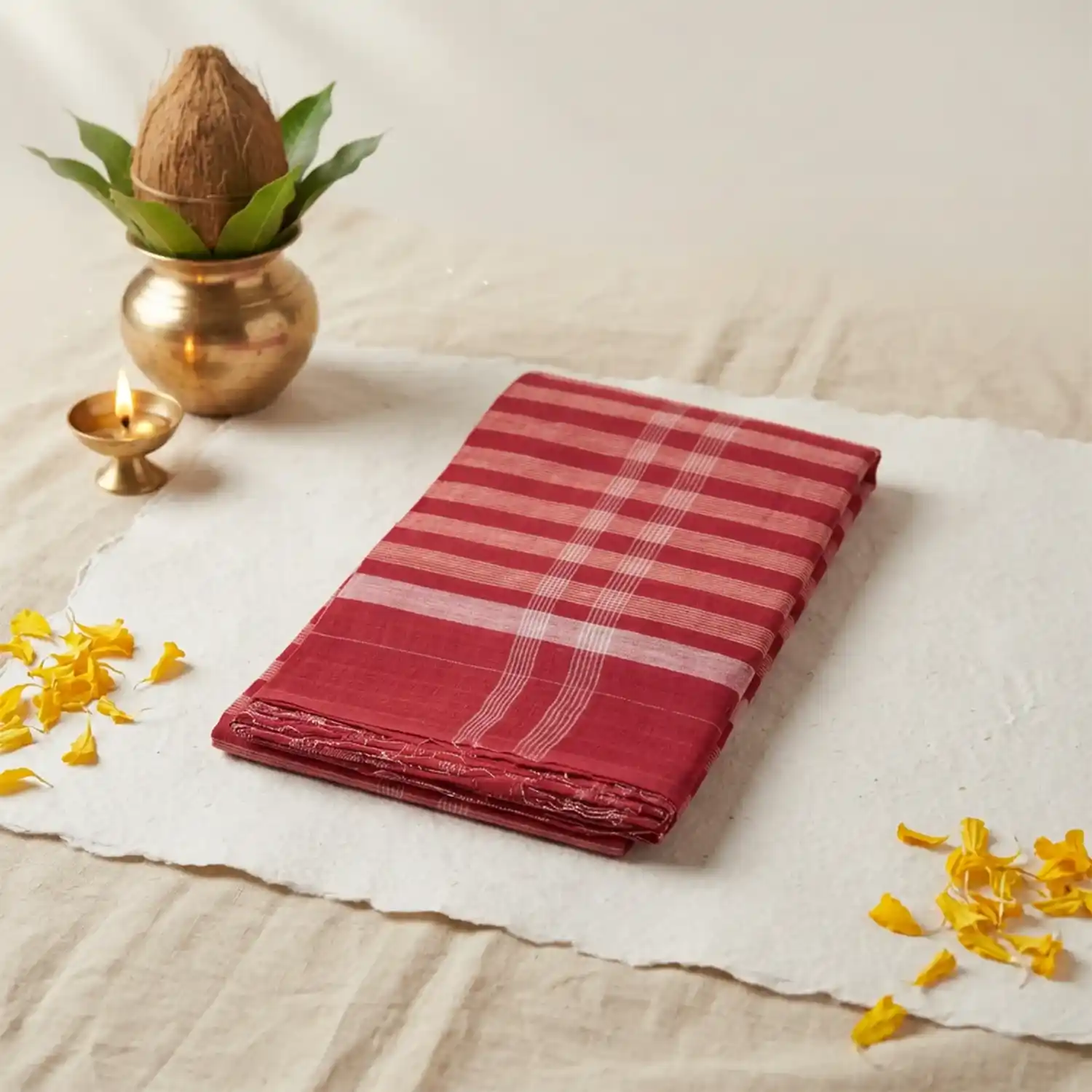
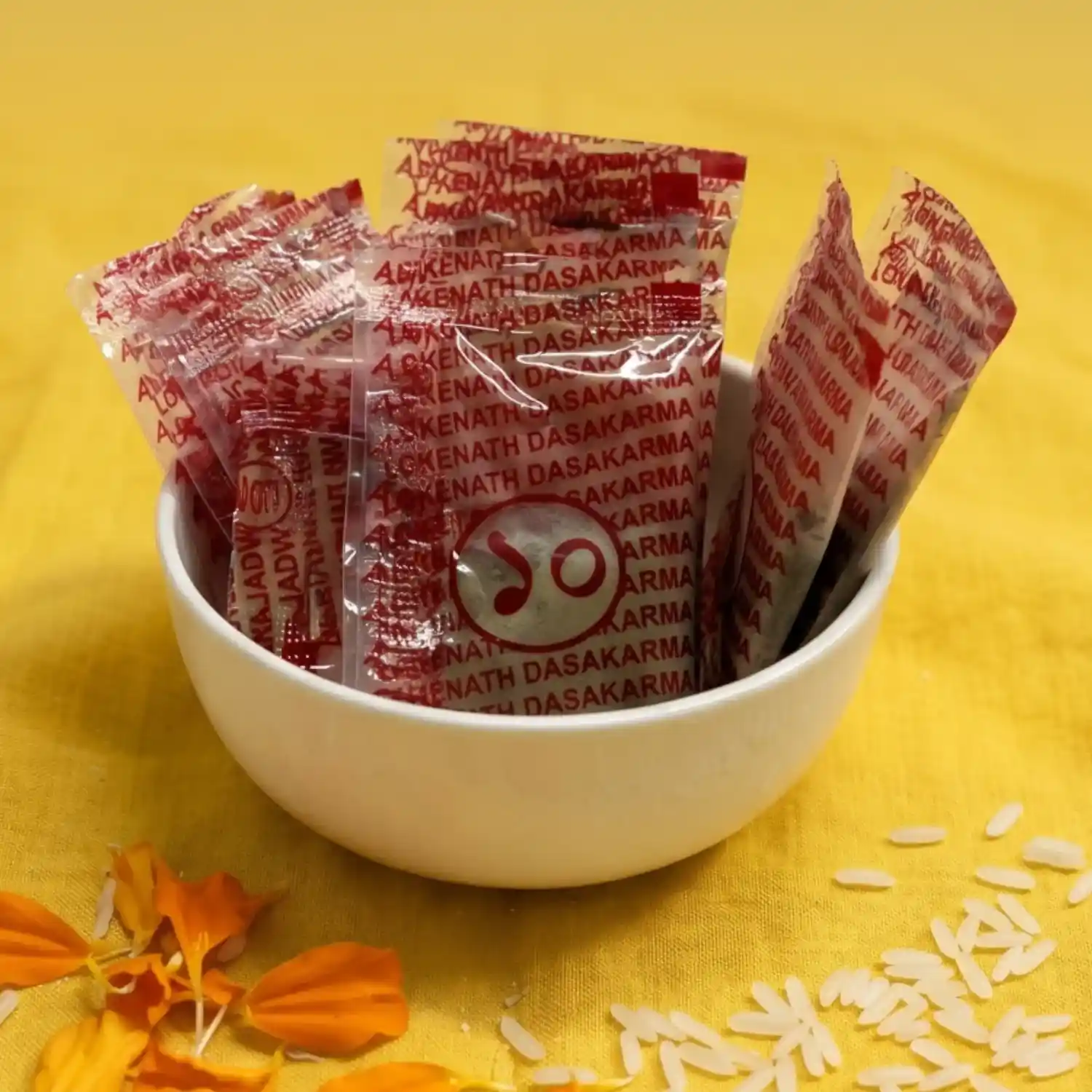
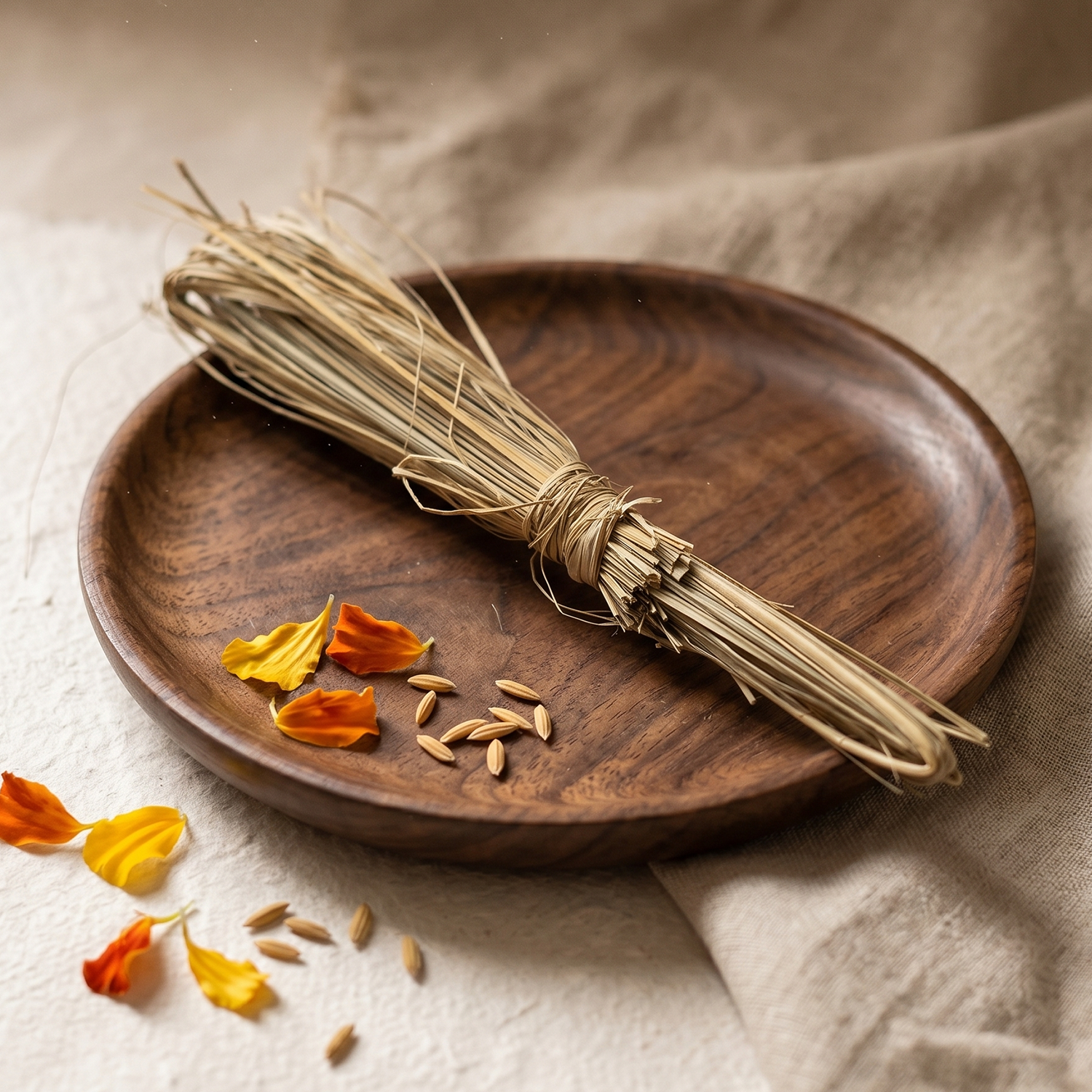
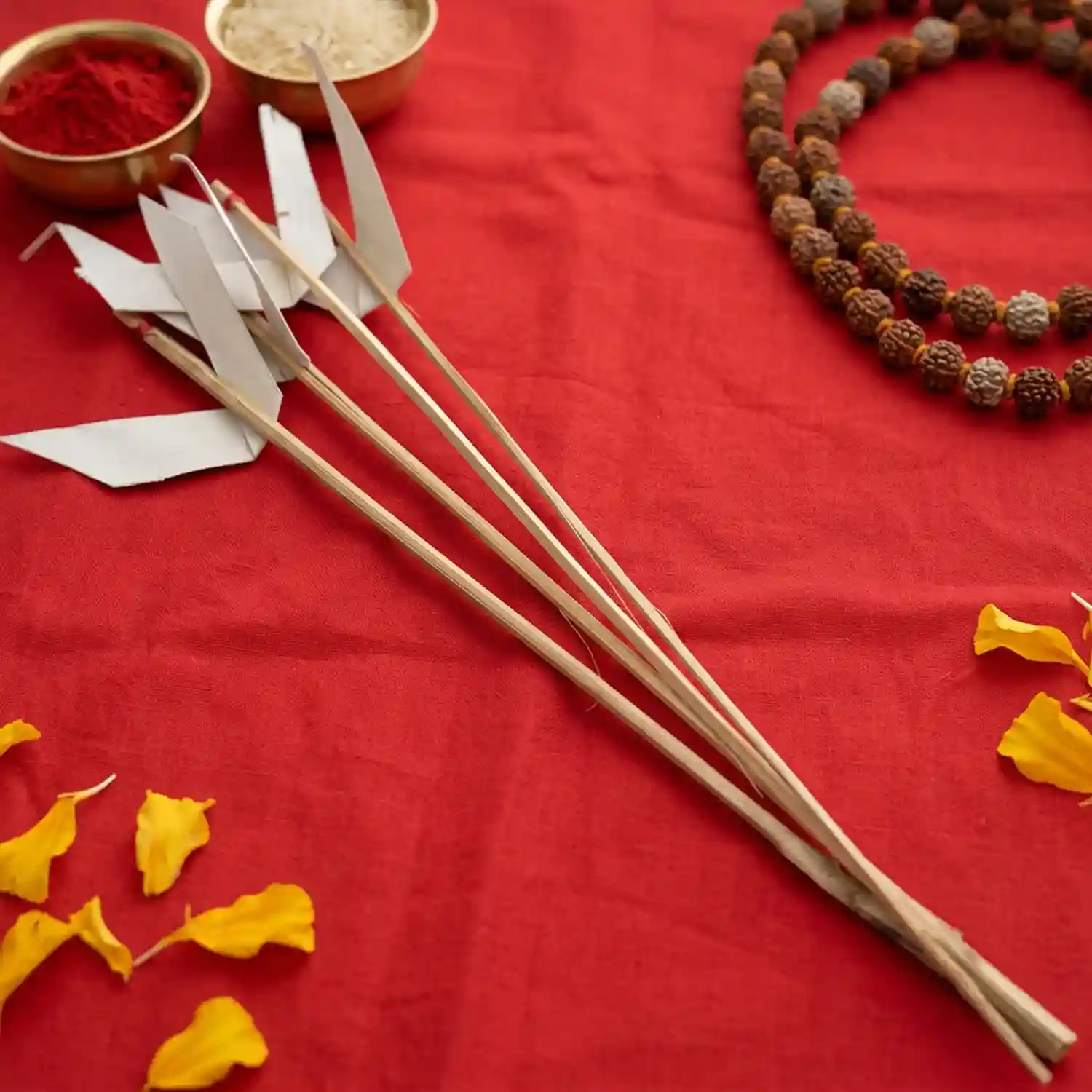
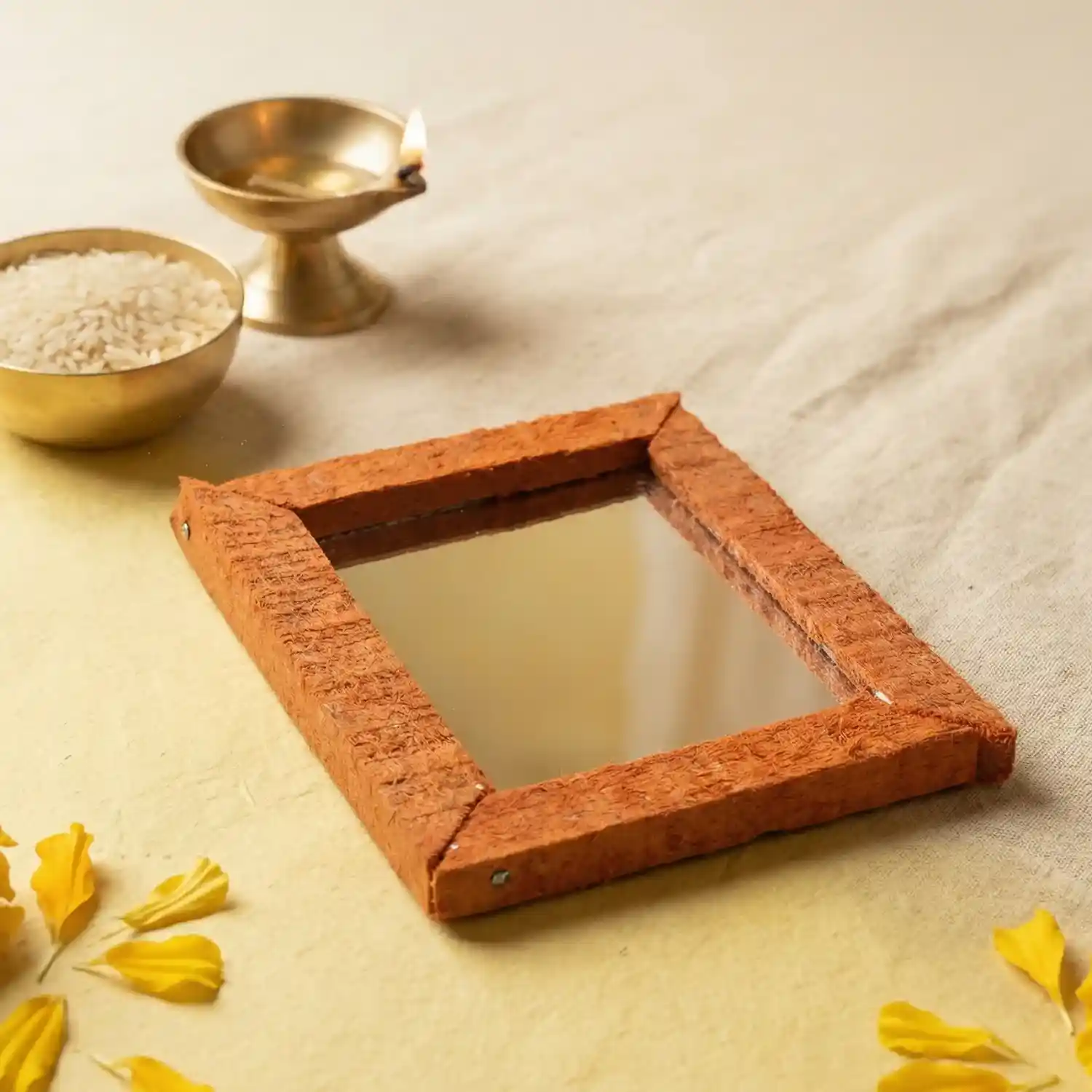
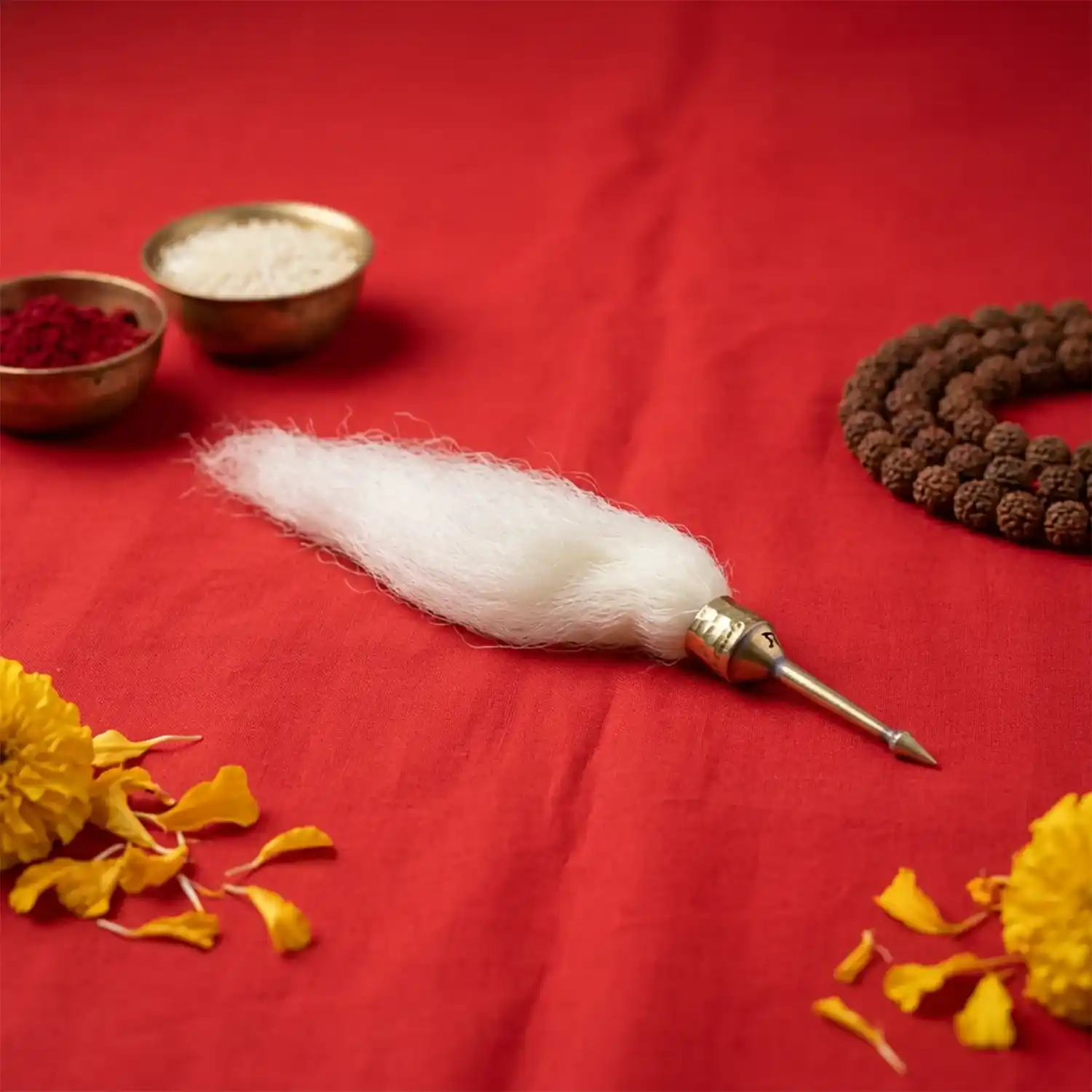
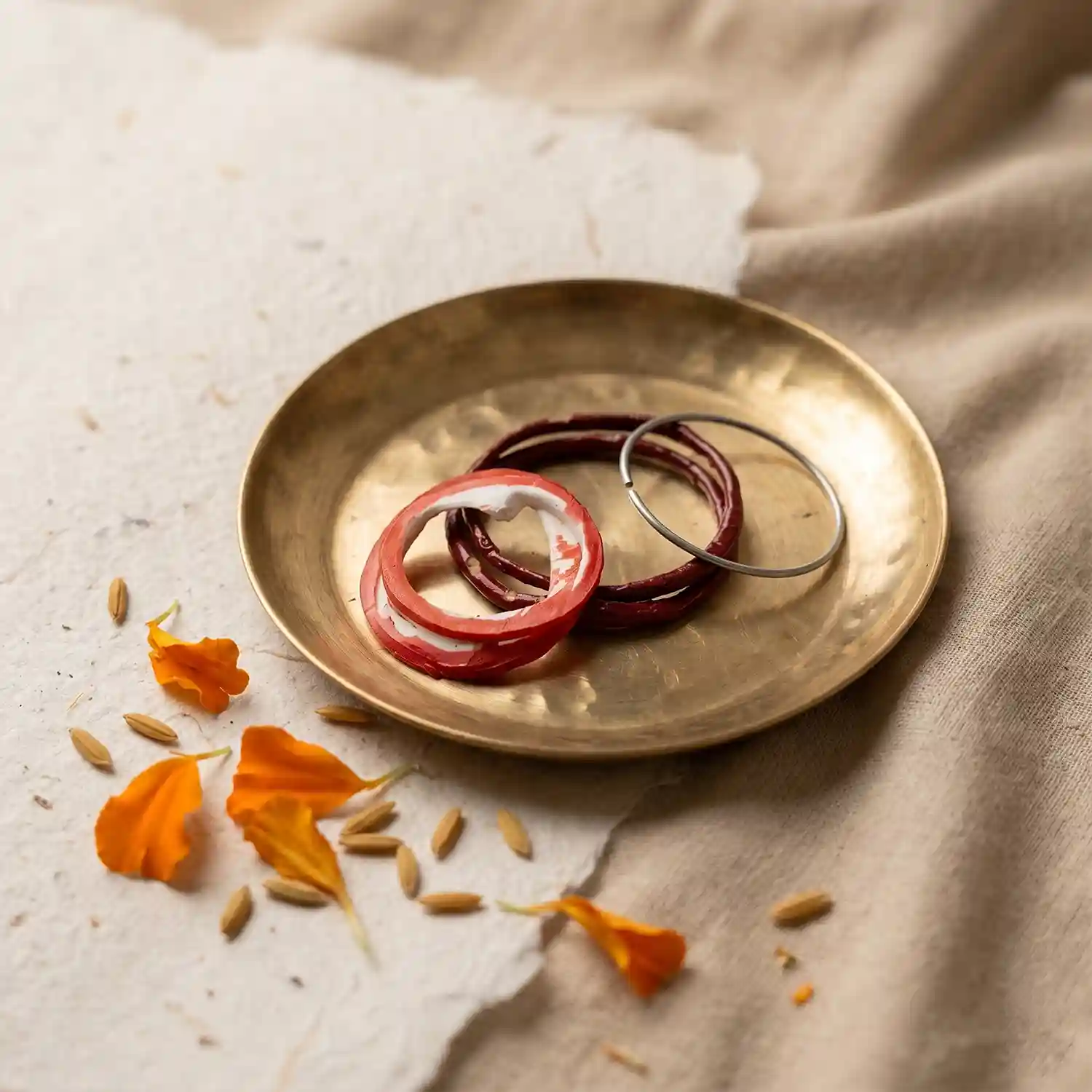
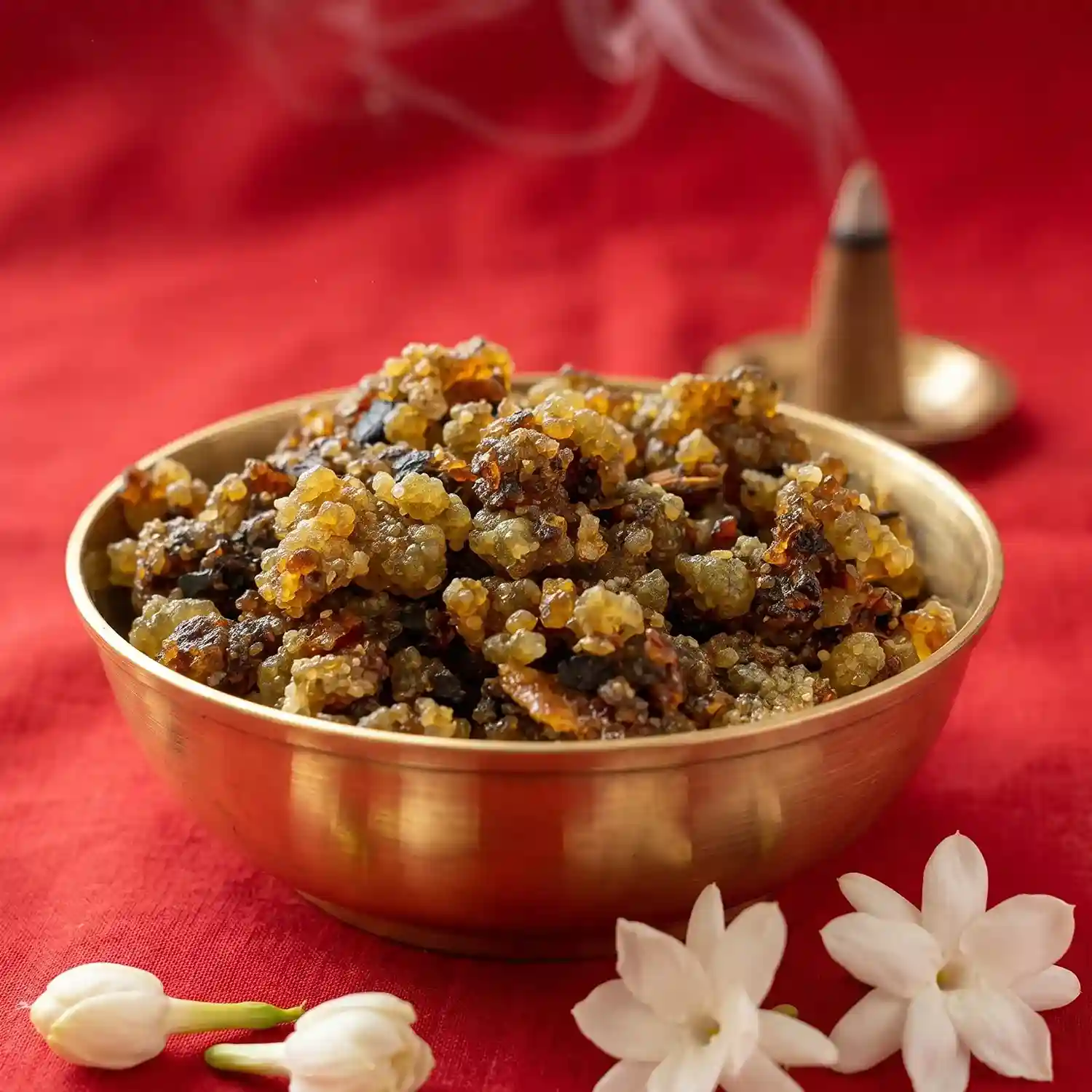
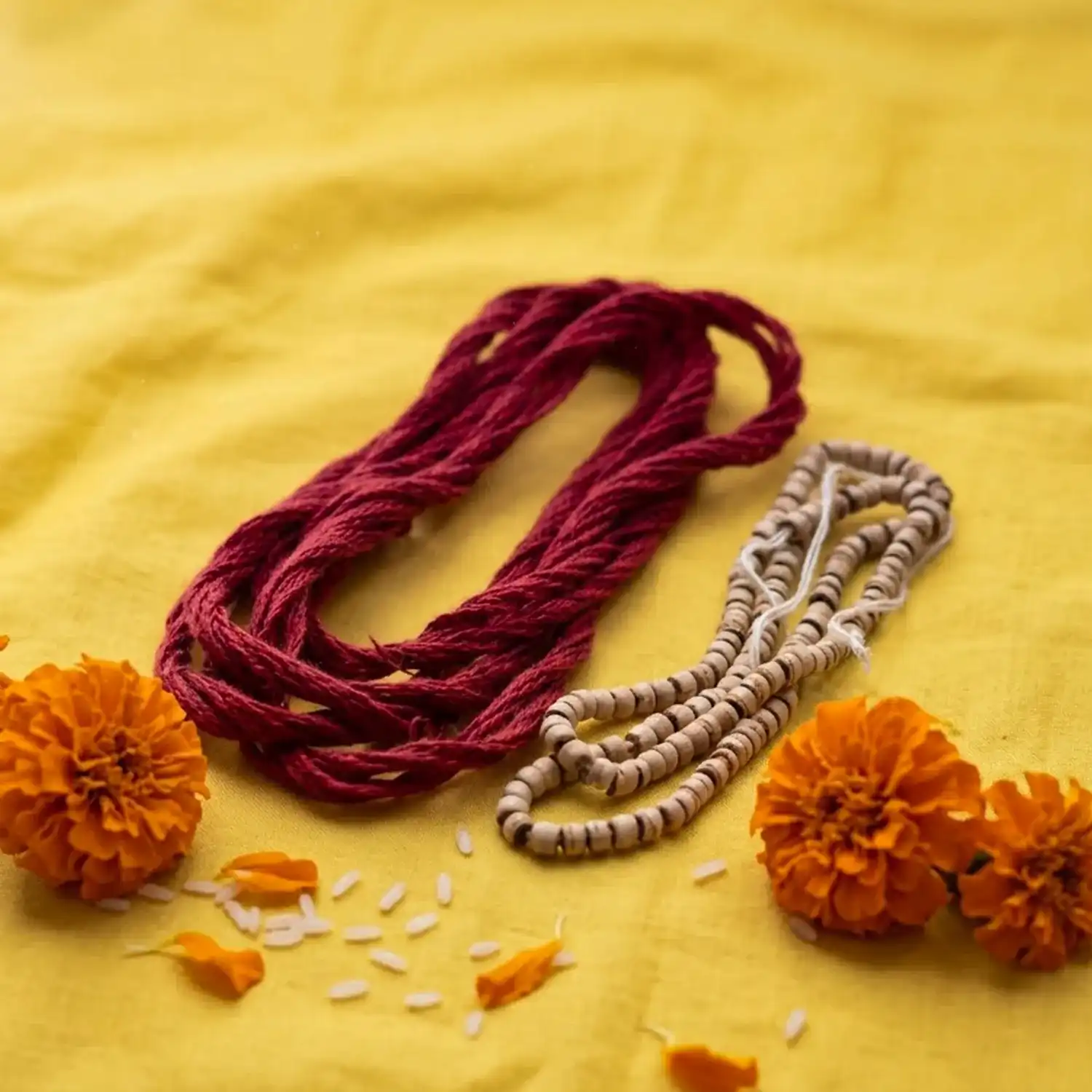
- For Beginners (Sponsors/Yajamanas): You do not need to know Sanskrit to reap the spiritual benefits! Historically, the author of the Dash Karma Paddhati purposefully translated complex procedures into vernacular languages (Bhashanuvaad) specifically so that ordinary householders could easily understand the sacraments and actively participate. We designed this transparent, pre-packed kit with that exact same philosophy. Even if you cannot recite the mantras, having the labeled items in front of you—like the Bet Mala, Pancha Karai, and Ghumsi—allows you to visually follow along, understand the profound meaning of the offerings, and actively engage in the sacrament rather than just blindly watching.
- Q4: Why does a Community Pandal kit include such a massive, 500-gram Havan Samagri inventory compared to a home kit?
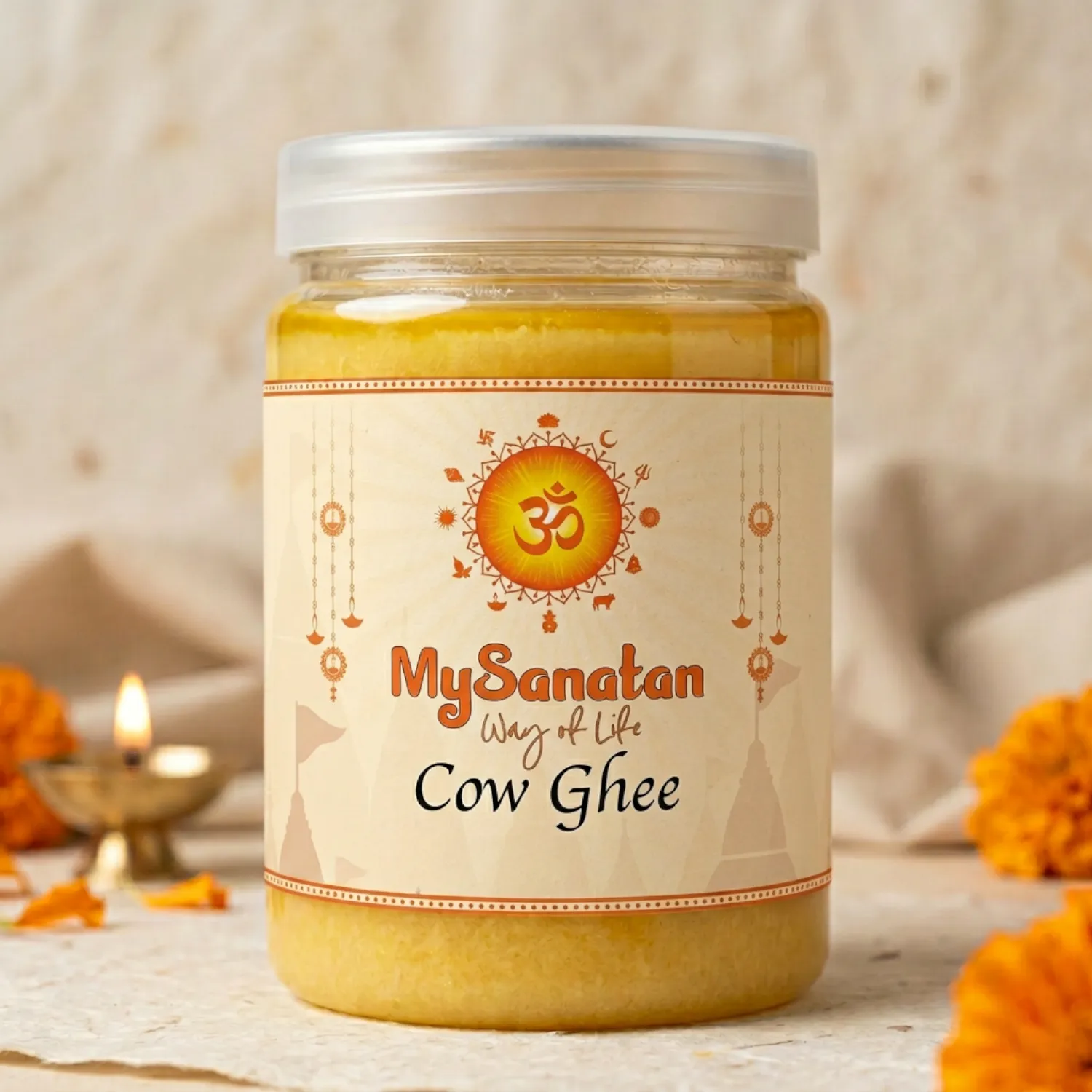
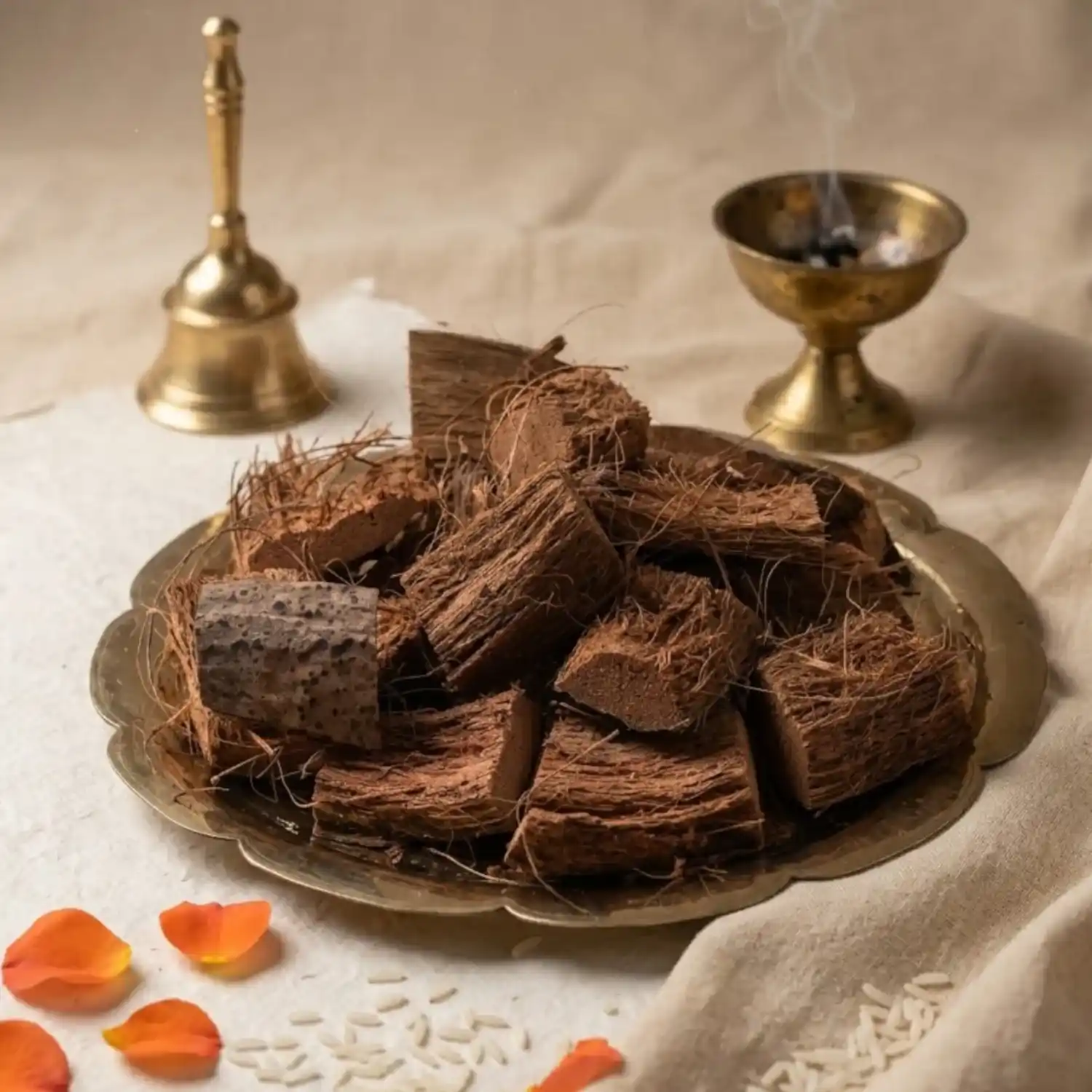
- For All Practitioners: A massive community Pandal accommodates hundreds of people, which naturally brings a heavy influx of mixed energies. According to the Vedic NityaKarma, a sacred fire ritual (Yajna) is not just a symbolic act; it physically and spiritually cleanses the environment, creating a "spiritual atmosphere" that eradicates physical diseases and mental distress from the locality. The massive volume of sacred wood (Bel Kath), Cow Ghee, and Havan Samagri provided in this kit ensures the priest can generate a deeply purifying, protective energy shield over the entire neighborhood!
- Q5: Can our committee just ask the priest to do a simple 5-step puja to save time on the main festival day?
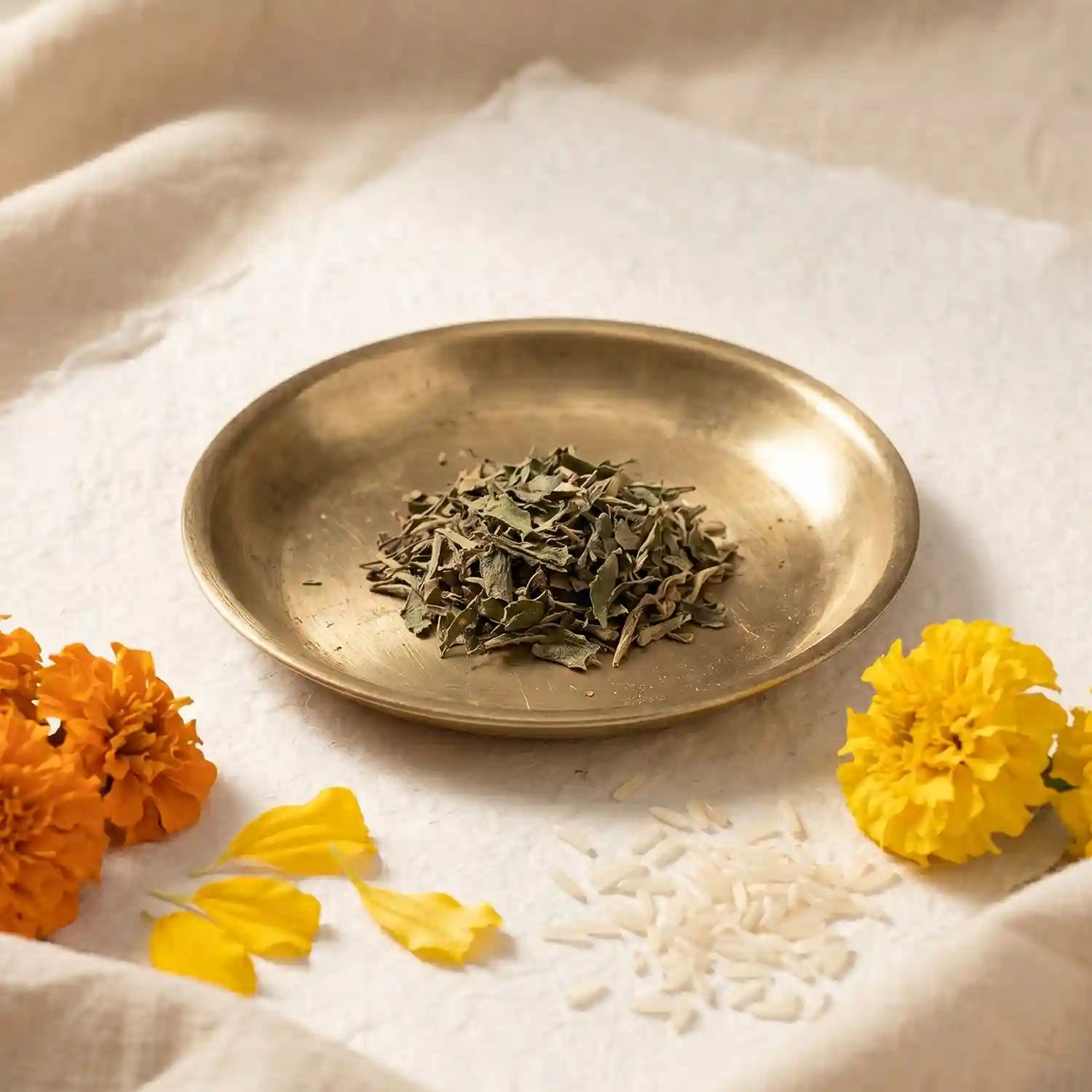
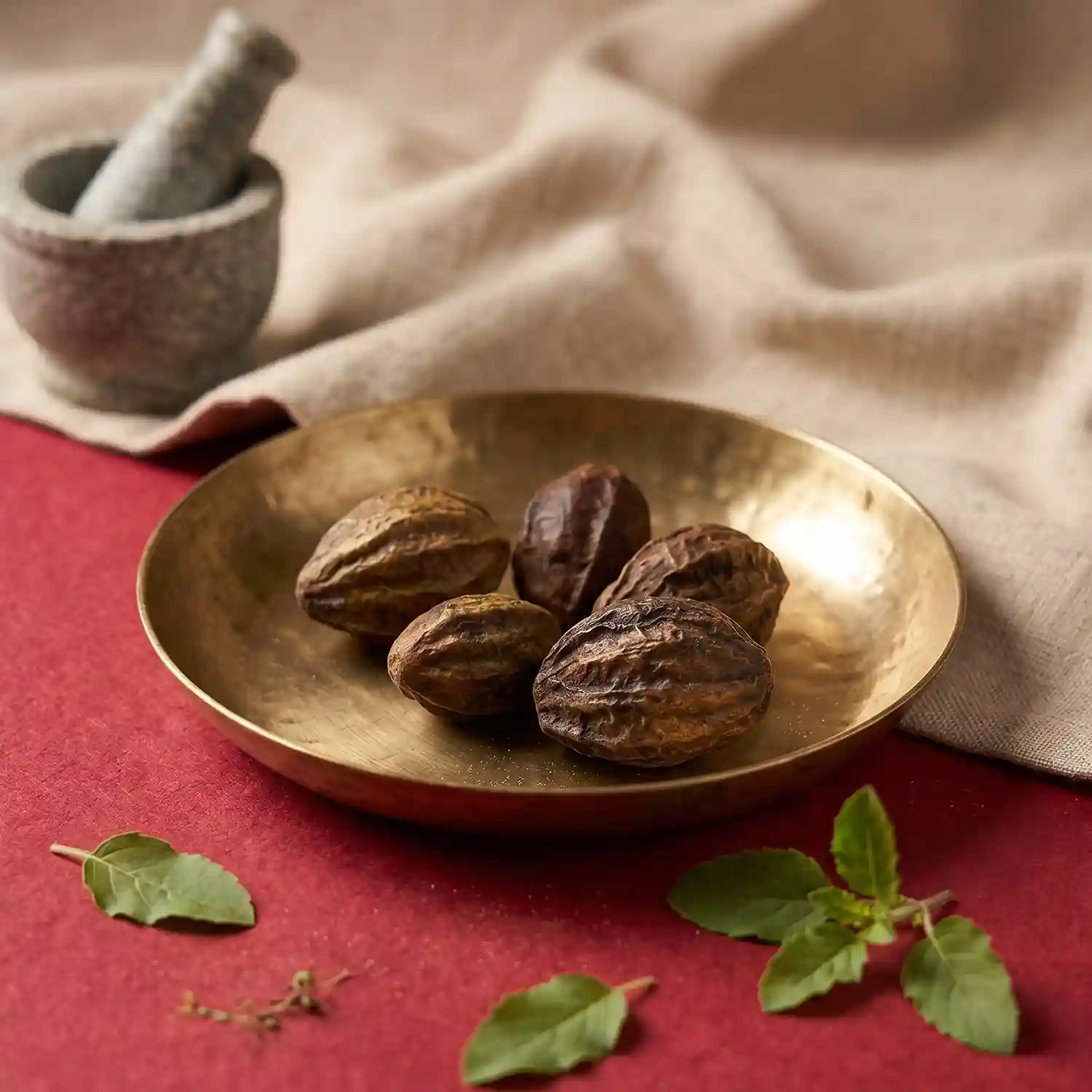
- For Experienced Devotees: No, scaling down is not scripturally permitted for a grand public Pandal. While a quick 5-step (Panchopachar) method is perfectly acceptable for daily home worship, inaugurating a massive community Jagadhatri Pandal demands the absolute highest standard of divine royal hospitality: the 16-step worship (Shodashopachar). By definition, this royal standard requires exactly 16 specific offerings to be perfectly fulfilled. This is why we have inherently included the mathematically perfect Tambula (Haritaki, Supari, Clove, Cardamom) in this kit—it is the mandatory 16th offering required to sweeten the Goddess's mouth at the conclusion of the royal rites.