

_11zon.webp)

_14_11zon.webp)
_11zon.webp)
_11zon.webp)
_11zon.webp)
_9_11zon.webp)



Frequently Asked Questions
- Q1: I see both "Long" and "Round" cotton wicks in the kit. When do I use which?
- The two types of wicks serve different purposes during the rituals:
- Round Cotton Wicks (Phool Batti): These are traditionally used in smaller clay or brass diyas filled with Ghee for daily prayers or when offering individual lamps during the Shodashopachar (16-step) worship.
- Long Cotton Wicks: These are preferred for larger lamps or when lighting the main akhand jyoti, and are frequently used with Mustard Oil to ensure a steady, long-burning flame throughout the extended pandal rituals.
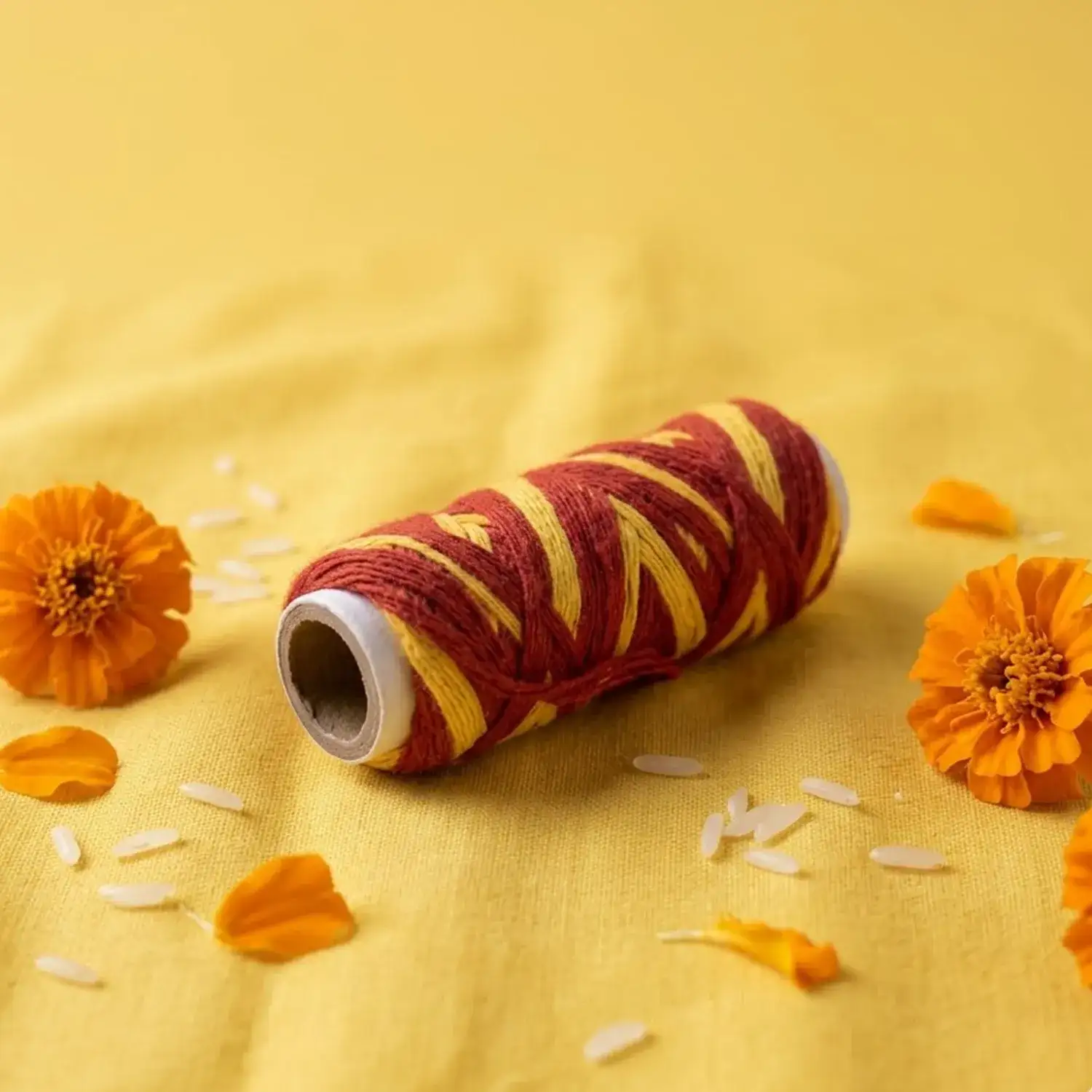
- Q2: Why is there a specific "Yellow Janeu" and "Yellow Moli Dhaga" instead of the standard red ones?
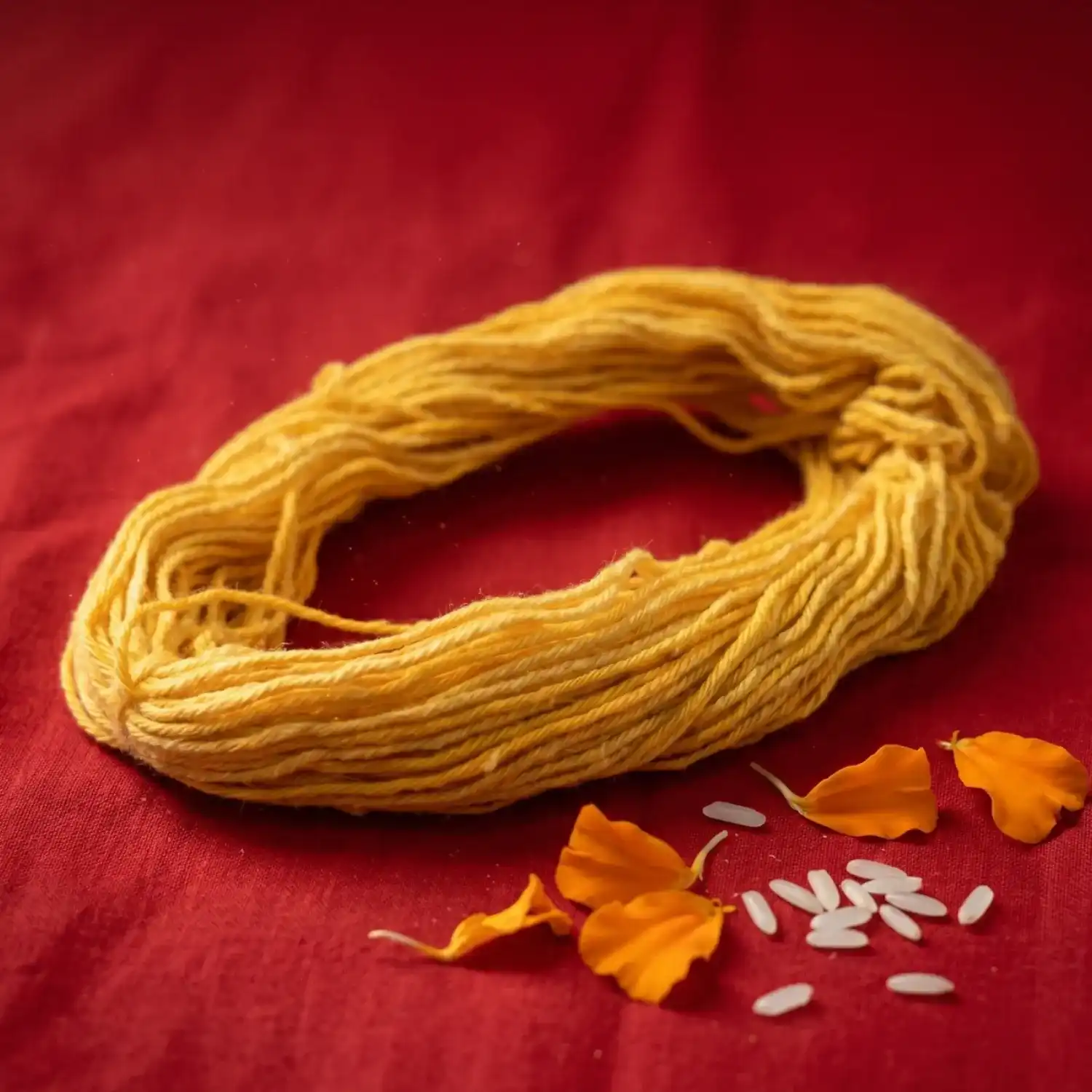
- Yellow is the highly auspicious color associated with Lord Ganesha, representing wisdom, learning, and the activation of the intellect. While red represents raw energy (Shakti), the Yellow Janeu (sacred thread) and Yellow Moli Dhaga are specifically included to honor Ganesha’s role as the lord of supreme knowledge and intellect (Buddhi).
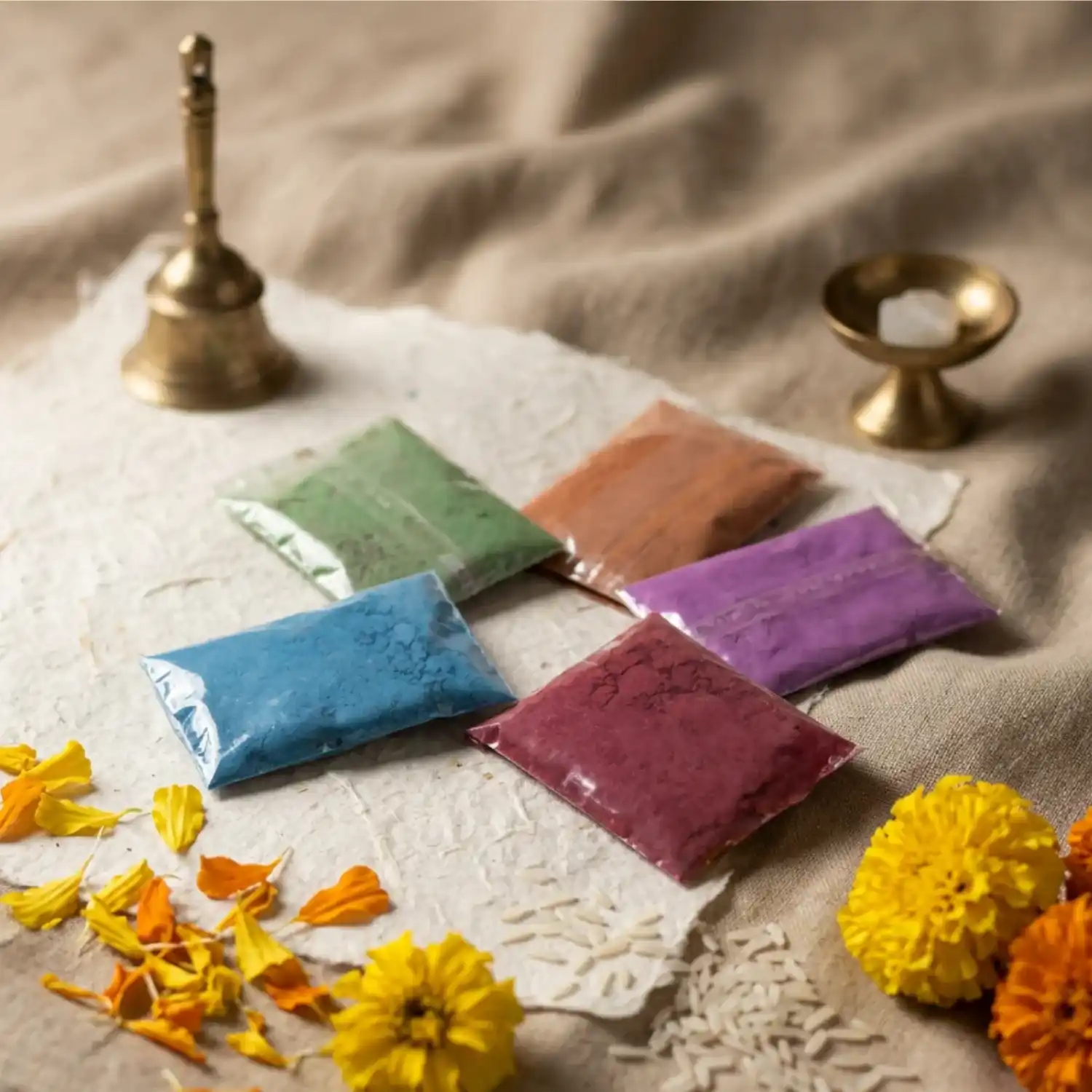
- Q3: What should I do with the "Pancha Rang" (Five Colours) included in the kit?
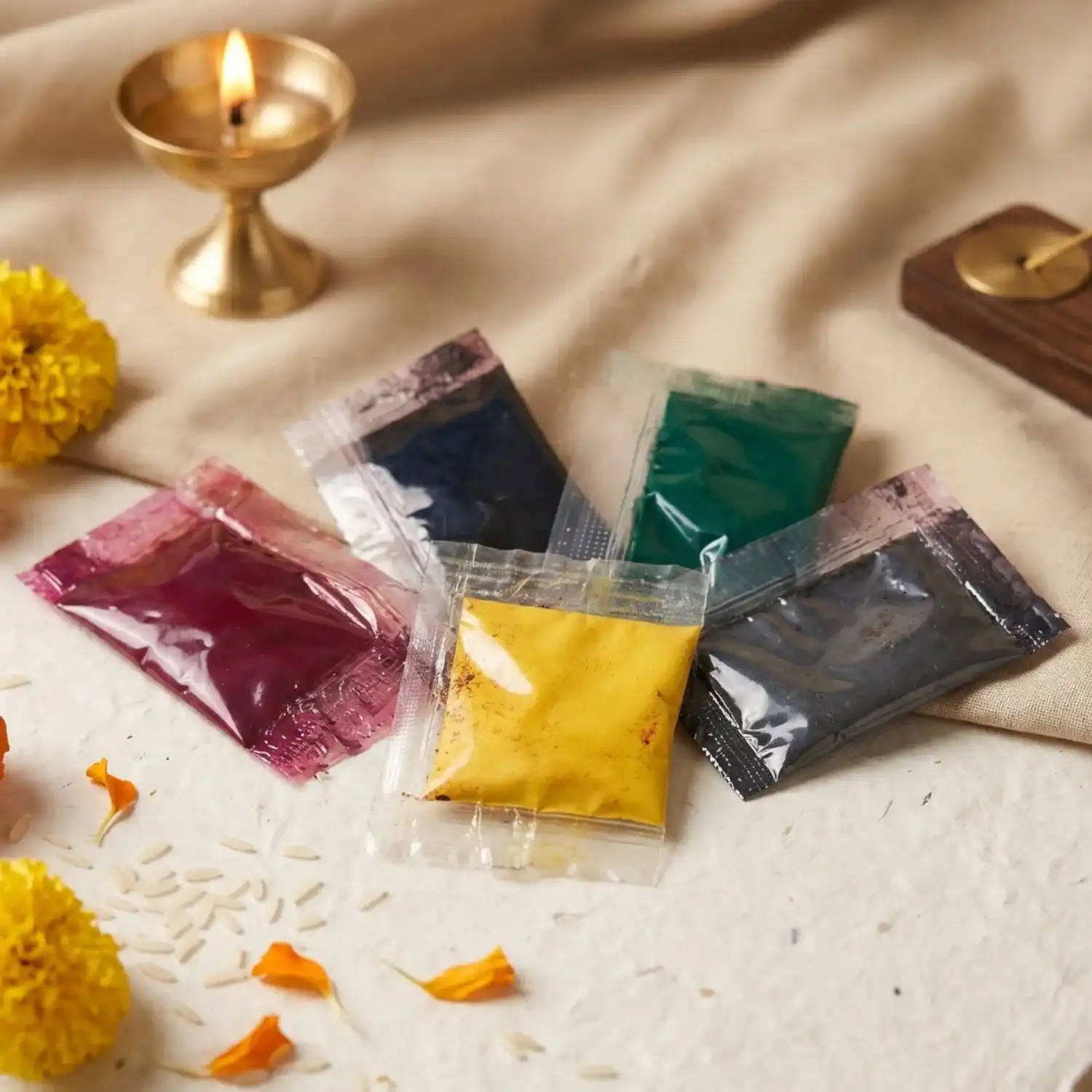
- The Pancha Rang powders are meant for creating the Rangoli or Sandhya Mandala at the entrance of the Pandal or directly in front of the main Puja Place. This acts as a vibrant, welcoming geometry for the deity and a visual marker of celebration for the community.
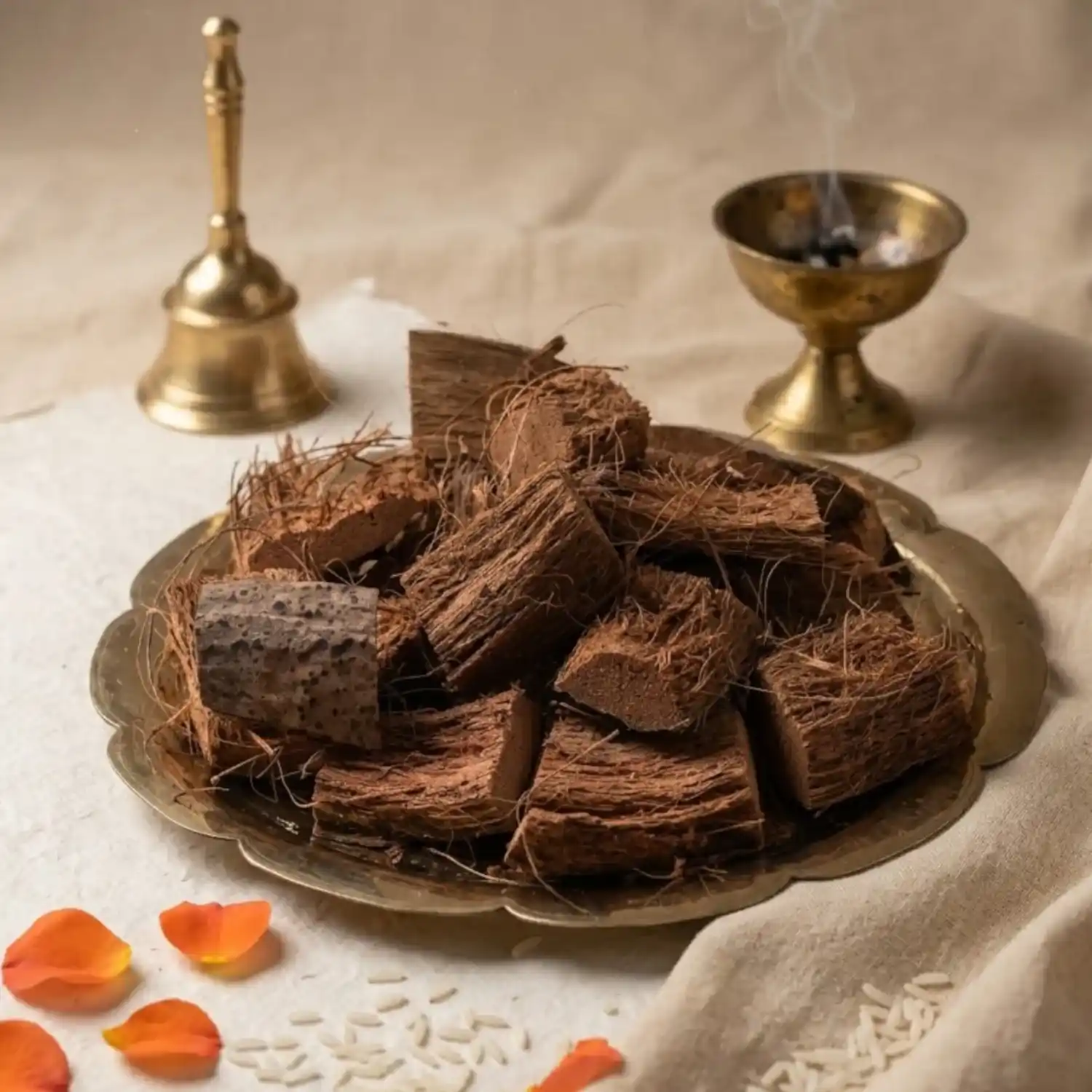
- Q4: There is a "Chhobra" (Dry Coconut Husk) listed. Is this for an offering or a ritual step?
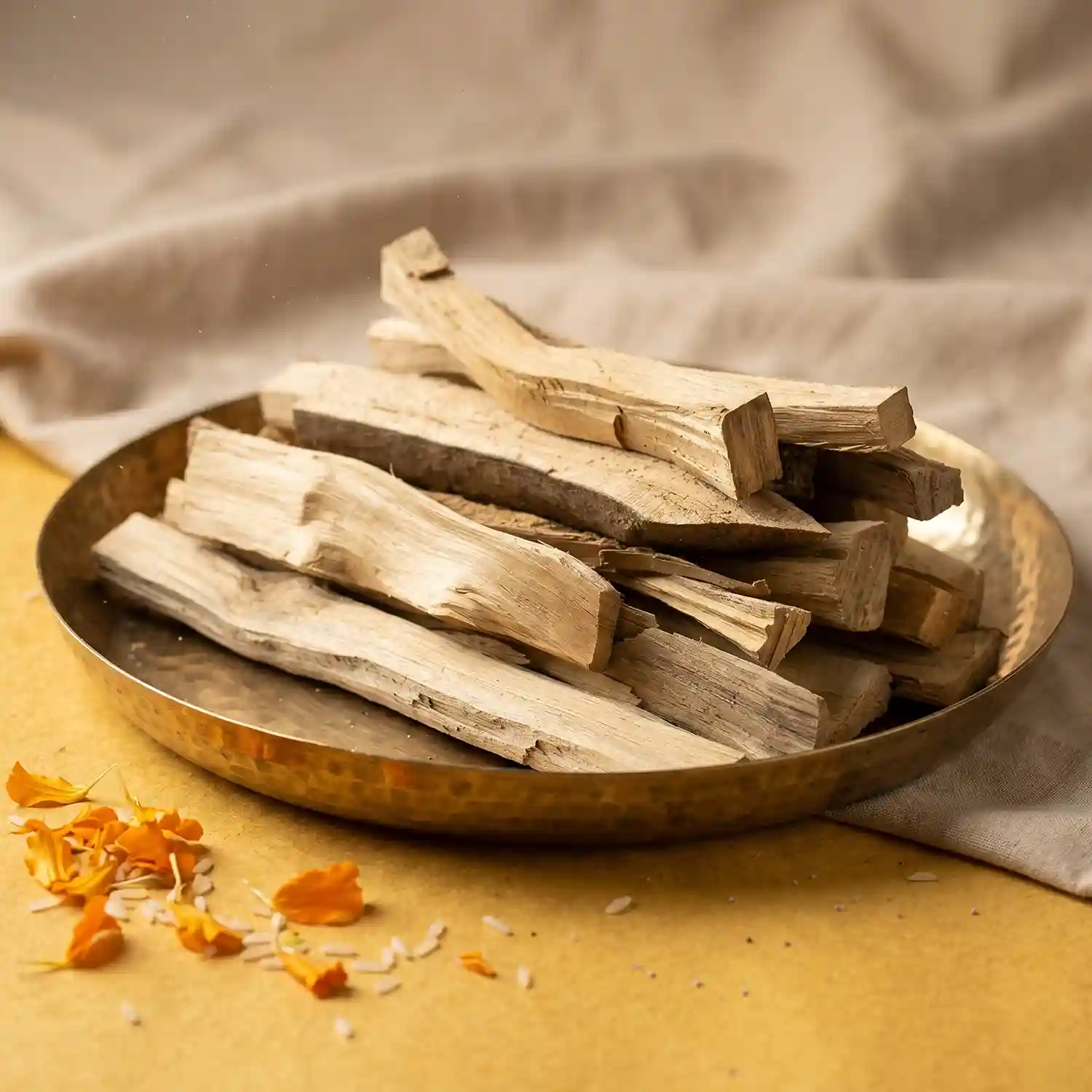
- The Chhobra is not a food offering. It is used as a natural, highly effective fire starter for the Havan. Because it catches fire quickly and cleanly, the priest will use it to easily ignite the dense Bel Kath (Bael wood) logs when transitioning to the fire ceremony.
- Q5: How exactly are the Yellow Mustard Seeds used to "lock the community's protective boundary" in Step 2?
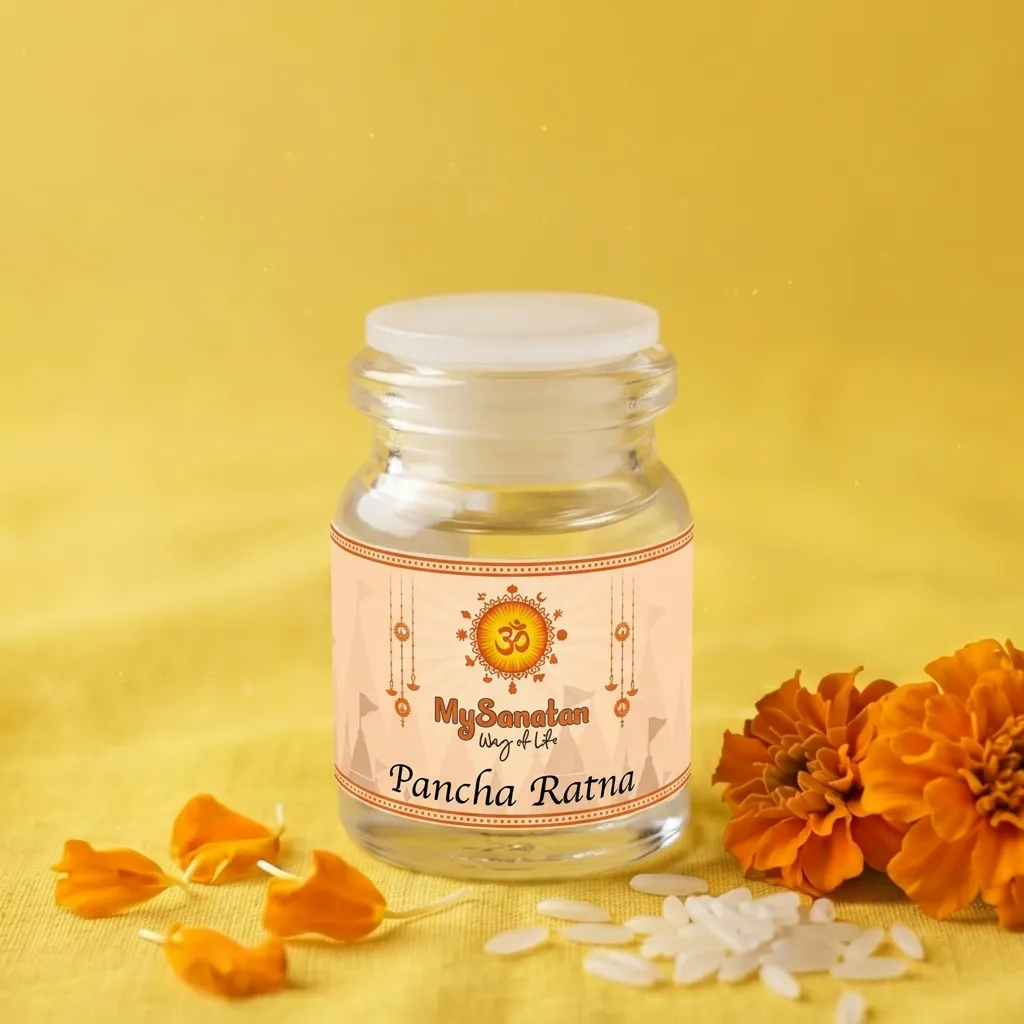
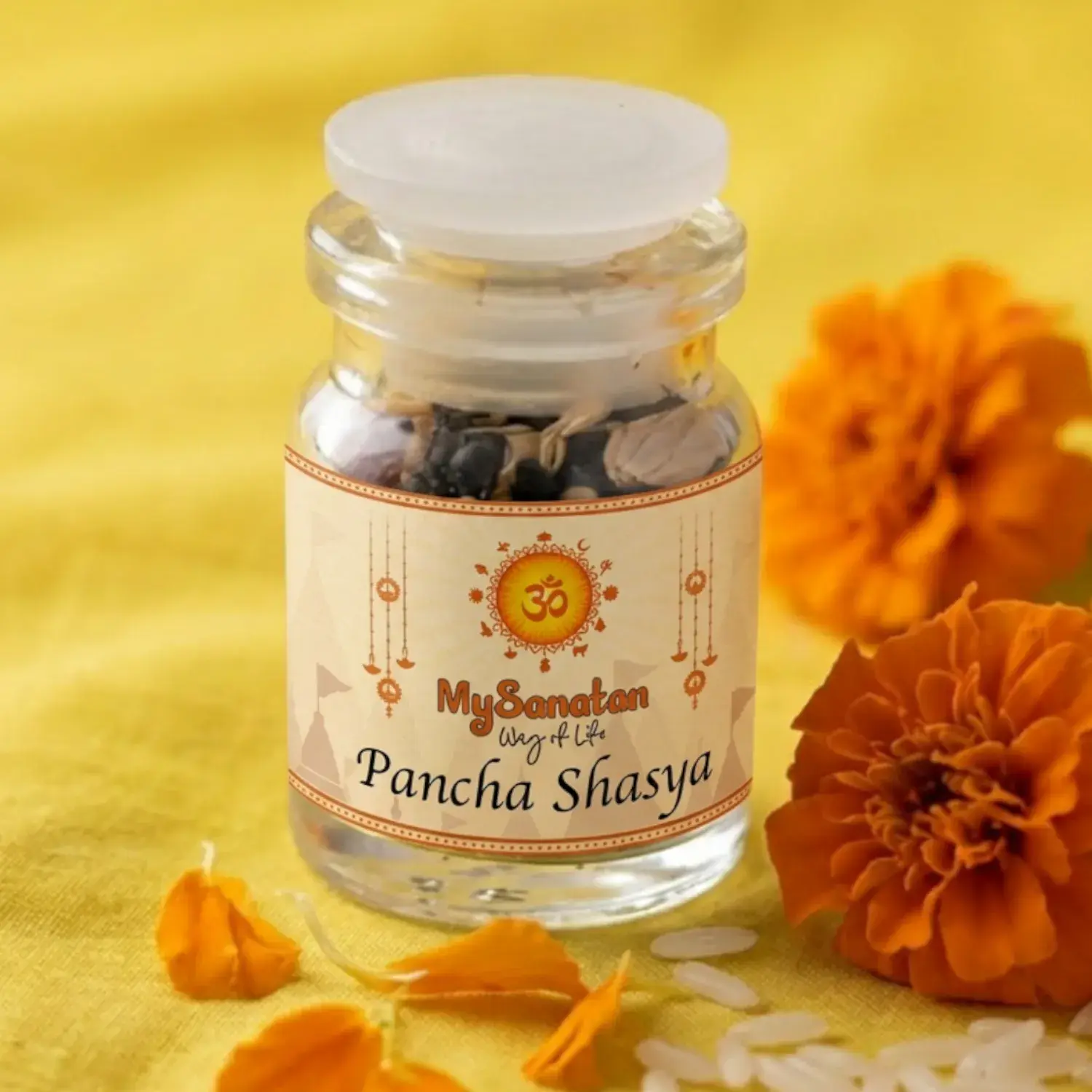
- During the Ghat Installation, after the sacred vase is placed over the Pancha Sashya (five grains), the priest performs the Digbandhana (binding of directions) ritual. You will chant protective mantras while physically scattering the Yellow Mustard Seeds (Peeli Sarson) in all eight directions around the perimeter of the Pandal. This scripturally seals the sacred space against negative elementals or spiritual disturbances.
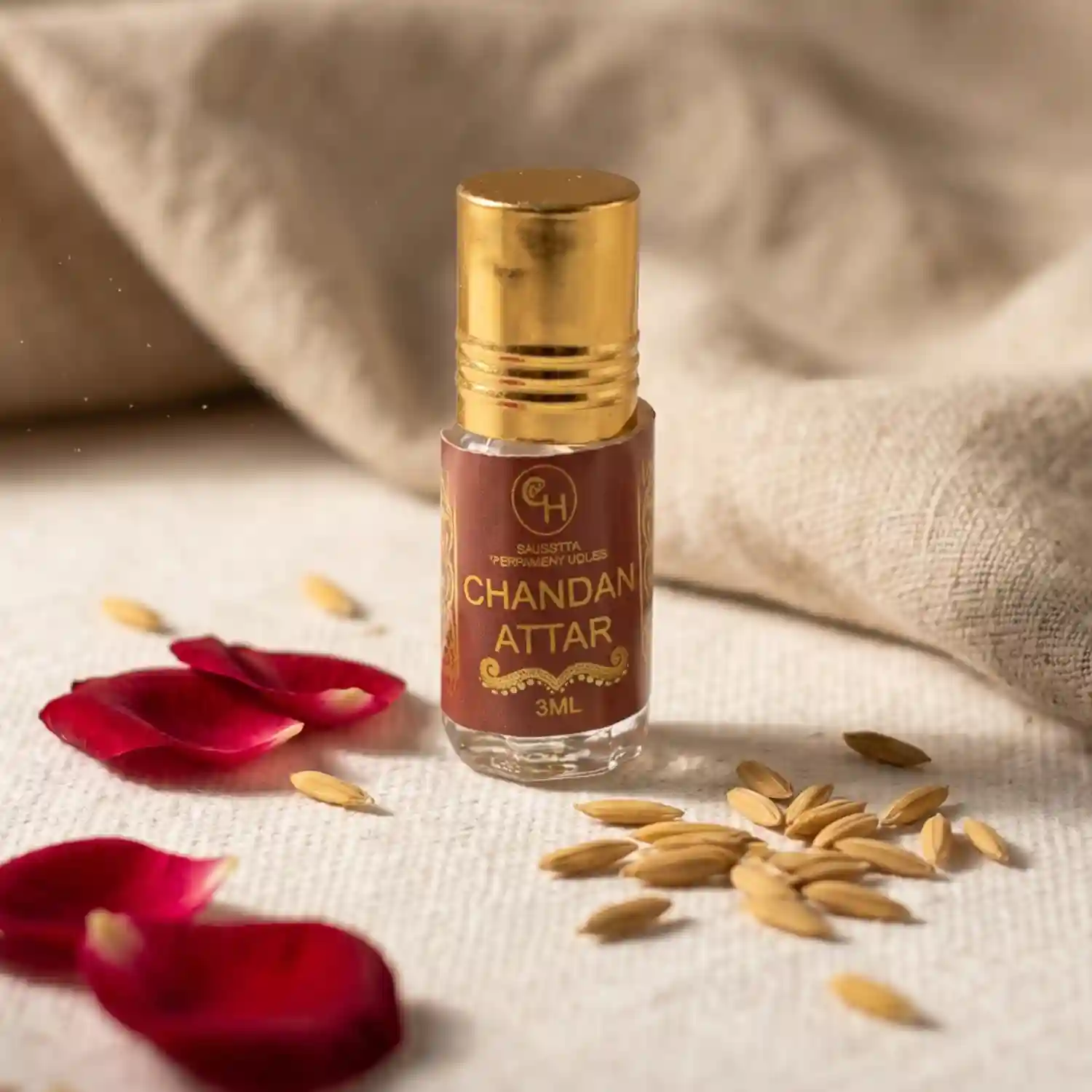
- Q6: How should the Ashtagandha Chandan and Chandan Attar be sequenced during the 16-Step Royal Worship?
- During Step 3:
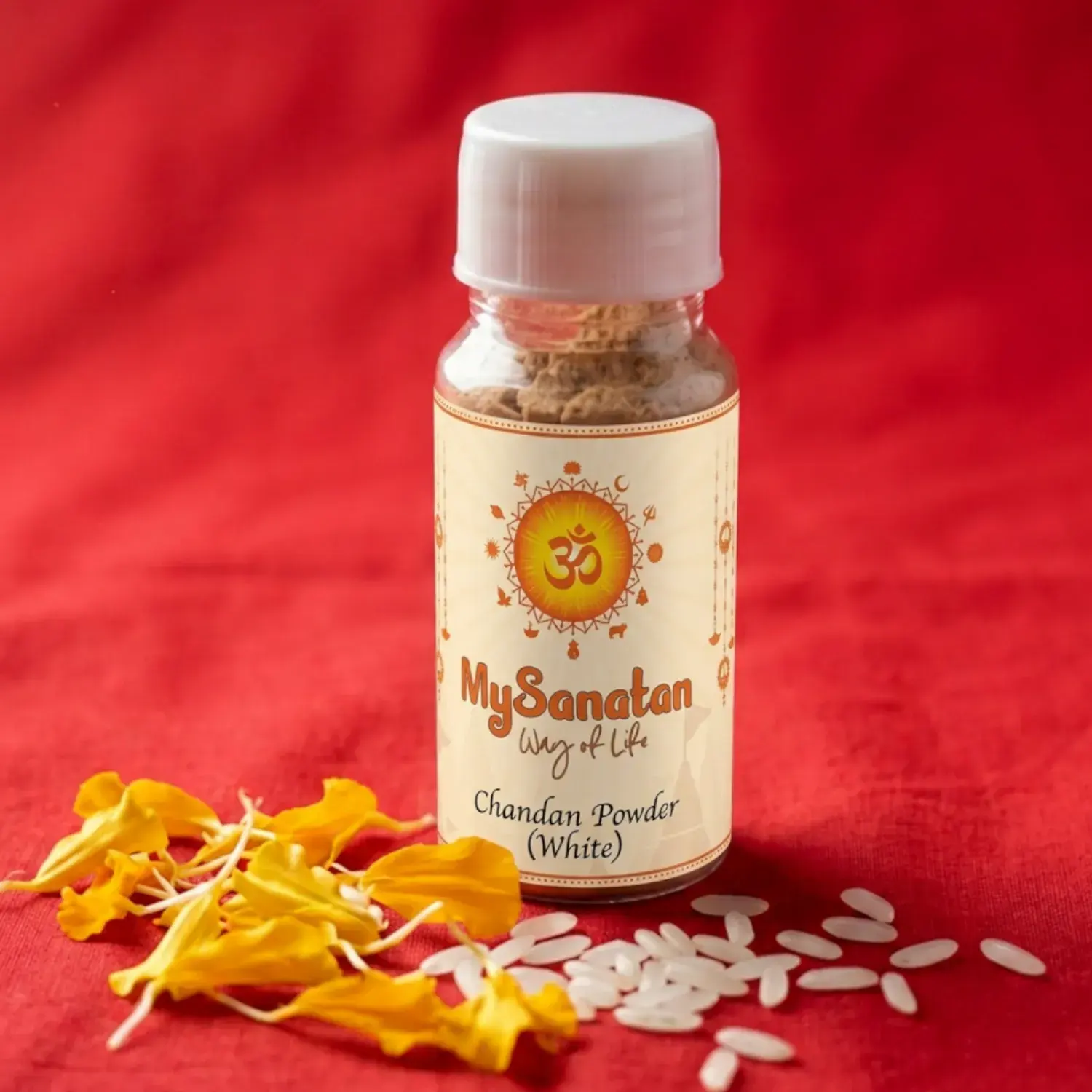
- Apply the Ashtagandha Chandan Tika (a blend of eight sacred fragrances) directly to the forehead, trunk, and hands of the idol as the formal Gandha (fragrance) offering.
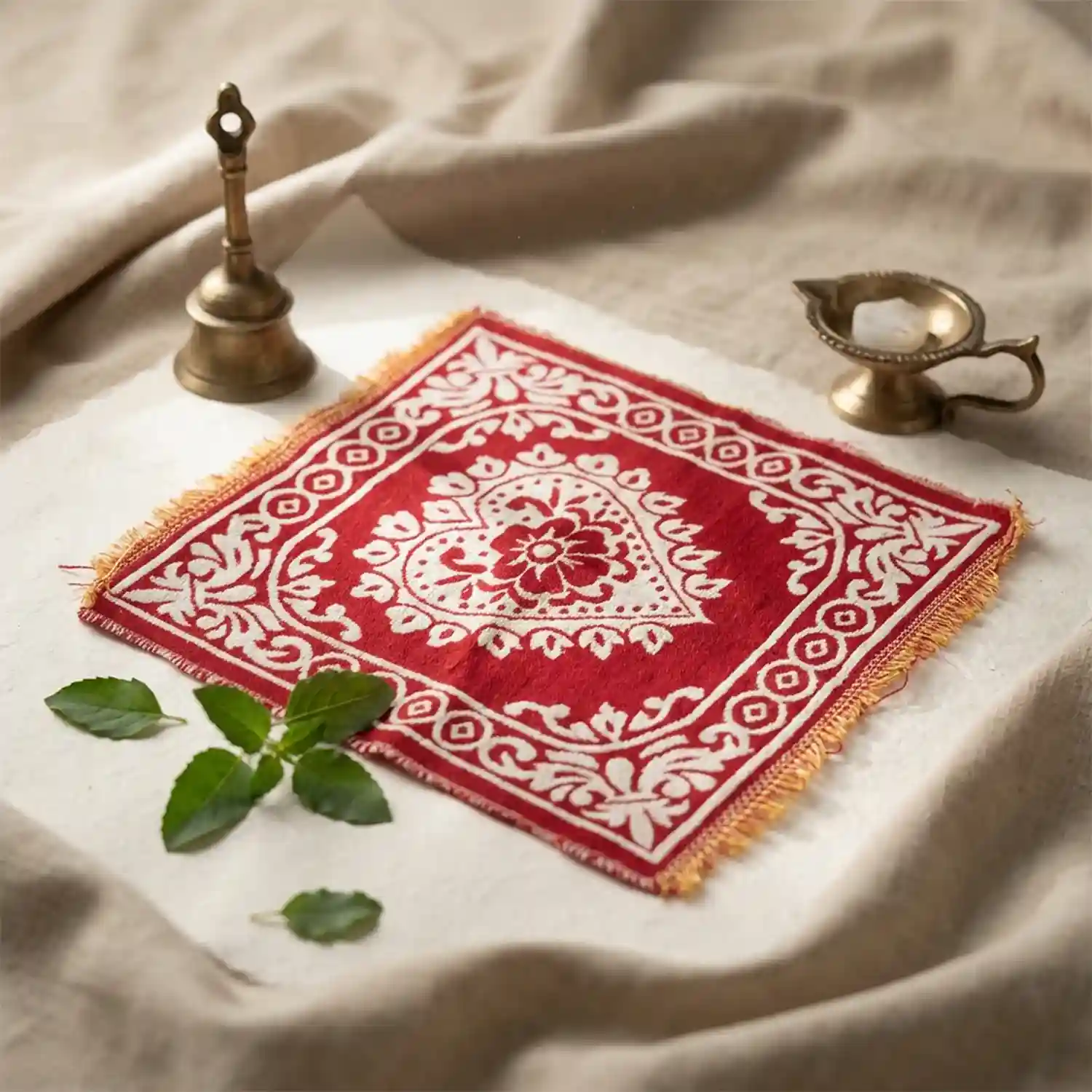
- Follow this by dabbing a few drops of the premium Chandan Attar onto the Red Asan or clothes of the deity to provide a long-lasting, deep aromatic aura that simulates a royal court setting.
- Q7: What is the scriptural significance of the Madhu Parker Bati and its placement in the sequence?
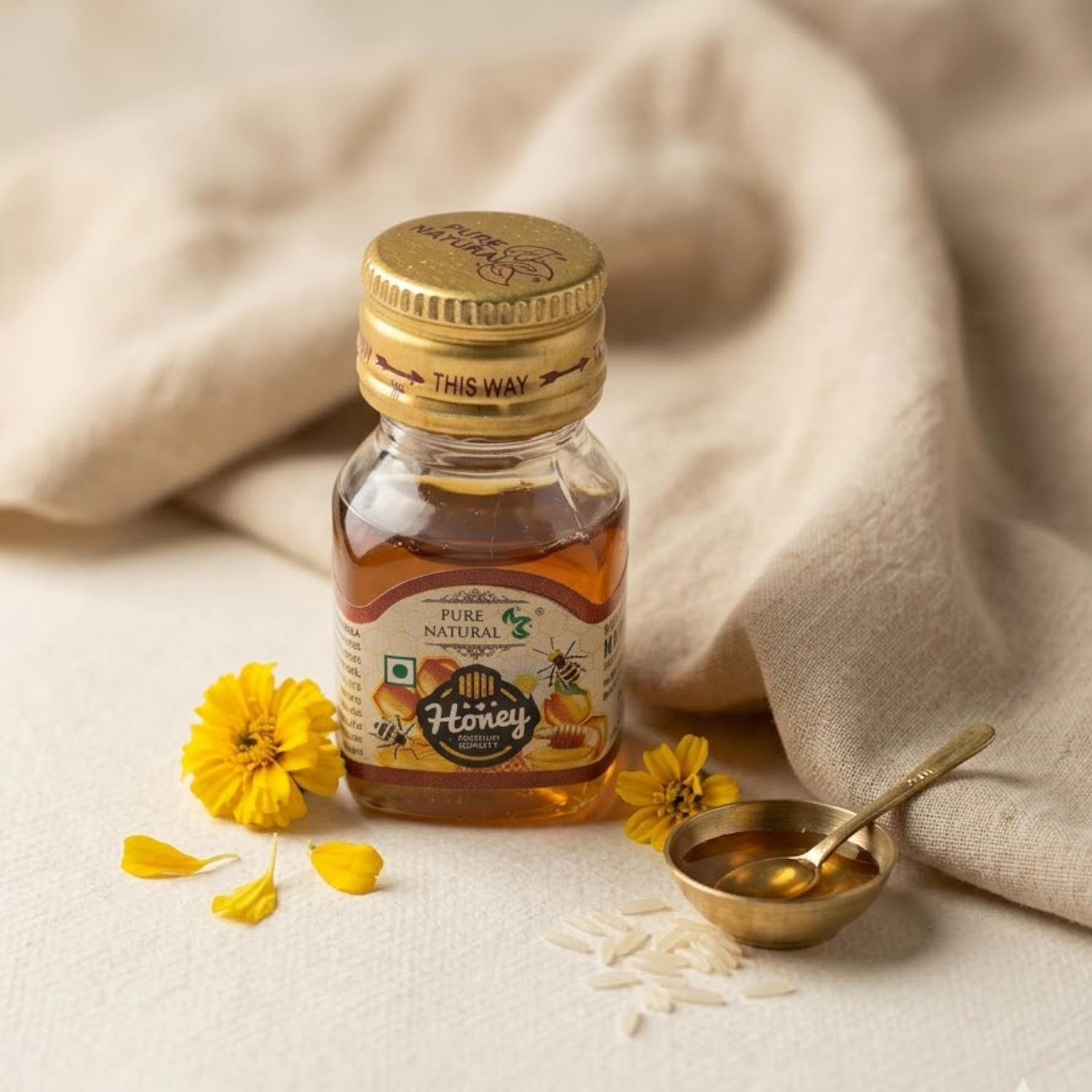
- The Madhu Parker Bati (large brass/metal bowl) is specifically provided for the Madhuparka ritual, which is traditionally the 6th or 7th step in the royal hospitality protocol. Pure Honey (Madhu) is poured into this bowl (often mixed with a little curd or ghee) and offered to Lord Ganesha to symbolize the sweet, nourishing essence of life before proceeding to the heavy clothing and ornament offerings.
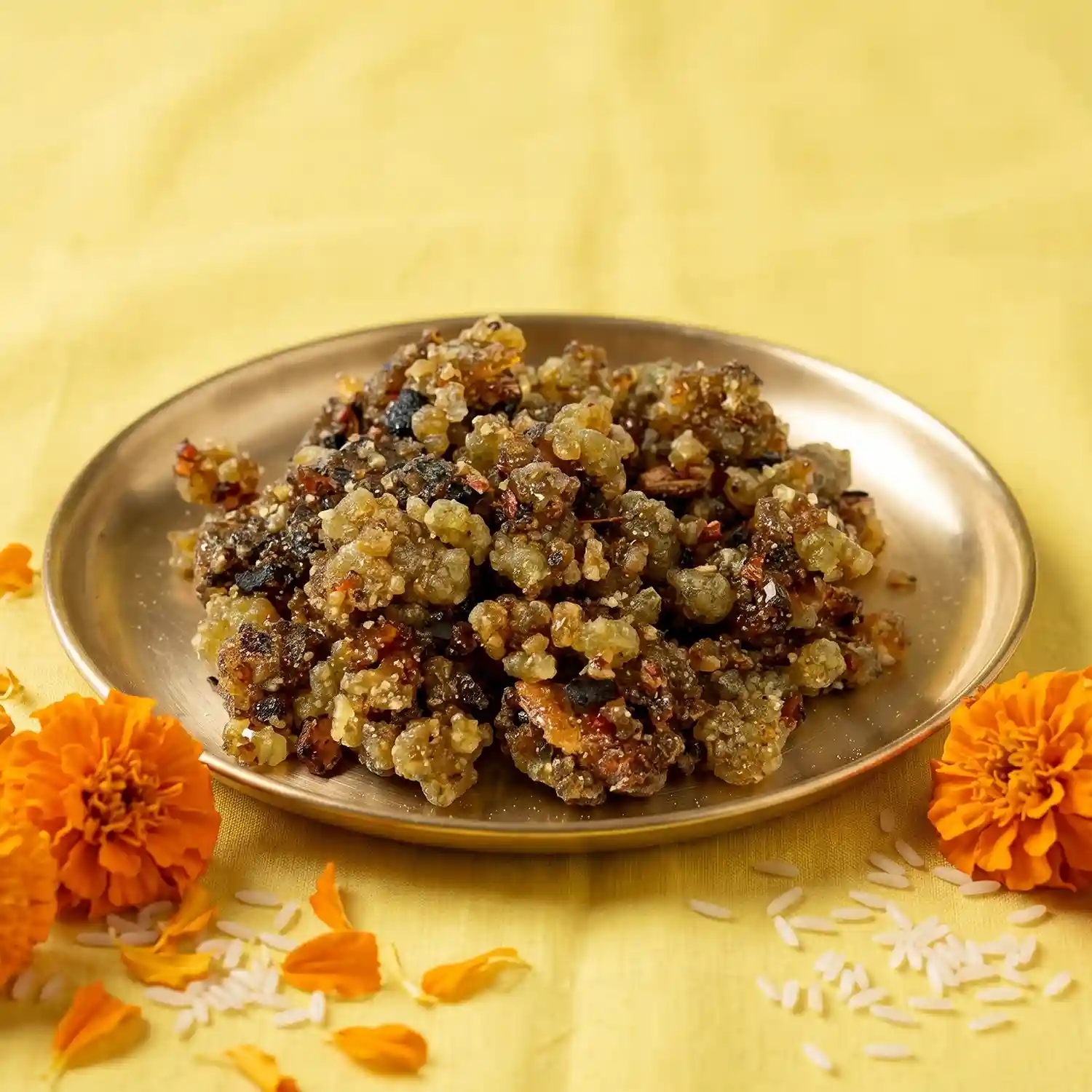
- Q8: Why does the kit combine Guggal alongside Dhuna and Camphor for the final Pandal Aarti?
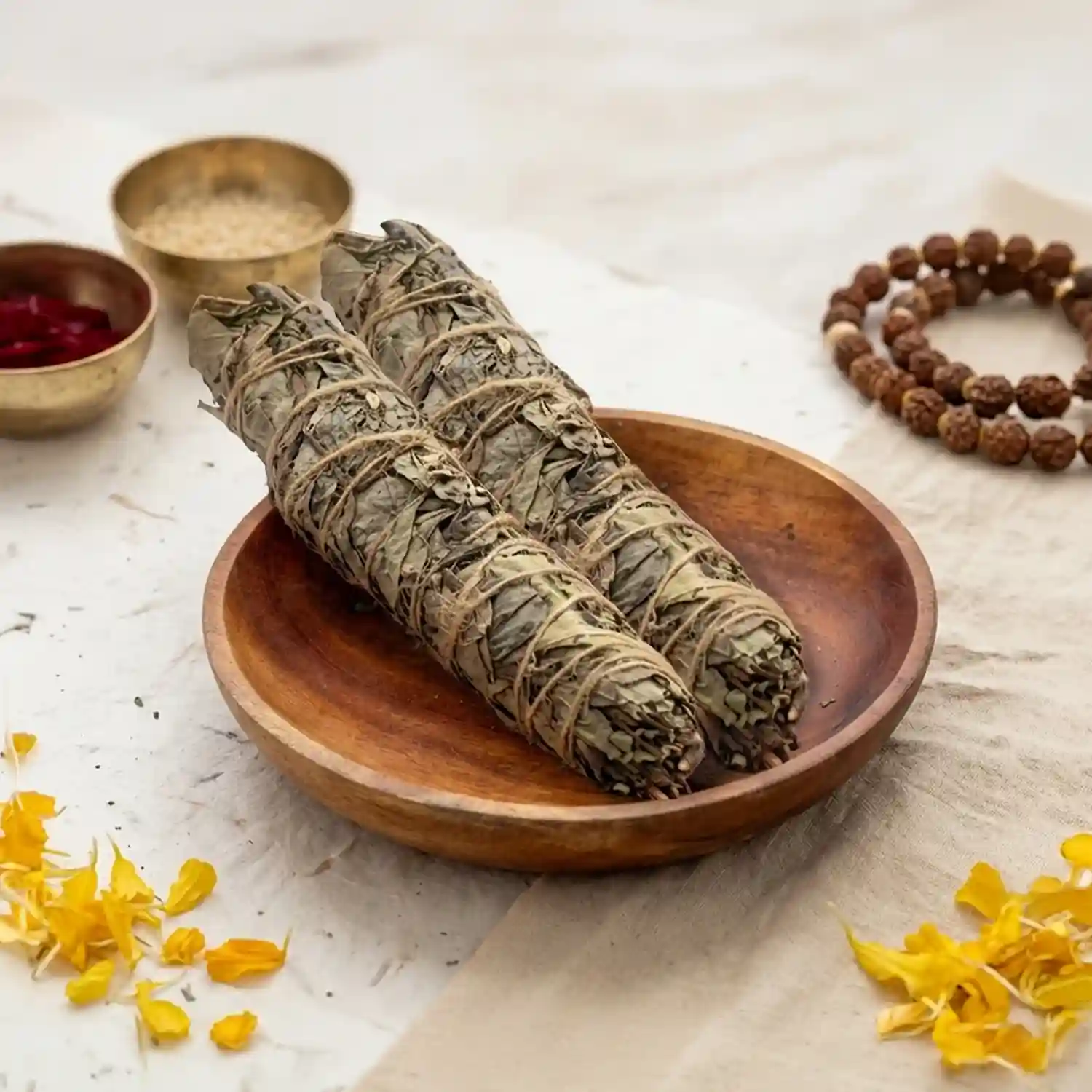
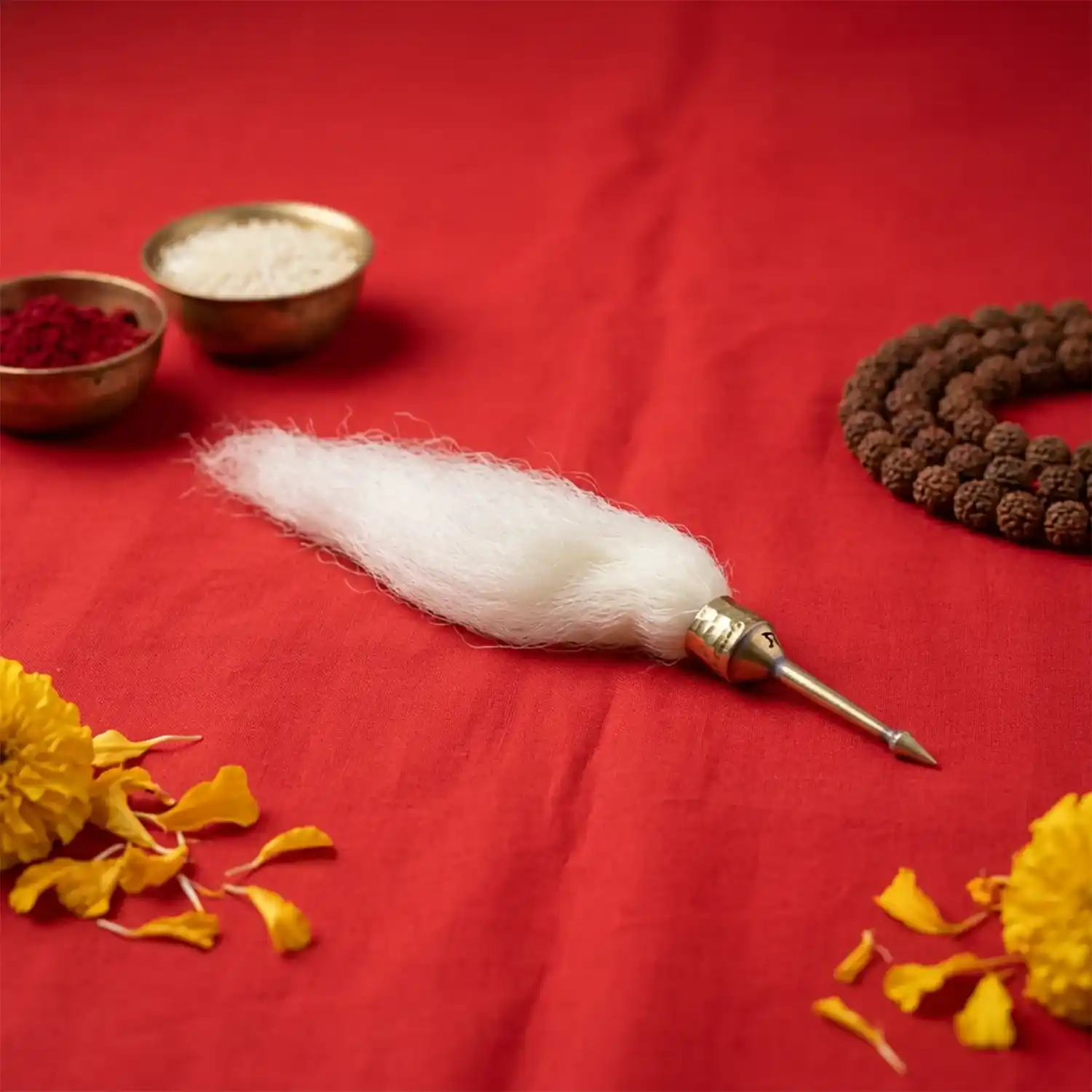
- While Dhuna provides dense, space-clearing smoke and Camphor offers a quick, brilliant flame, Guggal (Indian Bdellium) is scripturally introduced during the final Aarti because of its specific property of burning away stagnant, stubborn energetic obstacles. When combined, these three elements create an intense, purifying smoke clouds that the priest circulates using the Metal Handle Chawar, physically disinfecting the air and spiritually uplifting the collective consciousness of the Pandal.