








_2_11zon.webp)
_4_11zon.webp)

Frequently Asked Questions
- Q1. Why is Goddess Lakshmi uniquely worshipped in Her "Gaja Lakshmi" form within a Community Pandal?
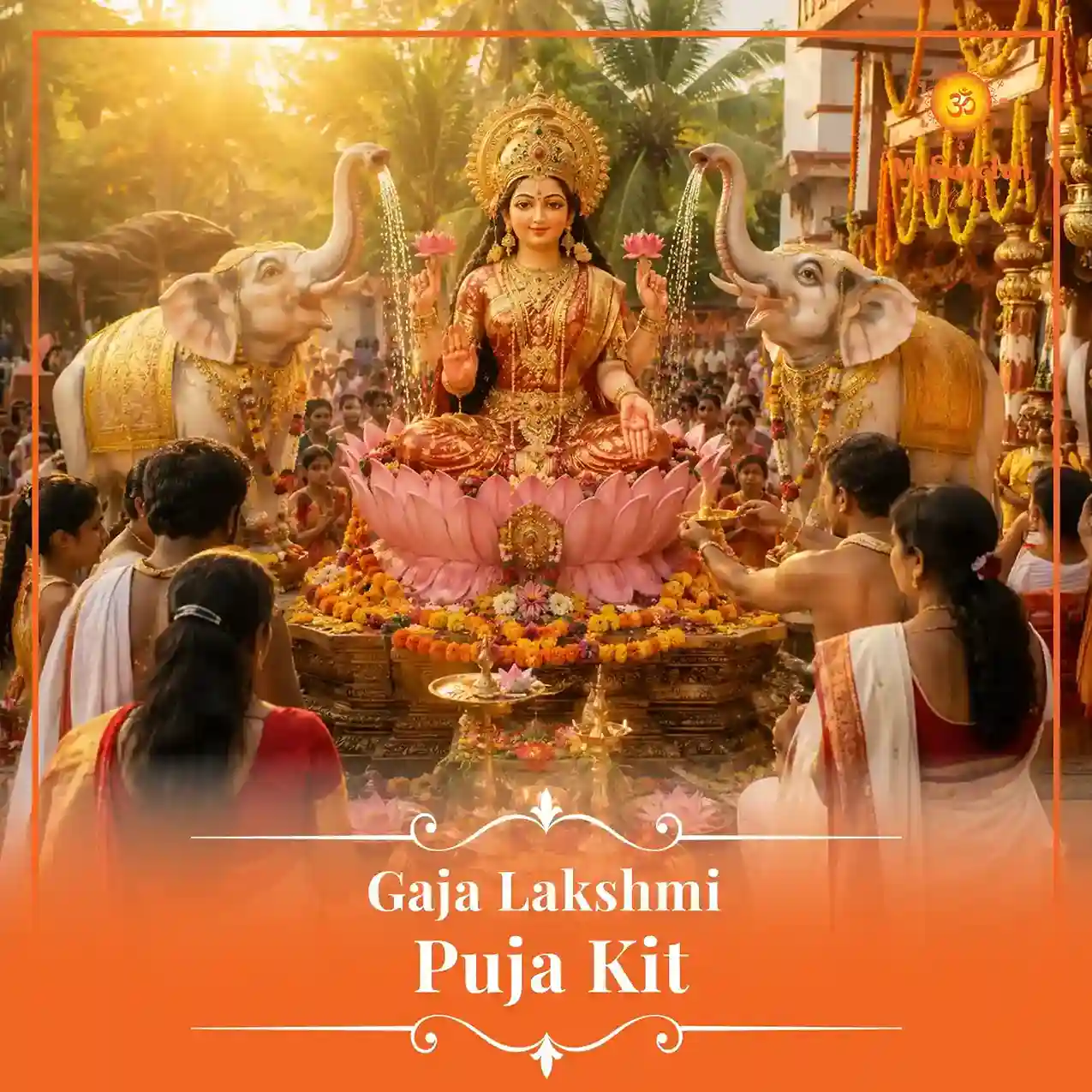
- Gaja Lakshmi is the majestic manifestation of the Goddess of Wealth, famously flanked by two royal elephants continuously pouring sacred water over Her. In a community context, the elephants symbolize unshakeable neighborhood stability, strength, and collective power, while the pouring water represents a continuous, abundant influx of prosperity and peace. Worshipping Her as a unified locality ensures the entire neighborhood maintains a highly respected, deeply harmonious, and dominant standing.
- Q2. Beyond the main festival night, when is the best time for our committee to organize this ritual?
- While highly popular for grand public gatherings during Sharad Purnima or Diwali, this foundational community kit is also perfectly optimized for local growth milestones:
- On auspicious Fridays (Shukravar) when organizing a collective neighborhood blessing.
- When inaugurating a new community center, public park, local temple, or shared neighborhood infrastructure project.
- Q3. Can our internal committee perform this Gaja Lakshmi ritual independently without a priest?
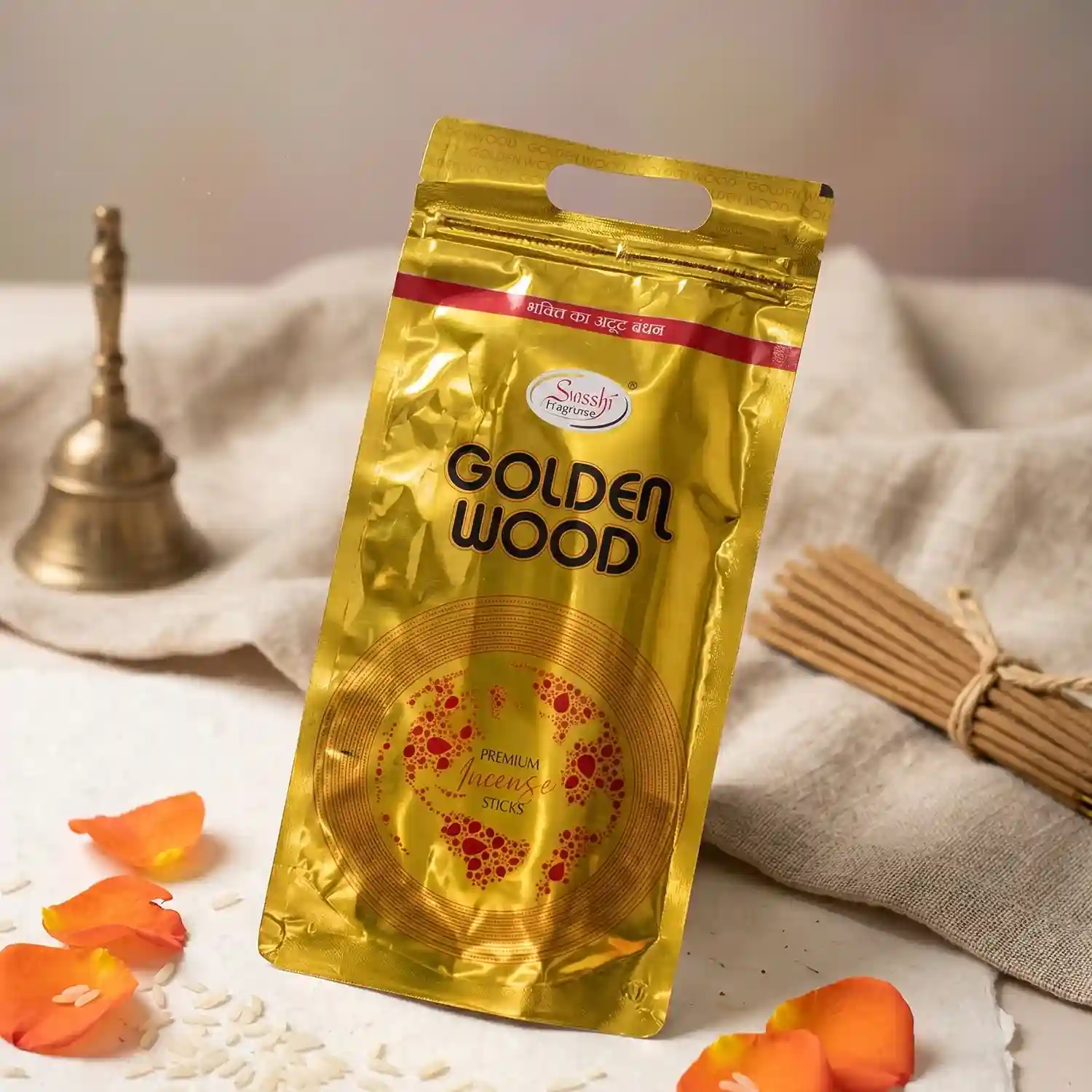
- For routine Friday lighting or basic morning prayers to keep the stage vibrant, your staff can absolutely use standard elements like the Agarbatti and Phool Batti to offer a simple token of respect. However, invoking the majestic presence of Gaja Lakshmi to establish a permanent neighborhood protection grid is an advanced spiritual technology. Properly executing the complex space-purification and the 16-step royal protocol requires a qualified Pandit who can handle the advanced Sanskrit mantras flawlessly.
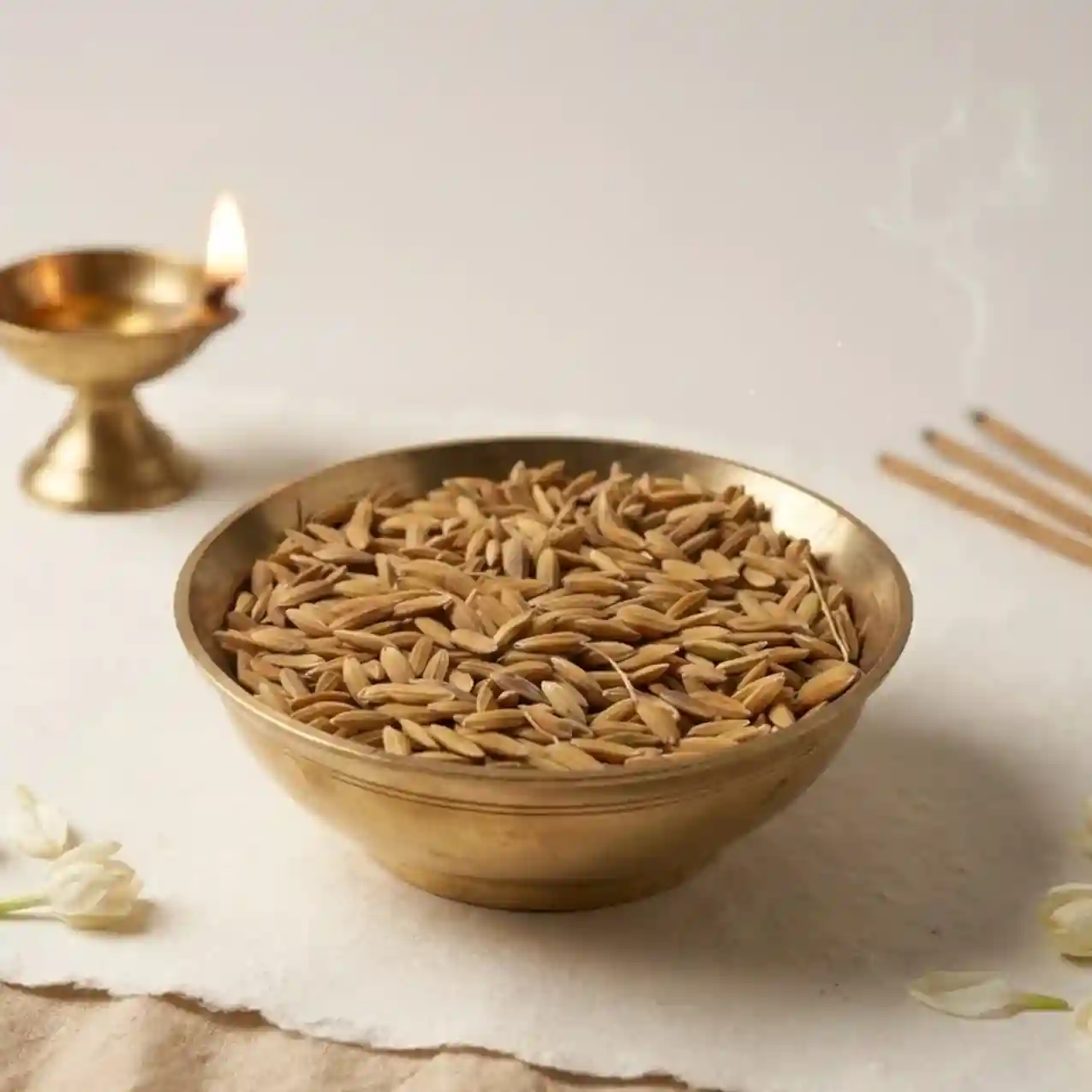
- Q4. What should the organizers do with the Kamal Gatta and Paddy (Dhan) included in the kit?
- The Kamal Gatta (dried lotus seeds) and Paddy are not generic decorative items; they are highly magnetic wealth conductors. During Step 3, make sure these are placed directly at the feet of the Goddess. The priest will ritually bathe and energize them with classical abundance mantras. After the festival, these can be kept in the community chest or distributed to local business owners to act as permanent prosperity magnets.
- Q5. How should we set up the ritual lamps and handle the final fanning ceremony?
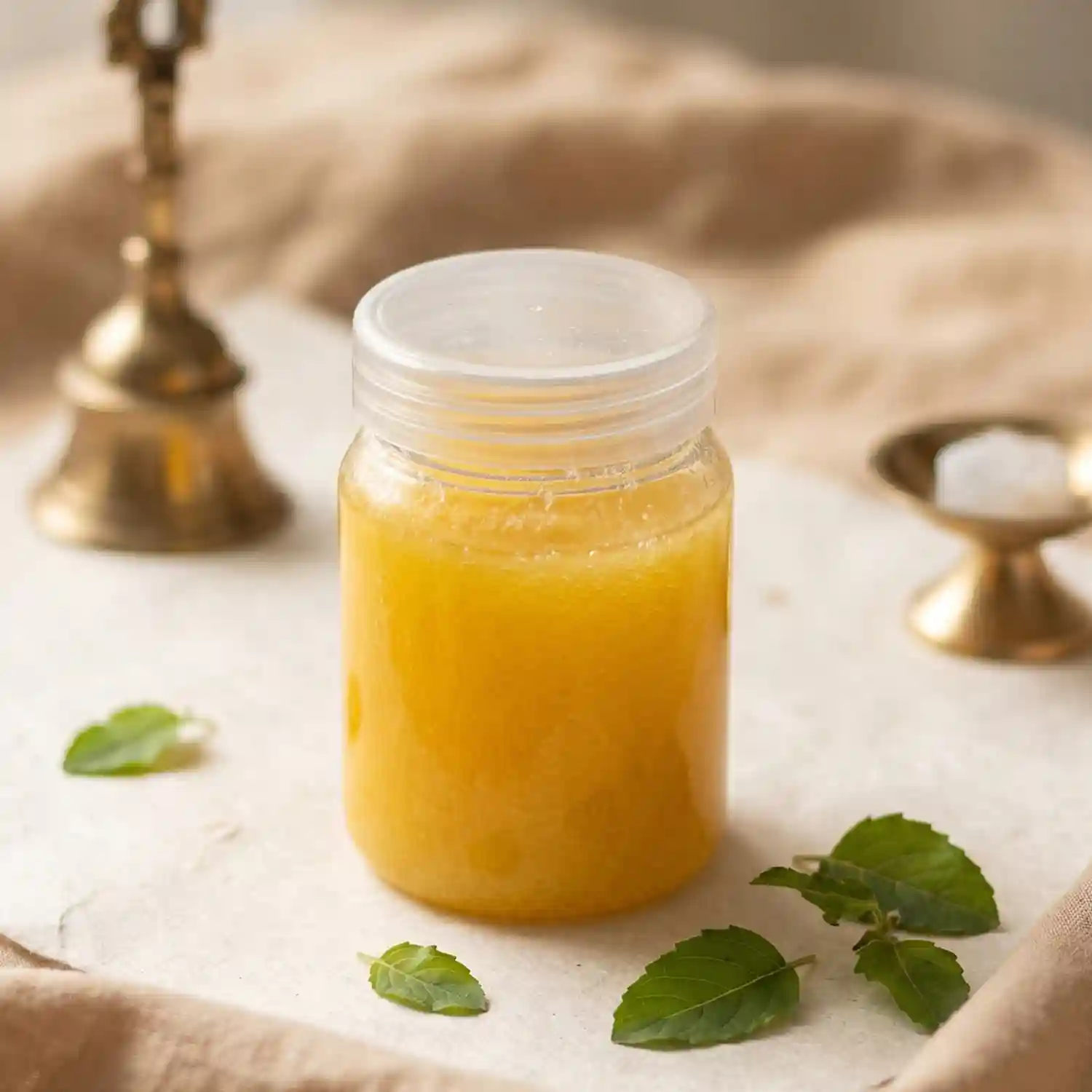
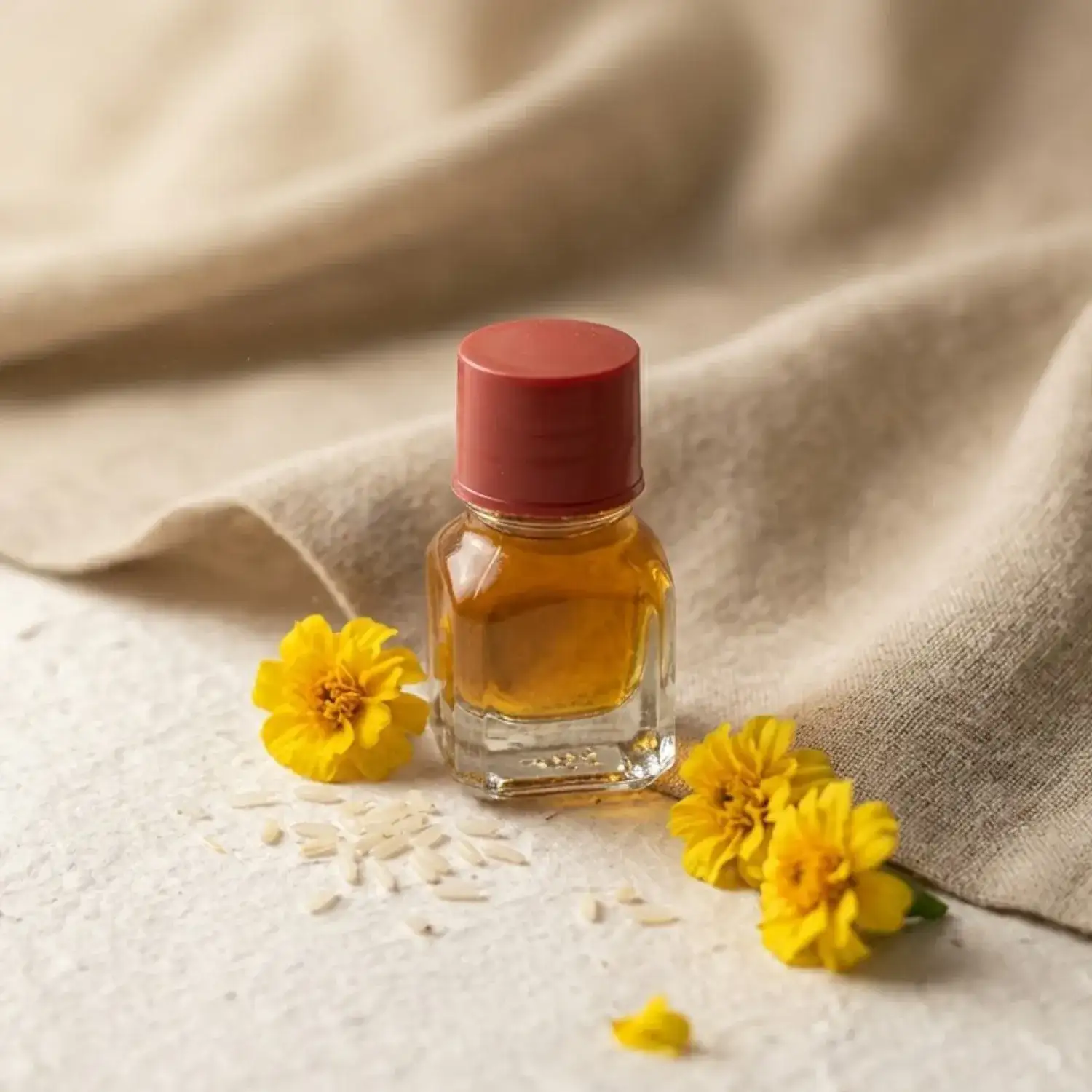
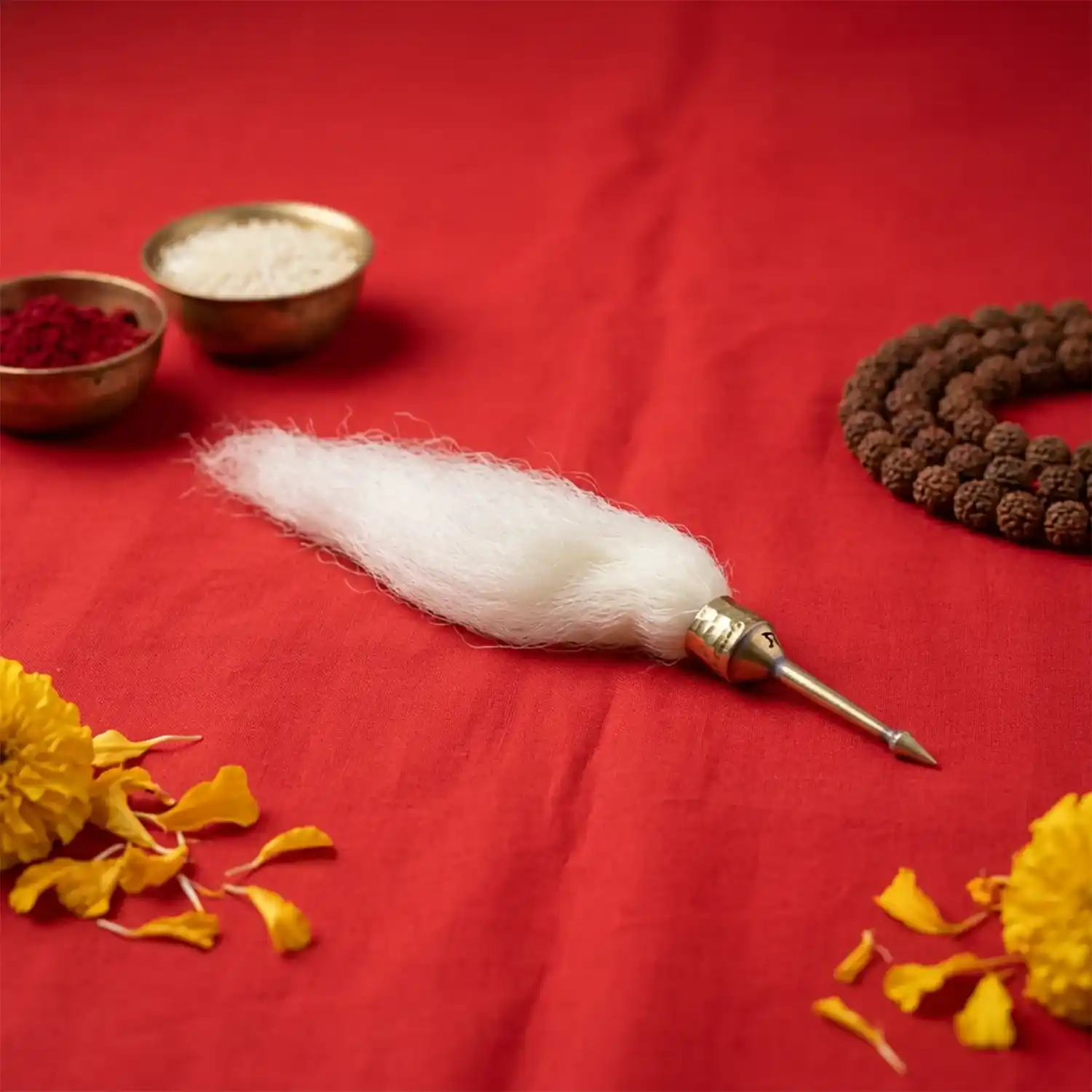
- The kit provides both Mustard Oil and Cow Ghee for maximum scriptural flexibility. Ensure the primary lamp sits strictly on the right side of the Goddess (from the viewer's left). During the final phase, as the priest waves the purifying smoke, use the traditional Chawar (chowrie) included in the kit to gently fan the deity, which fulfills the highest tier of traditional royal honors in public view.
- Q6. How does this kit support the priest in executing advanced space-clearing on public pandal grounds?
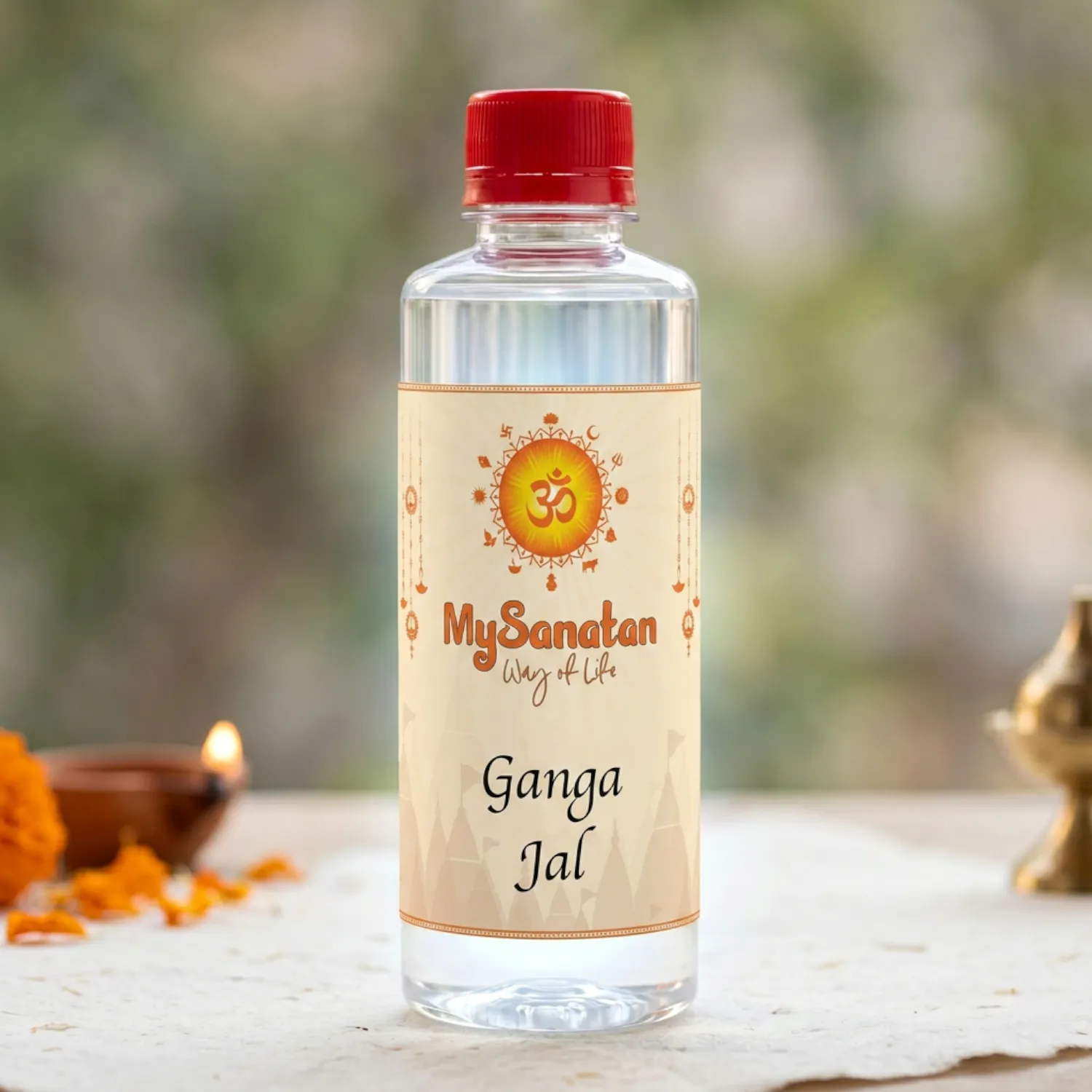
- Public pandal venues accumulate heavy environmental and physical friction due to the influx of diverse crowds. To counter this, Step 1 provides a highly concentrated pack of 100% pure, authentic Ganga Jal. This allows the Pandit to conduct an advanced space-clearing protocol, deep Pranayama, and complex elemental purification to completely purge the neighborhood footprint of negative vibrations and the "evil eye" (Nazar).
- Q7. What precise liturgical role do the Red Churni, Alta, and White Cotton Janeu play during the invocation?
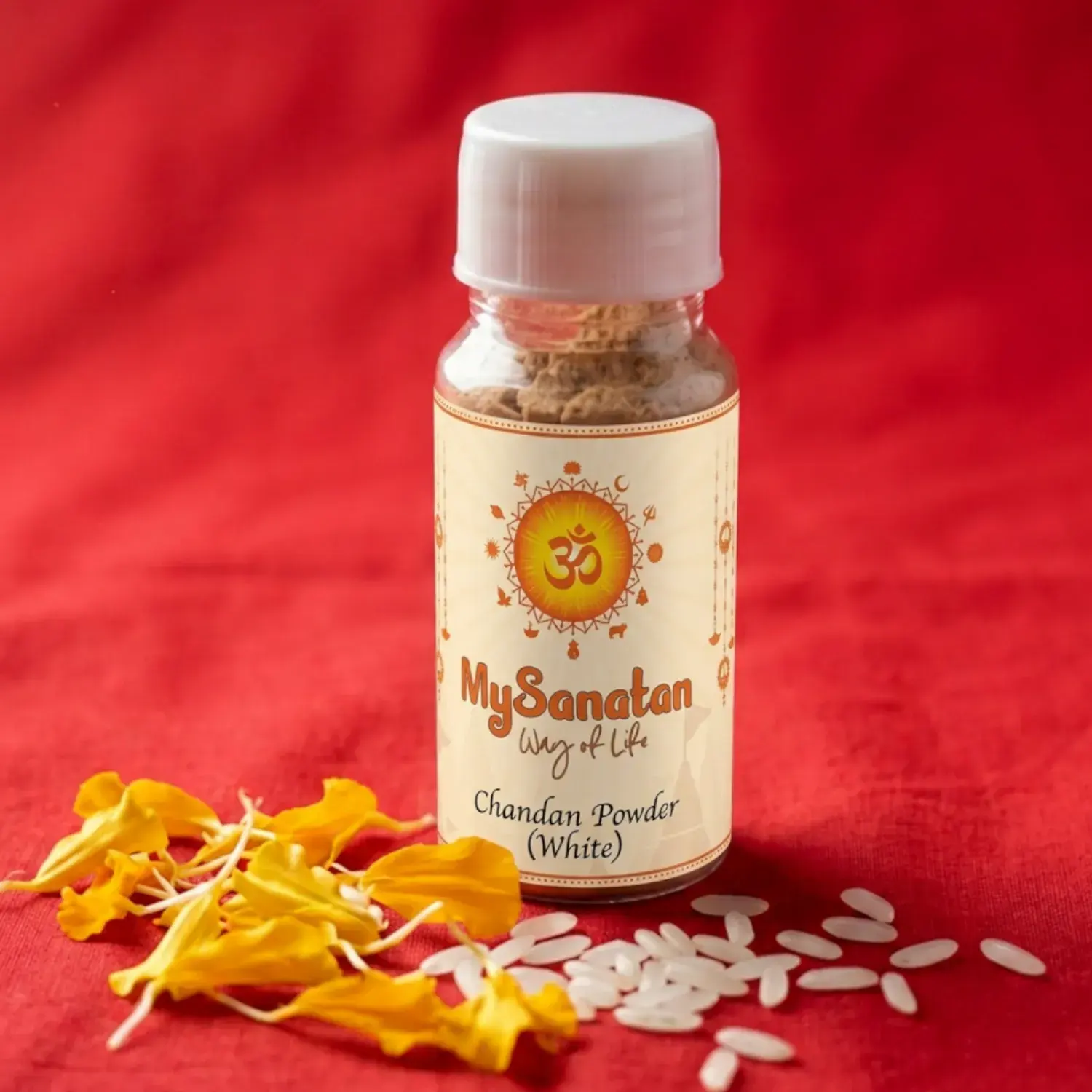
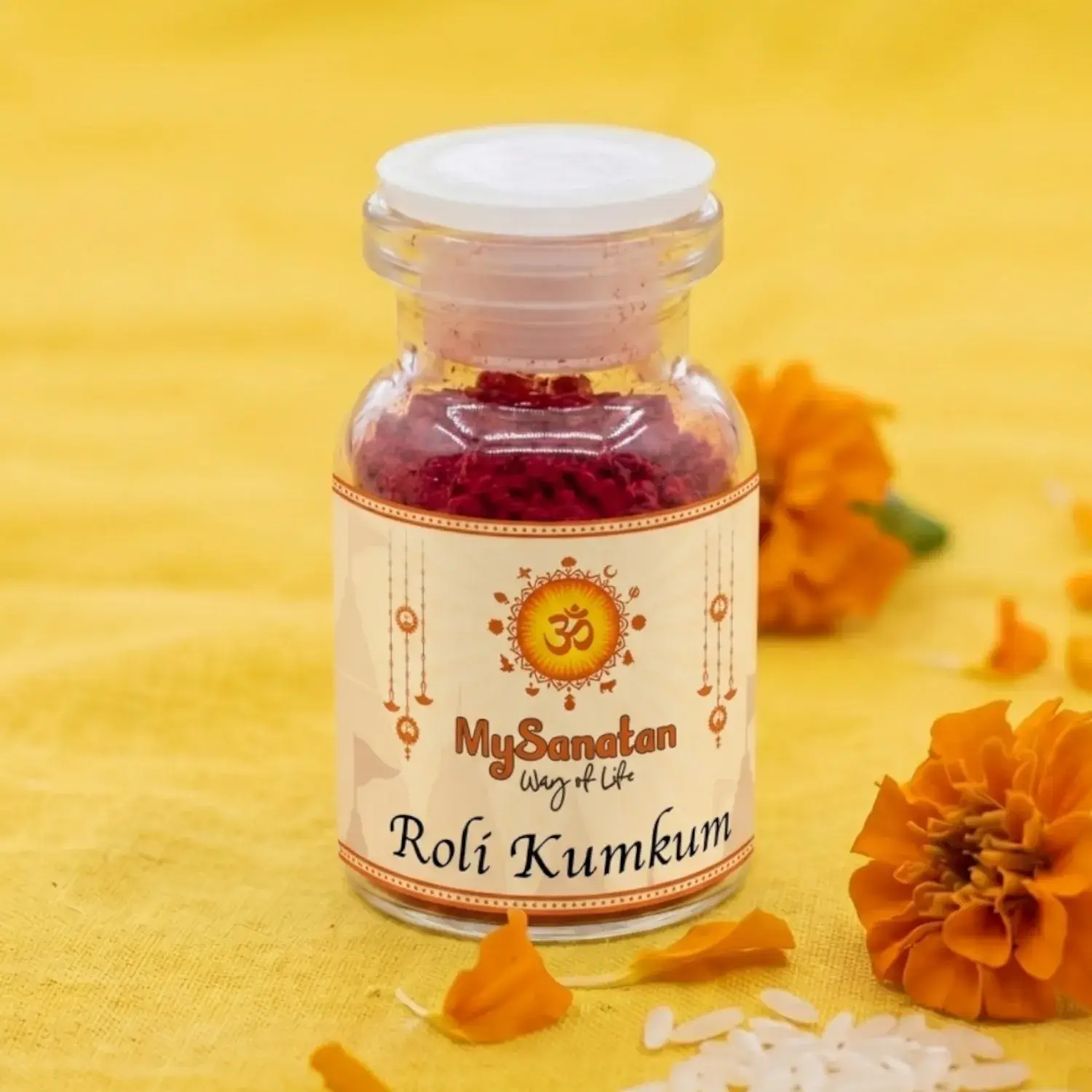
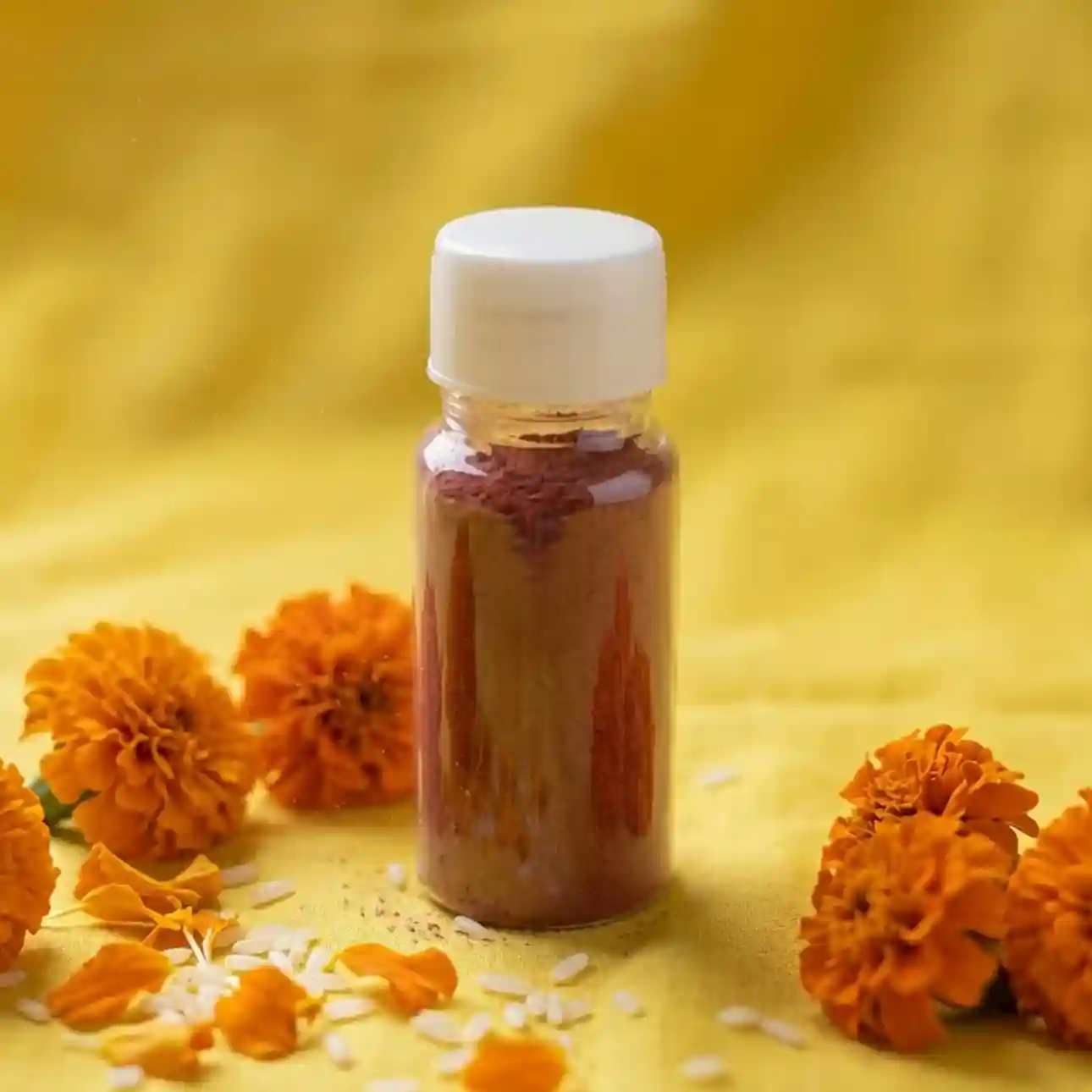
- To properly welcome the majestic Queen of the universe, standard retail arrangements will not suffice. During Step 2 (The Divine Invocation), the kit provides a premium Red Churni, traditional Alta, and White Cotton Janeu Thread alongside both White and Red Chandan. This enables the priest to execute scripturally accurate tilaks and formal bridal grooming (Shringar), aligning the environment with the opulence required for a high-fidelity invocation.
- Q8. How does the kit facilitate the heavy smoke purification sequence at the close of the ritual?
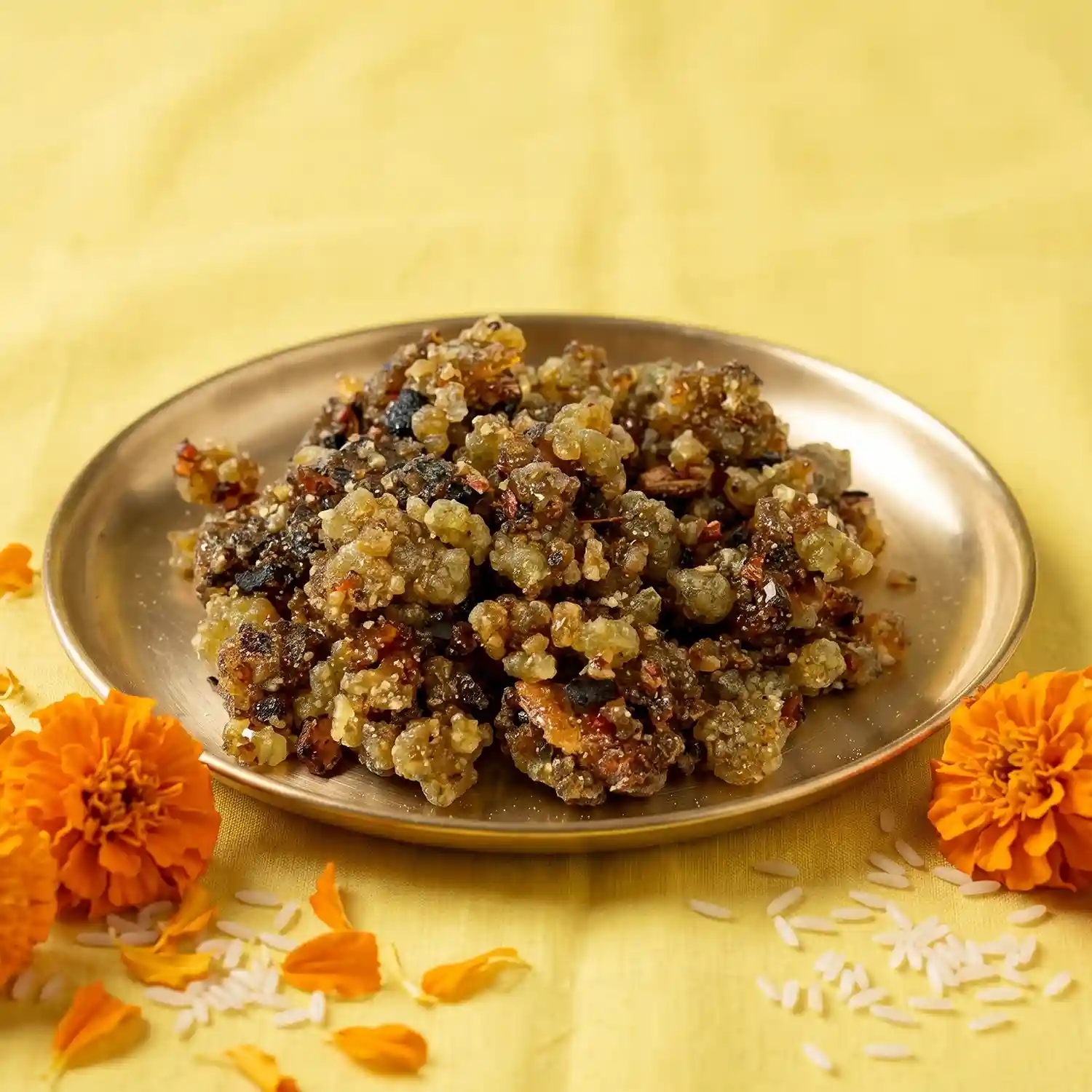
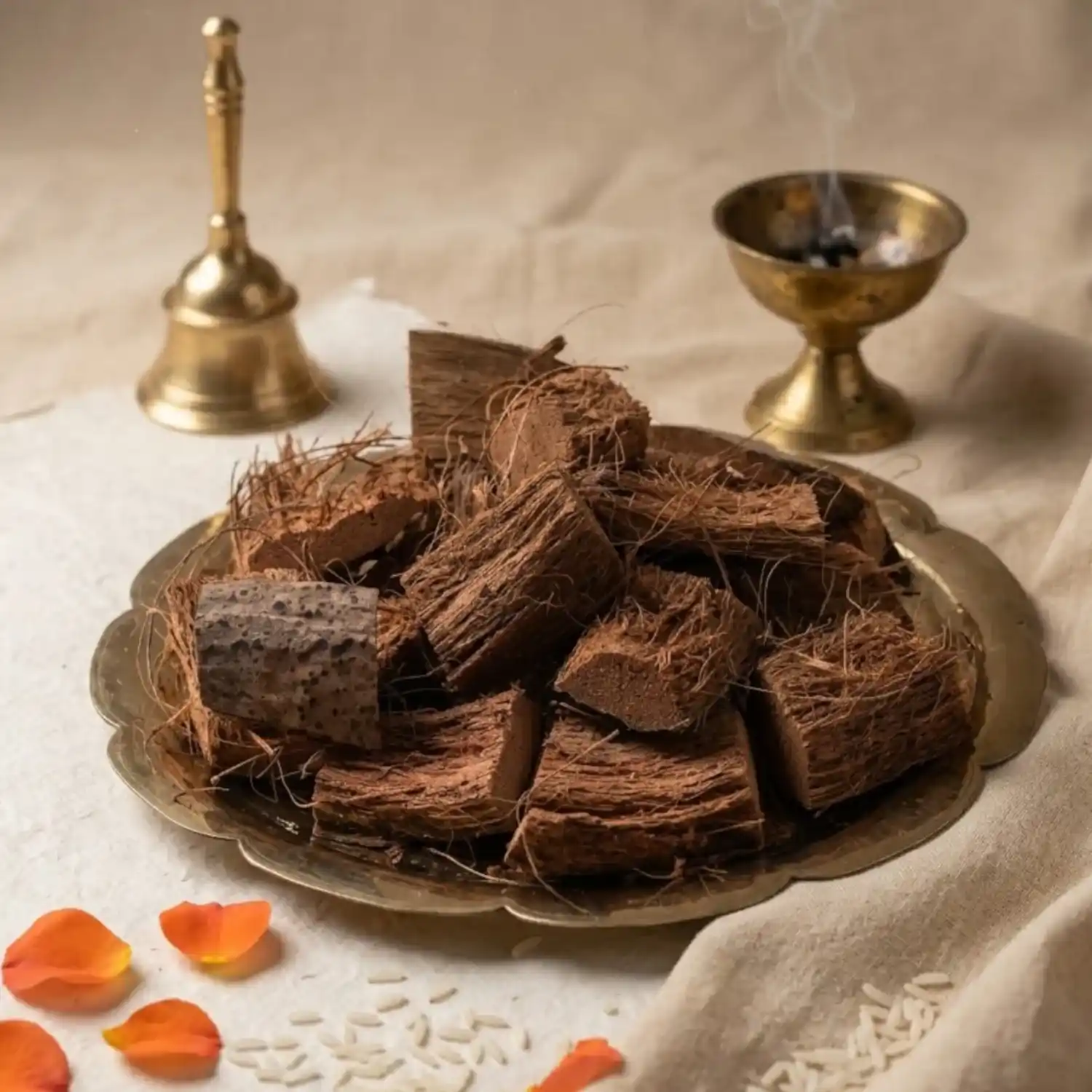
- To deeply sanitize a large public perimeter, gentle incense is insufficient. Step 5 (Grand Pandal Aarti) is backed by a heavy-duty inventory of Chhobra (dry coconut husk), Dhuna Powder (150 gm), and natural Guggal (50 gm). When ignited together in the homa arena or dhunachi, these resins generate a dense, deeply aromatic, and purifying smoke cloud that systematically drives out stagnant operational blocks and accident-prone frequencies from the community grounds.
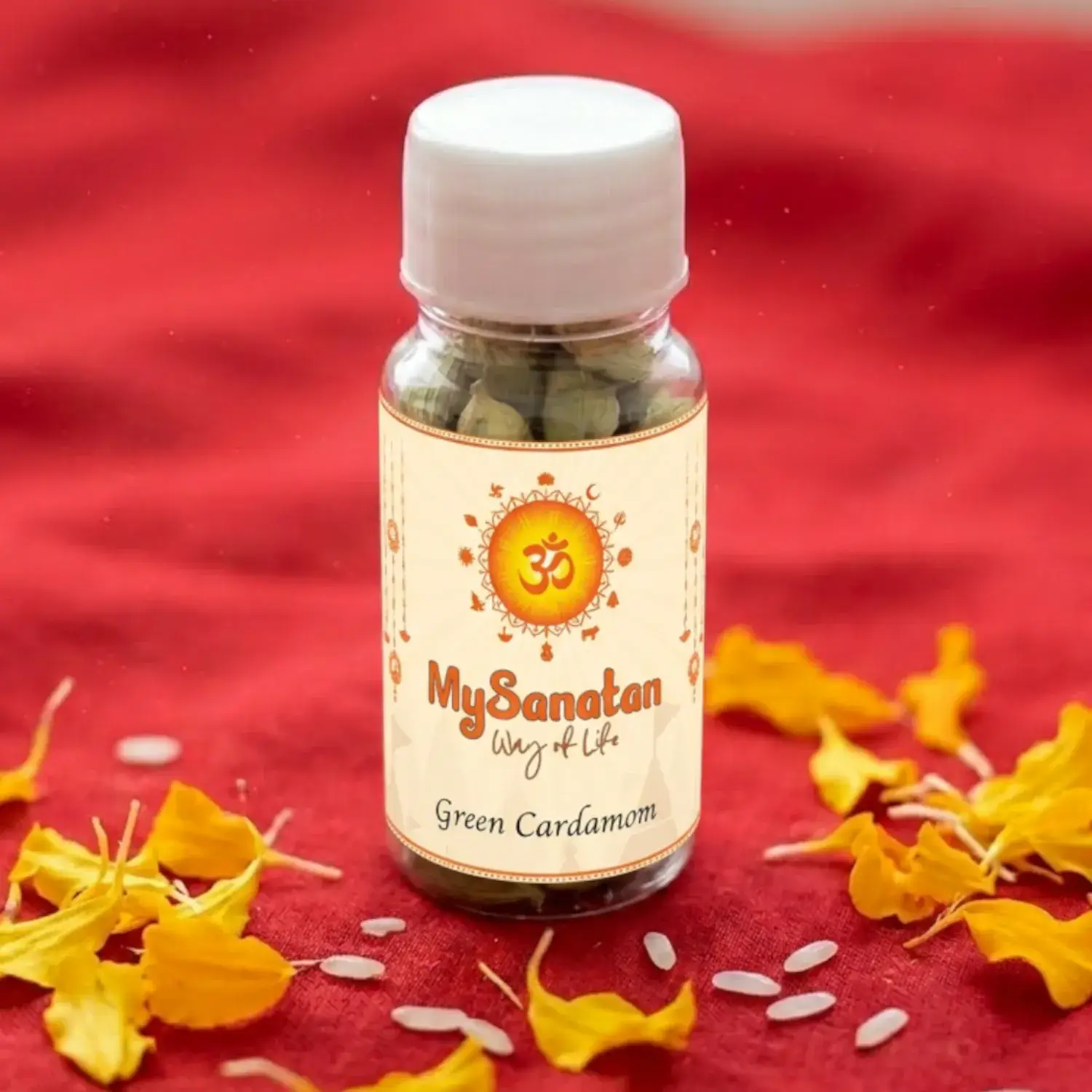
- Q9. Why is Haritaki independently included in this kit to close the Shodashopachar sequence?
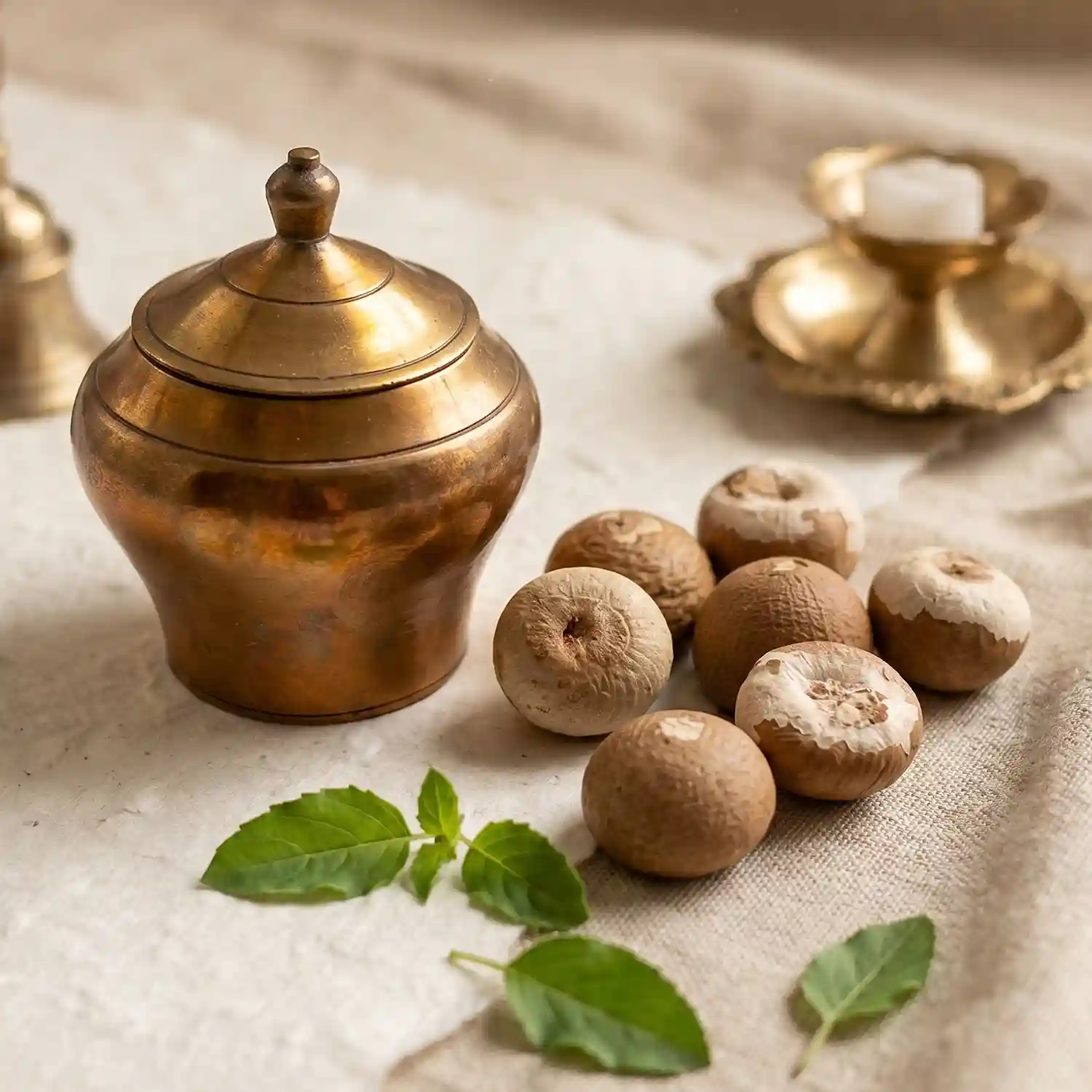
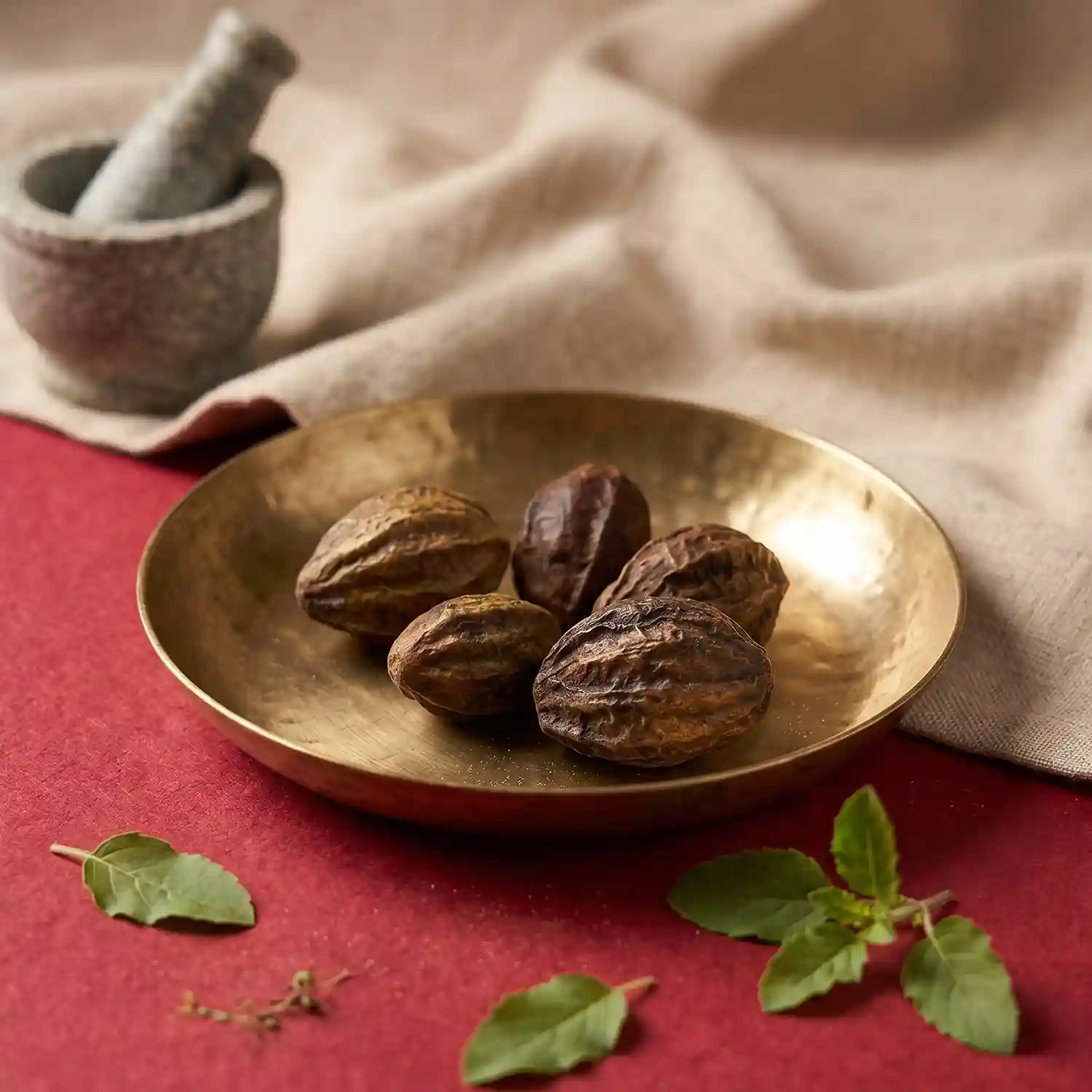
- In traditional Vedic hospitality, a Tambula (the final mouth-sweetening offering that seals the royal protocol) is incomplete without an elemental balancing agent to close out the primary offerings (Naivedya). The inclusion of a dedicated quantity of Haritaki (Harad Fruit) alongside Supari, Clove, and Green Cardamom satisfies a precise requirement from the Purohit Darpan. It mathematically balances the elemental energies at the close of Step 4, ensuring the supreme satisfaction of the Goddess and sweetening future community partnerships.