
.webp)
_11zon.webp)




_11zon.webp)
_.webp)
_9_11zon.webp)

_11zon.webp)


_3_11zon.webp)

_11zon.webp)



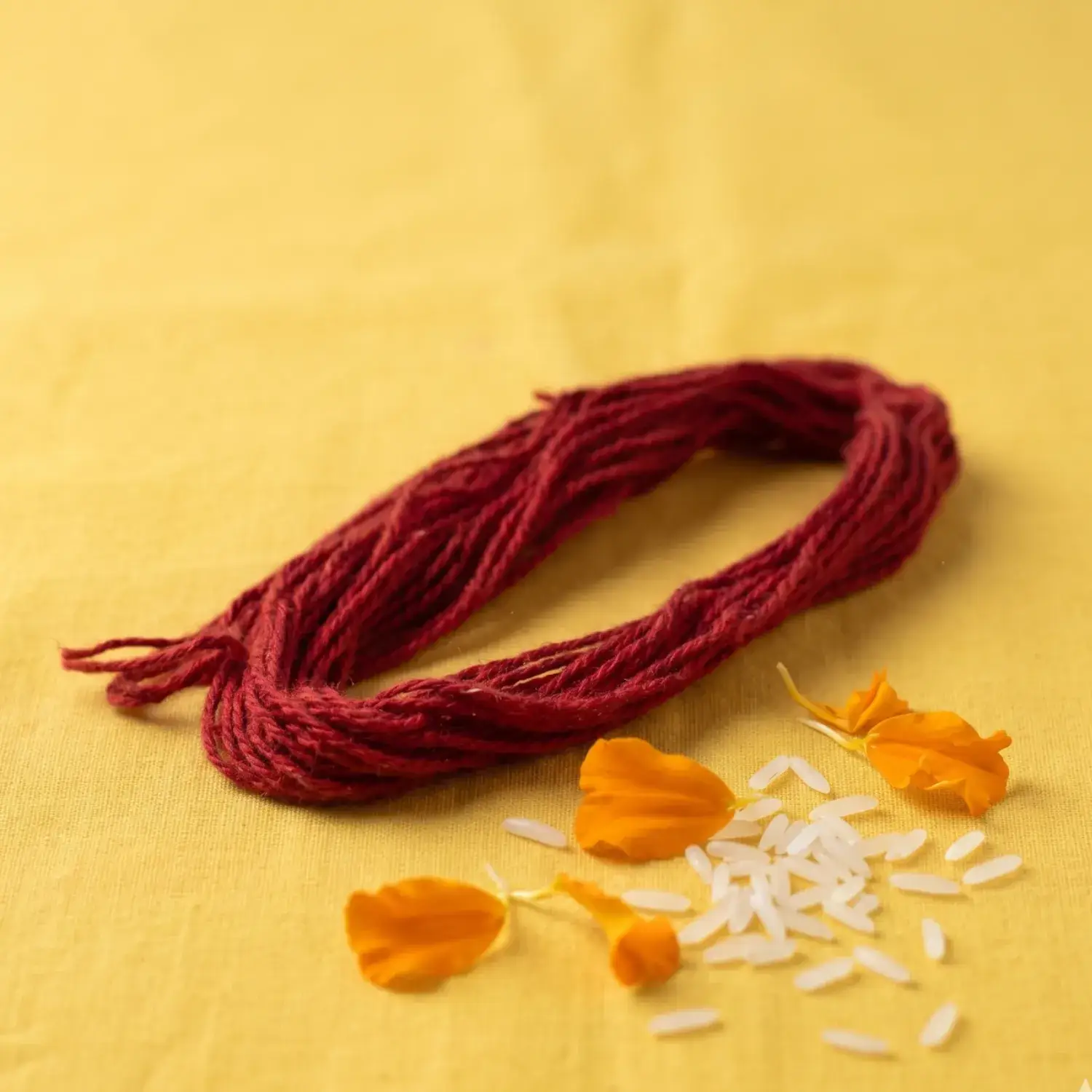
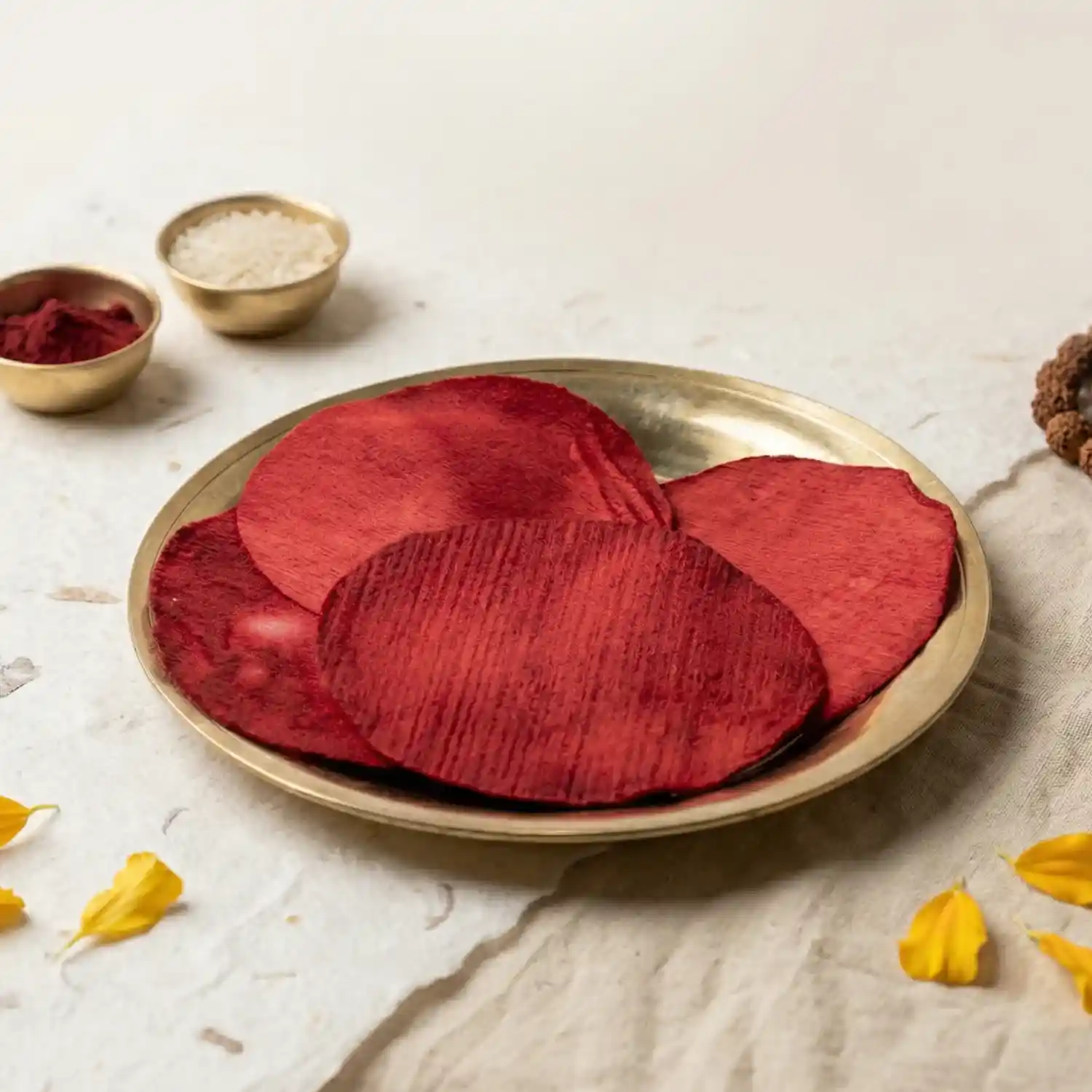
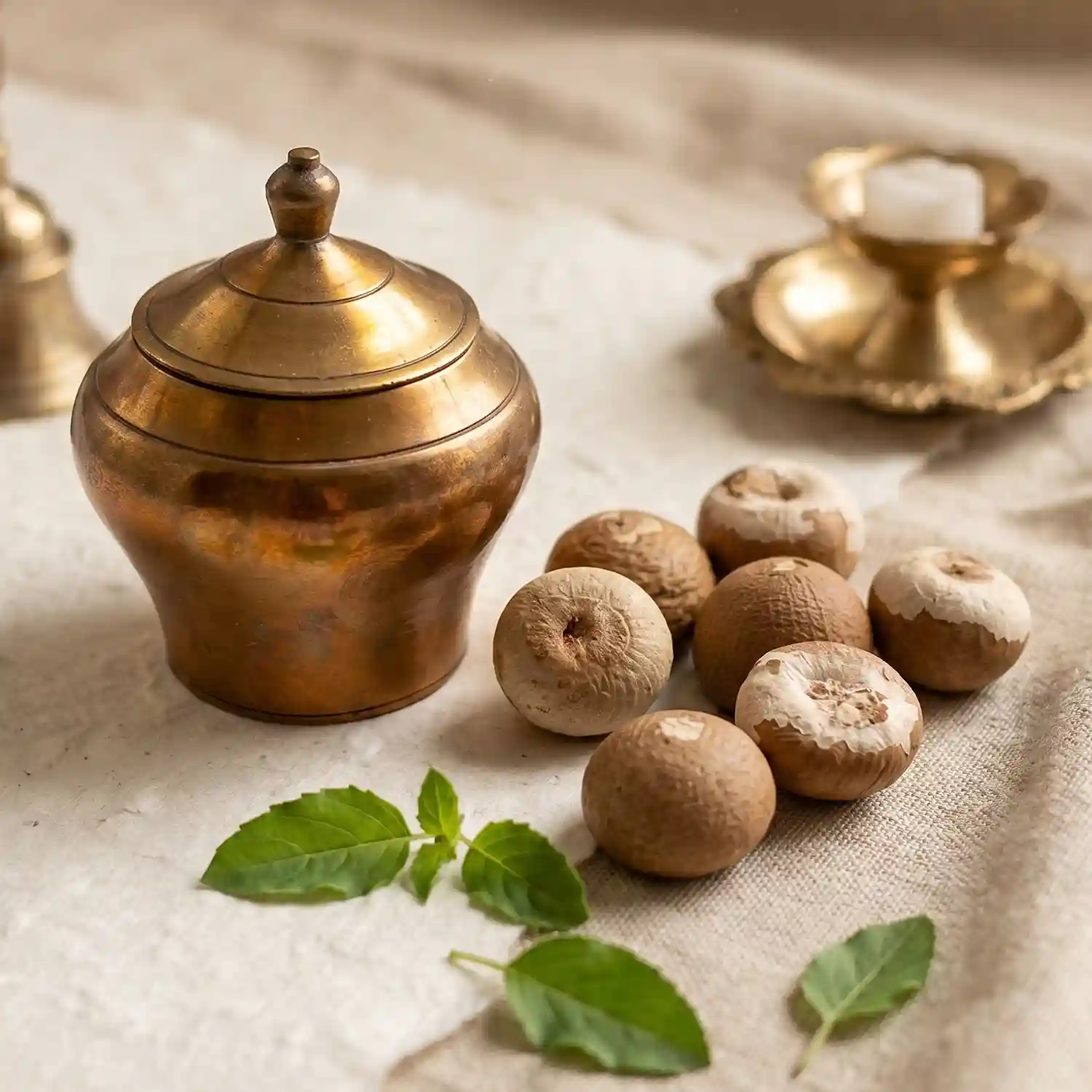

_11zon.webp)
Frequently Asked Questions
- Q1. Why is Mother Kali specifically worshipped in Her "Dipanwita" or "Shyama" form within a Community Pandal?
- Dipanwita Kalipuja (Shyama Puja) is the grand invocation of Mother Kali, the fierce and compassionate destroyer of negativity, ego, and dark forces, celebrated on the darkest night of the year (Kartik Amavasya). When organized in a grand public pandal, Her worship serves as a supreme spiritual shield for the entire neighborhood. She systematically neutralizes malicious energies, grants fearlessness to the families, and illuminates the community with collective prosperity and unity.
- Q2. What is the significance of including authentic items like Java Kusum Oil, Siddhi Leaves, and a Nose Ring (Nath) in this kit?
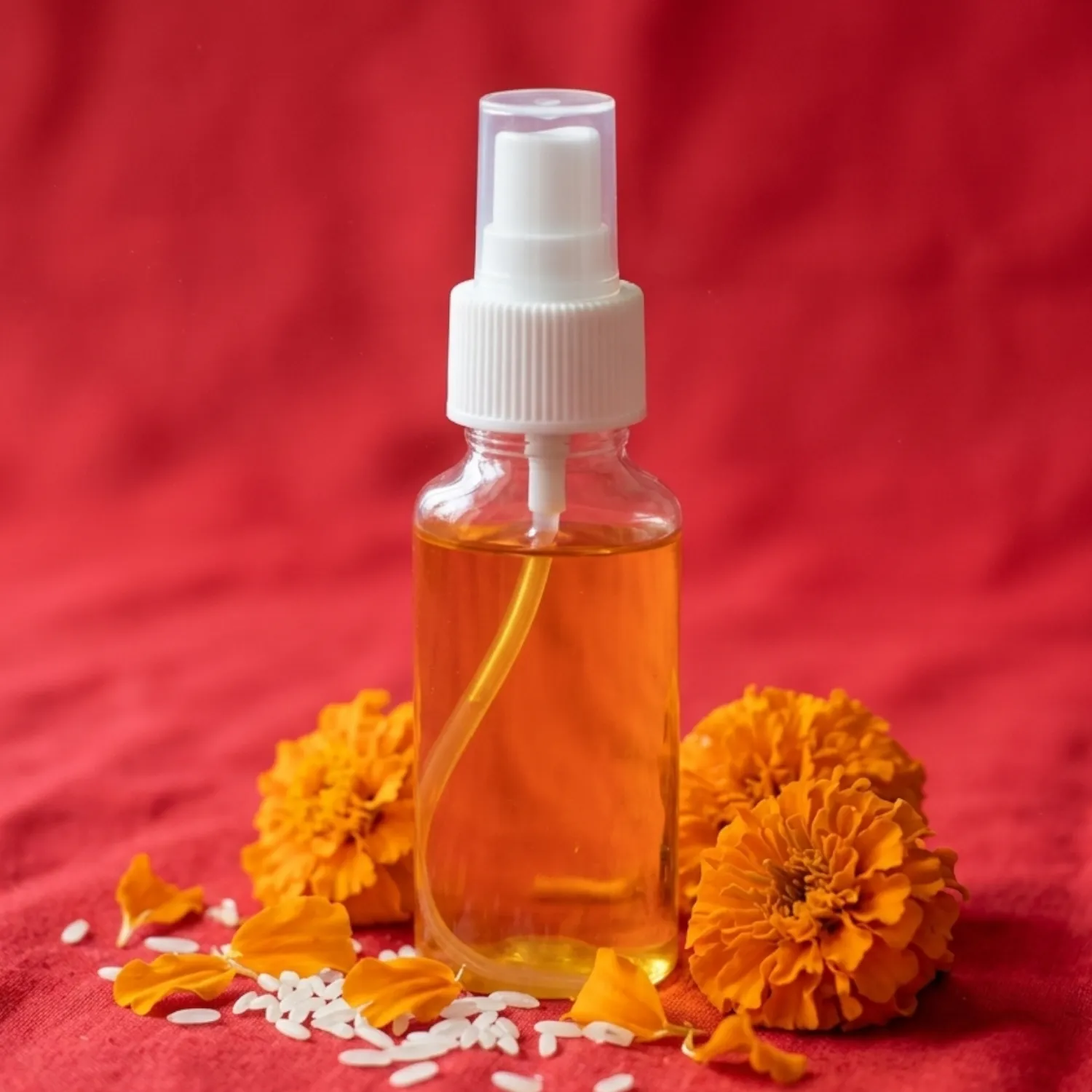
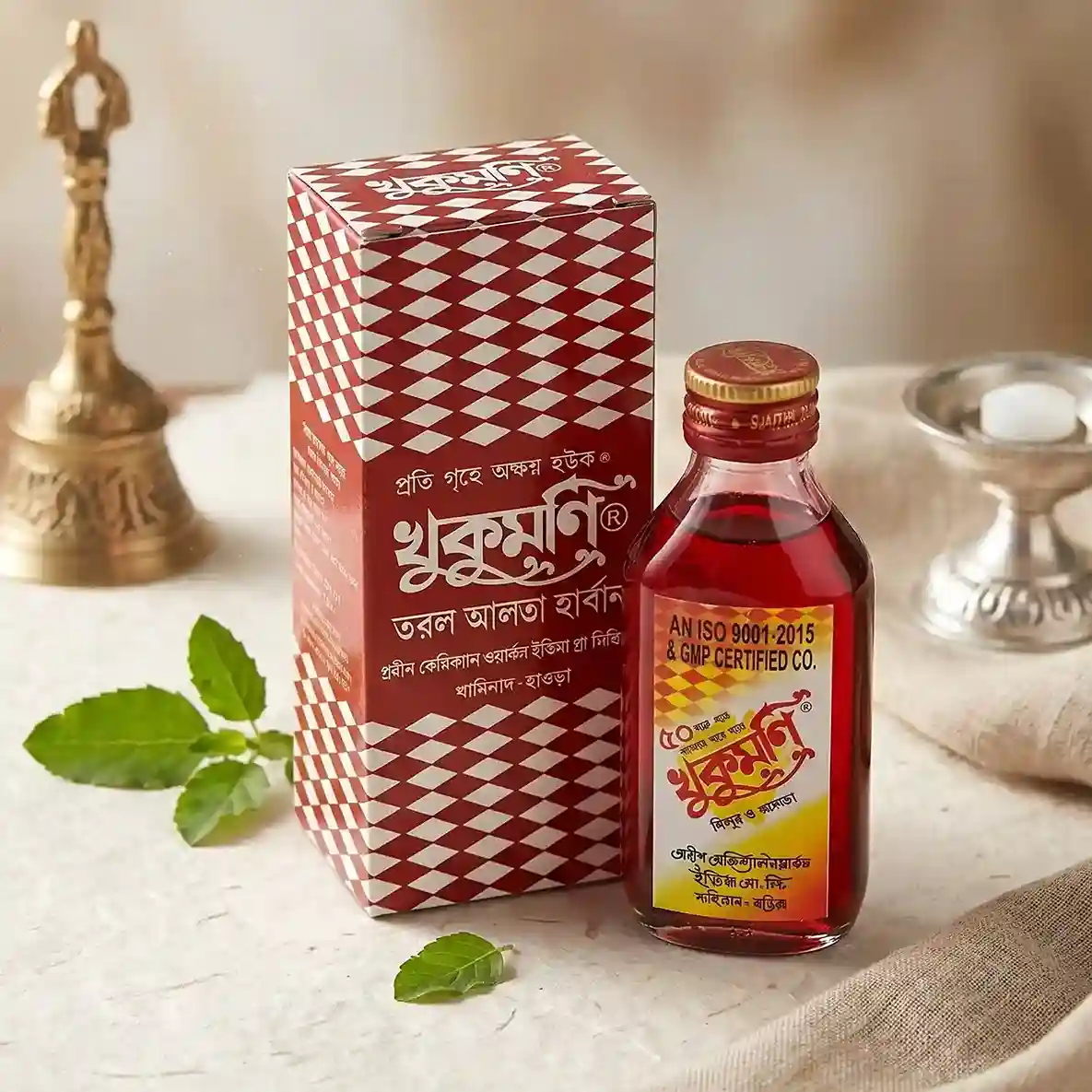
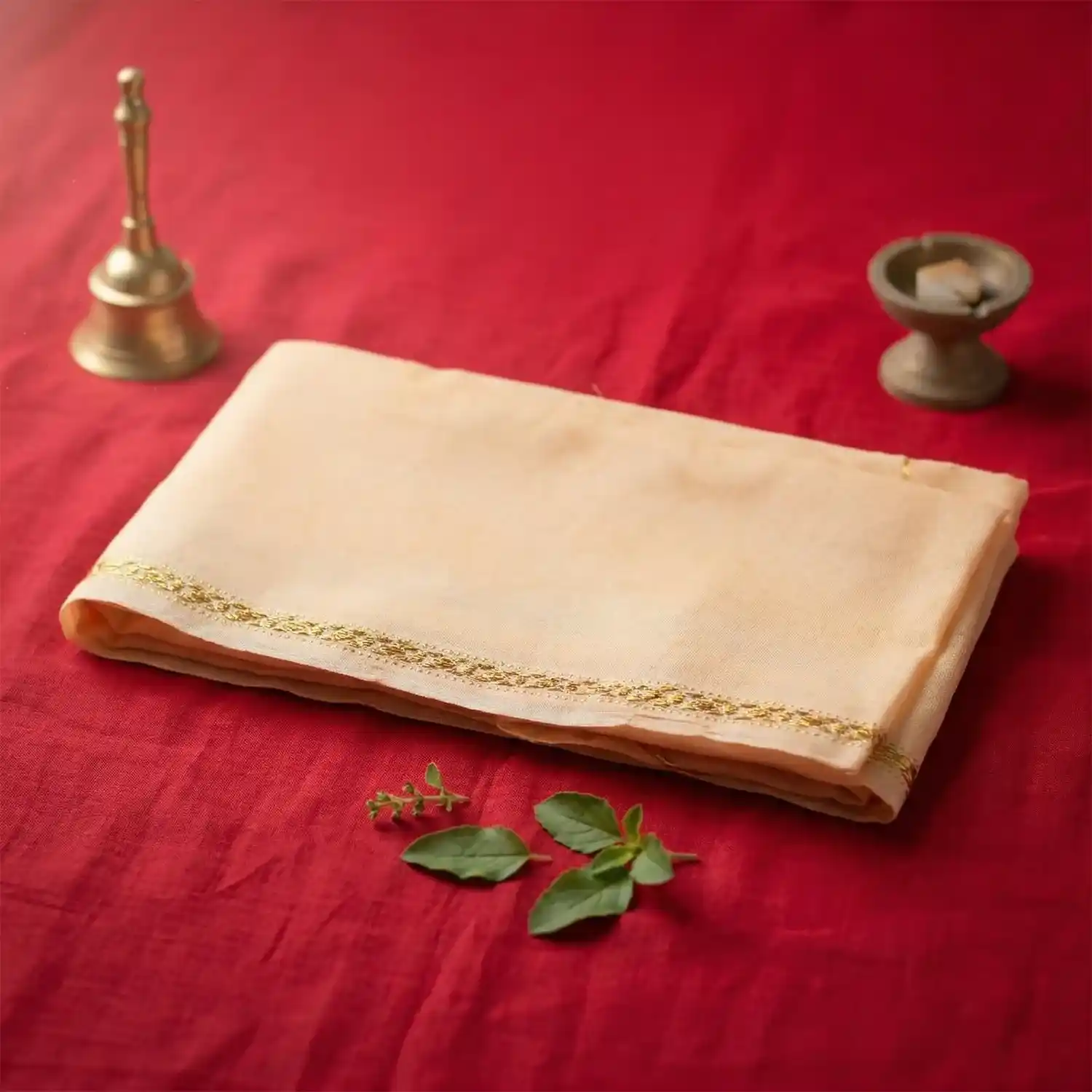
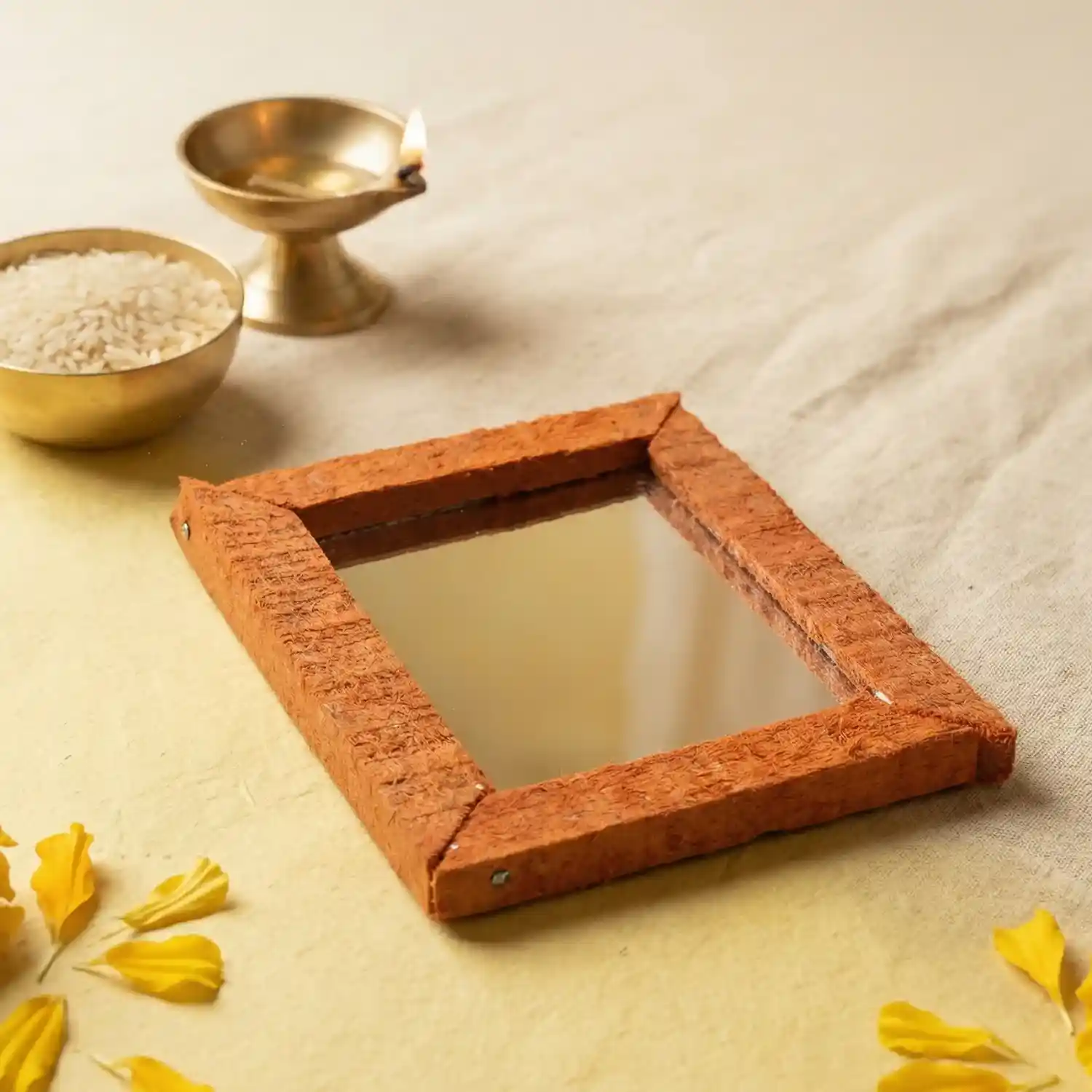
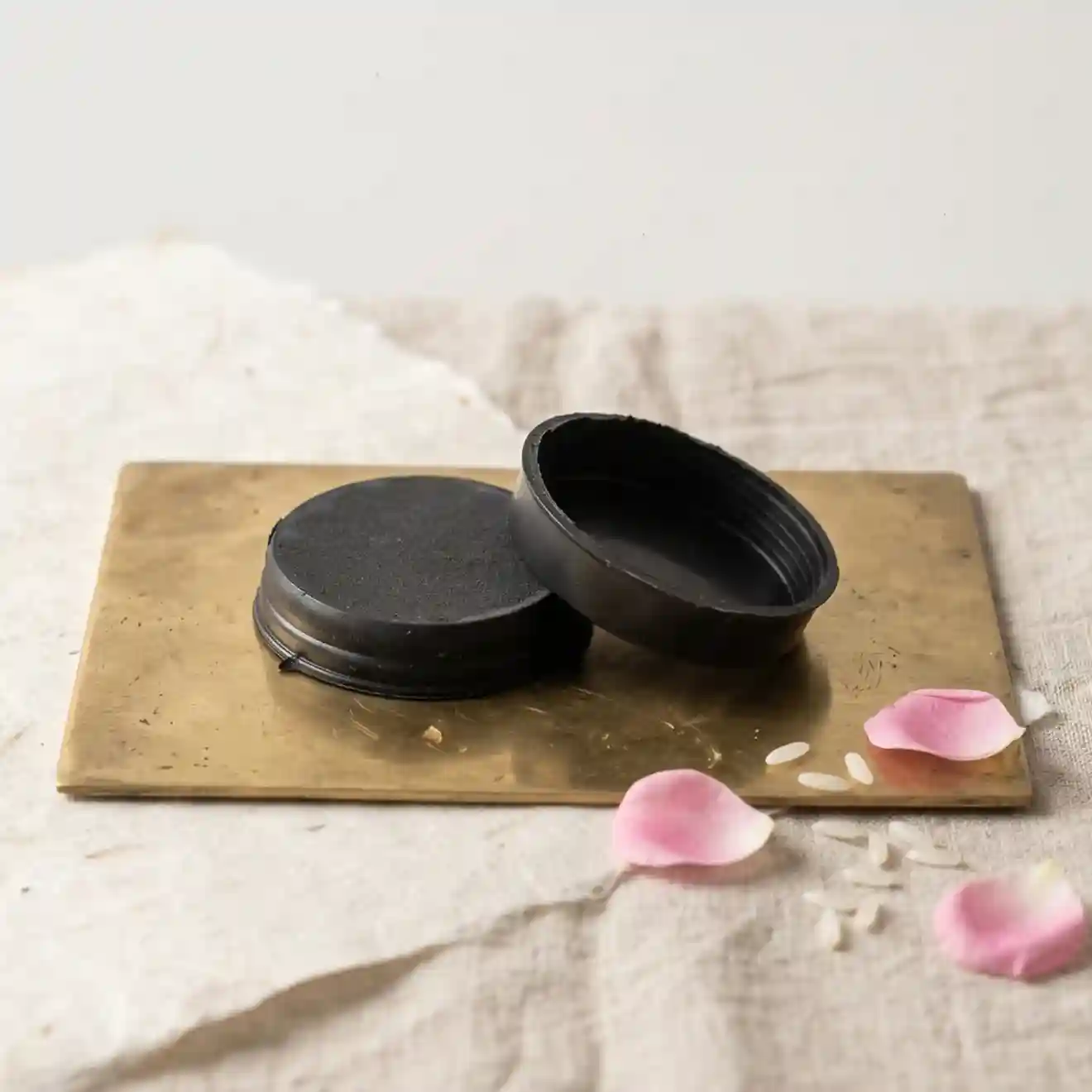
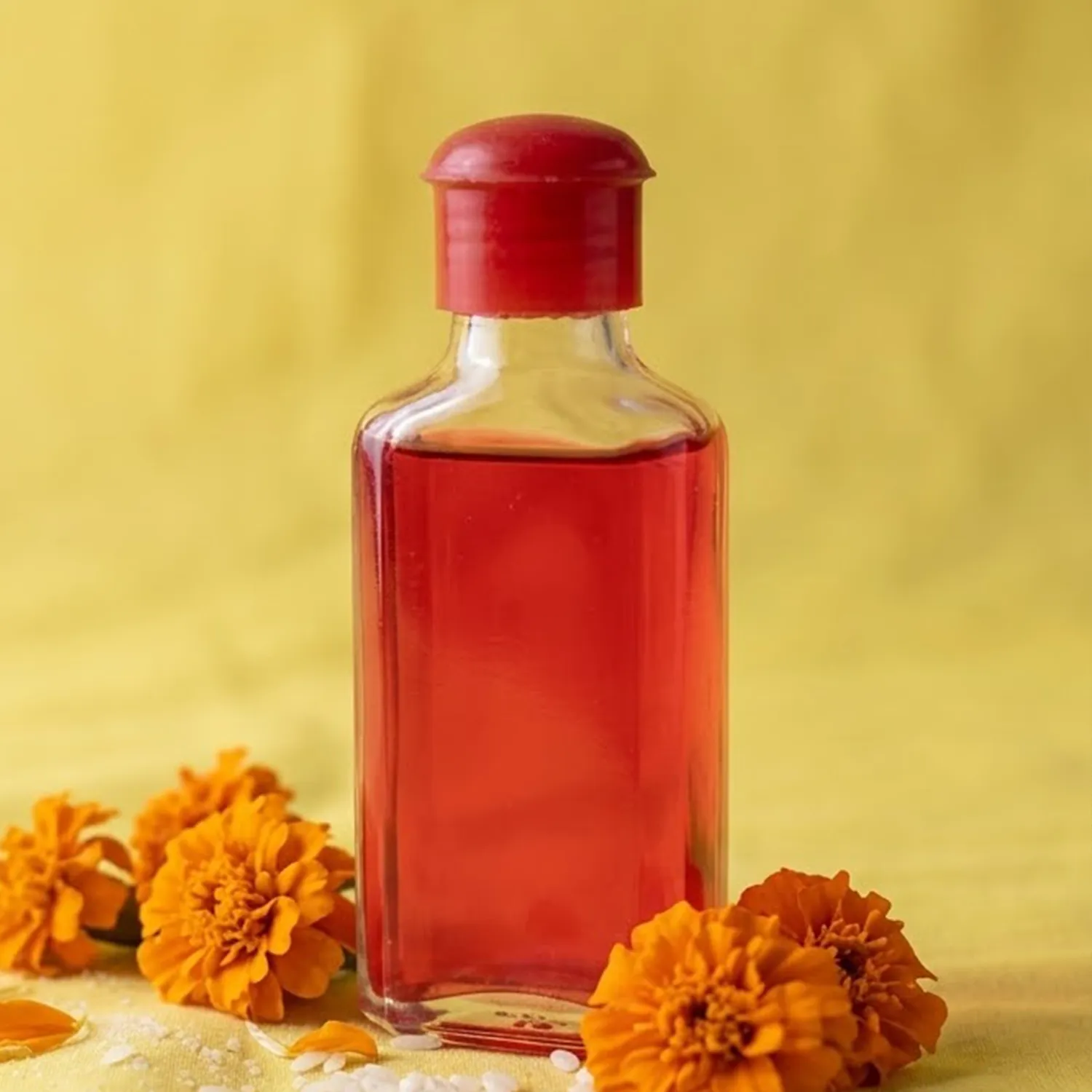
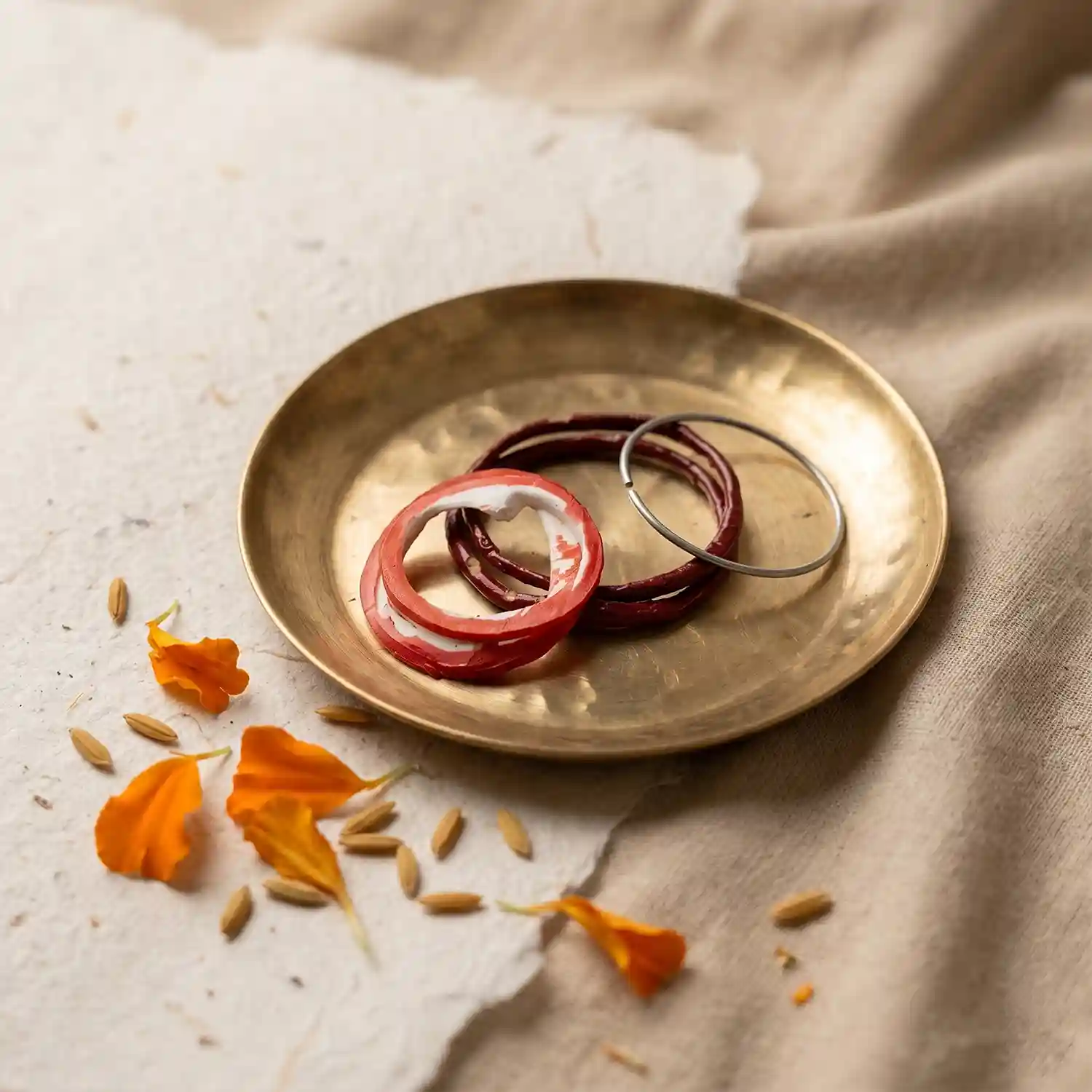
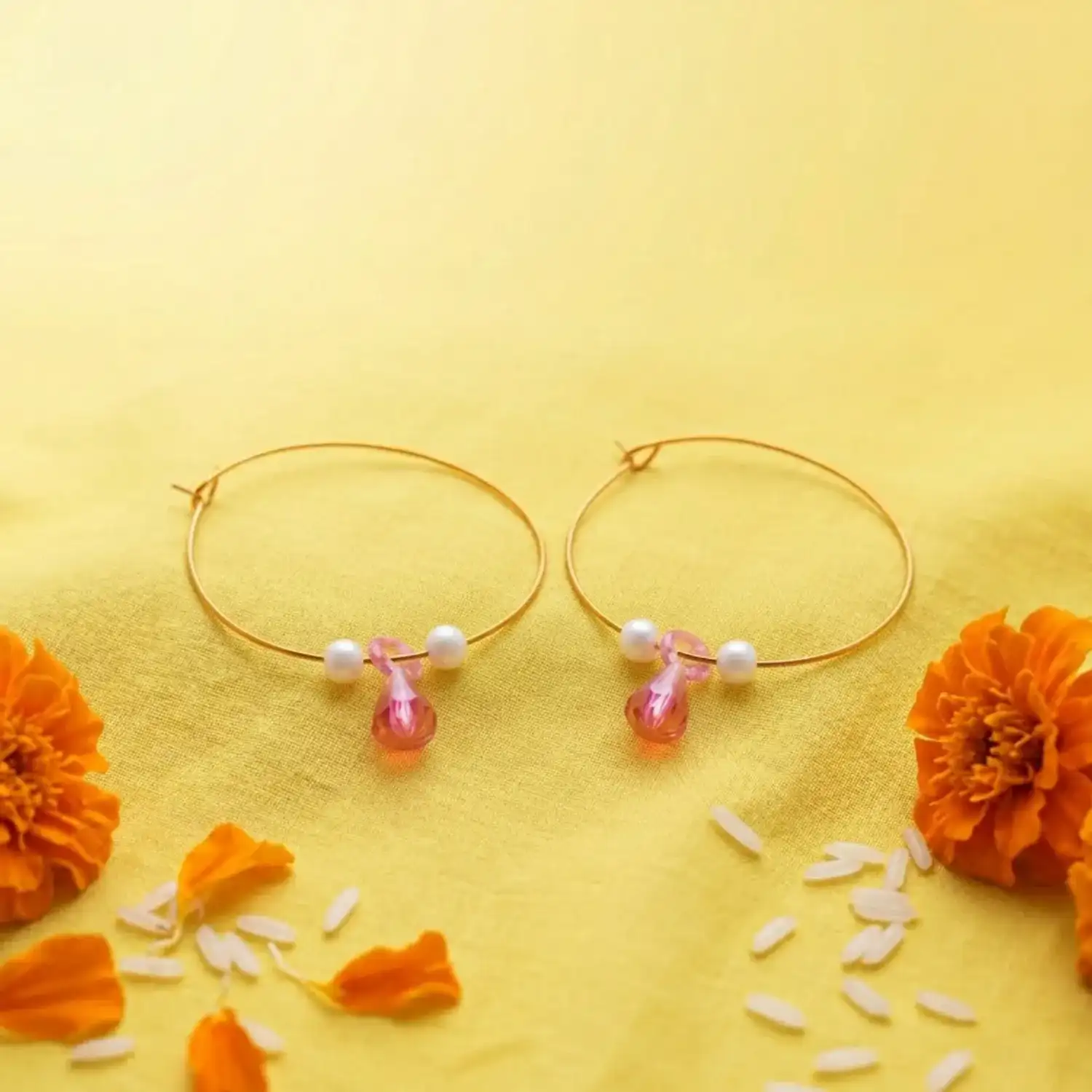
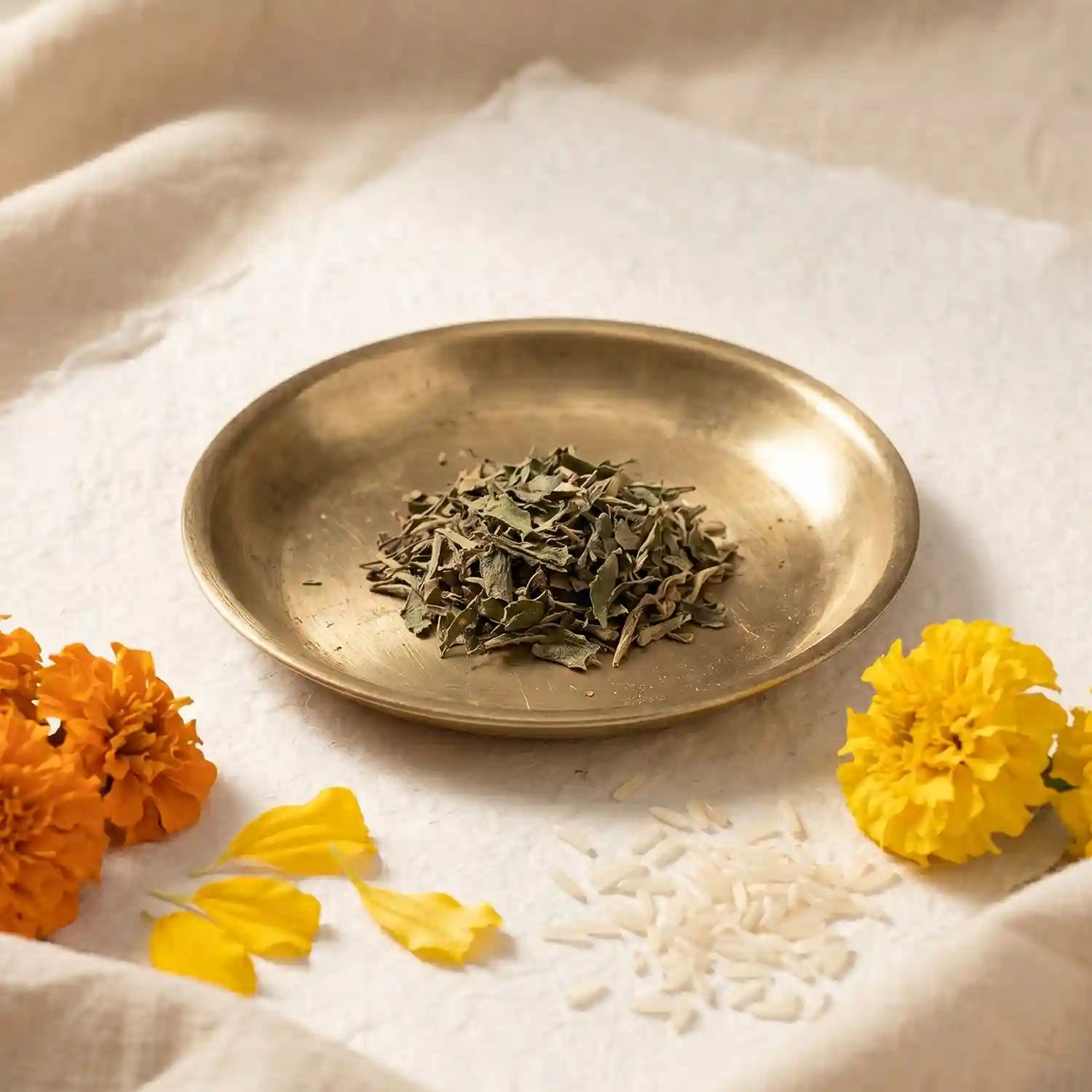
- Mother Kali is invited to the pandal not merely as a cosmic force, but as the living Sovereign Mother. During Step 3 (The Adornment), items like the Java Kusum Oil (Hibiscus oil, Her absolute favorite botanical element), traditional Kajal, and the Nath (sacred nose ring) are offered for Her formal royal grooming (Shringar). Simultaneously, the esoteric Siddhi Leaves (Bhang leaves) are offered on the Puja Place to deeply honor Her fierce, unrestrained manifestation as the destroyer of illusions.
- Q3. What is the traditional purpose of the Boron Kulo (Varan Dala) included in the kit?
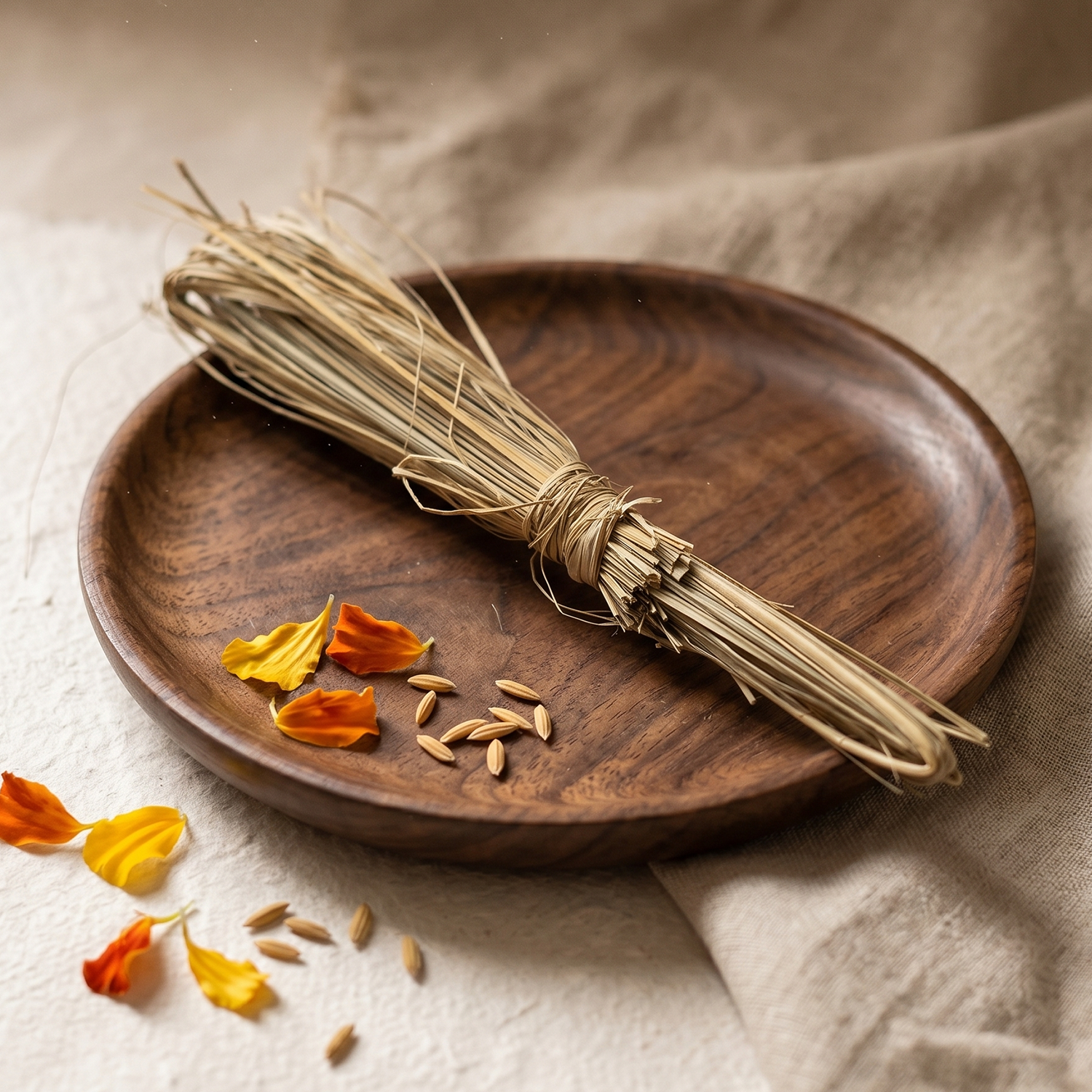
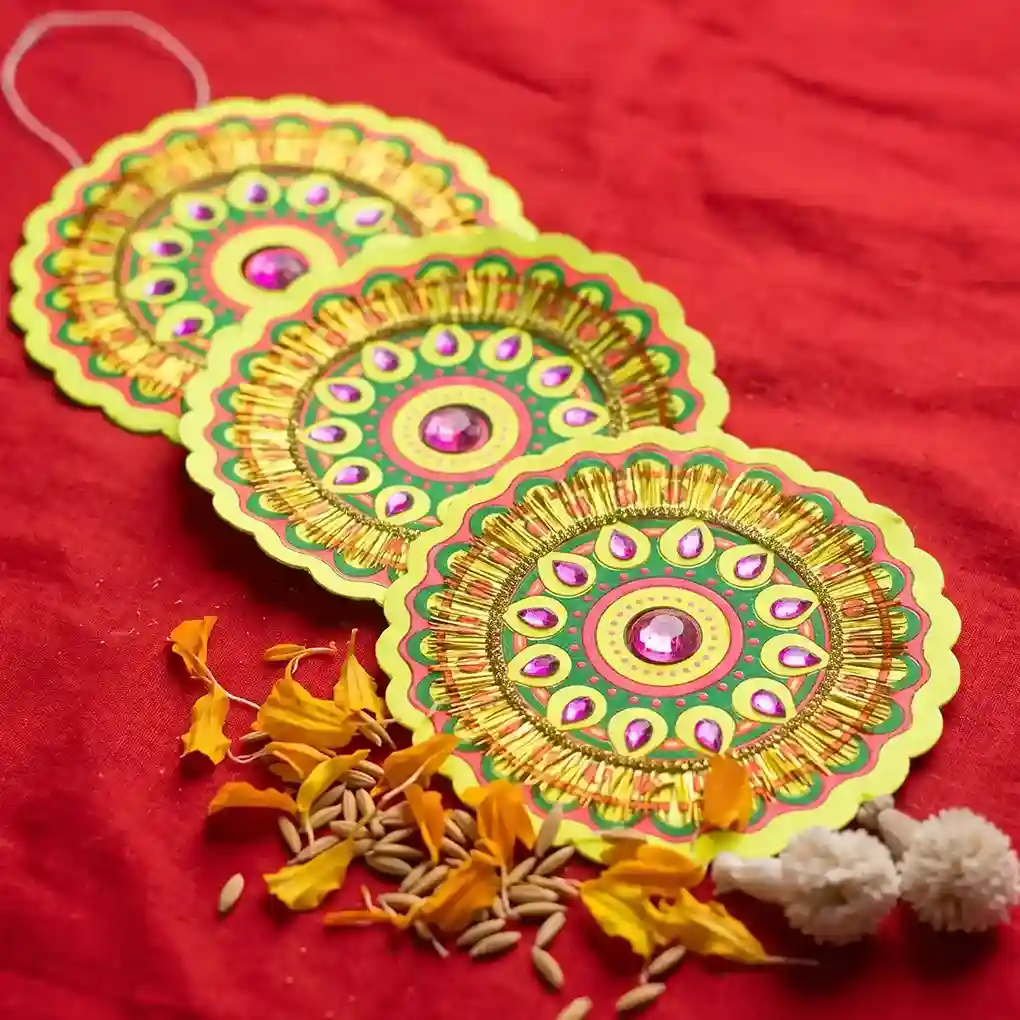
- The Boron Kulo is a traditional, culturally authentic bamboo winnowing platter meticulously prepared for the ritual. In public pandal celebrations, it is used by the priest and senior committee members to formally perform the Baran—the highly auspicious welcoming ritual of the Goddess upon Her arrival at the venue. It sets an immediate tone of reverence and high hospitality for the entire public festival.
- Q4. Why is the timeline of the midnight hours (Mahanisha Kaal) so critical for this ritual?
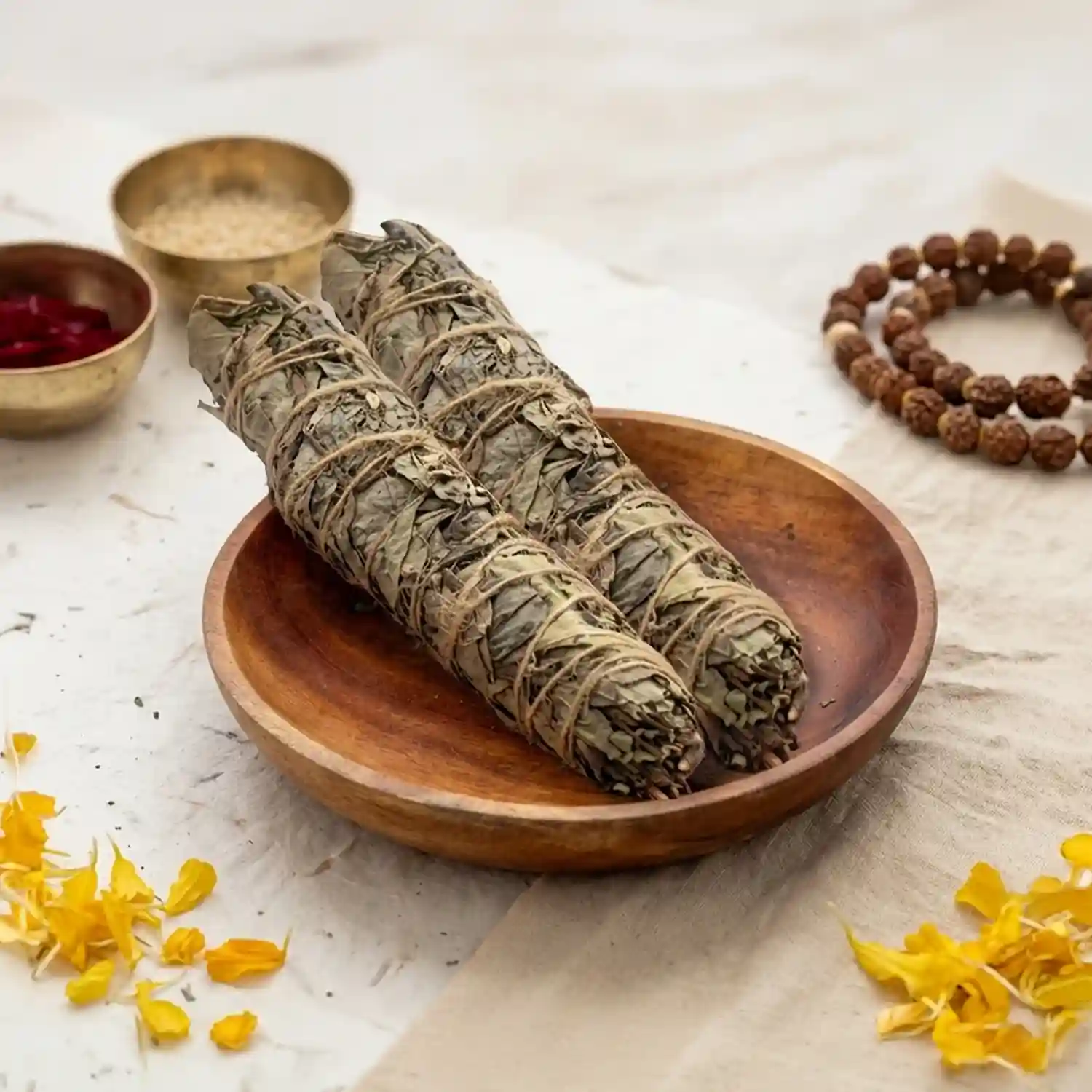
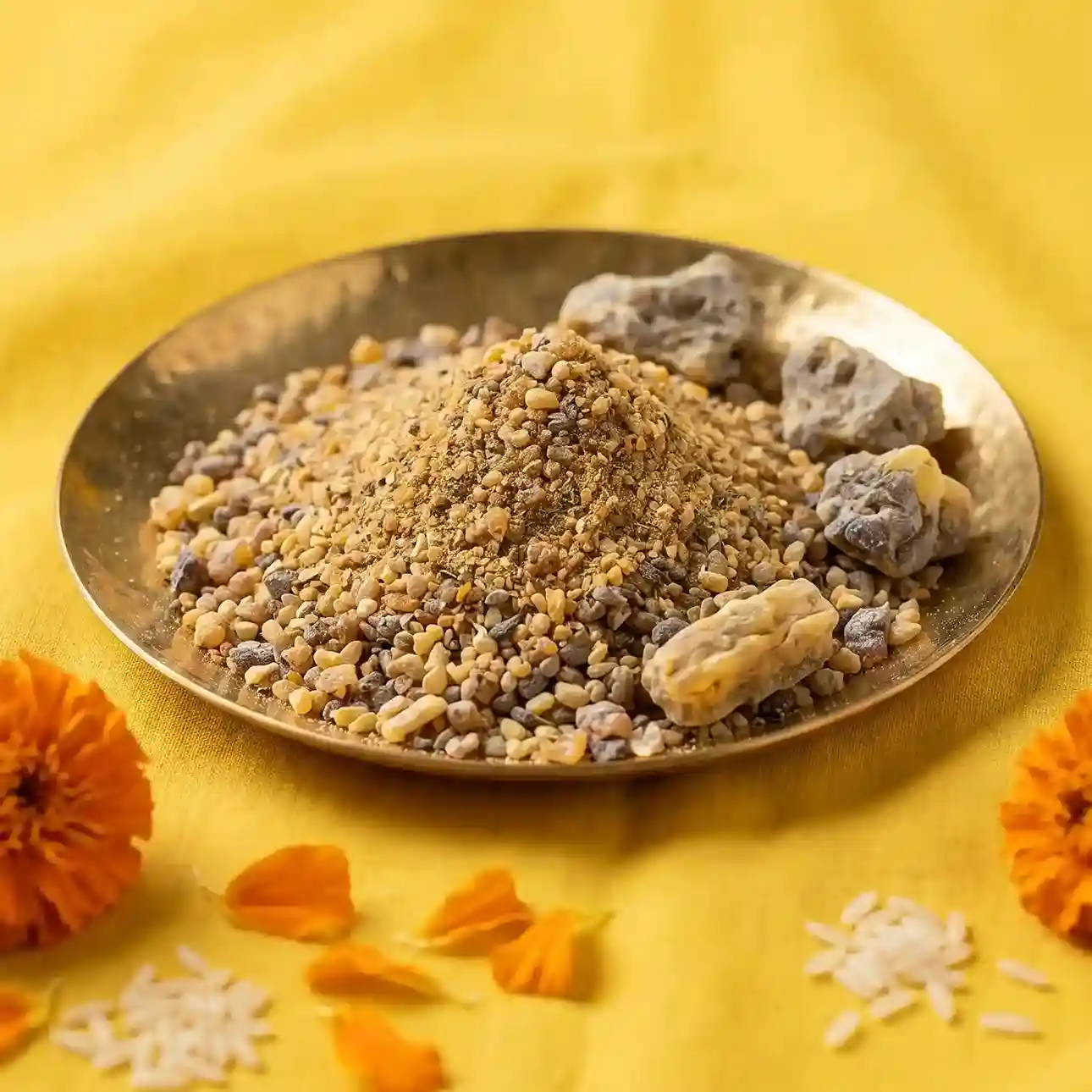
- Unlike daytime deities, Mother Kali's energy peaks during Mahanisha Kaal—the profound midnight hours of the Amavasya night. Organizers should plan the main phases of the ritual to coincide with this cosmic window. When the Grand Pandal Havan concludes, ensure local families are present so the massive volume of protective smoke from the Dhuna, Guggal, and Chhobra can be swept across the crowd to clear personal fears and negative patterns.
- Q5. How should we set up the primary Puja Place layout and the candle wicks on the stage?
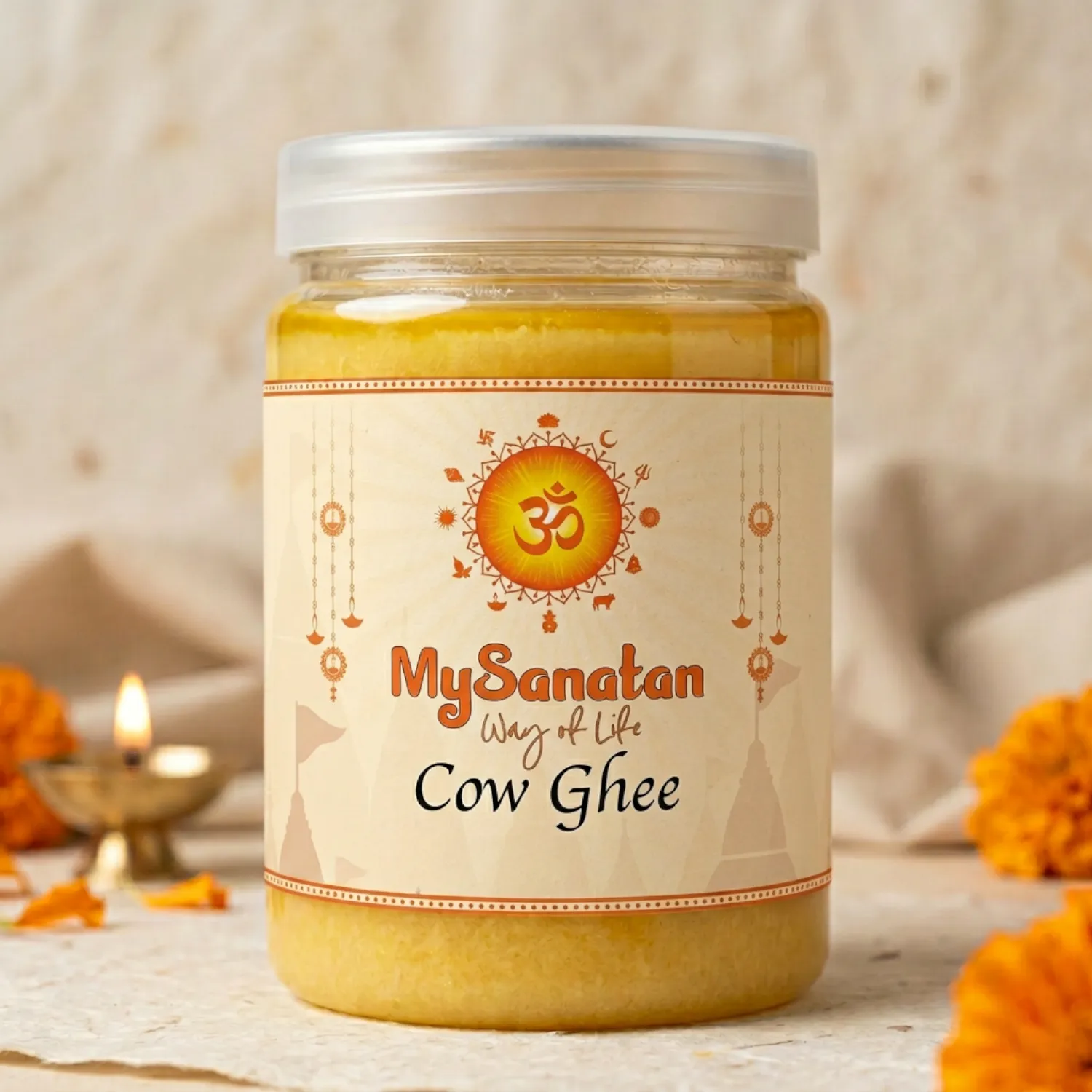
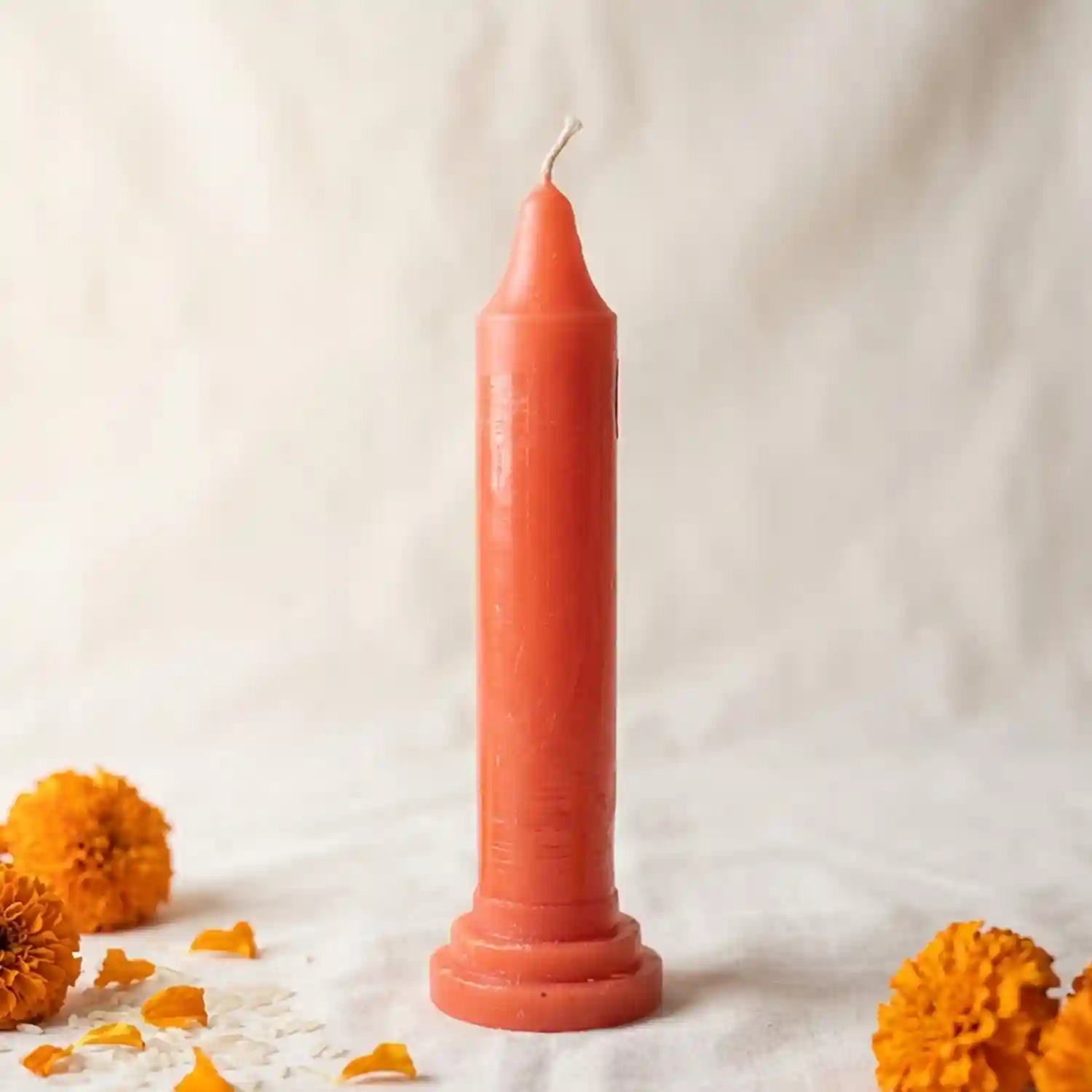
- The kit provides complete sets of Mustard Oil and Cow Ghee. Ensure that your primary ritual lamp sits strictly on the right side of the Goddess (from the viewer's left). Additionally, the white stick Candles (Mombati) included in the kit should be lit around the perimeter of the main Puja Place during the midnight hour to symbolize the triumph of divine light over the dense darkness of the Amavasya night.
- Q6. How does this kit support the priest in executing advanced purification formulas on public pandal grounds?
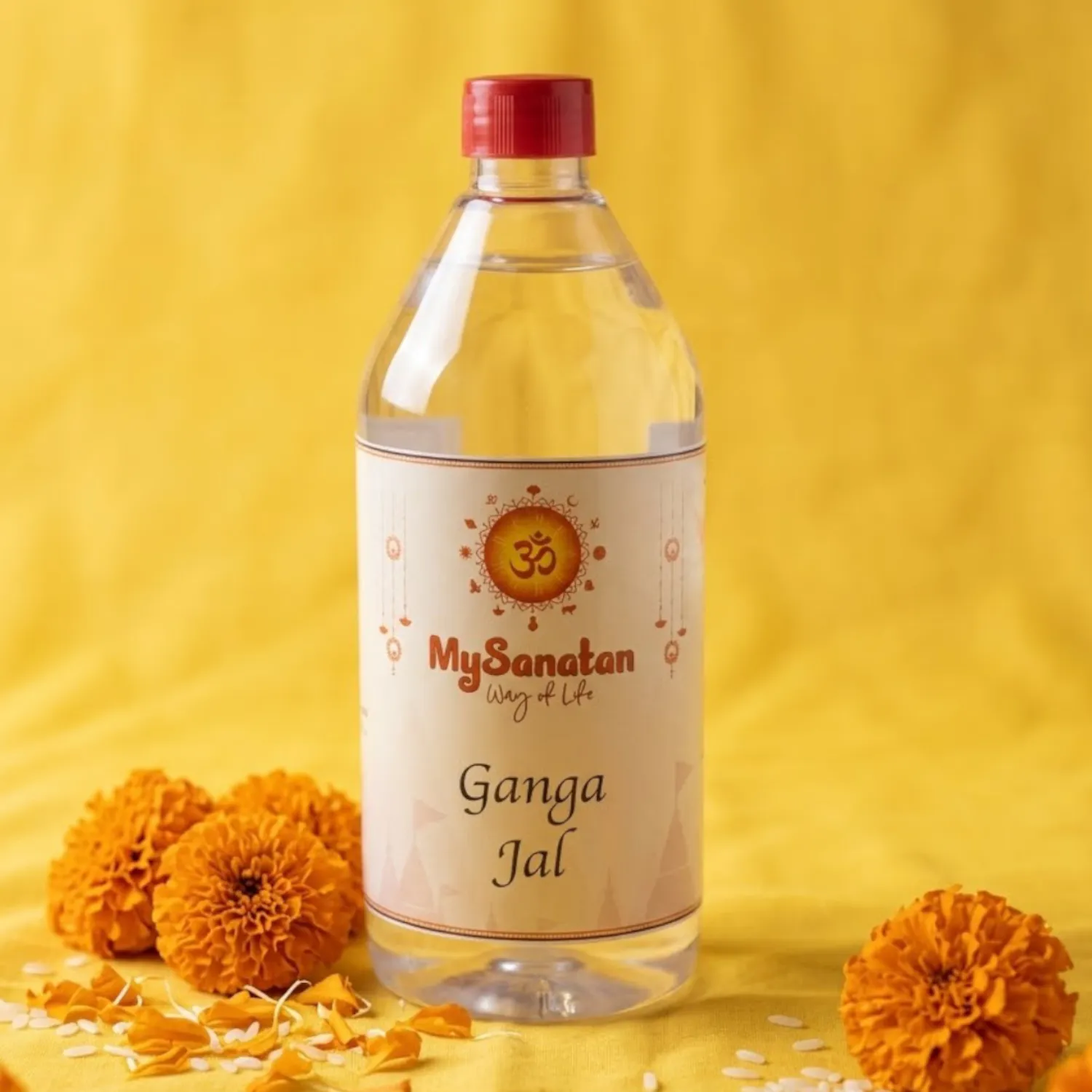
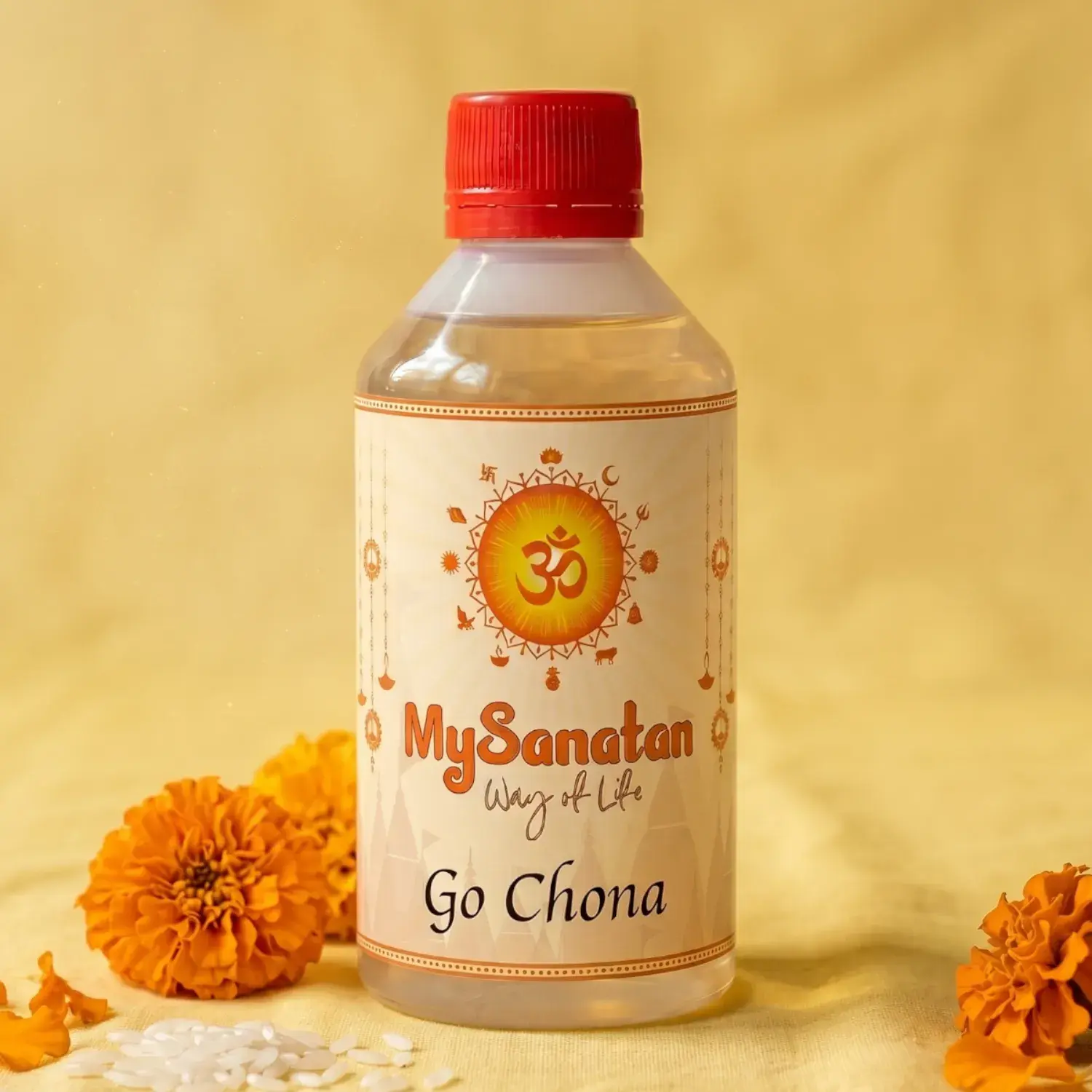
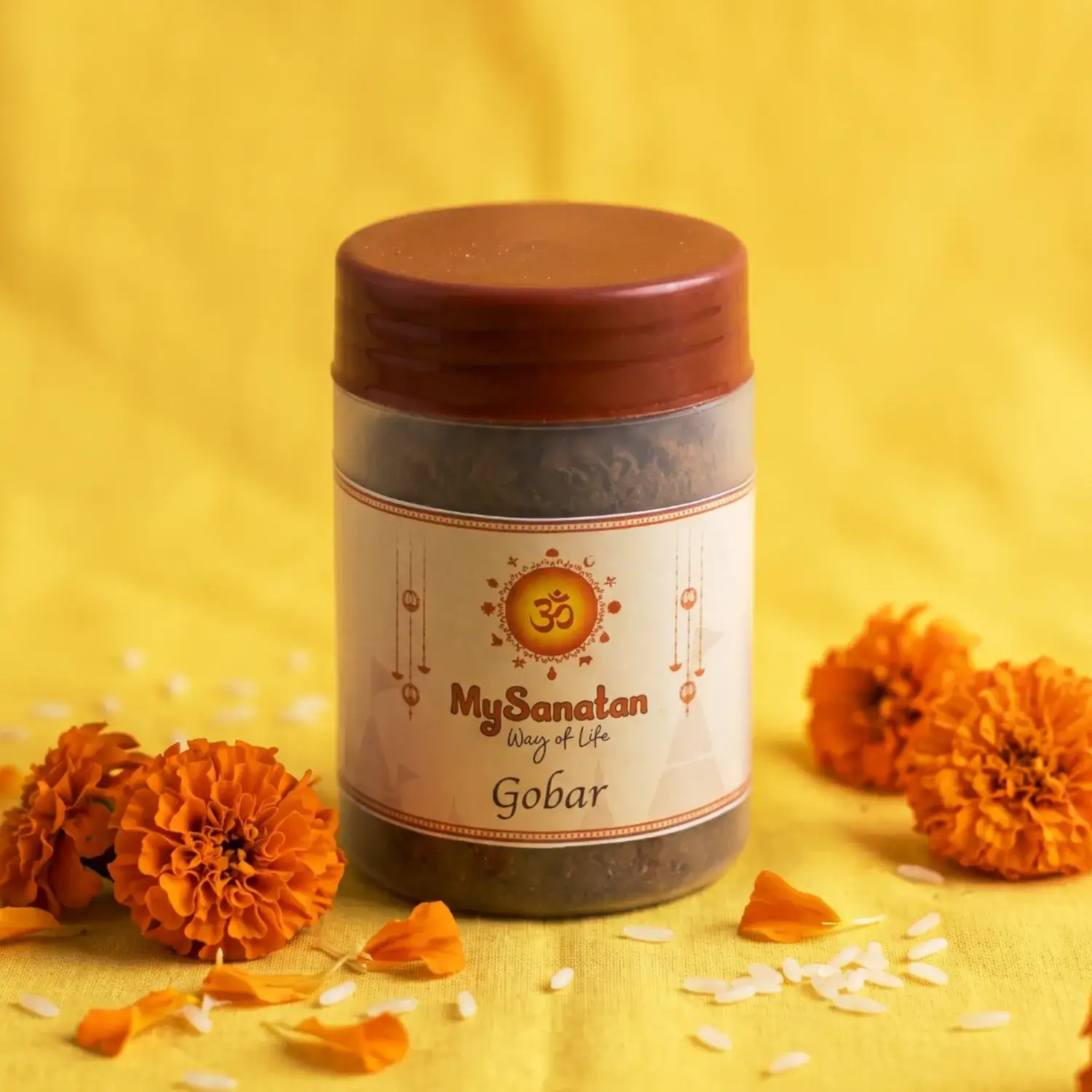
- Amavasya pandal venues accumulate intense environmental friction from massive public footfall. To establish a clean, pure energetic baseline, Step 1 provides a scripturally accurate combination of 100% pure Ganga Jal, Gau Mutra (Cow Urine), and premium Gobar (Cow Dung cake). This empowers the Pandit to execute advanced space-clearing protocols, deep Pranayama, and complex Bhuta-shuddhi before the arrival of the Mahanisha Kaal.
- Q7. What structural purpose do the Teer Kathi, Tekaata, and specialized powders serve during the Ghat installation?
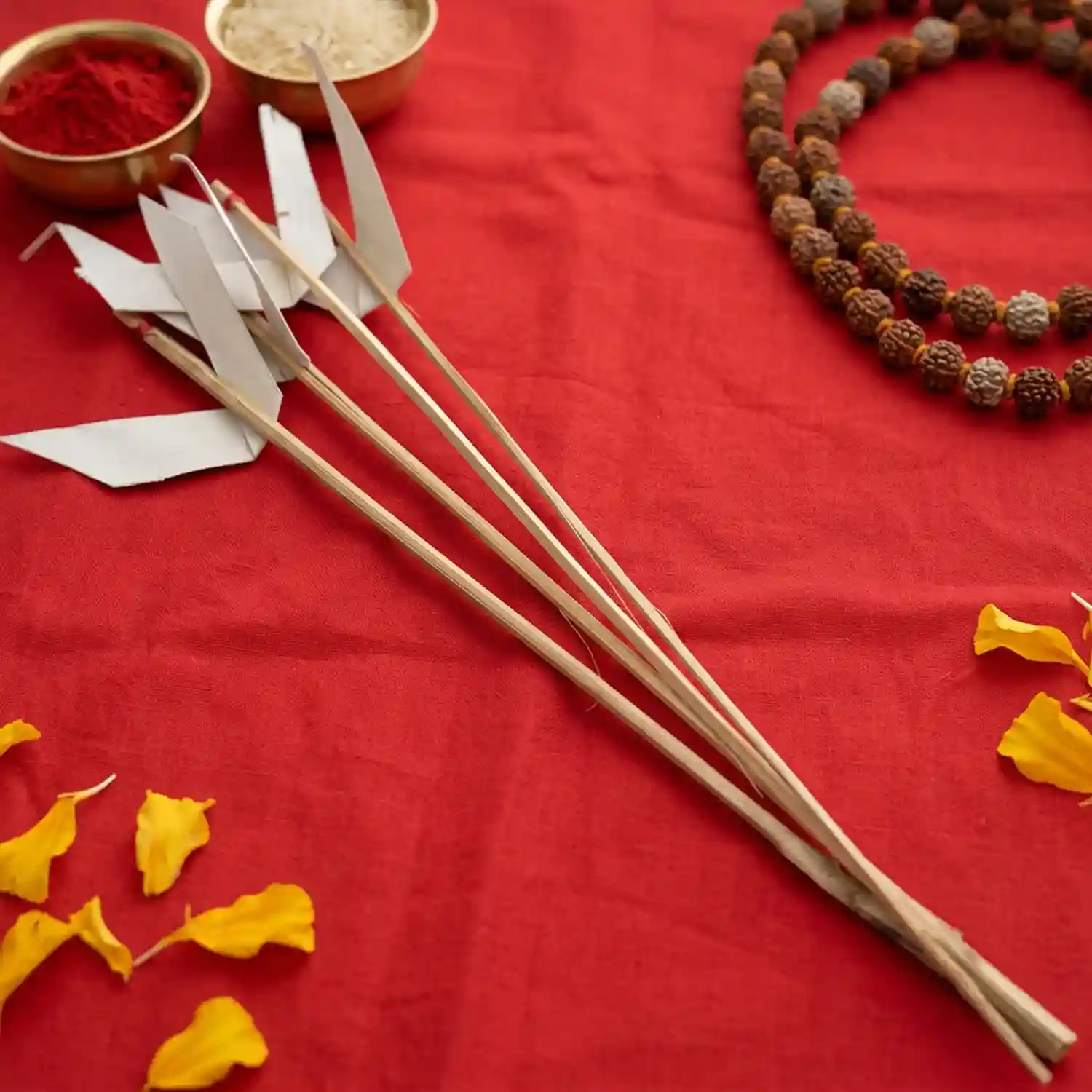
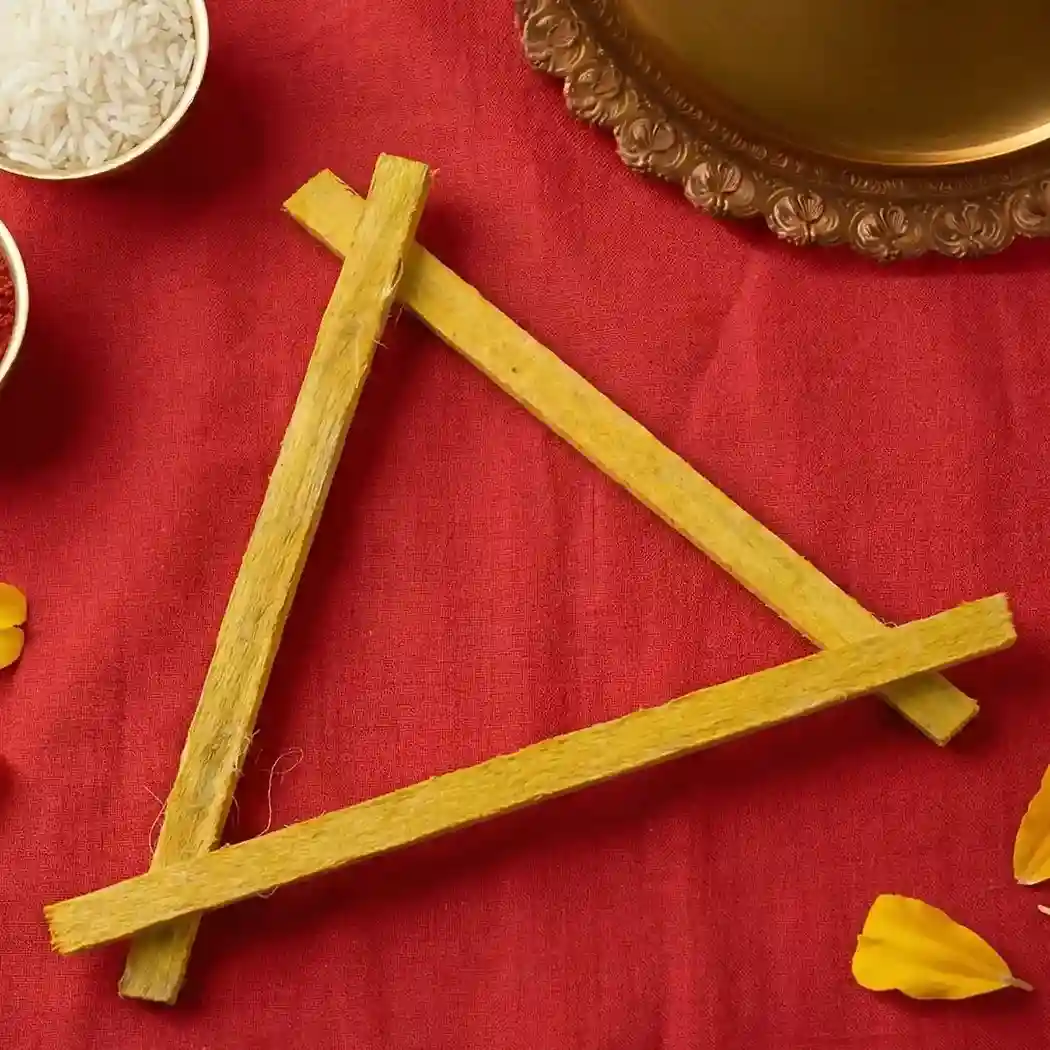
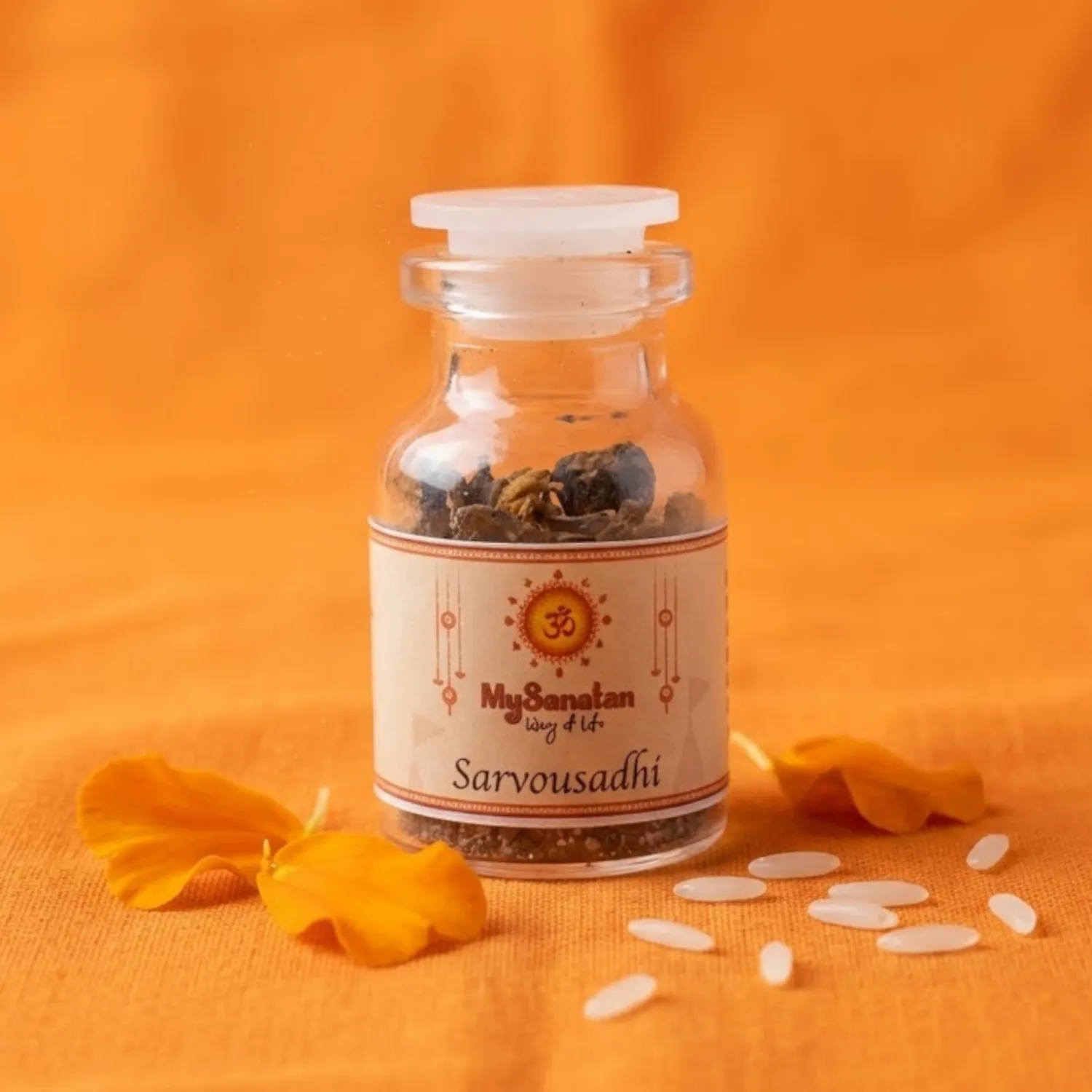
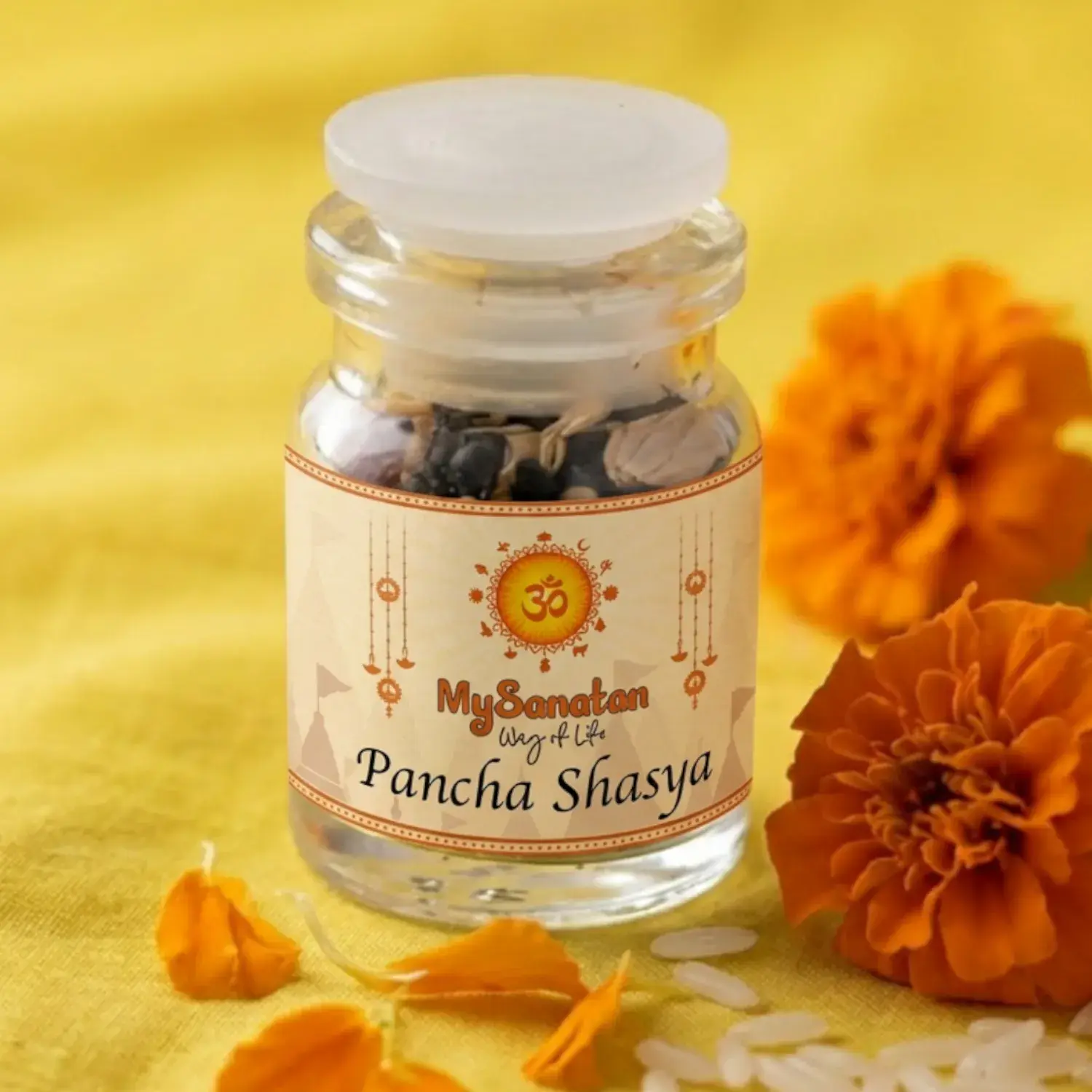
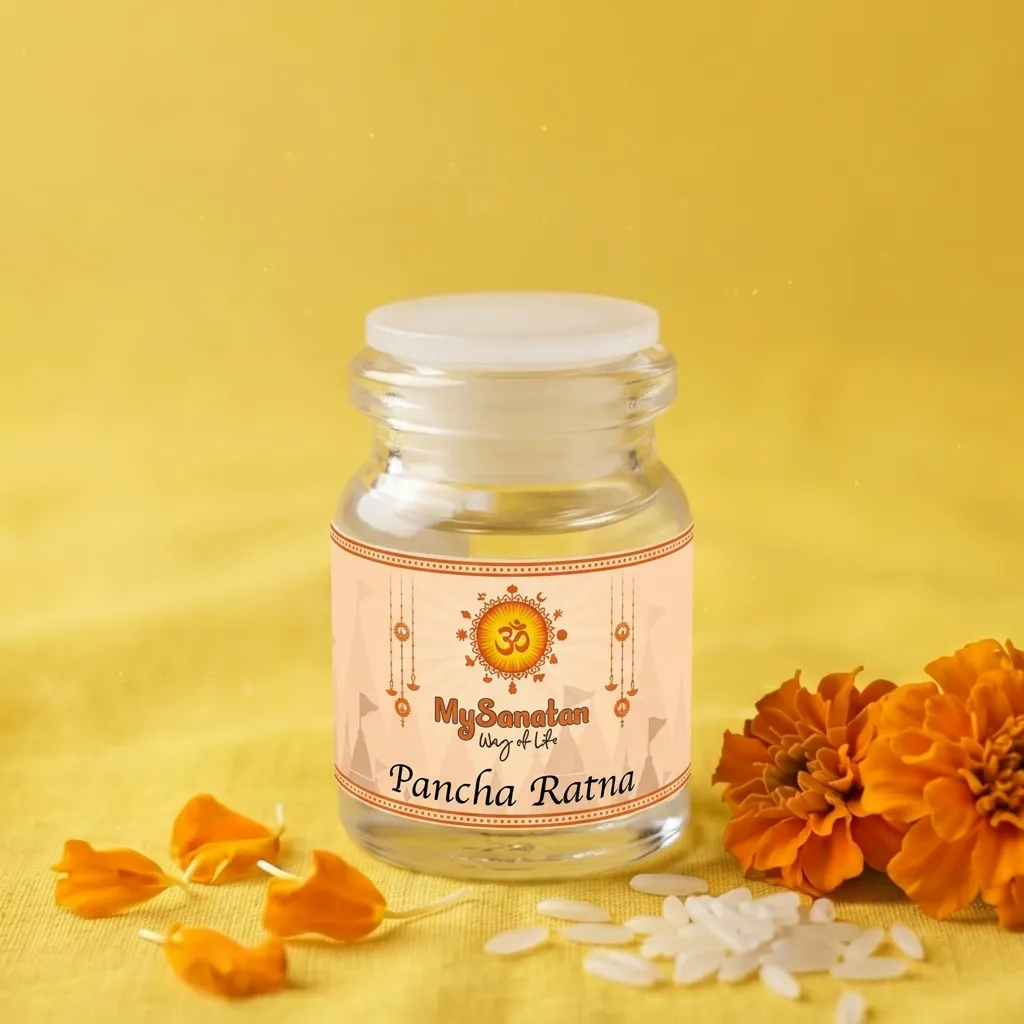
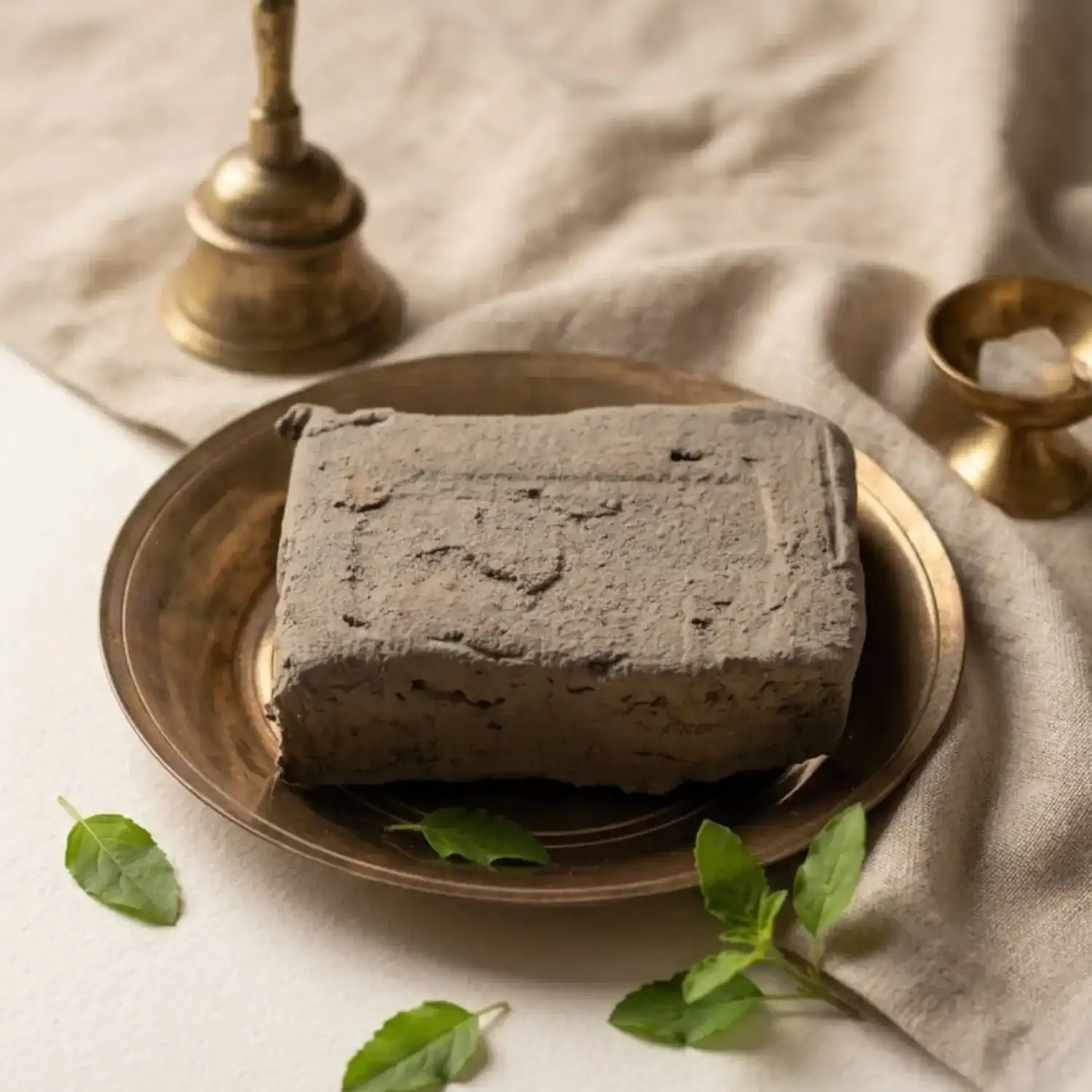
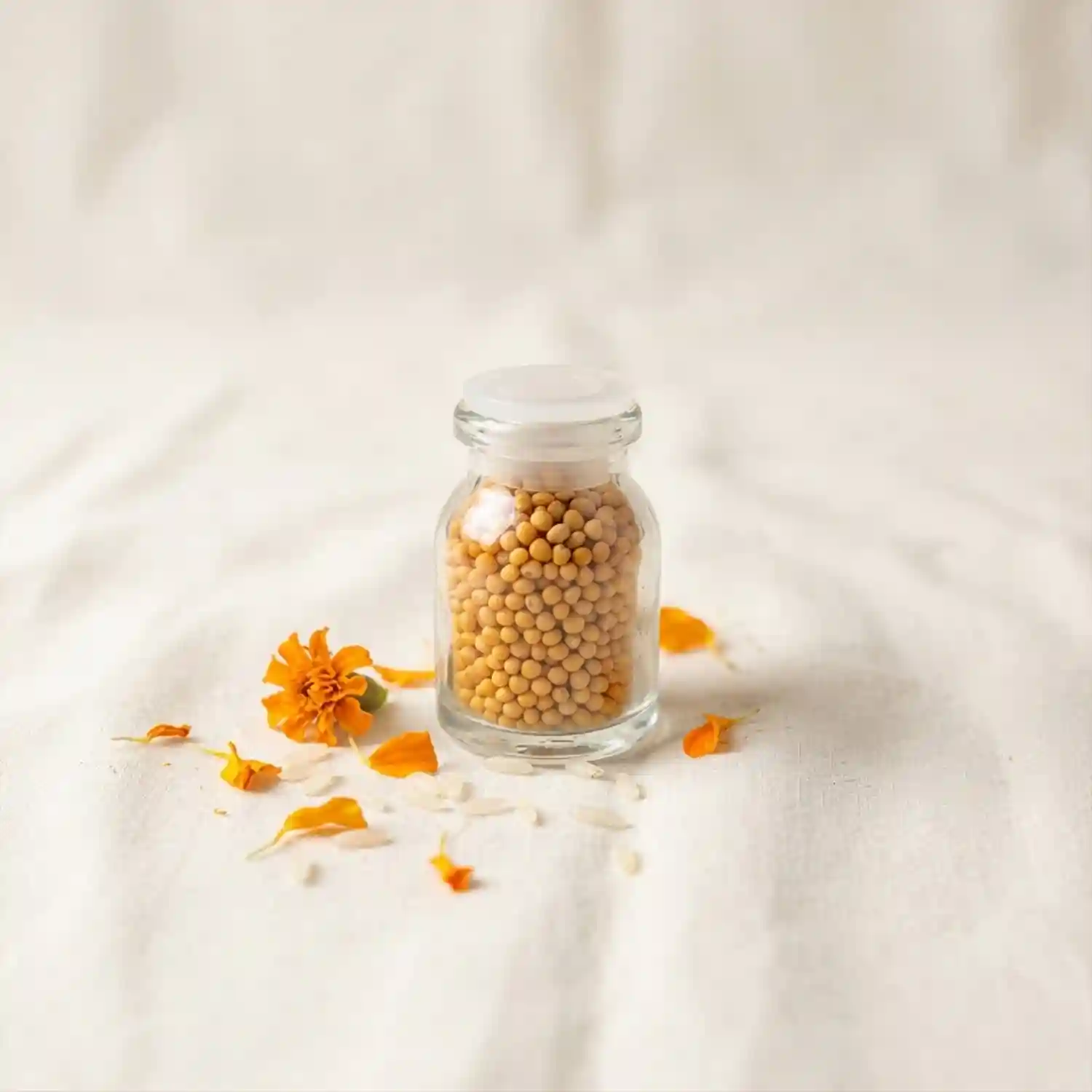
- To build an impenetrable defensive grid around the community's financial and social well-being, generic Puja Place setups will not suffice. During Step 2, the Pandit utilizes the four bamboo Teer Kathi, the Tekaata (triangle wooden frame), and Yellow Mustard Seeds to formally lock the spatial boundaries of the Puja Place. Paired with Ganga Mitti, Pancha Ratna, Pancha Sashya, and Sarbausadhi Herbs, the Ghat is established exactly as mandated by the Purohit Darpan.
- Q8. How do the Pancha Guri, Pancha Rang, and distinct Chandanas activate the ritual mandalas?
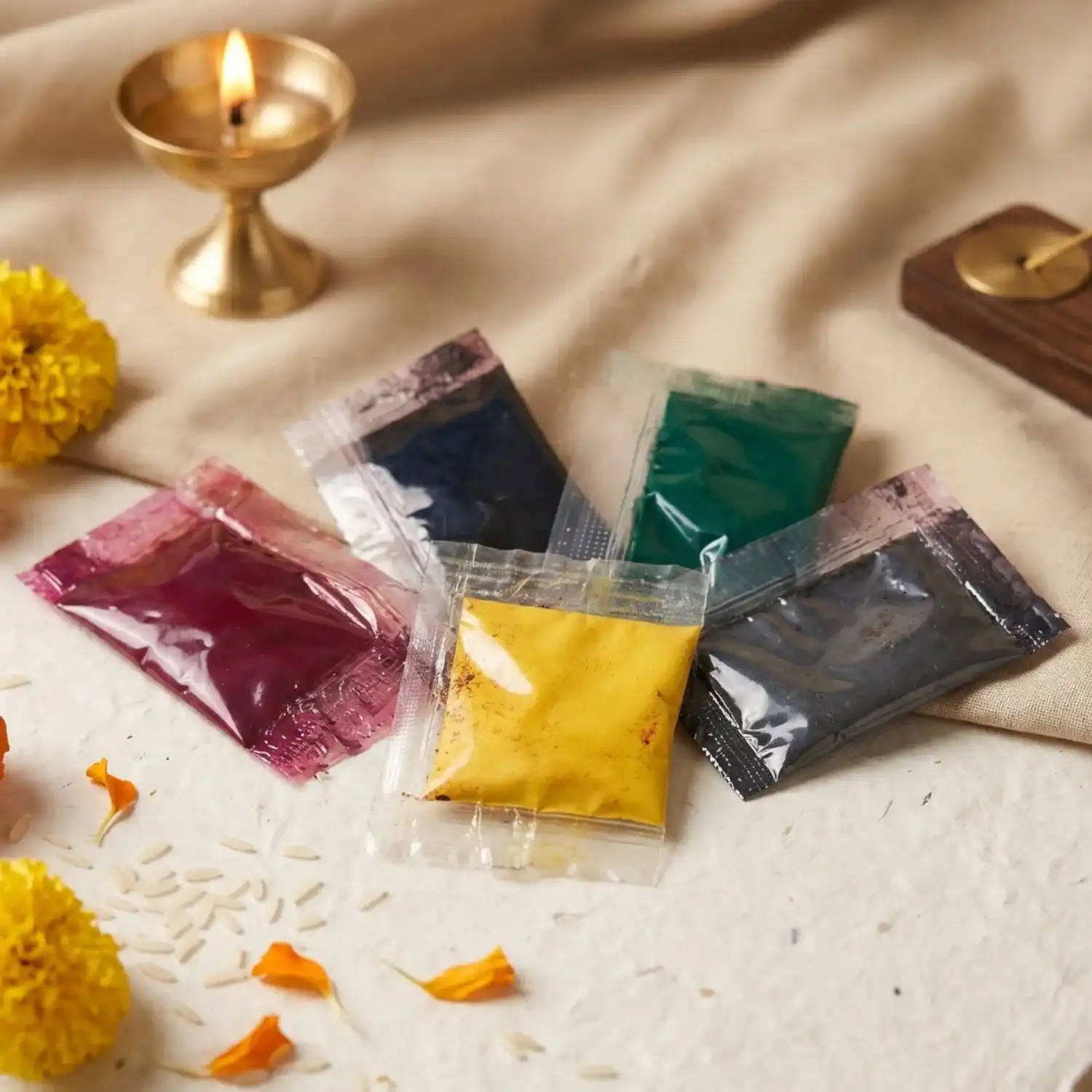
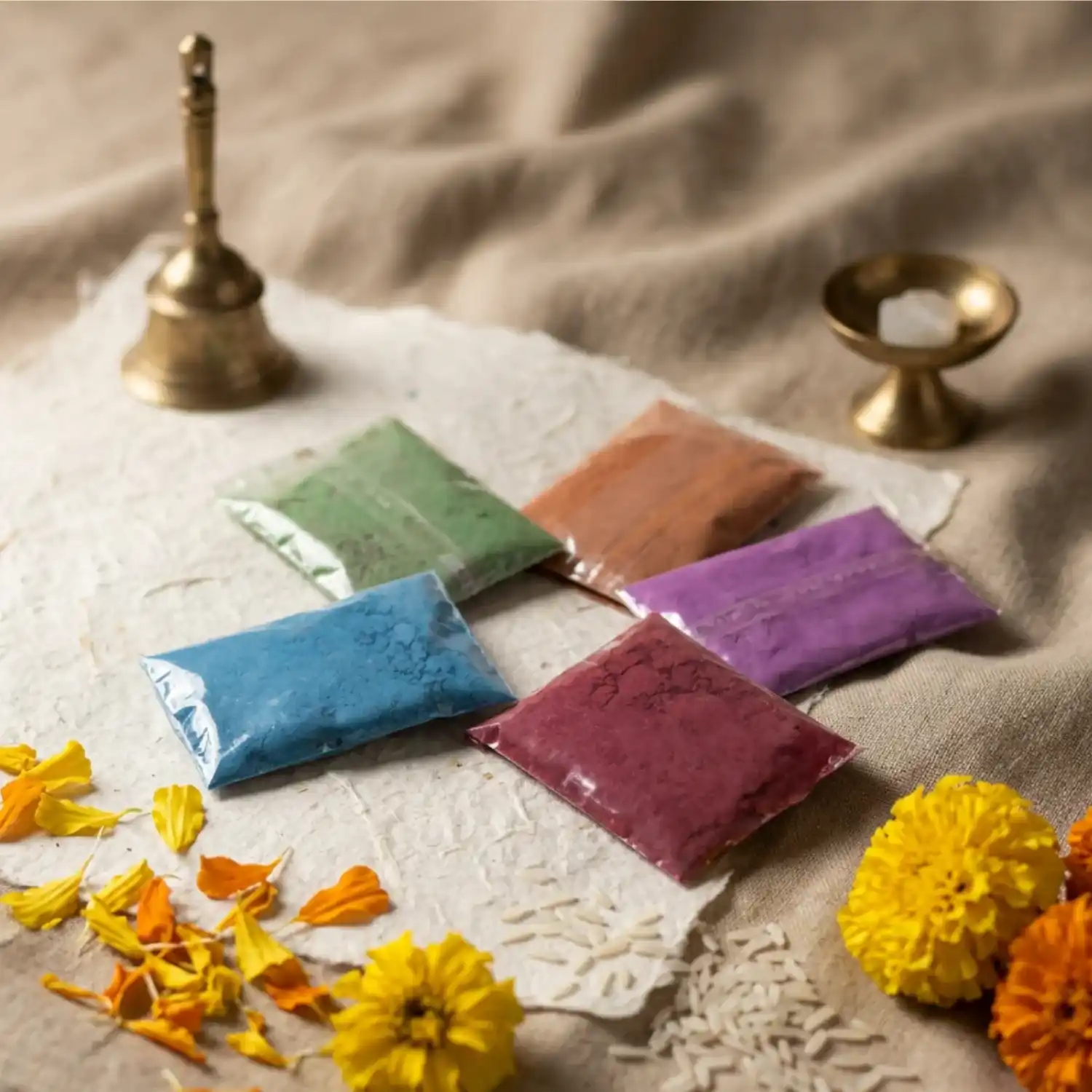
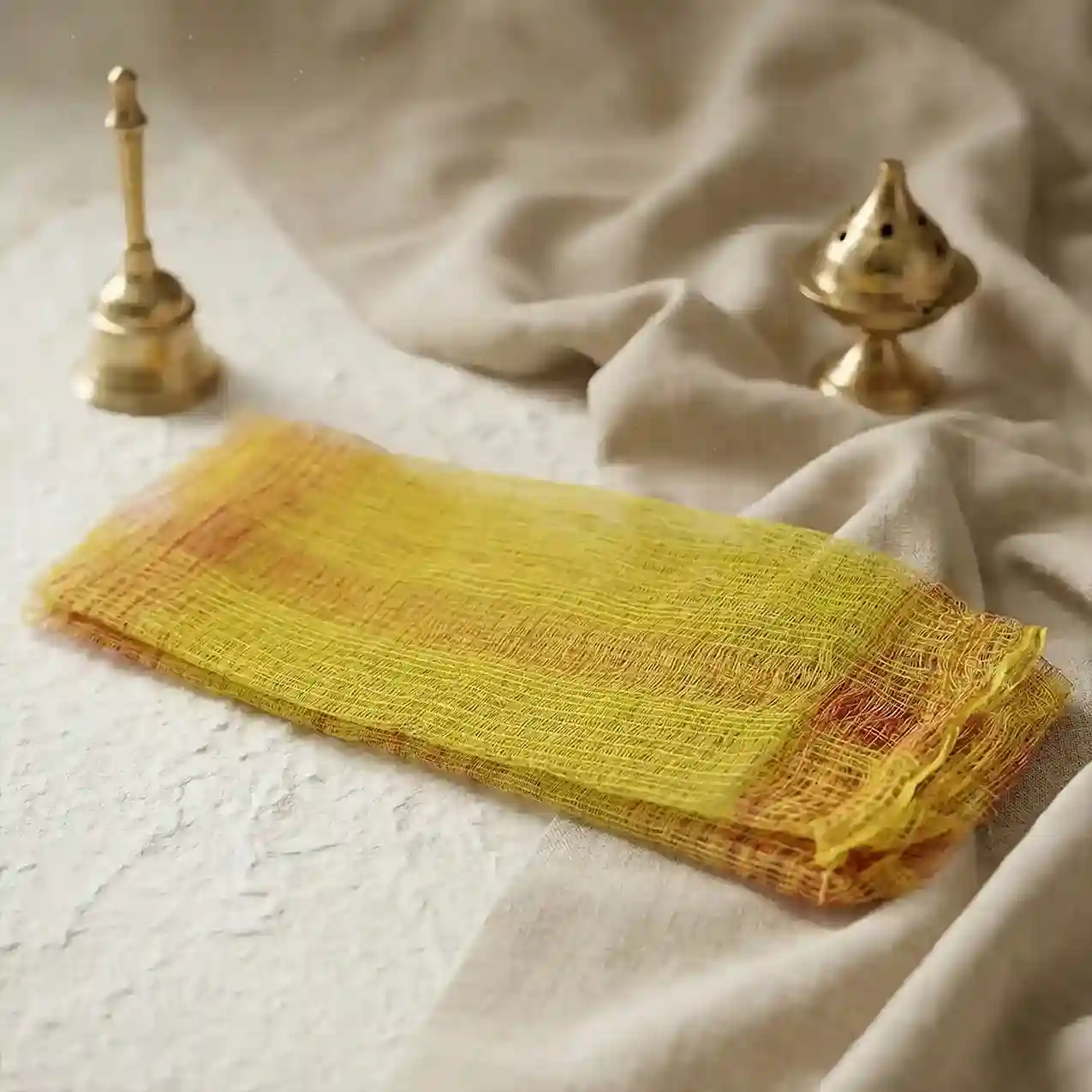
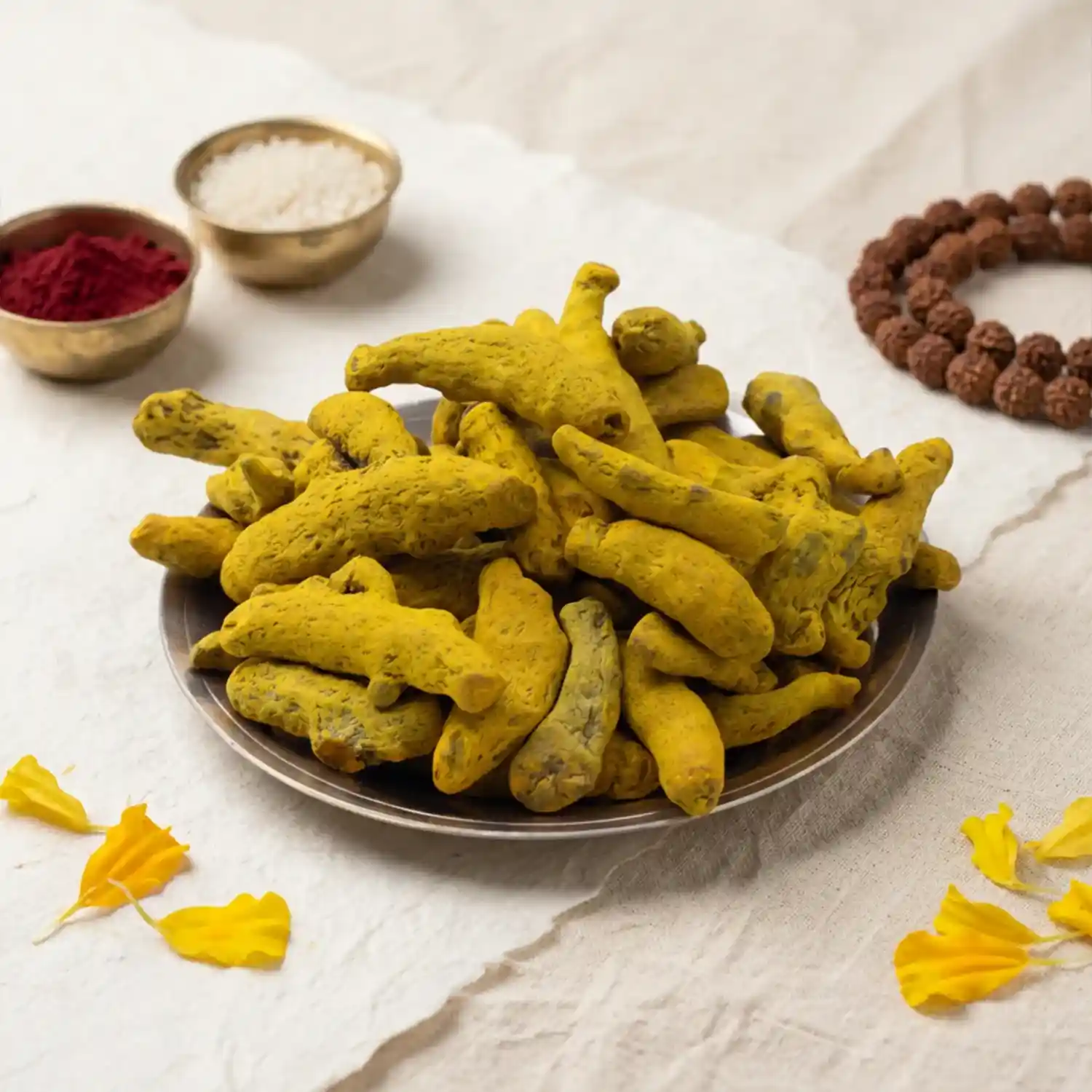
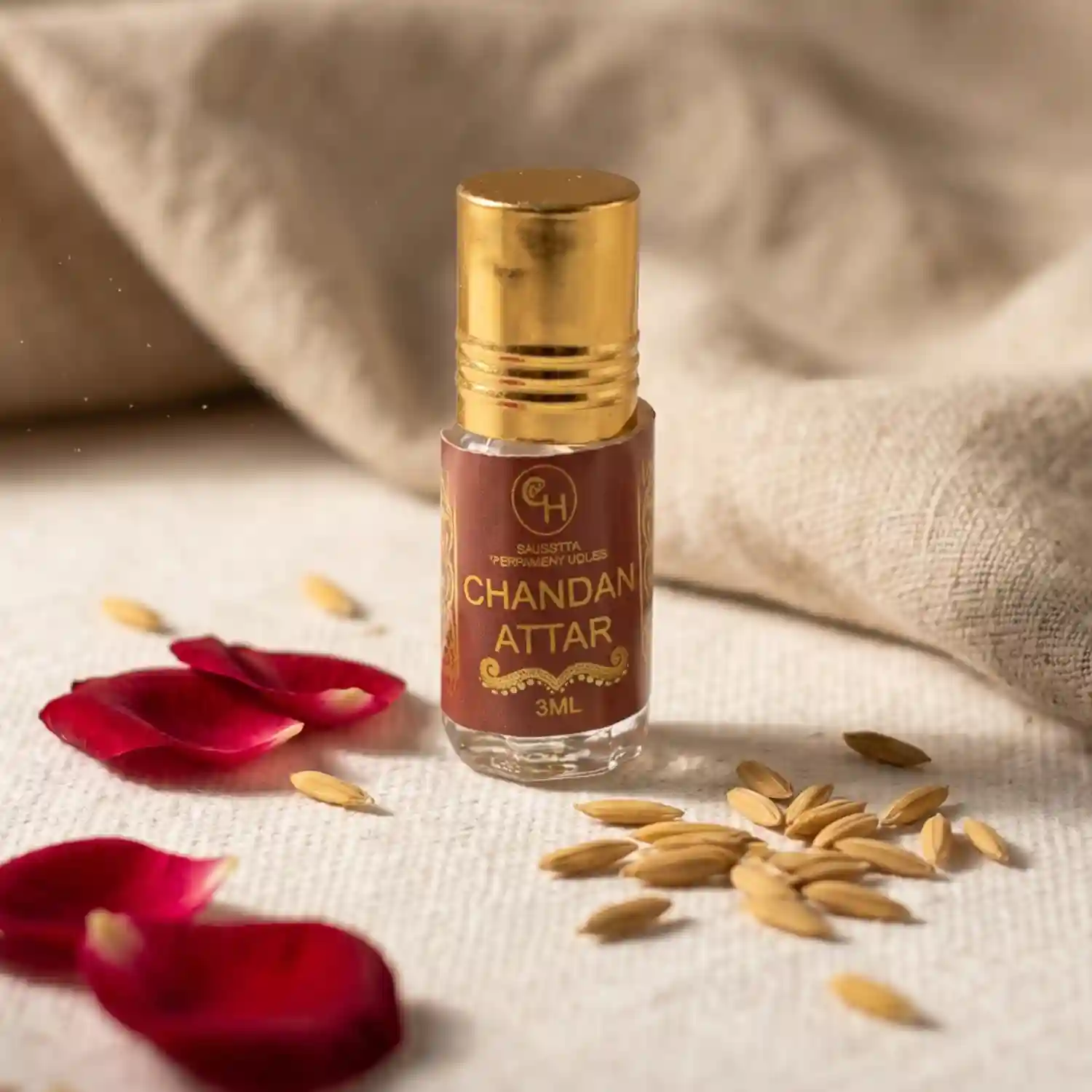
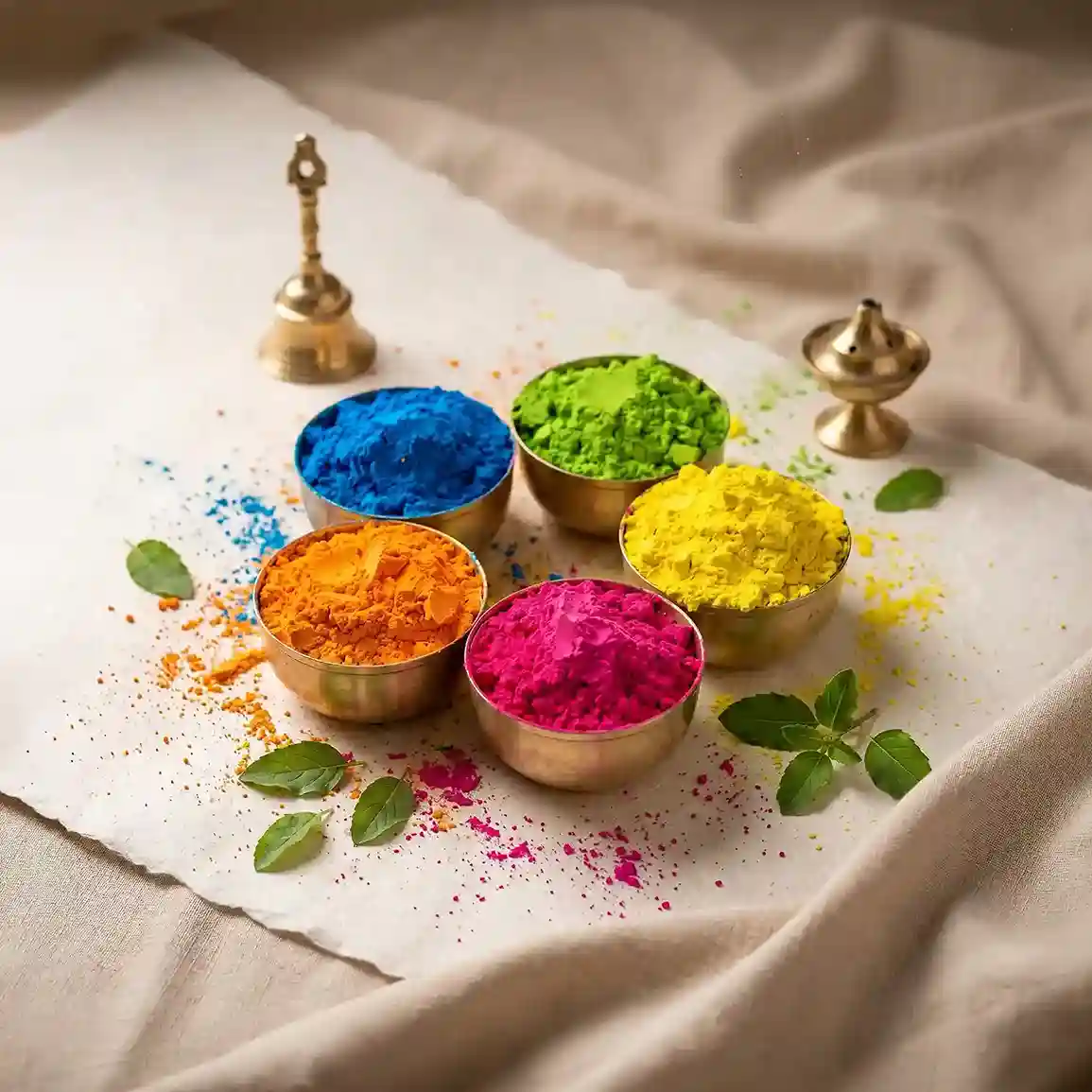
- To channel the intense protective energy of Mother Kali, the kit includes complete sets of Pancha Guri (Five Sacred Powders) and Pancha Rang (Five Colours). These allow the priest to map out complex geometric defense mandalas on the floor. Furthermore, blending cooling White Chandan with anchoring Red Chandan and Ashtagandha Powder creates a perfectly balanced energy matrix, enabling a high-fidelity 16-step execution on the Yellow and Red Cheli Clothes.