




_11zon.webp)
_11zon.webp)





Frequently Asked Questions
- Q1: The kit includes 5 pieces of the Bamboo Soop. Are these all used at once or distributed among different people?
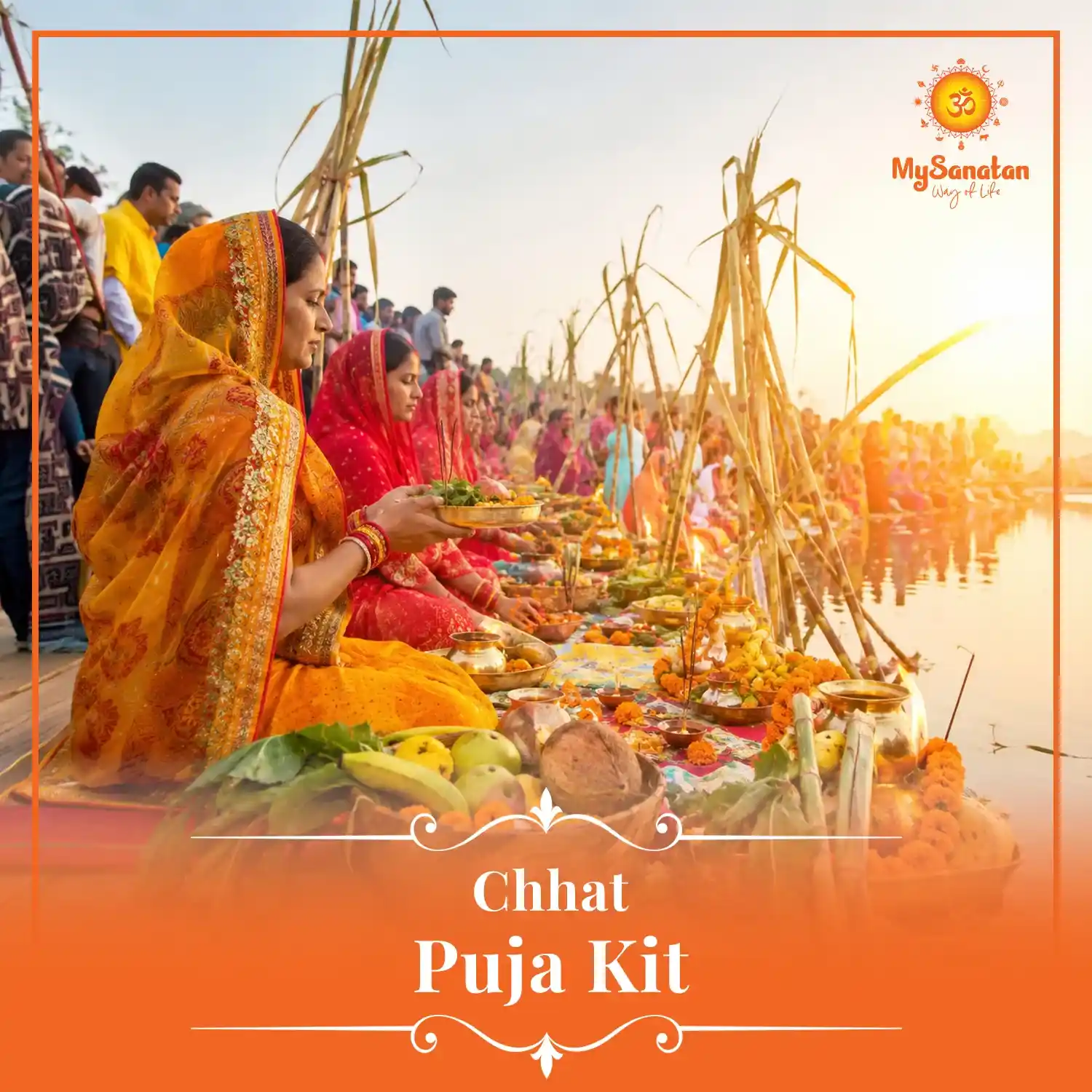
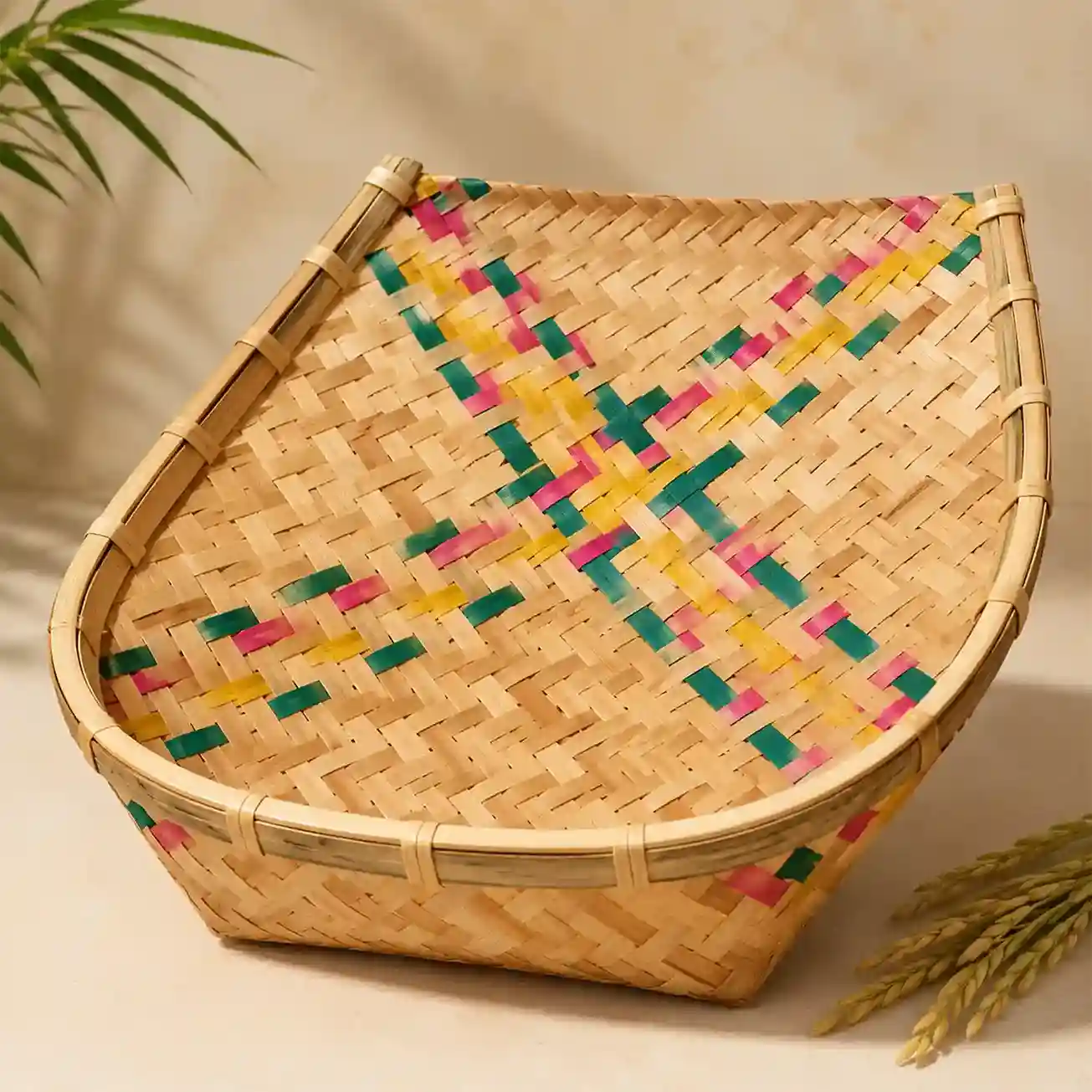
- During Chhath Puja, multiple offerings (Arghya) are made. The 5 Bamboo Soops (winnowing baskets) allow a single family or a small group of Vratis (fasting devotees) to arrange separate, beautiful offerings of fruits, Thekua, and sugarcane simultaneously. This ensures that offerings for both the setting sun (Sandhya Arghya) and the rising sun (Usha Arghya) can be prepared in dedicated, pure vessels without overlapping items.
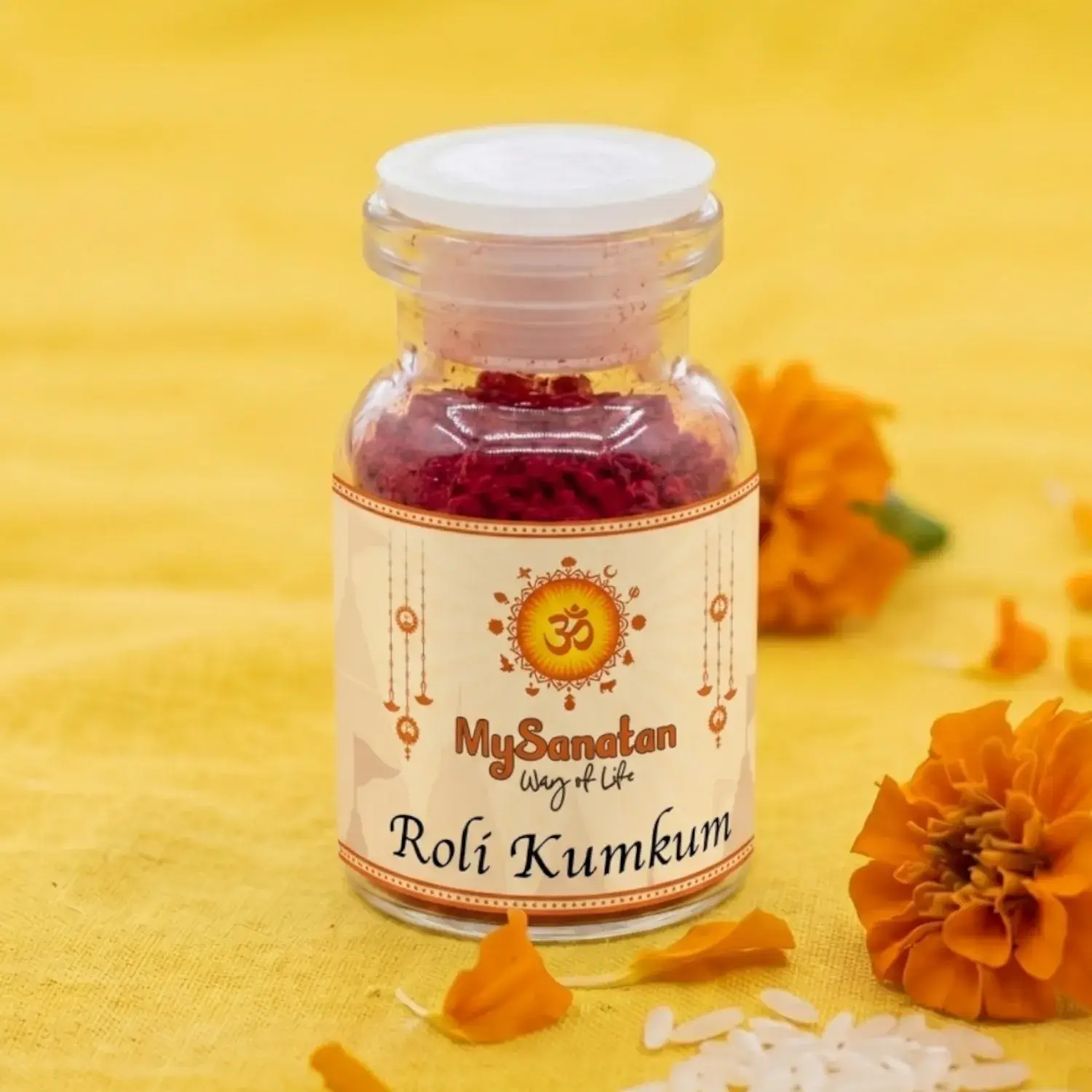
- Q2: Why is the vermilion (Khukumoni Sindur) in this kit applied from the tip of the nose up to the hairline?
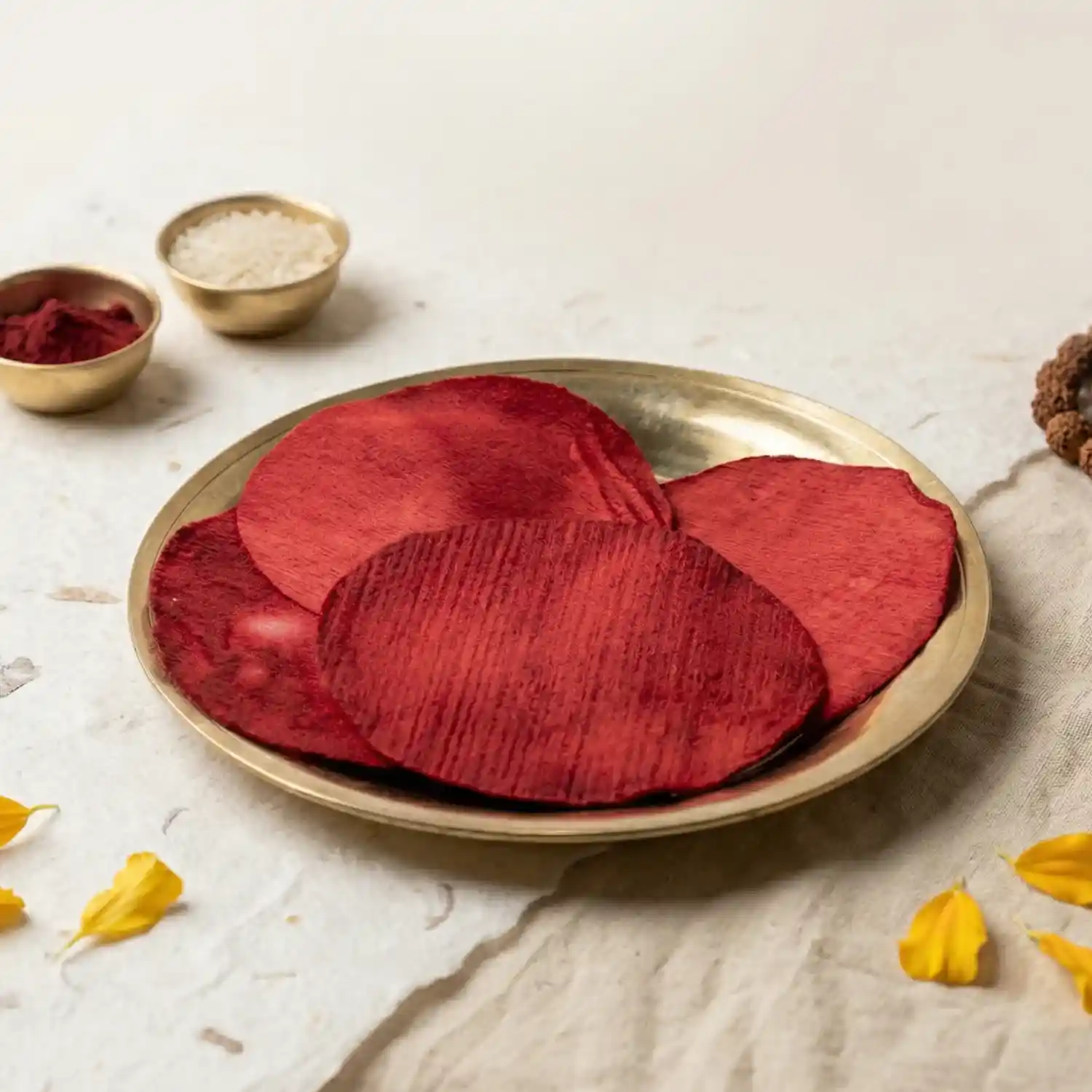
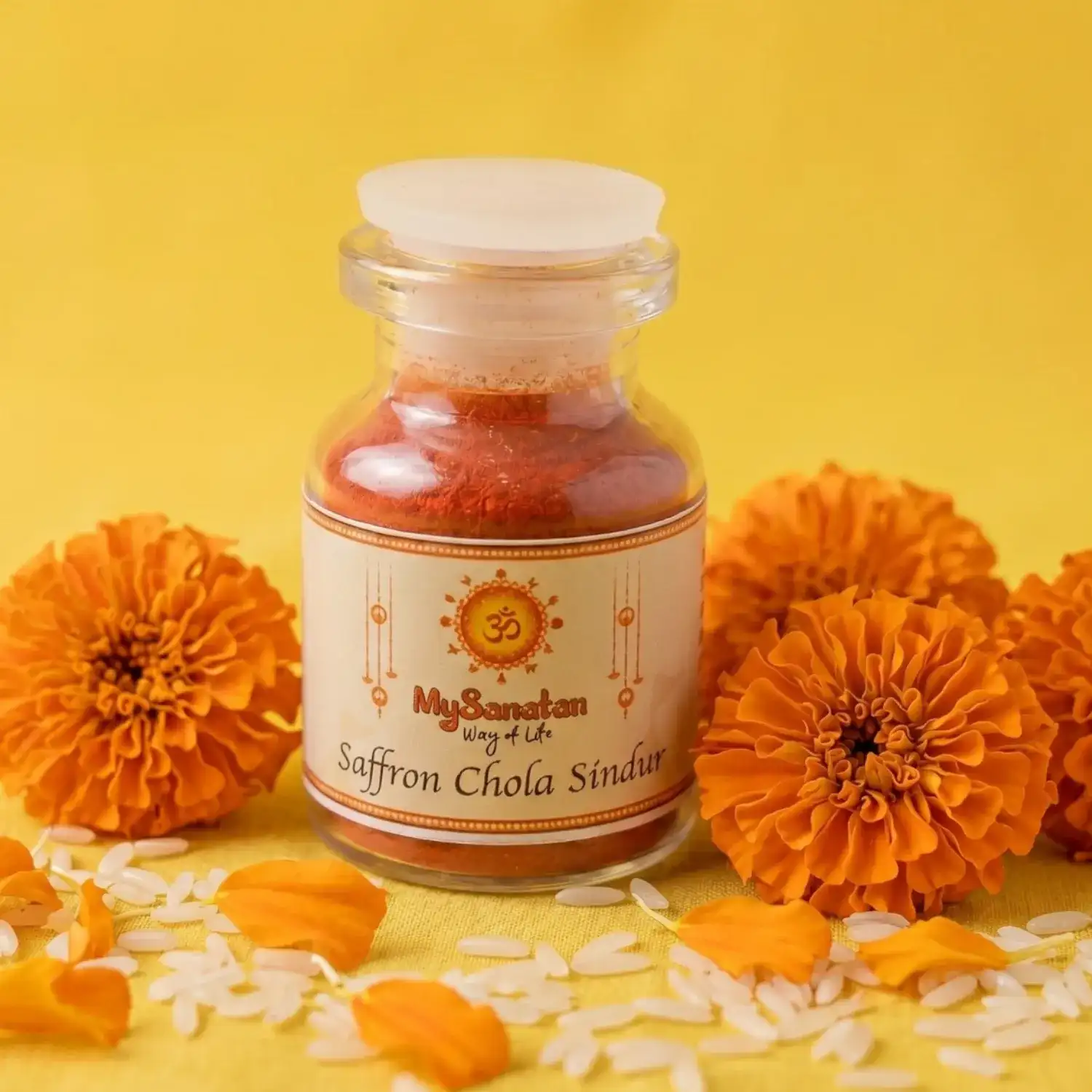
- This long, prominent orange/red trail is a unique and sacred cultural hallmark of North Indian Chhath devotion. It represents the longevity, health, and prosperity of the family. The Vratis apply it publically after stepping out of the holy water to symbolize their deep, unyielding devotion and connection to Chhathi Maiya.
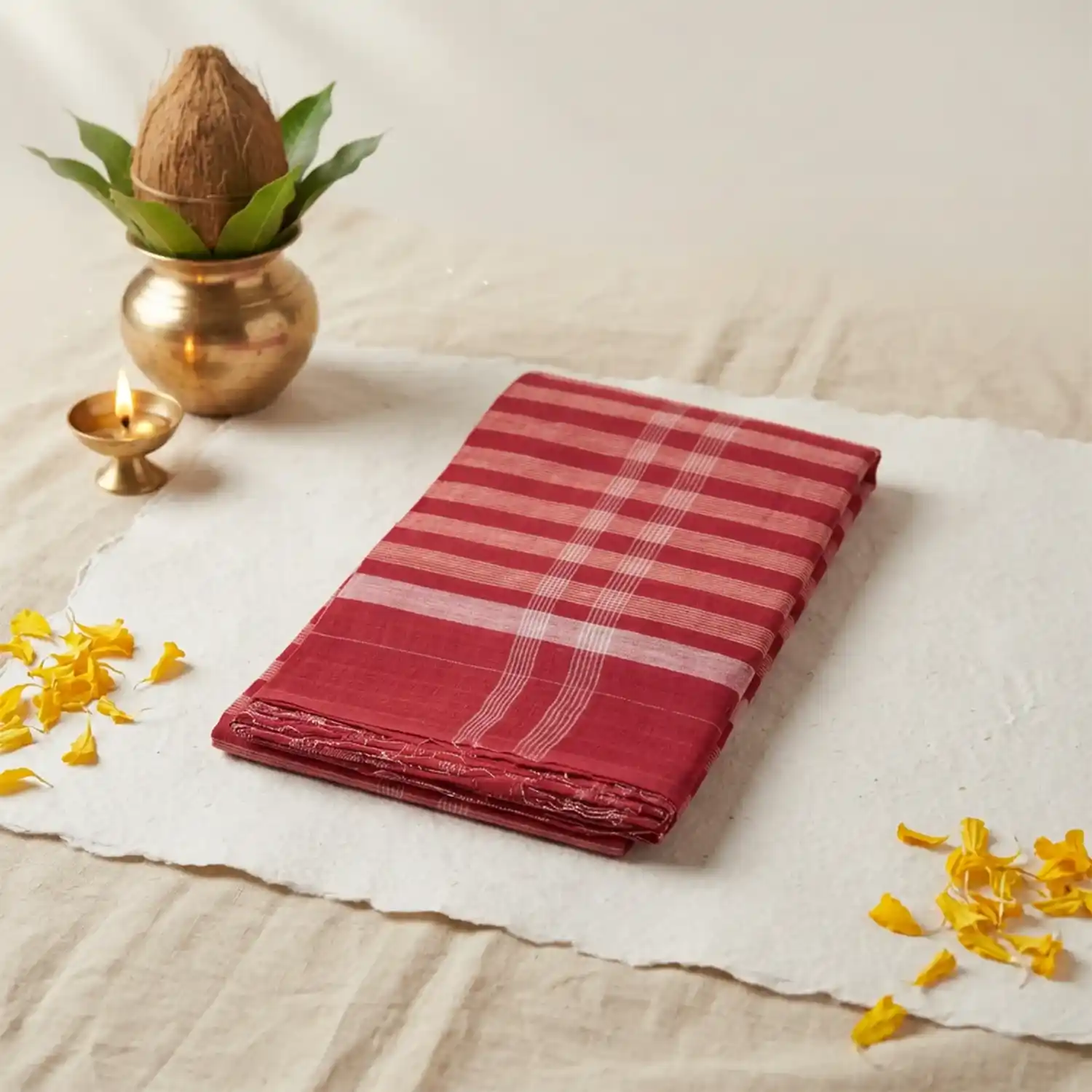
- Q3: How do we use the "Cotton Gamcha Medium" included in the kit during the water rituals?
- The Cotton Gamcha is a highly versatile, pure cotton cloth. Before entering the river or pond, the Vrati uses it to wrap around themselves or keep as a sacred cloth over their shoulders. It is also traditionally used to carefully wipe the hands and face after standing waist-deep in the cold water, or to shield the wet offerings from dust on the windy riverbanks.
- Q4: What is the correct ritual sequence for utilizing Aguru and Attar during the Step 4 Arghya offerings?
- To elevate the aromatic purity of the open-air riverbank:
- Before the fruits are placed into the Bamboo Soop, the guide should sprinkle a few drops of Aguru (a dense, earthy, sacred wood essence) inside the basket to purify its energy.
- Just before the offering is raised toward the Sun God, dab a tiny amount of the premium, sweet Attar onto the edges of the Soop and the Vrati's wrists. This acts as a fragrant invitation to the divine in an open, windy environment.
- Q5: How should the Honey (Madhu) be poured from the shoreline during the high-volume public Arghya?
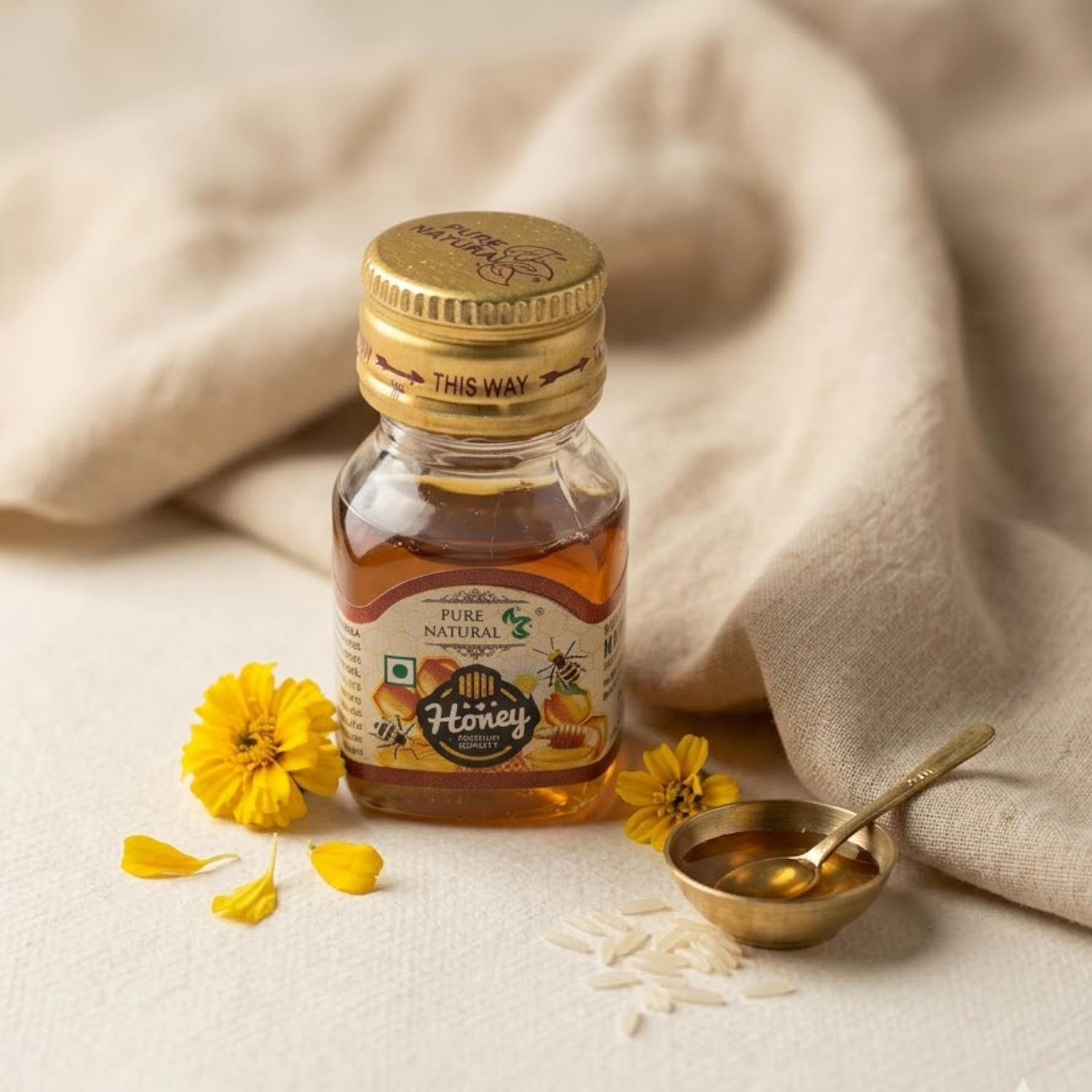
- During Step 4, as the Vrati stands waist-deep in the water holding the Bamboo Soop, a family member or the community guide stands beside them on the shore. While pouring milk or holy water over the fruits toward the sun, thin streams of Honey should be trickled continuously into the offering stream. This represents sweetening the cosmic life force and feeding the elements of nature.
- Q6: Why are both "Long" and "Round" cotton wicks essential for managing a crowded twilight and dawn Aarti?
- The two styles of wicks allow organizers to balance continuous illumination with intense space-clearing fire rituals:
- Round Cotton Wicks (Phool Batti): These are placed inside individual small clay lamps (Diyas) nestled inside the Bamboo Soop to stay lit while floating on the water or being held by the Vrati.
- Long Cotton Wicks: These are layered in larger multi-tiered camphor lamps used by the shoreline guides during the final Grand Aarti. They hold a larger quantity of Cow Ghee to withstand strong river breezes during the cold twilight and dawn hours.