
_11zon.webp)

_11zon.webp)
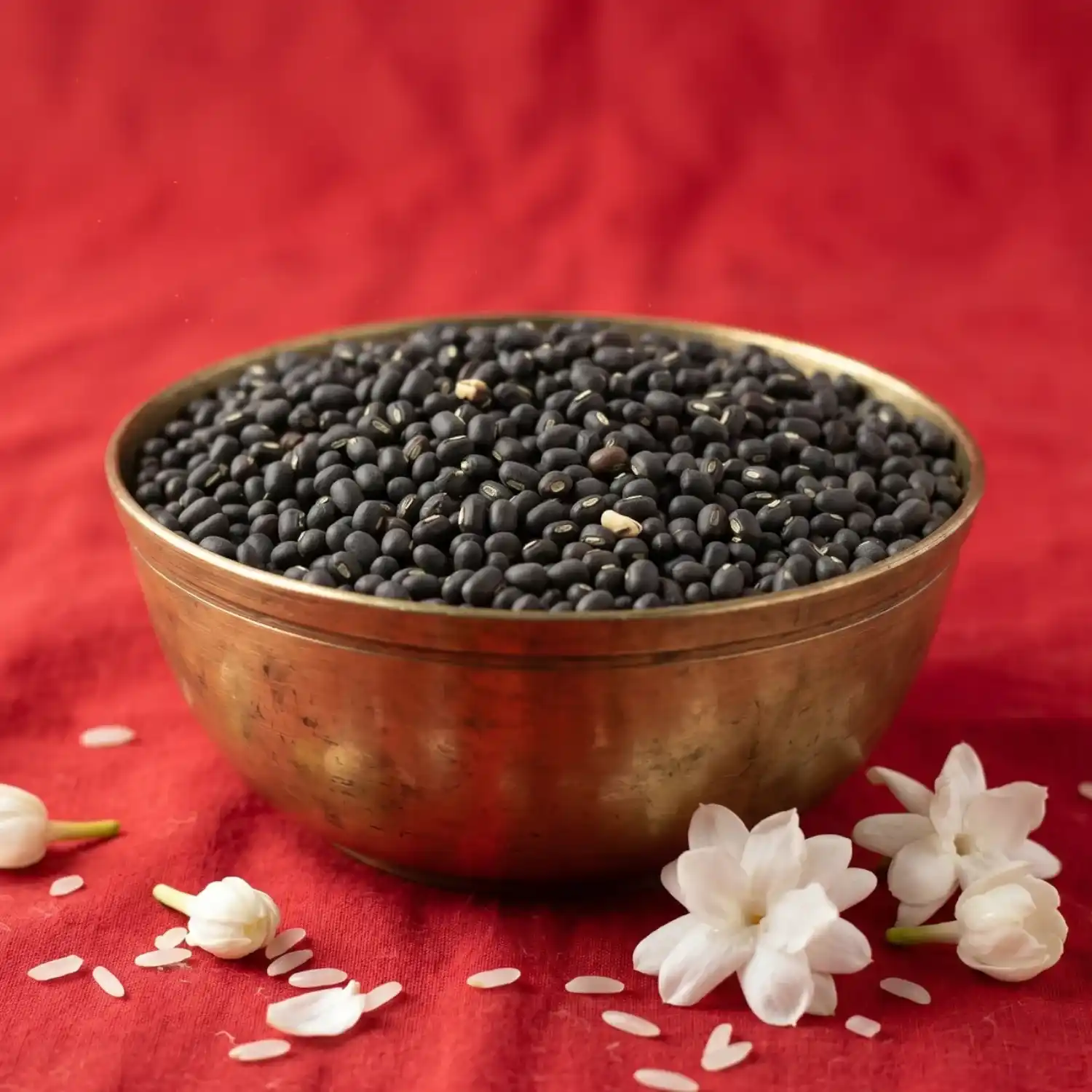
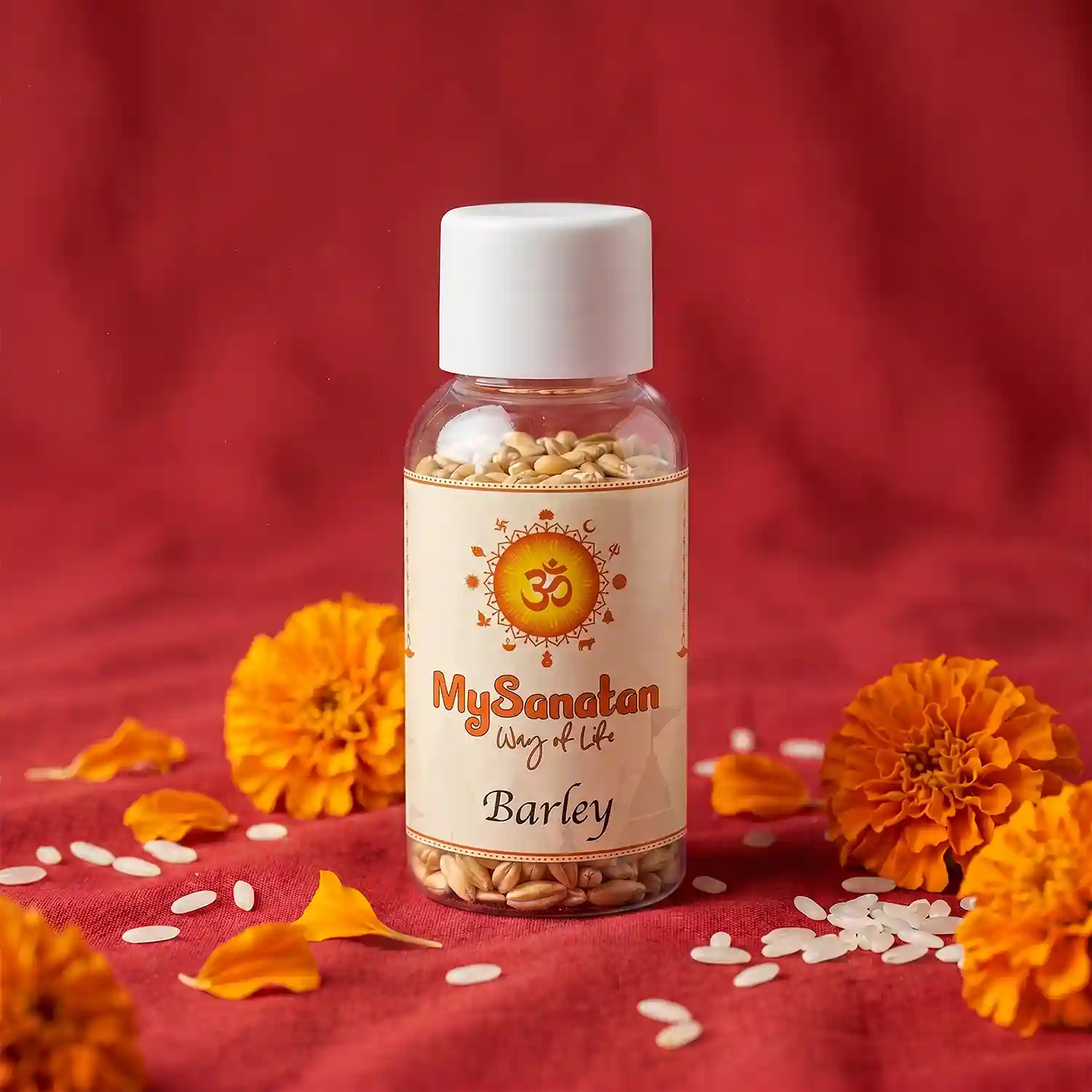
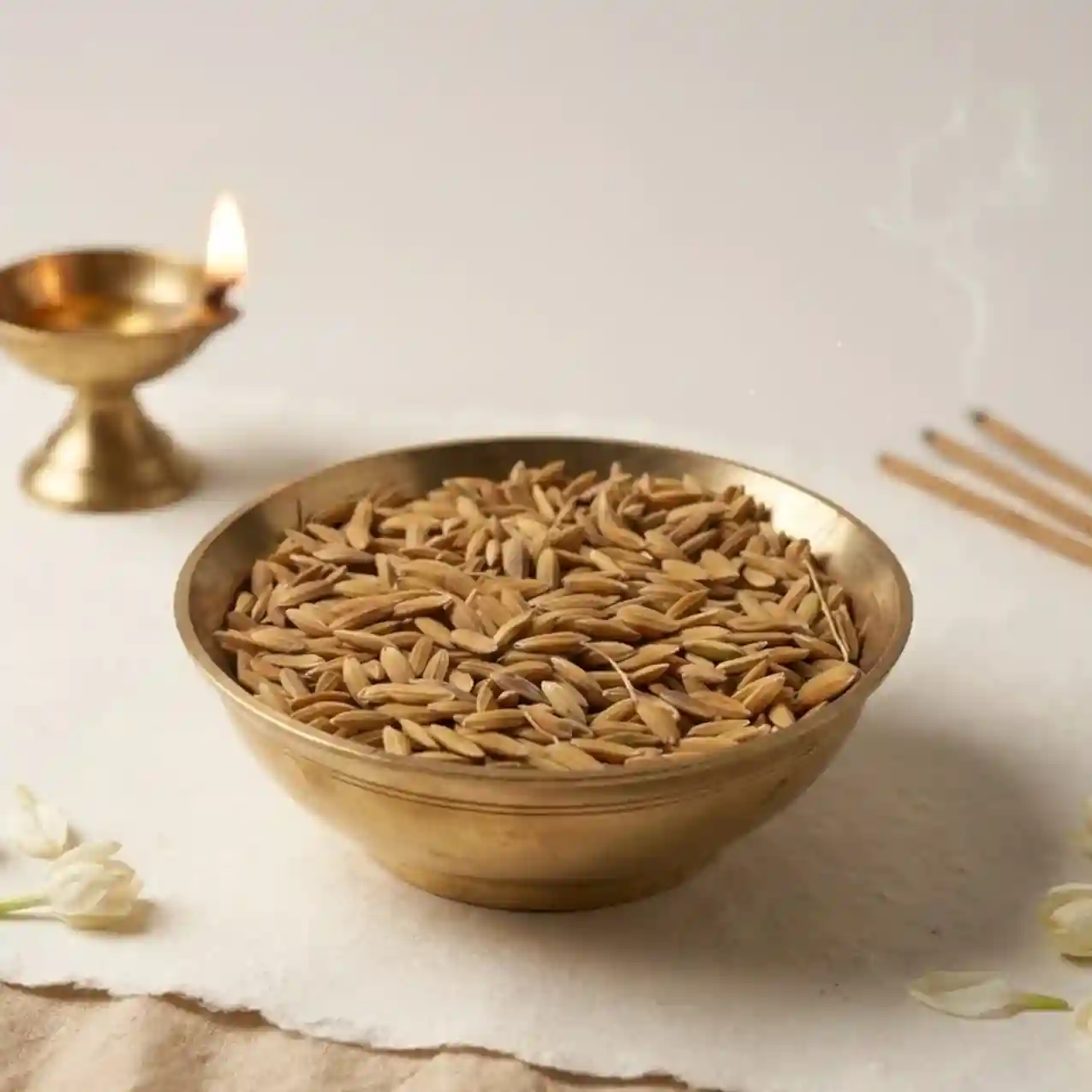
_11zon.webp)
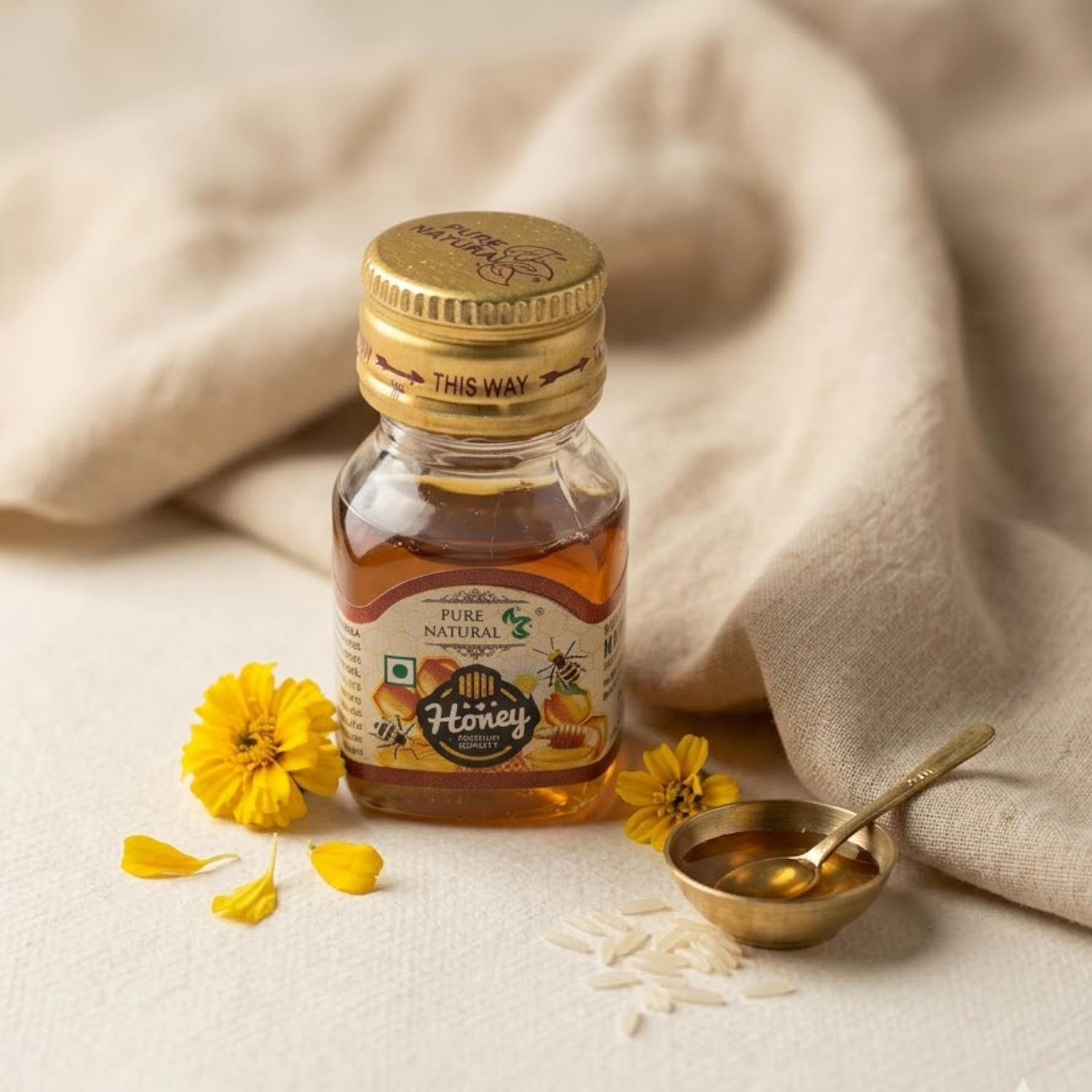

.webp)
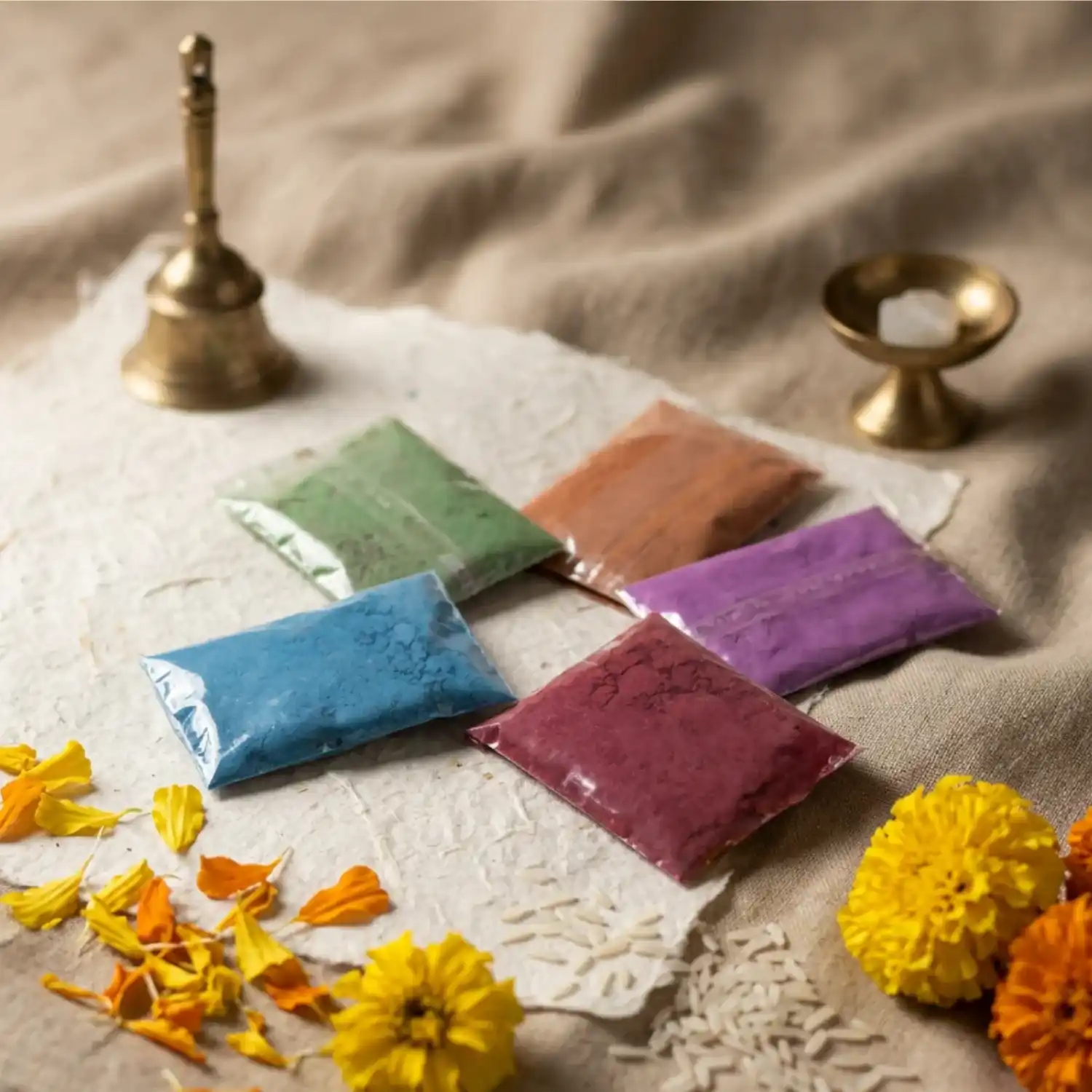
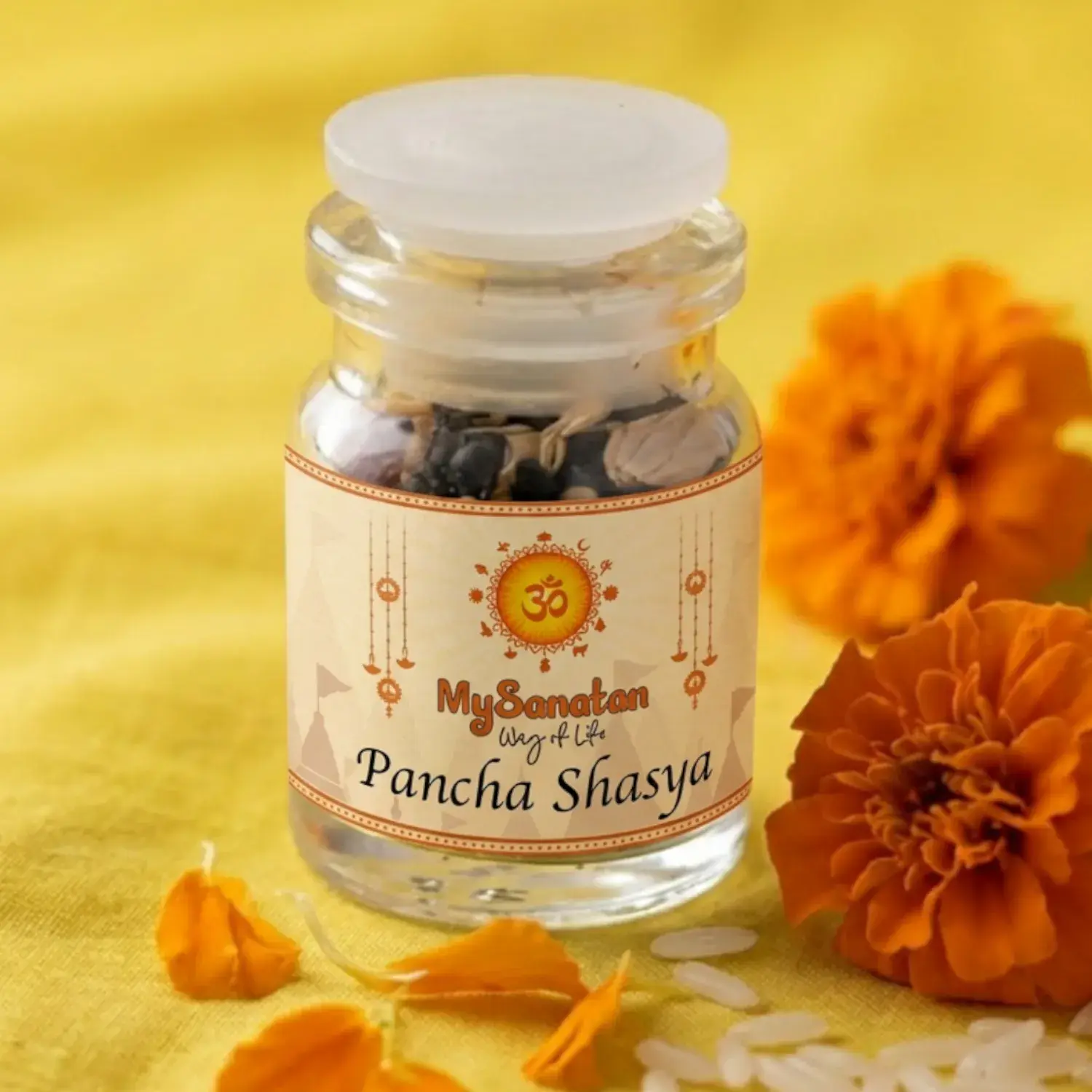
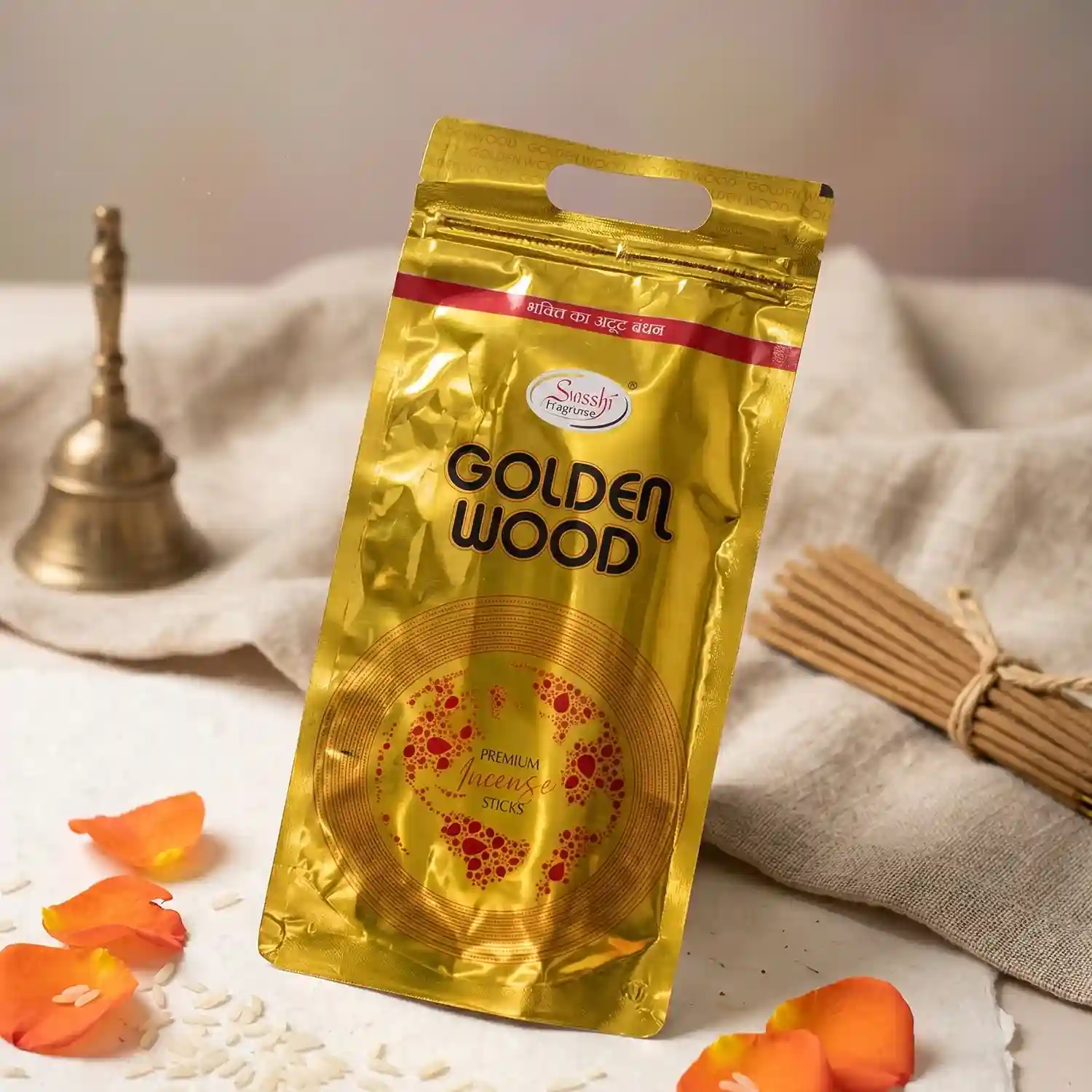
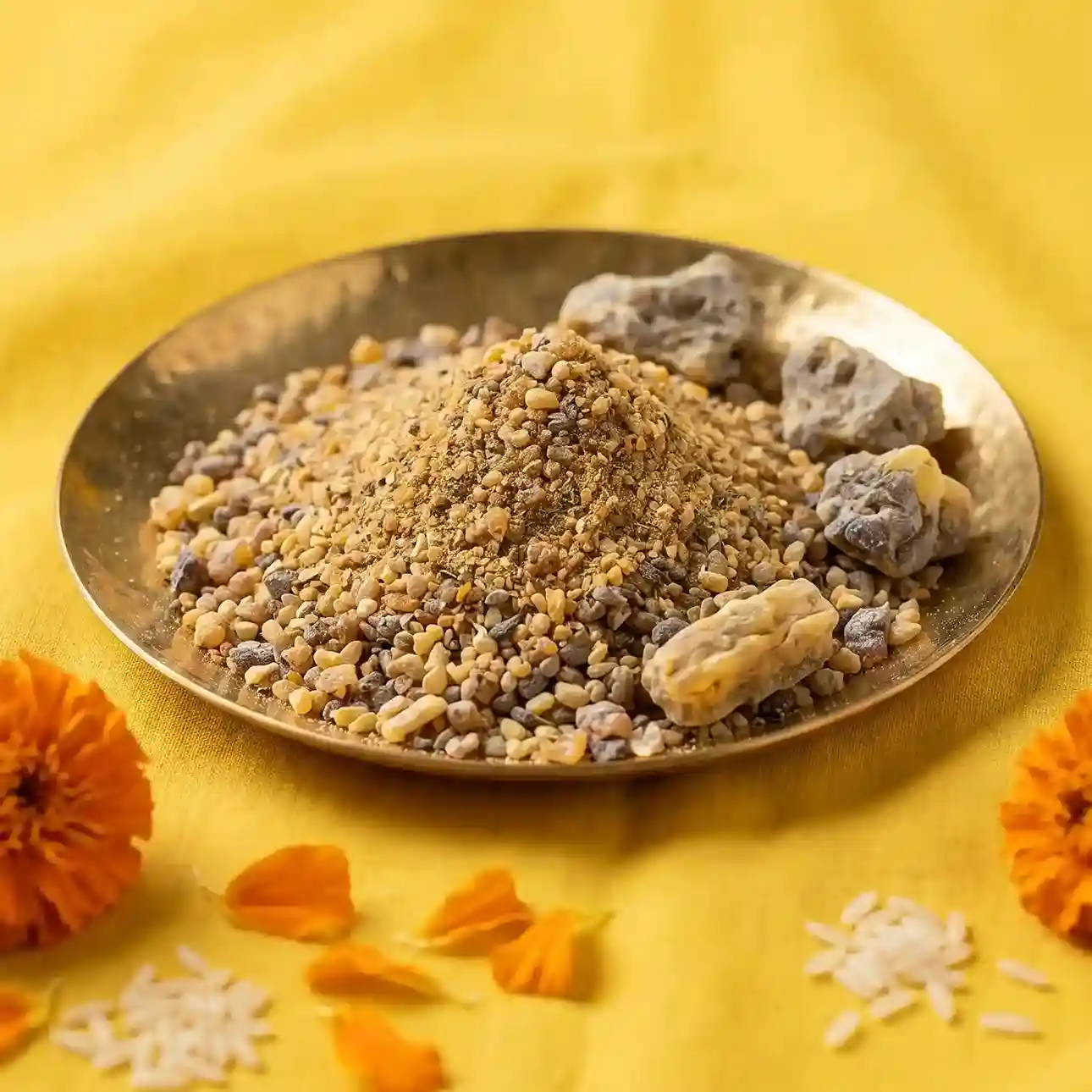


_11zon.webp)

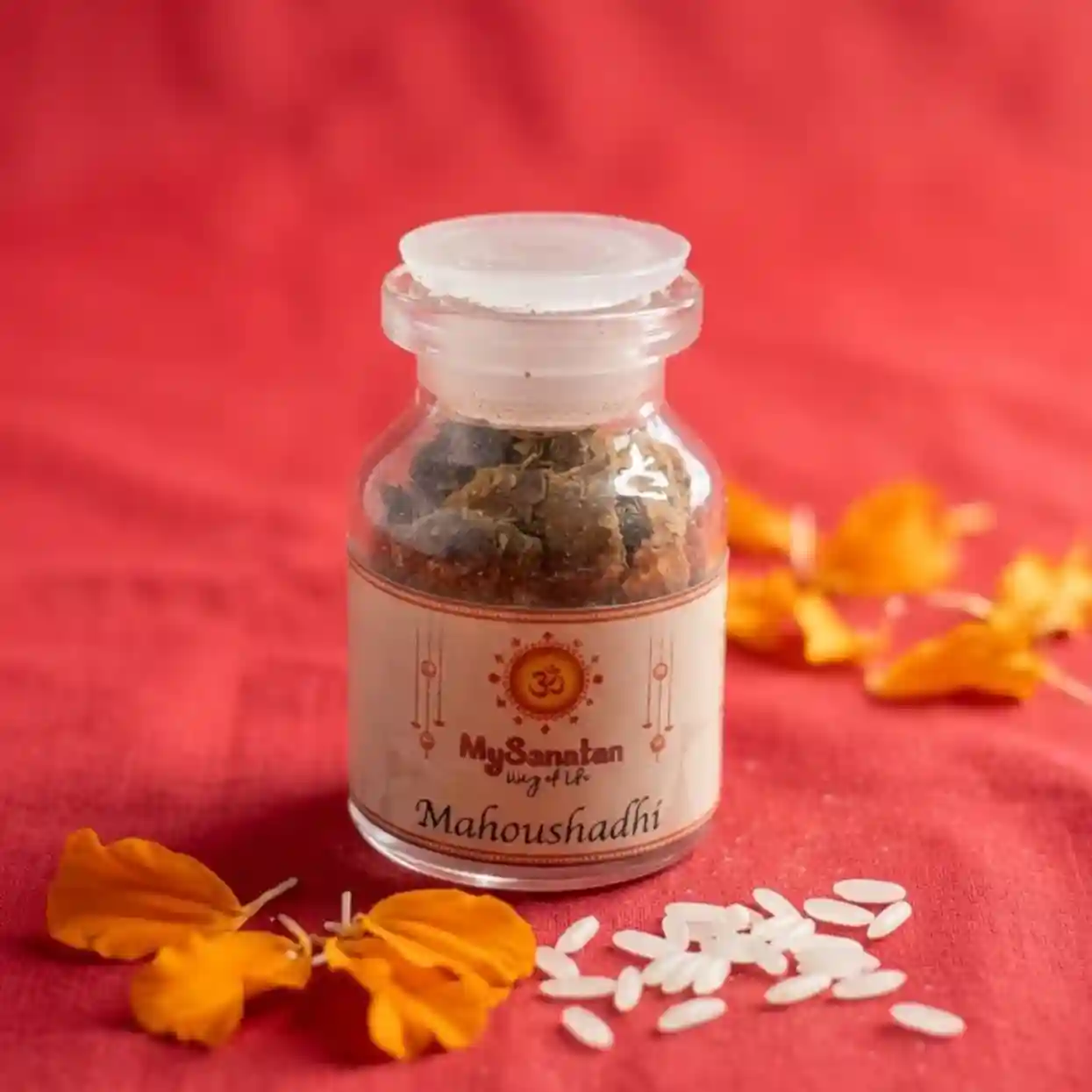

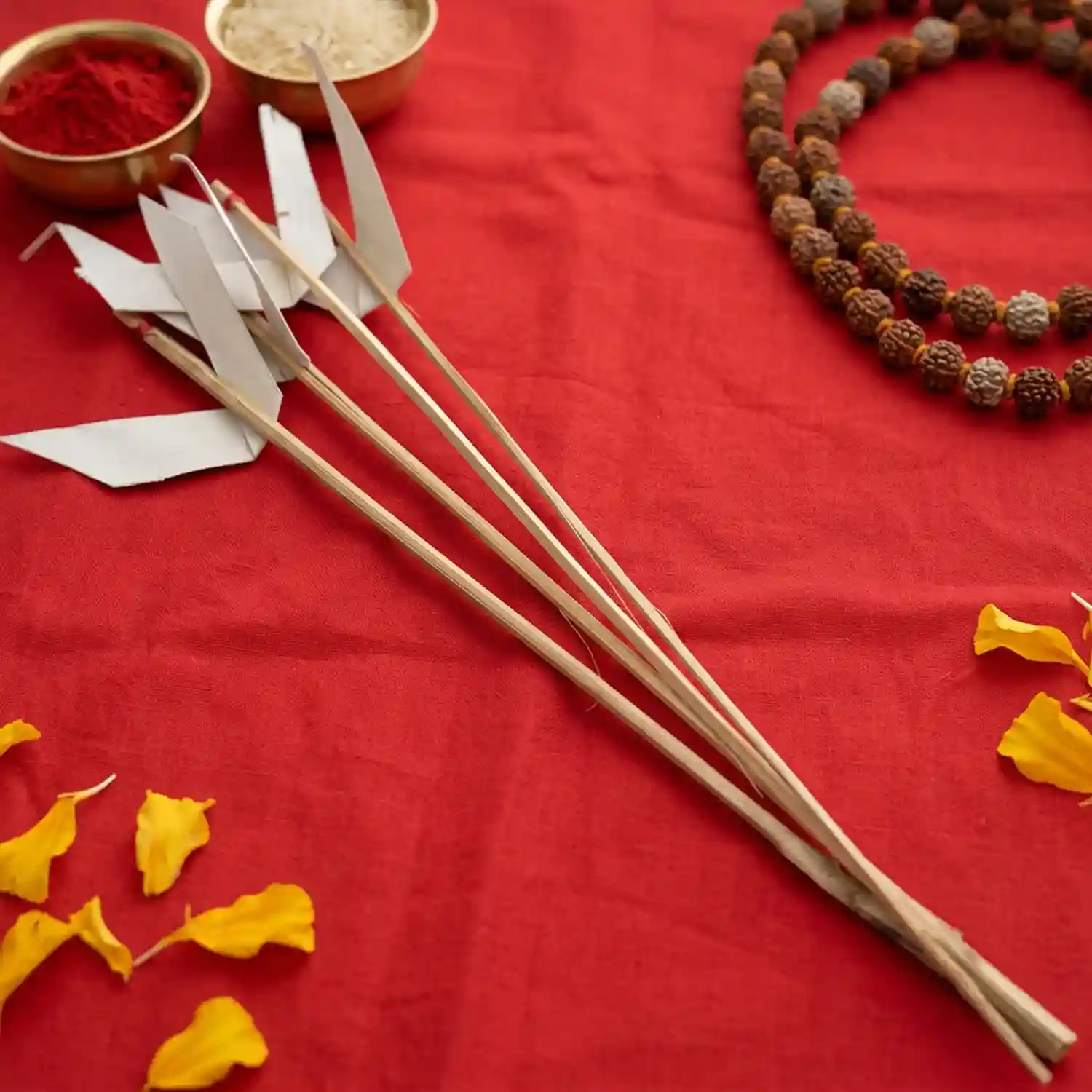
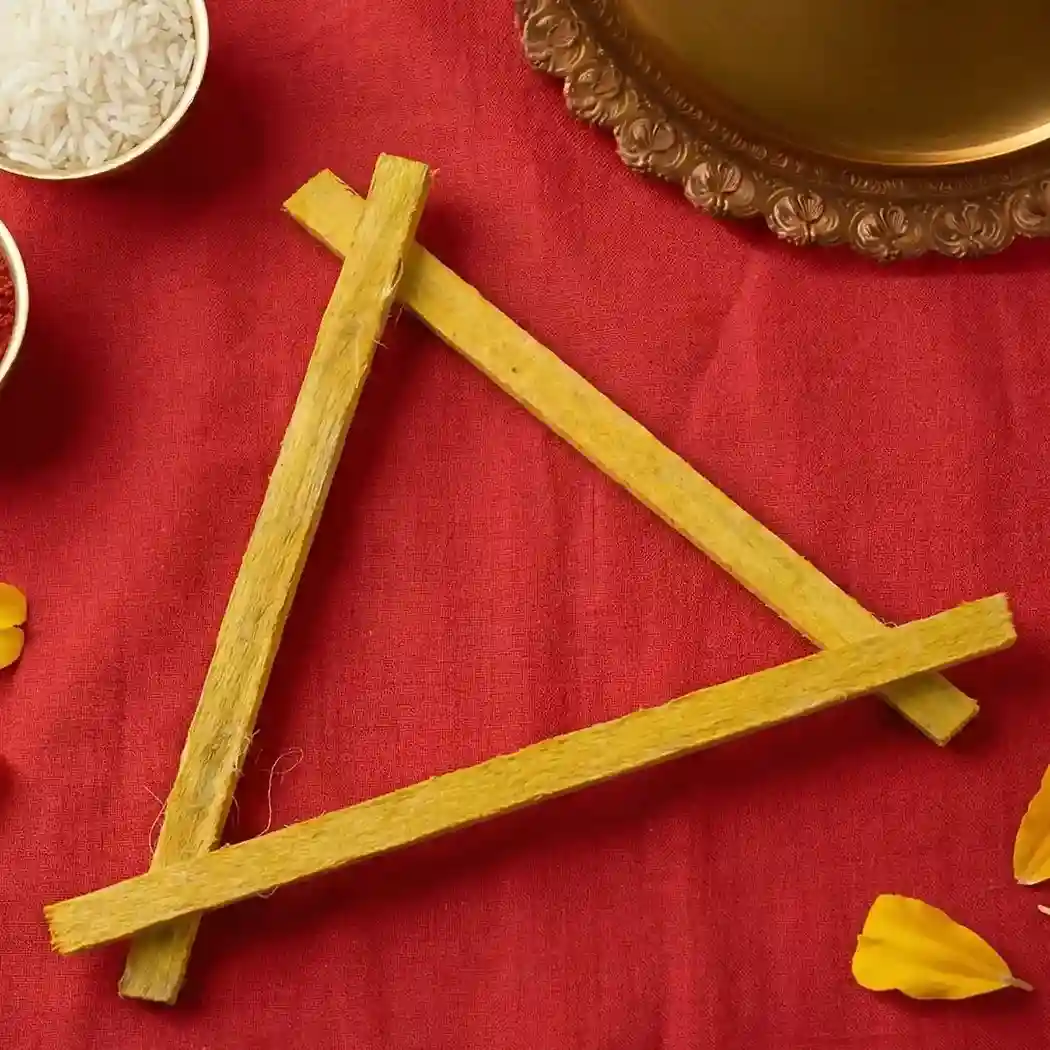
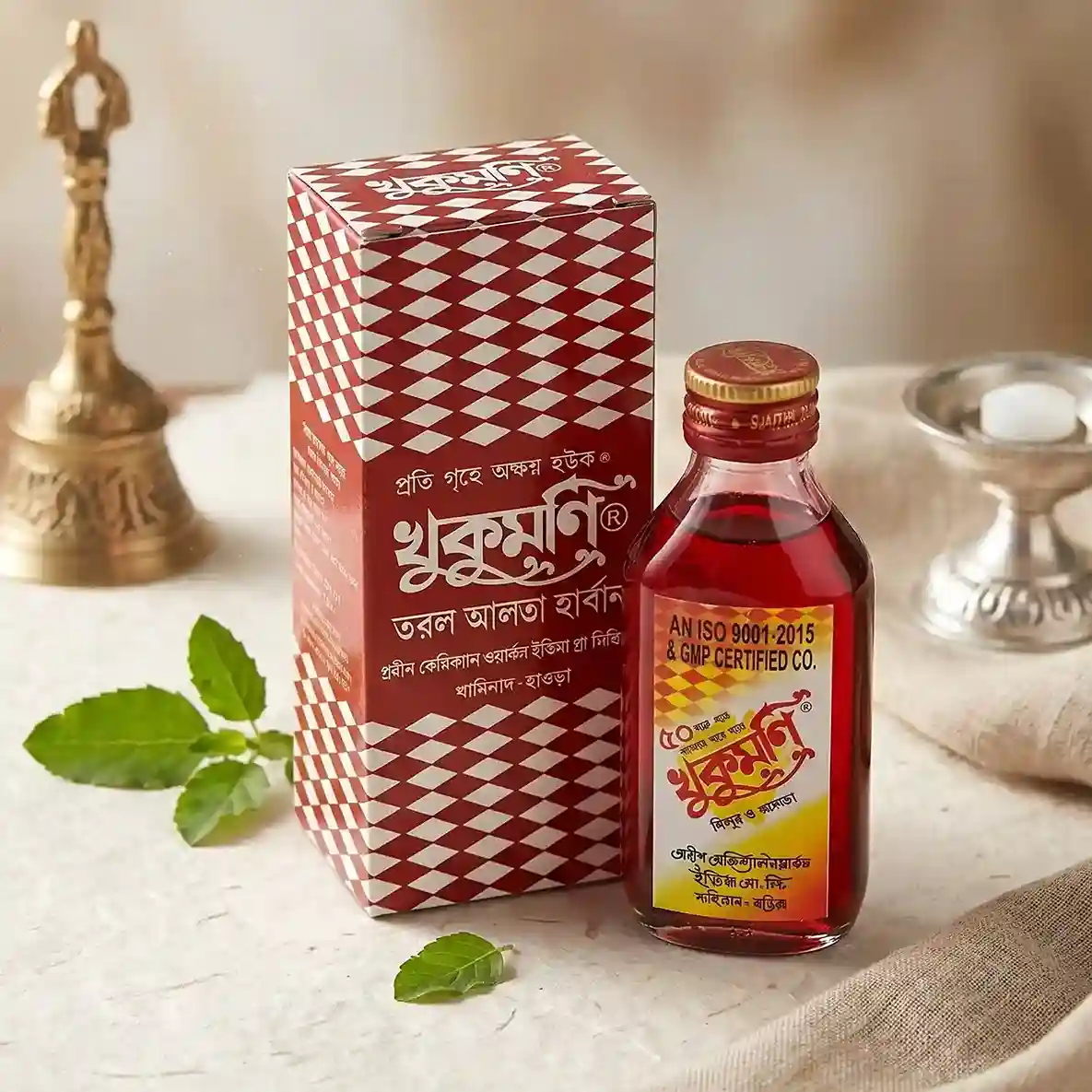
.webp)
_11zon.webp)

_11zon.webp)
1_1_11zon.webp)


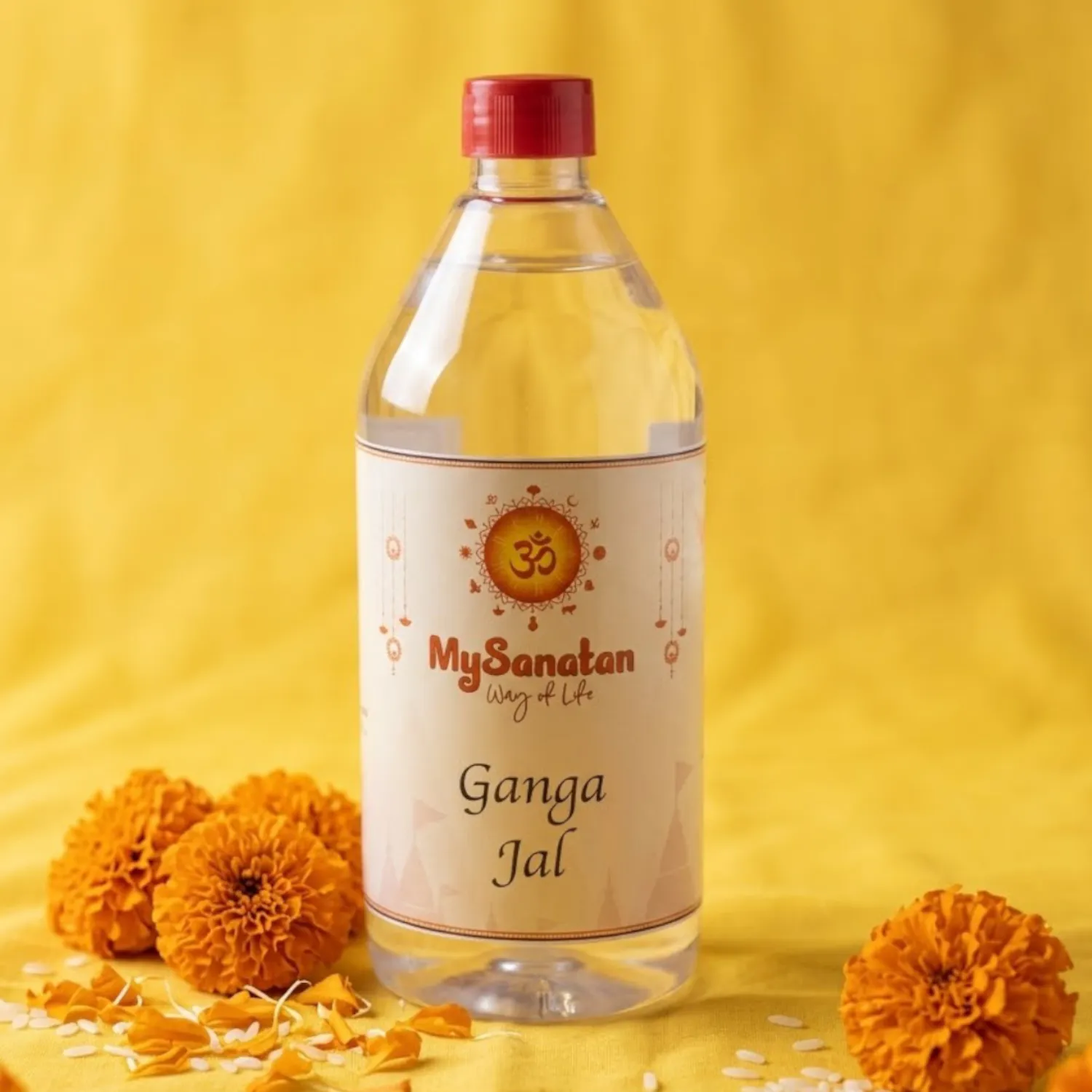
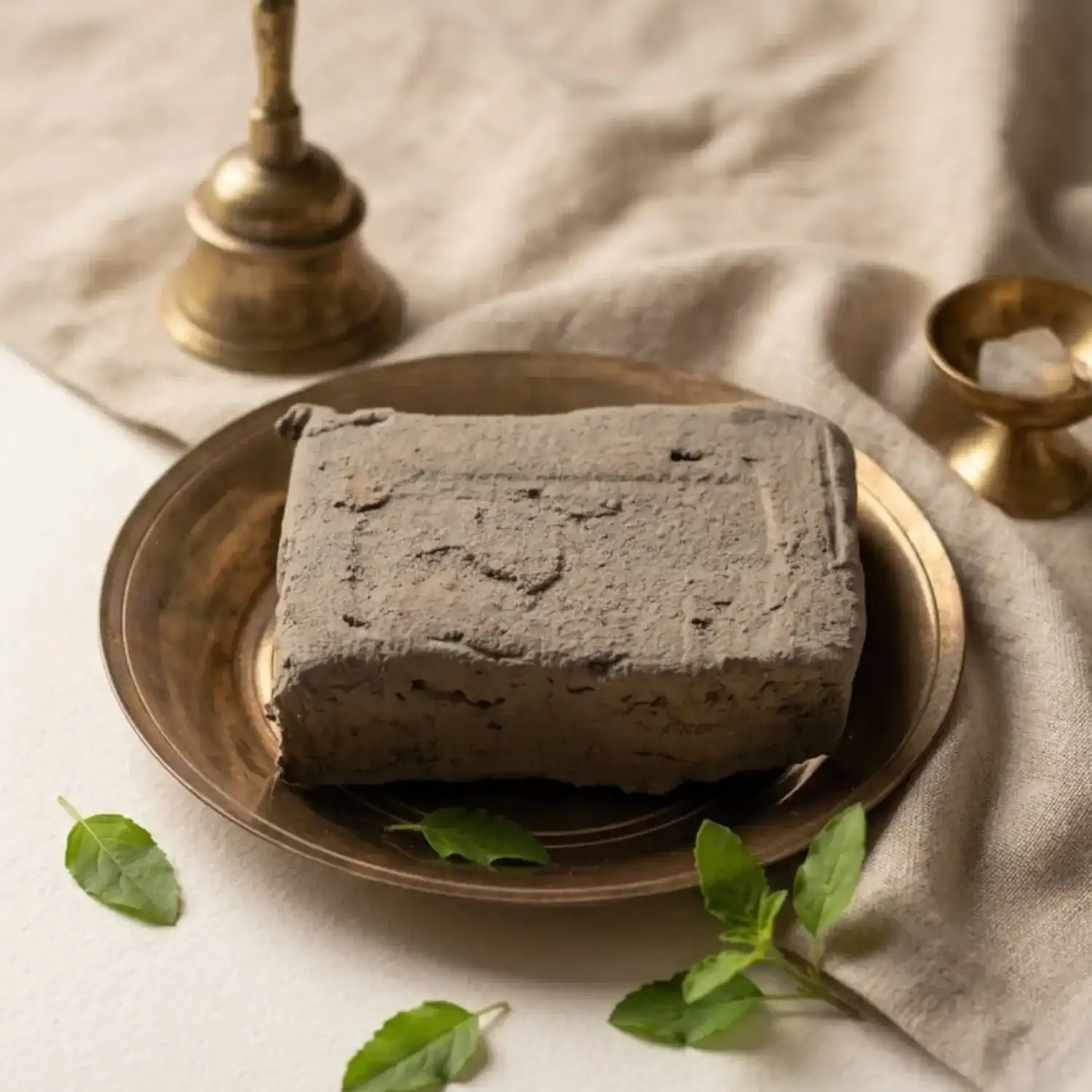
.webp)
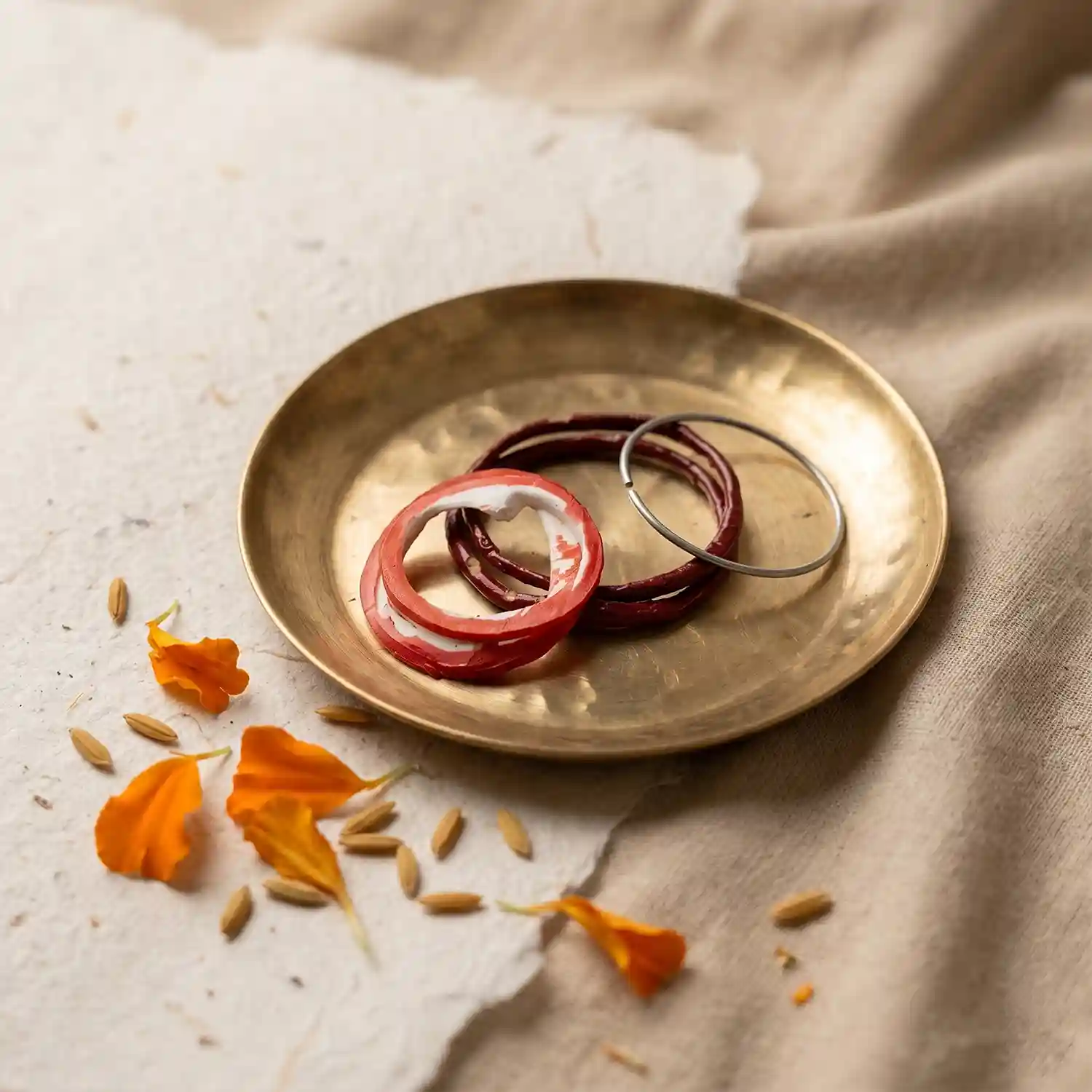
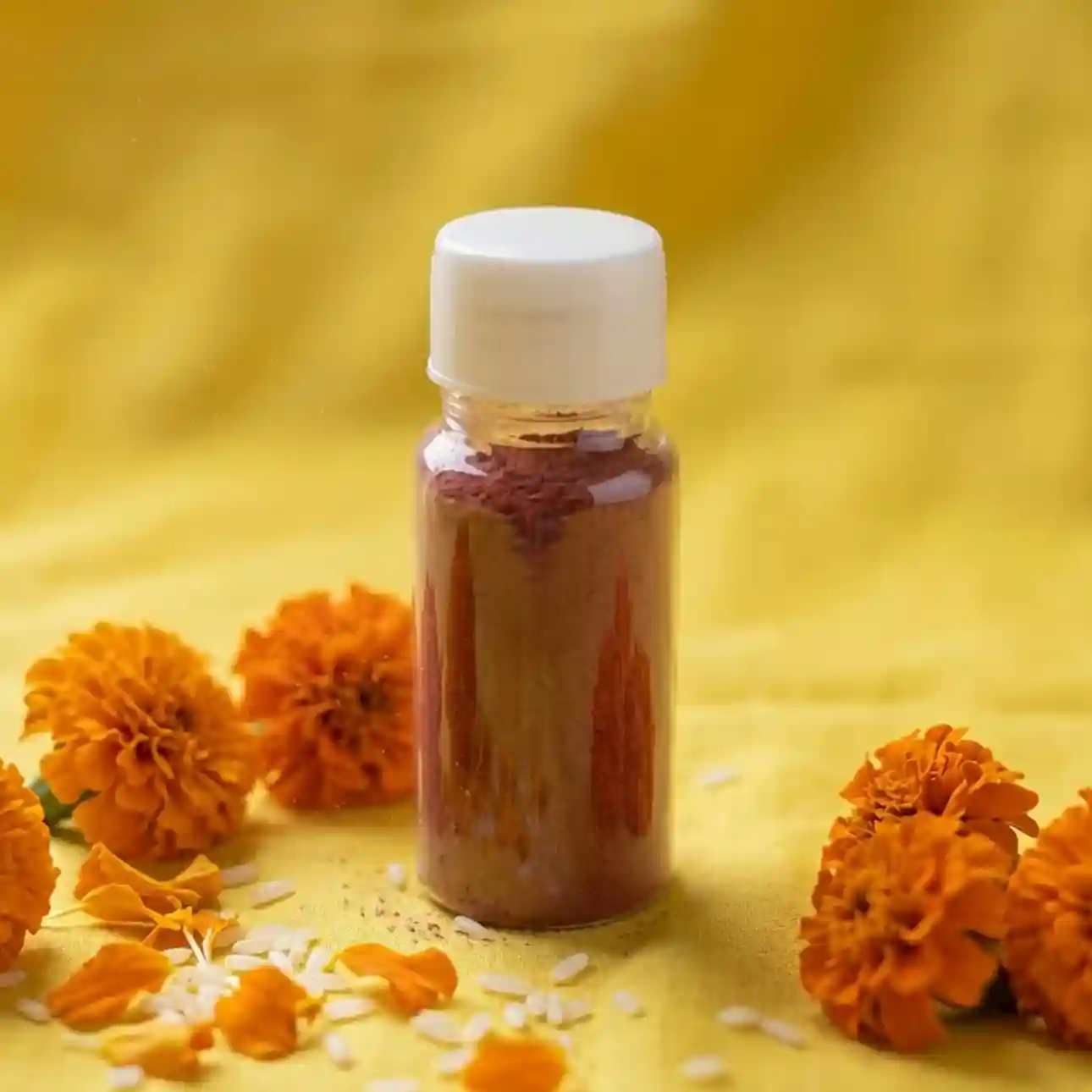
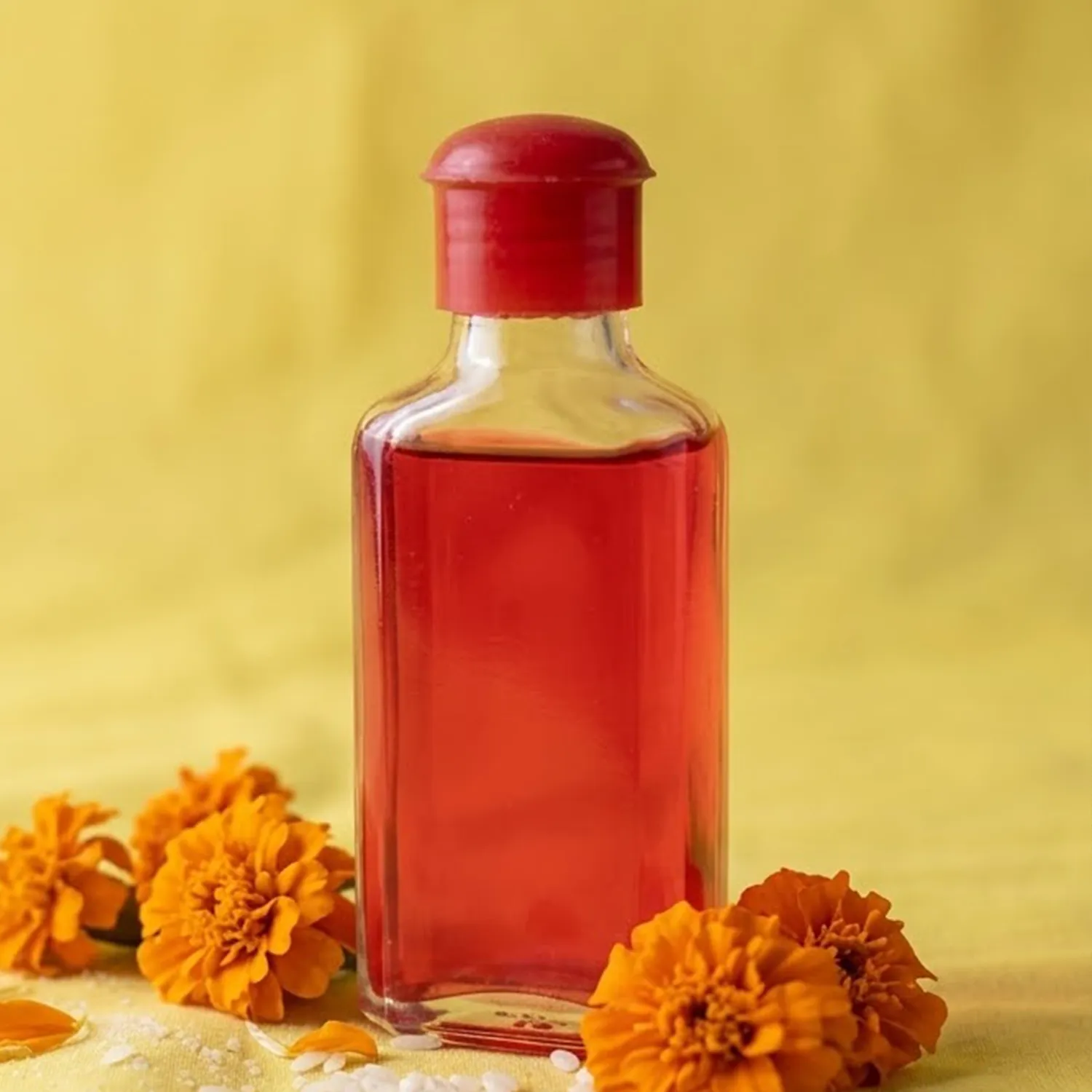

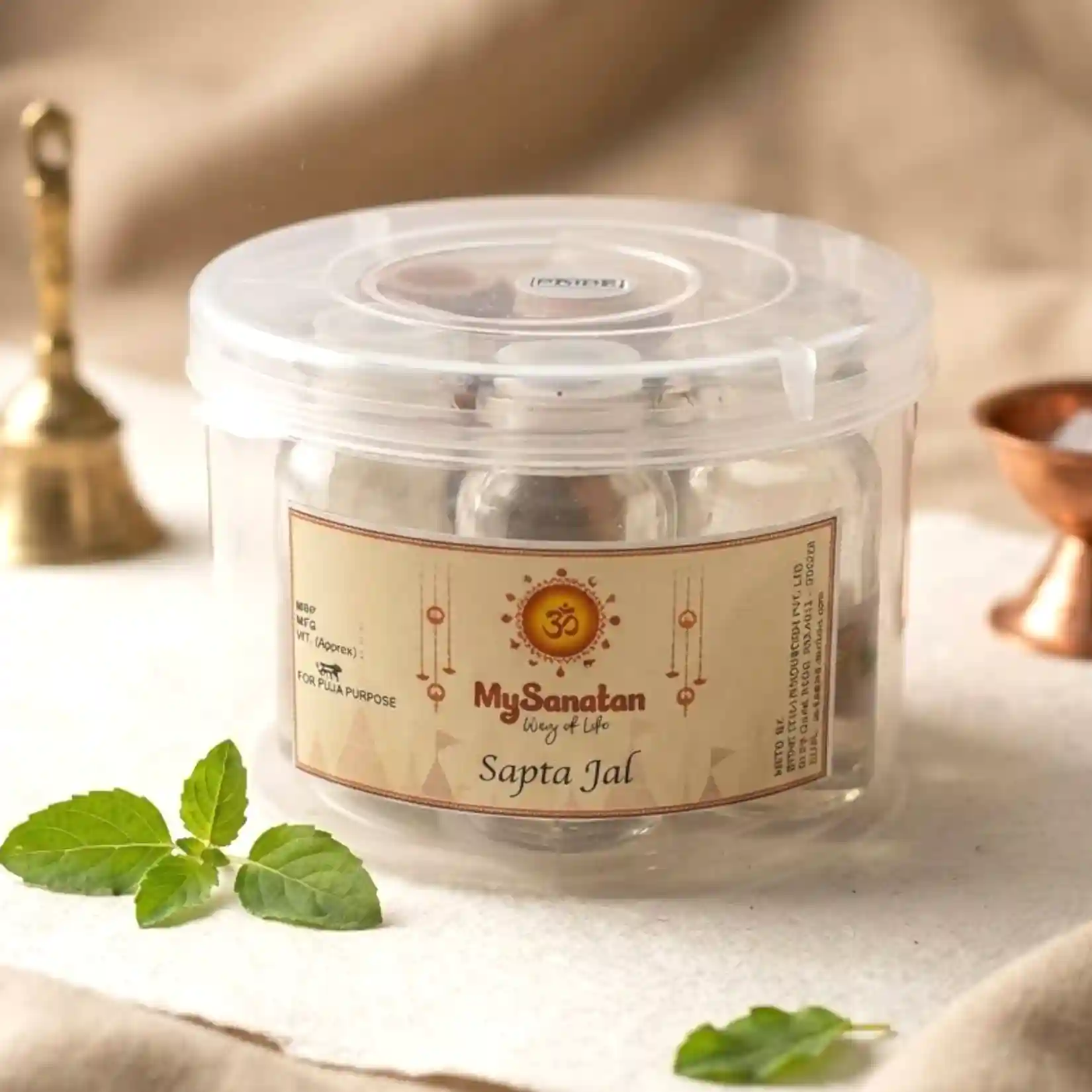
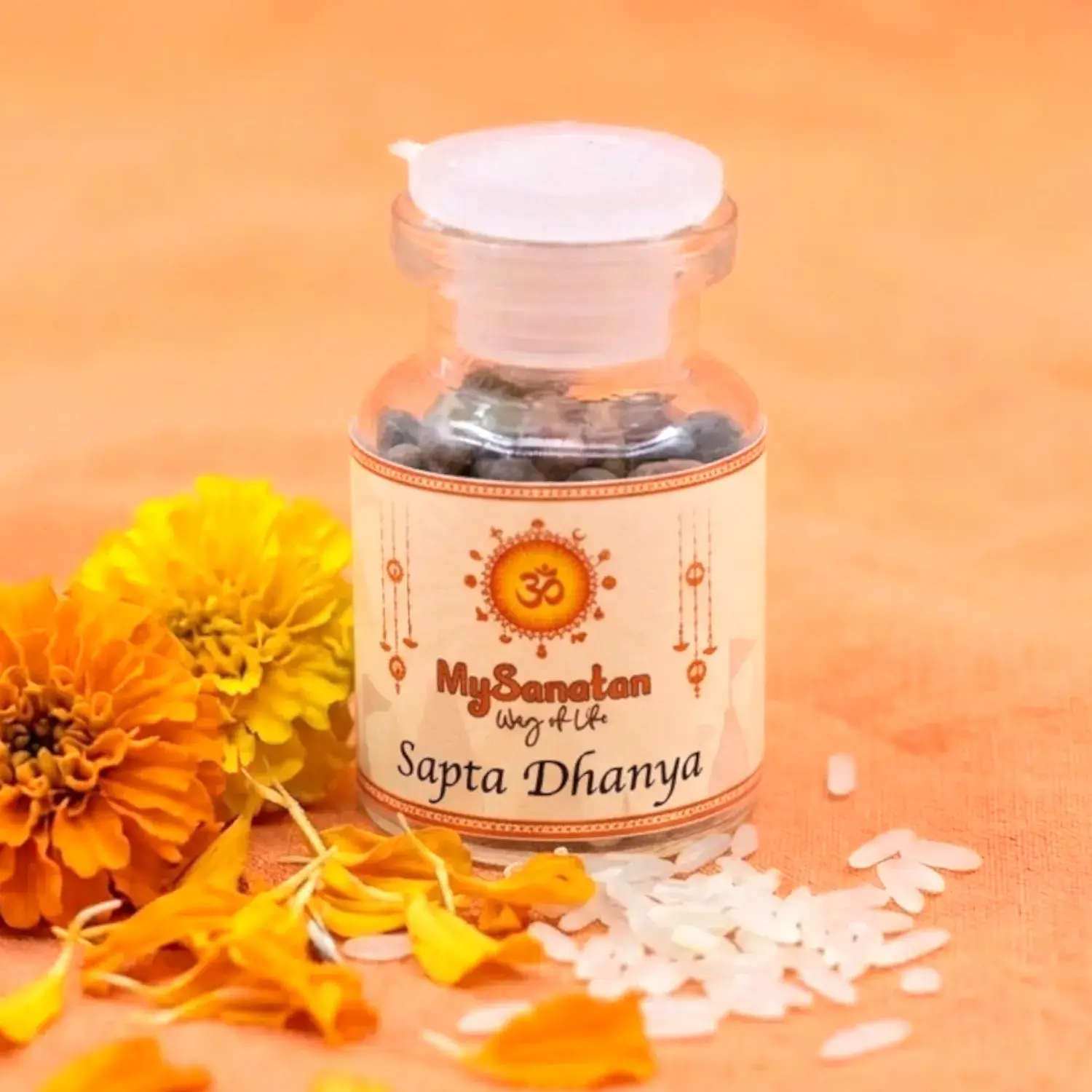
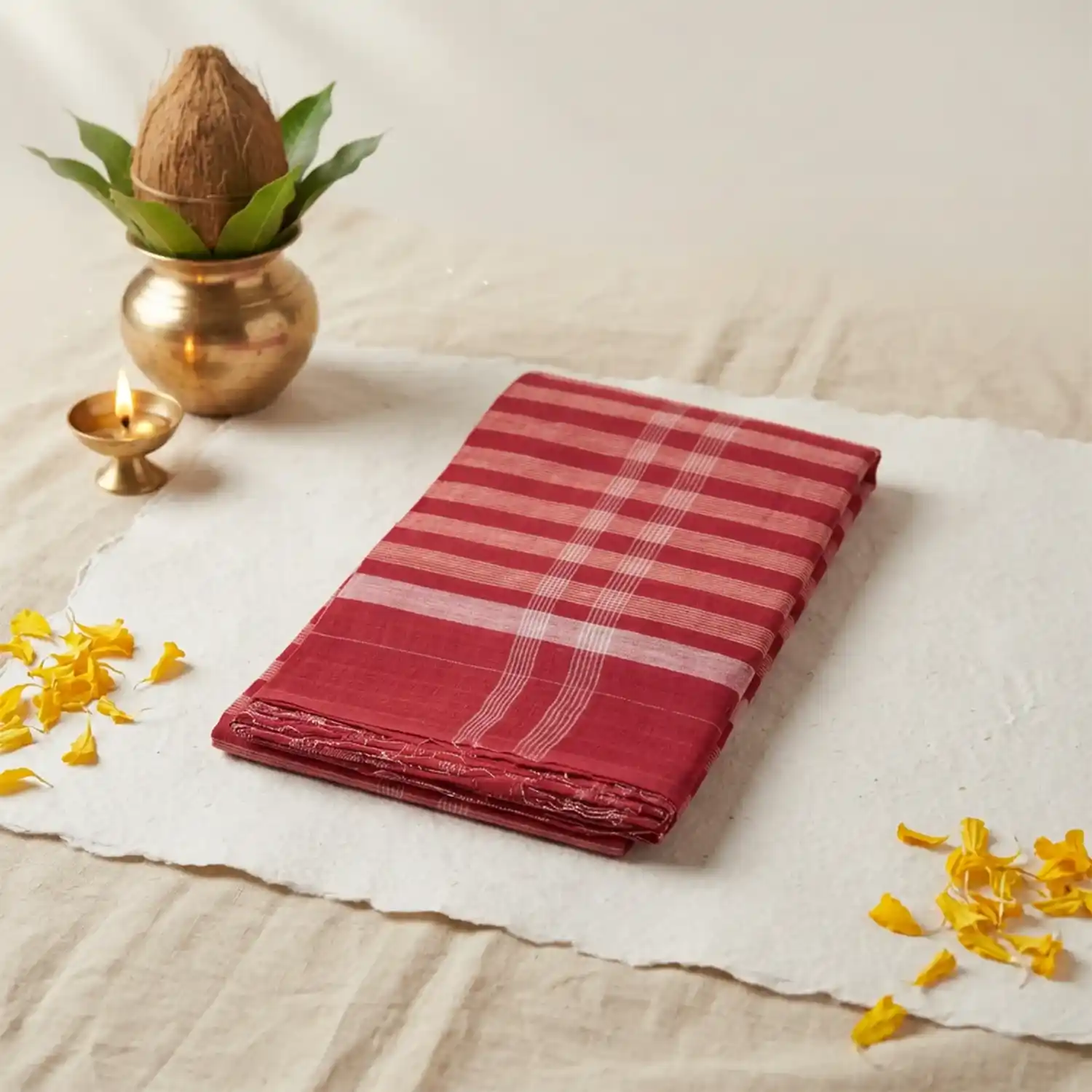
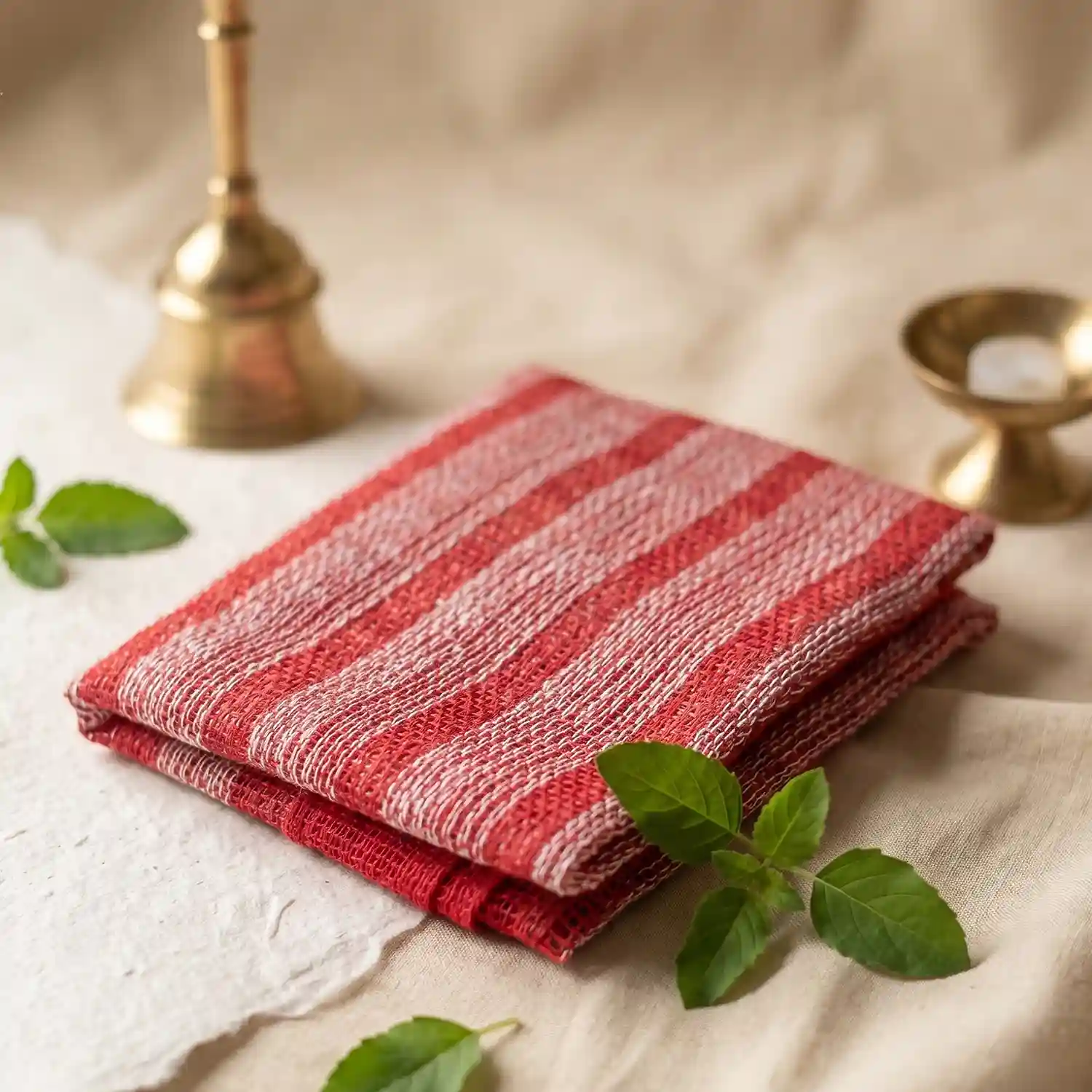
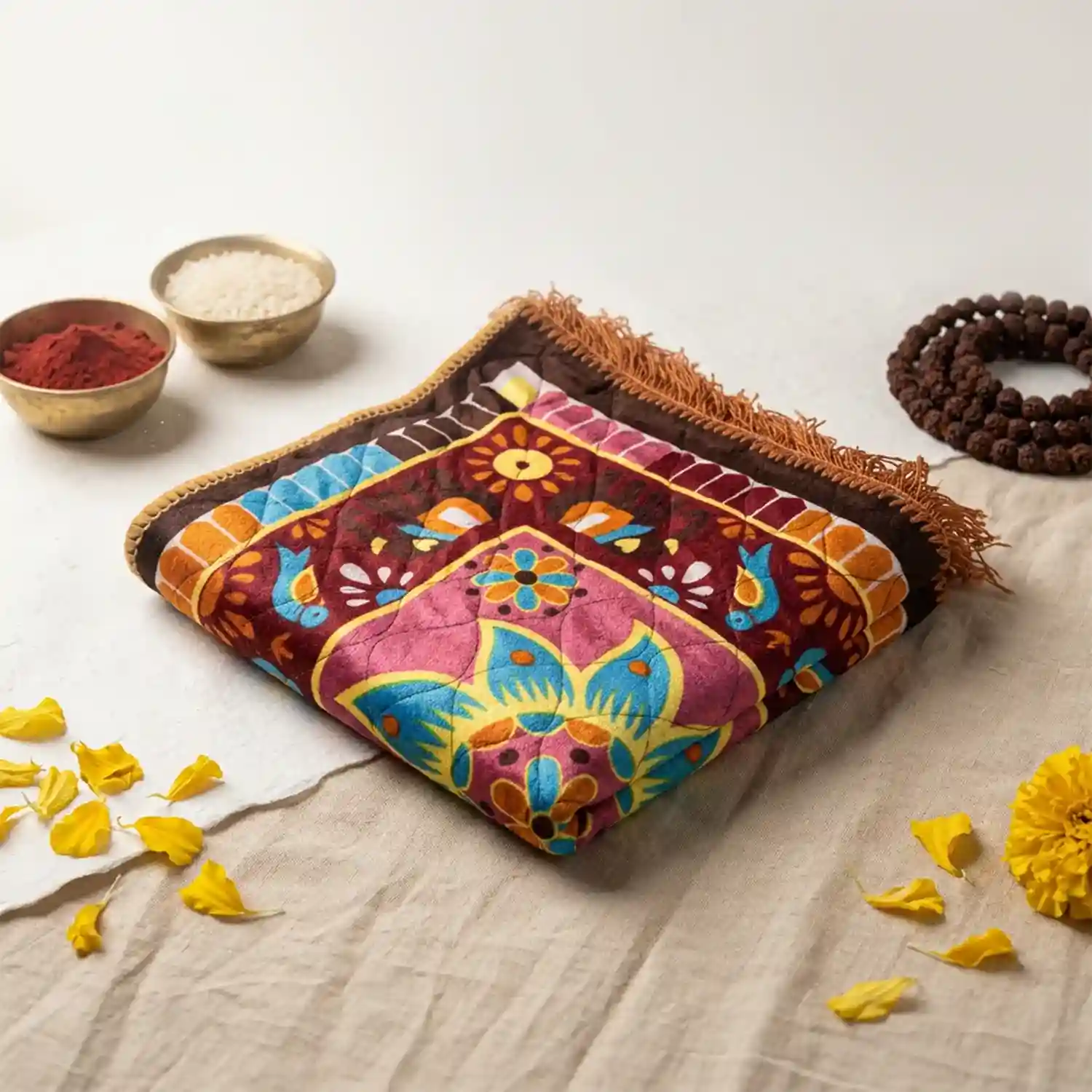
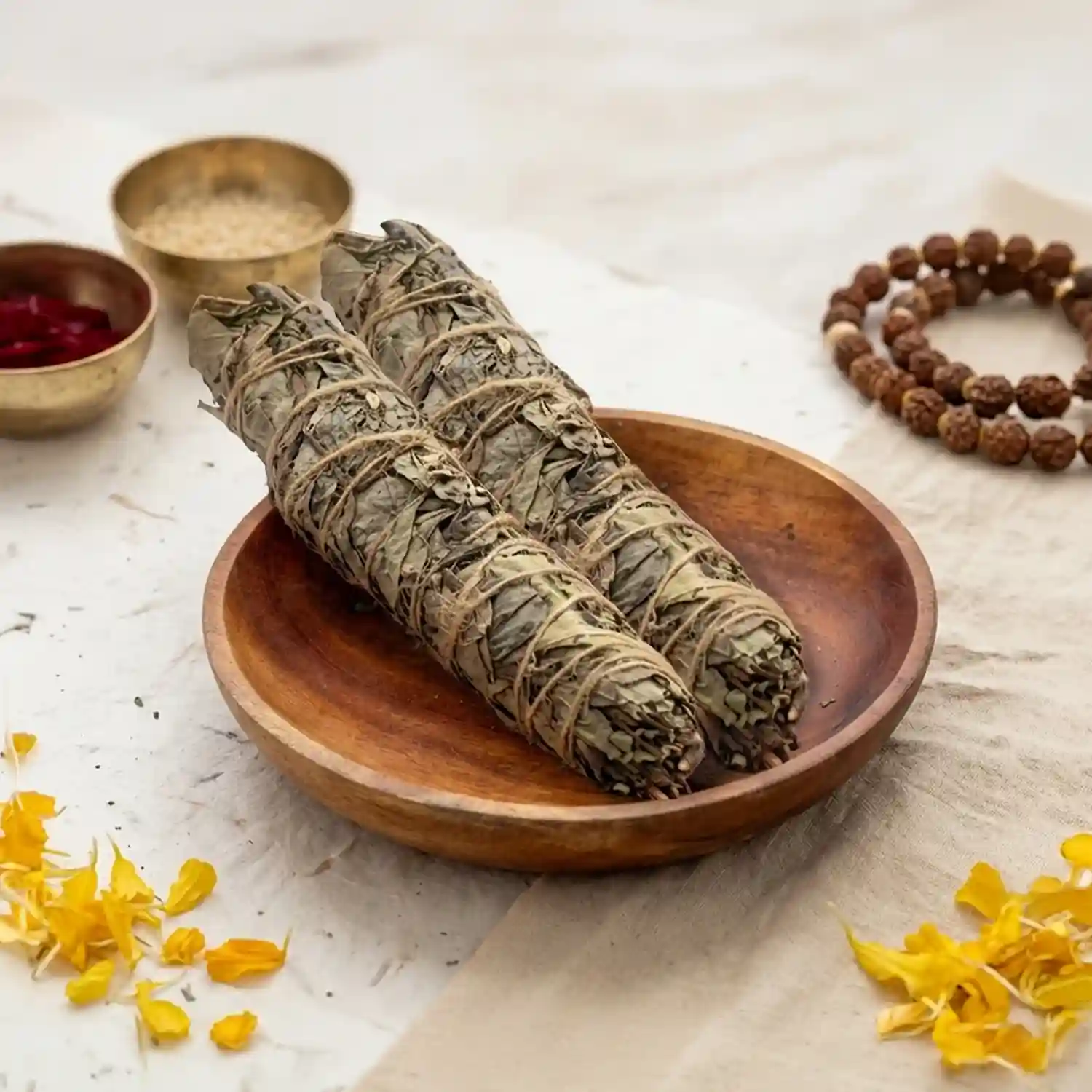
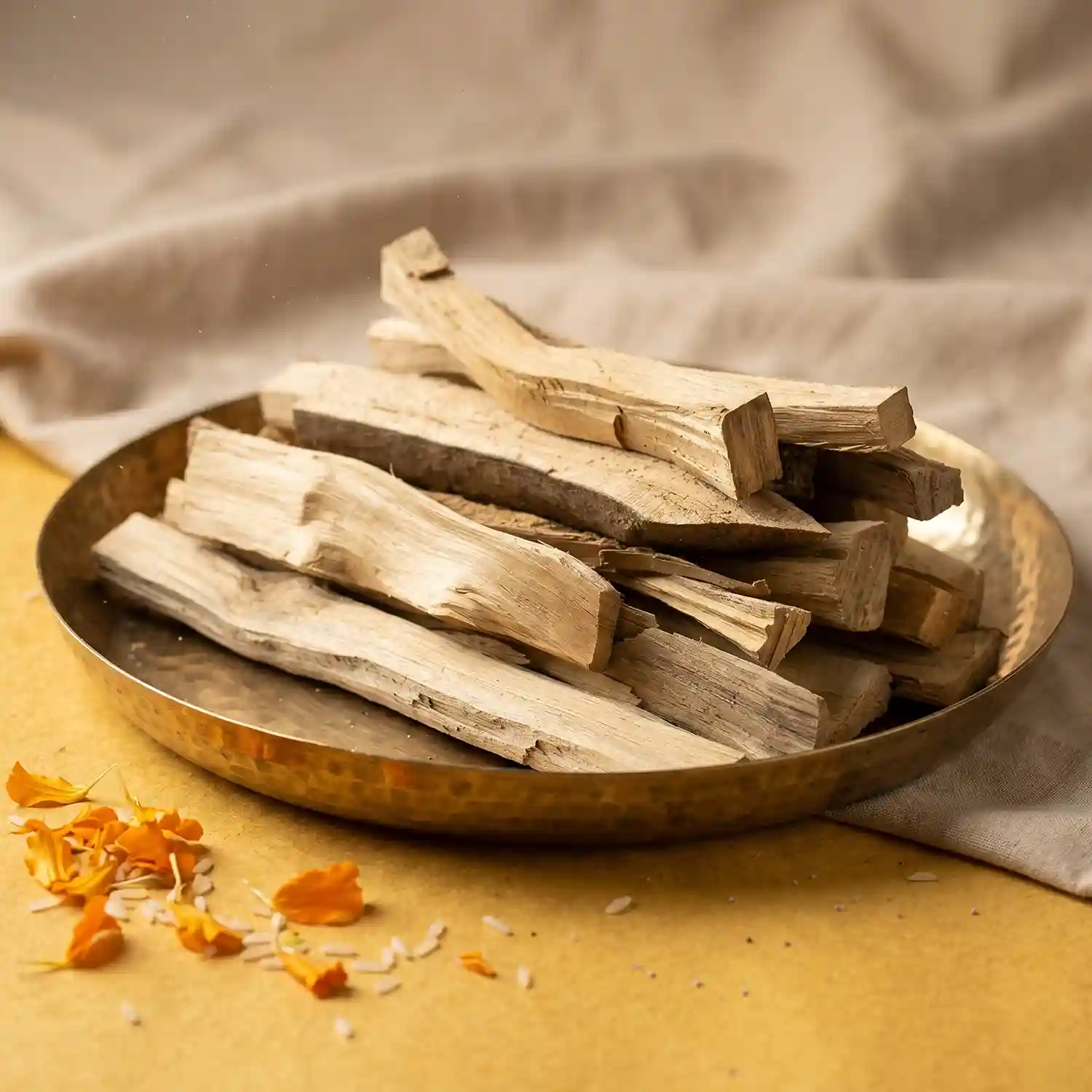
_11zon.webp)
_11zon.webp)


_9_11zon.webp)

Frequently Asked Questions
- Q1: Our community usually celebrates Jogodhatri Puja over several days. Why do traditional manuals list it specifically on Navami?
- For Beginners: The authoritative Purohit Darpan strictly catalogs Goddess Jogodhatri's primary worship under Navami (the 9th lunar day) of the Kartik month. However, because massive community Pandals perform grand, highly elaborate sacraments—like the neighborhood-wide fire rituals and the complex royal bath—committees traditionally extend the festival across Saptami, Ashtami, and Navami to accommodate the majestic scale of the worship and allow all families to participate!
- Q2: The 16-step worship mentions both Madhuparka and Tambula. Aren't they basically serving the same purpose of offering something sweet?
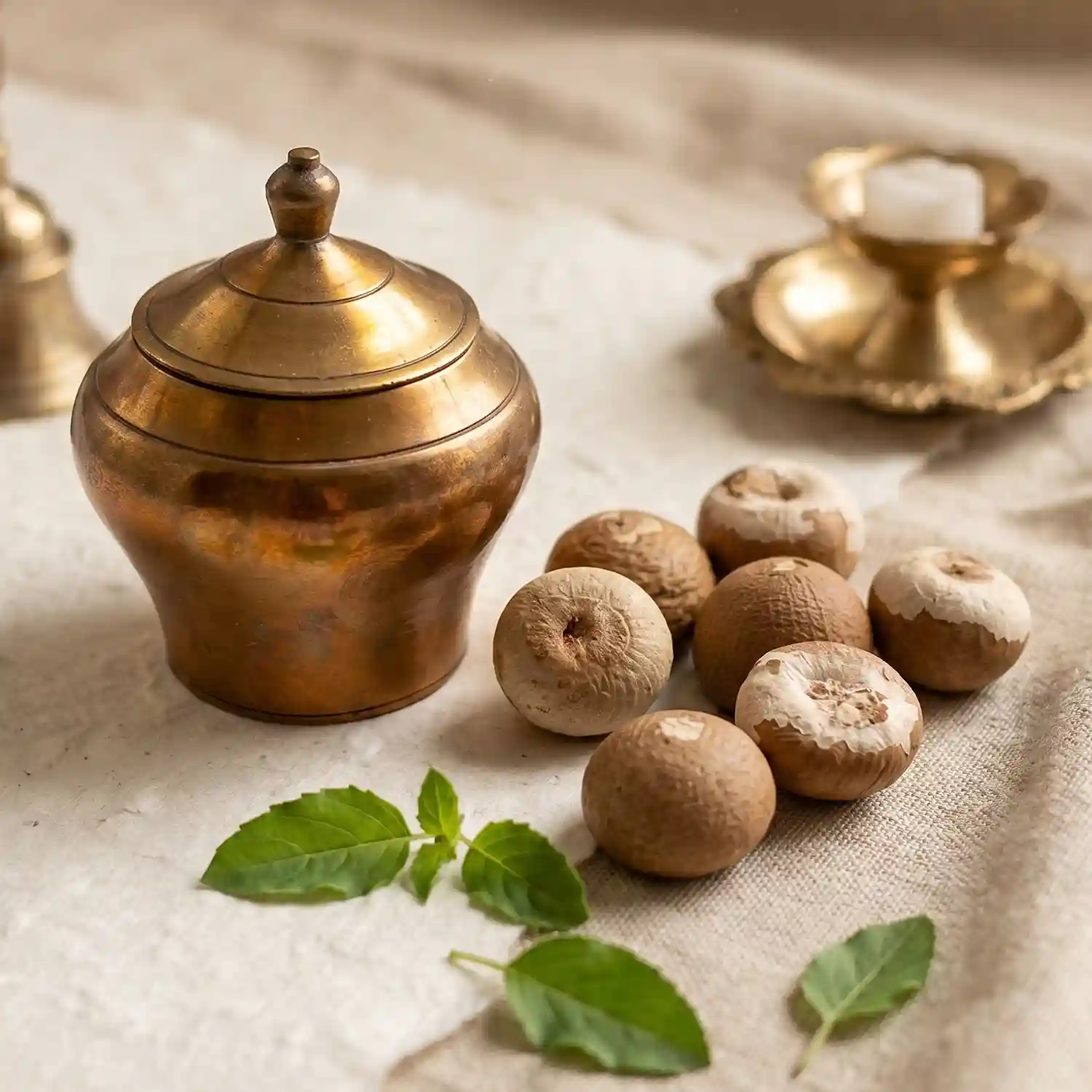
- For Experienced Priests & Scholars: No, classical texts draw a strict, uncompromised distinction between the two in the royal 16-step (Shodashopachar) sequence. Madhuparka (the honey/sweet offering) is presented strictly as the 6th step to honor the deity upon Her arrival. Tambula (the betel leaf, supari, and spices), however, is exclusively the 16th and final step, offered specifically to sweeten the Goddess's mouth after all the main food offerings (Naivedya) have concluded. This kit provides dedicated, premium items for both (the Madhu Parker Bati and the Haritaki/Supari Tambula) to ensure the priest can execute the exact sequence flawlessly!
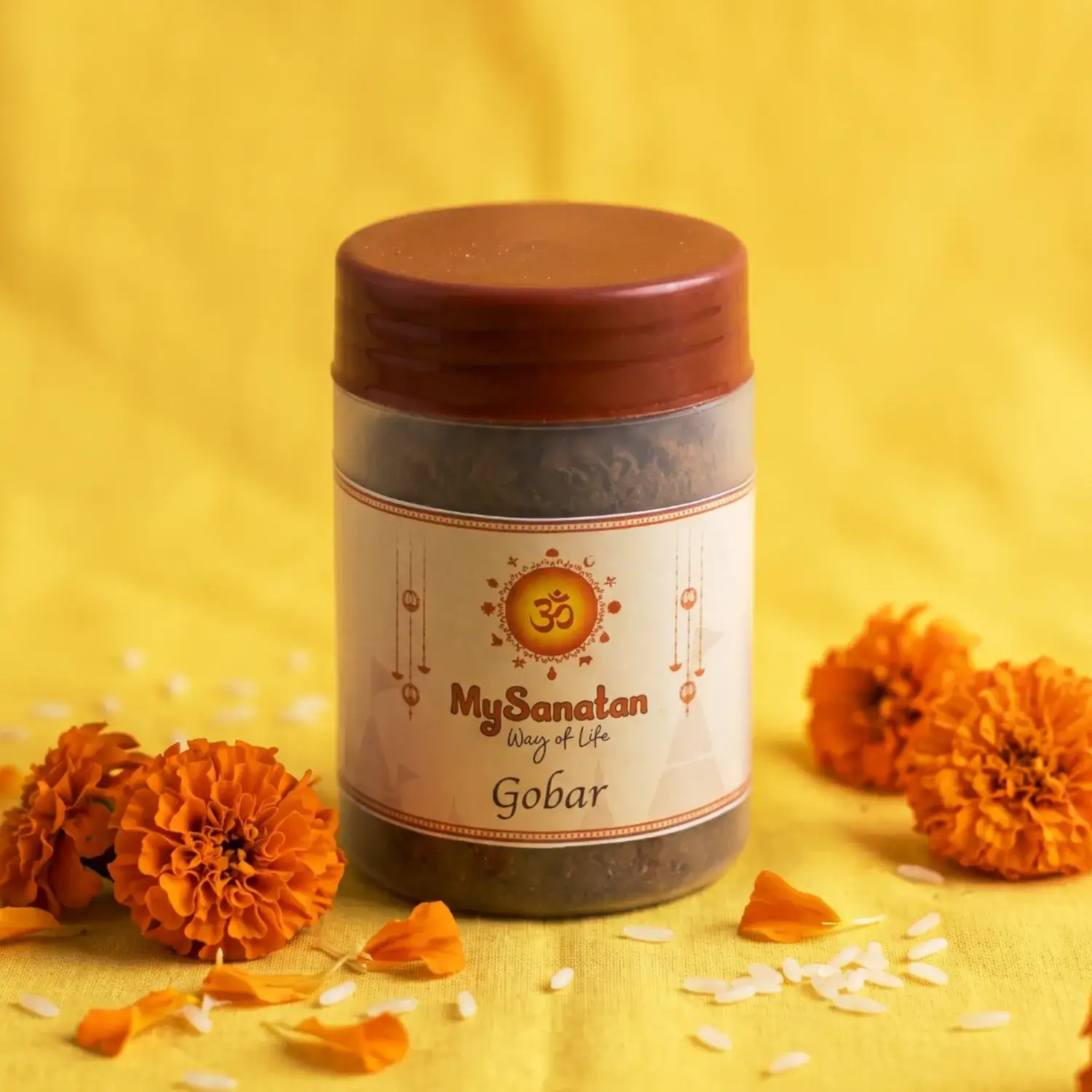
- Q3: Some modern Pandals try to skip the use of Gau Mutra and Gobar. Why are they included in a premium kit?
- For Beginners (Pandal Committees): While it might seem traditional, deeply purifying the Pandal grounds is a non-negotiable scriptural requirement. Before the sacred Ghat can be installed or the Teer Kathi boundary set, the priest must cleanse the earth of any physical or energetic impurities. Authentic Gau Mutra (Cow Urine) and Gobar (Cow Dung) are primary components of Panchagavya—the supreme purifying agents required to spiritually cleanse the public space and prepare it perfectly for the descent of the Goddess.
- Q4: How does a grand community worship of Mother Jogodhatri positively impact the youth in our neighborhood?
- For All Practitioners: Mother Jogodhatri is famously depicted taming a wild elephant, which is the ultimate symbol of conquering unchecked ego, anger, and runaway materialism. Furthermore, texts like the Vedic NityaKarma emphasize that large-scale sacred rituals and fire ceremonies physically and spiritually transform the community environment, developing profound virtues within the society. This grand worship instills core social values into the younger generation—such as mutual harmony, compassion, cooperation, and supreme peace—which are essential for a thriving, united neighborhood.
- Q5: Are culturally specific adornments, like the Bet Mala and Ghumsi Set, recognized in these orthodox rituals?
- For Experienced Devotees: Absolutely! The classical 16-step sequence outlined in the Purohit Darpan explicitly mandates the offering of Abharan (Ornaments) as the 9th step of the royal worship. Local traditions beautifully fulfill this scriptural requirement using highly specific cultural adornments. By providing the authentic Bet Mala and Ghumsi Set alongside standard premium ornaments like the Shankha Pola Loha, this kit perfectly bridges the gap between orthodox scriptural mandates and deeply loved, authentic regional expressions of devotion!