preloader

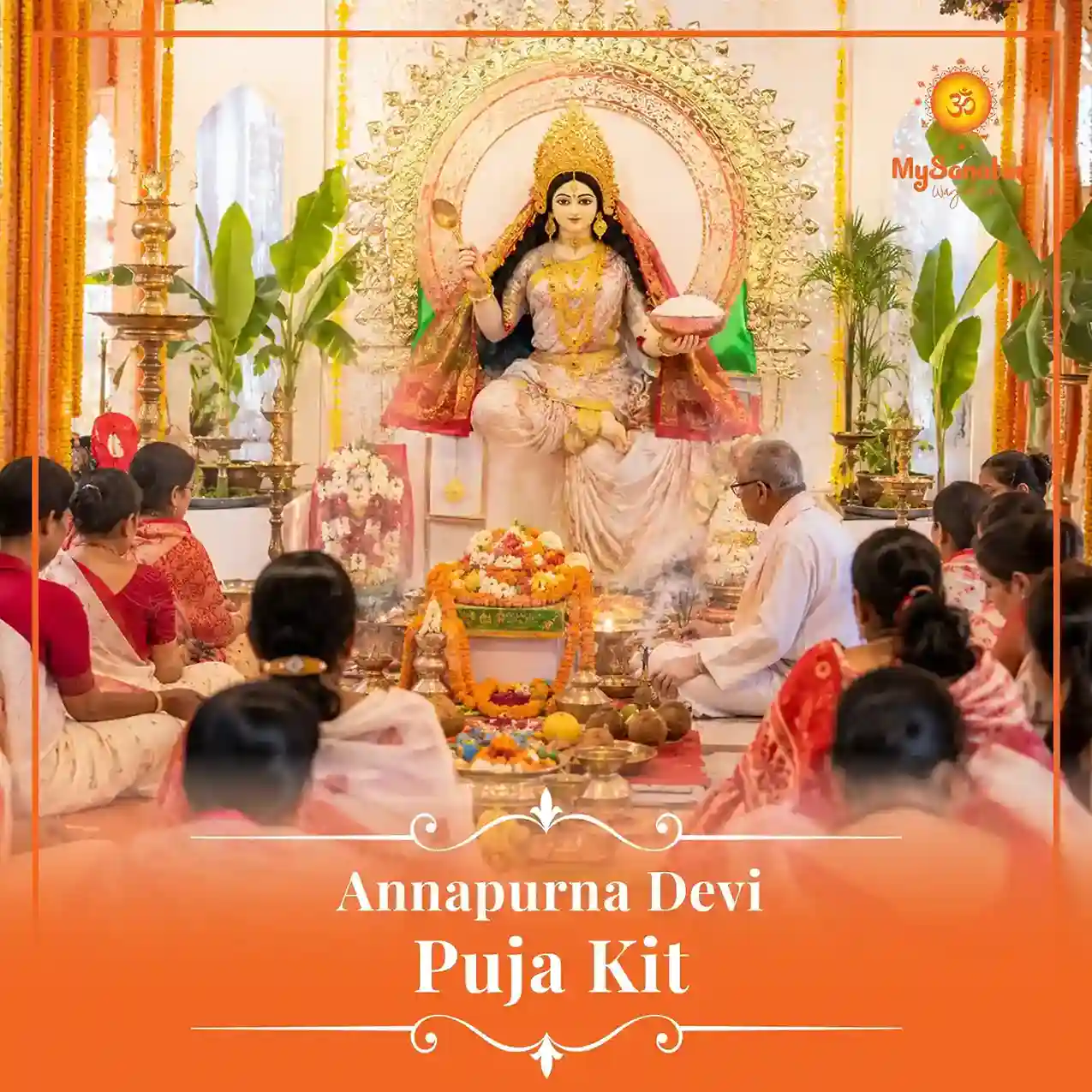
Annapurna Devi Puja Kit

  • Annapurna Devi Puja is performed to seek the divine blessings of Goddess Annapurna for abundance, nourishment, and prosperity. It removes obstacles and negative energies, brings peace and harmony to the family, and blesses devotees with happiness, good fortune, and overall well-being in life.

  • Goddess Annapurna is the benevolent, golden-complexioned manifestation of the Divine Mother who sustains the universe with endless nourishment. According to the classical Annadamangal, She is the granter of ultimate prosperity who eradicates poverty and ensures no devotee is ever left hungry. Worshipping Her in a massive Community Pandal is a profoundly unifying act. It invokes endless agricultural abundance, neighborhood prosperity, and creates a deeply charitable spiritual atmosphere filled with mutual compassion and harmony.

  • This grand community festival is traditionally performed: 
  • • During Chaitra Shukla Ashtami (the eighth day of the waxing moon in the Hindu month of Chaitra, coinciding with Basanti Navaratri). 
  • • It is also highly auspicious to perform before major community harvests or during massive neighborhood charity feeding events (Annadana).

  • Step 1 (Advanced Space Purification): The priest deeply cleanses the Pandal grounds using the Ganga JalGau Mutra, and Gobar. This is followed by advanced breath control (Pranayama) and complex elemental purification (Bhuta-shuddhi) to spiritually cleanse the locality. 
  • Step 2 (The Divine Ghat Installation): The priest establishes the sacred vase (Ghat) using the Pancha Ratna, locking in the community's protective boundary using the Teer KathiTekaata, and Khari Mati
  • Step 3 (16-Step Royal Worship & Adornment): Mother Annapurna is invoked on the Puja Place. Following the complete 16-step sequence (Shodashopachar), She is magnificently adorned with the Nickel NoaBoron Samagri, and Alta. The highly esoteric Siddhi Leaves and Aabata are offered to honor Her divine presence. 
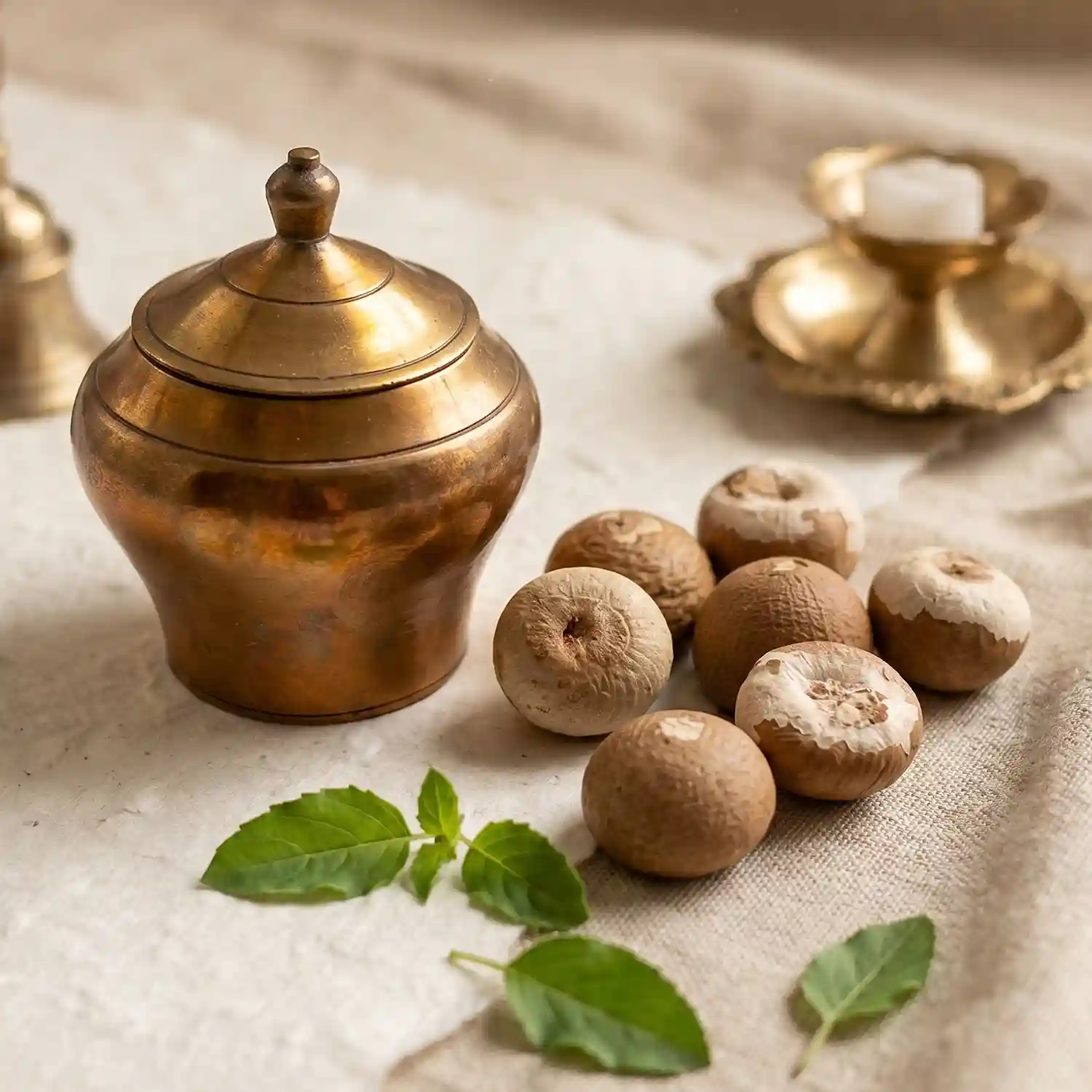
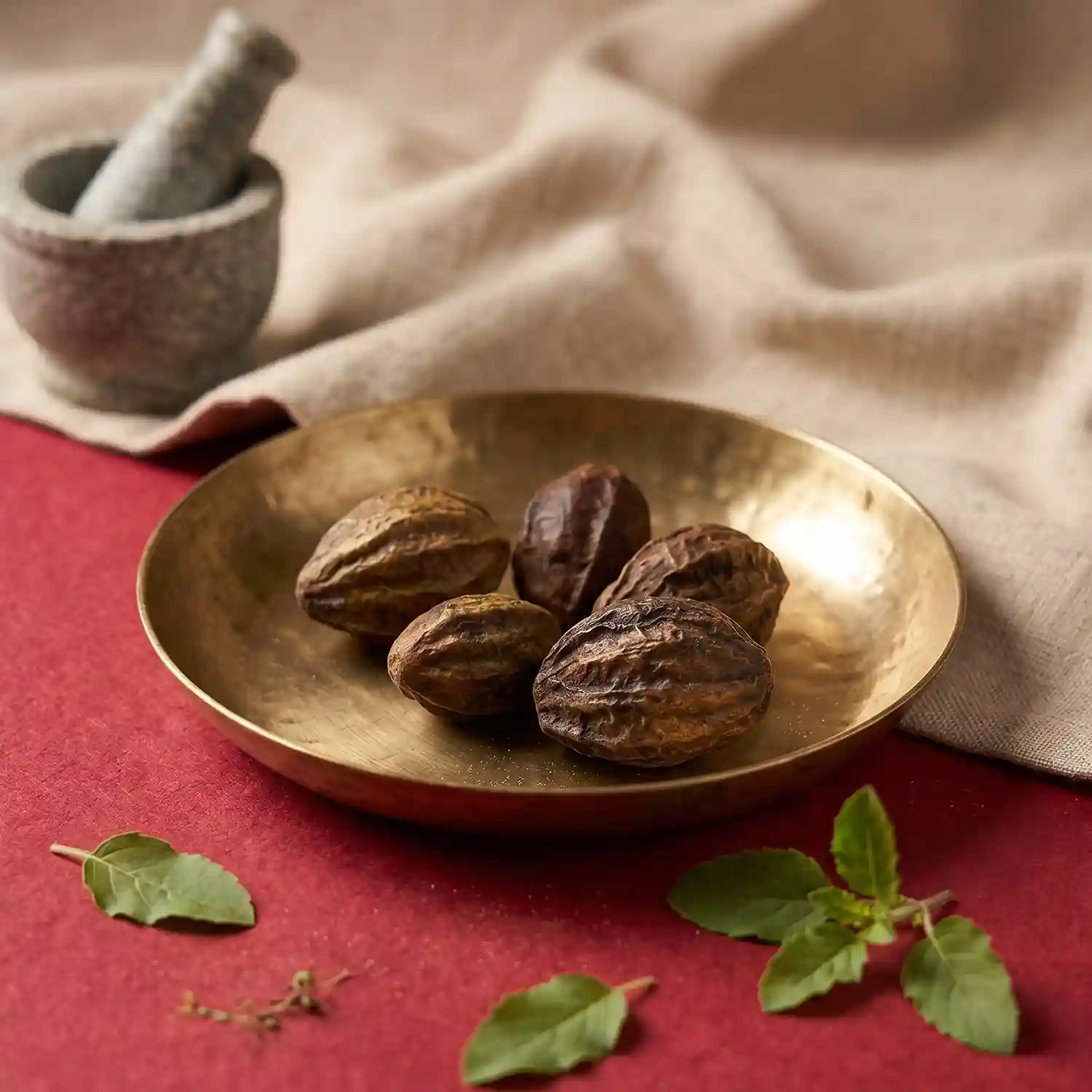
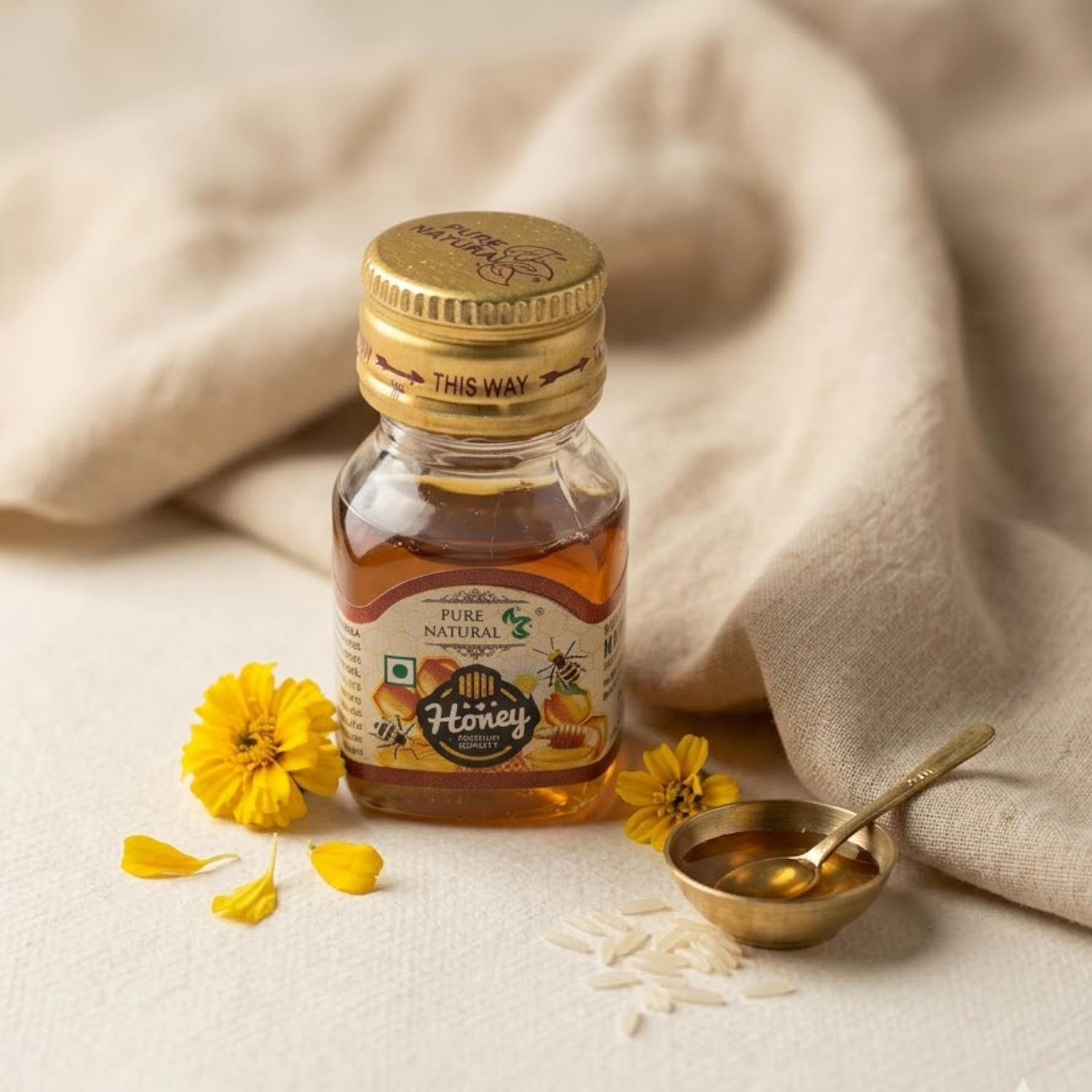
  • Step 4 (Madhuparka & Tambula): A royal offering of Honey (Madhuparka) is presented as the 6th step. Then, as strictly mandated by the classical rules of the 16-step royal protocol, the perfectly complete Tambula (Supari, Clove, Cardamom, Haritaki) is offered to sweeten the Goddess's mouth as the absolute 16th and final offering.
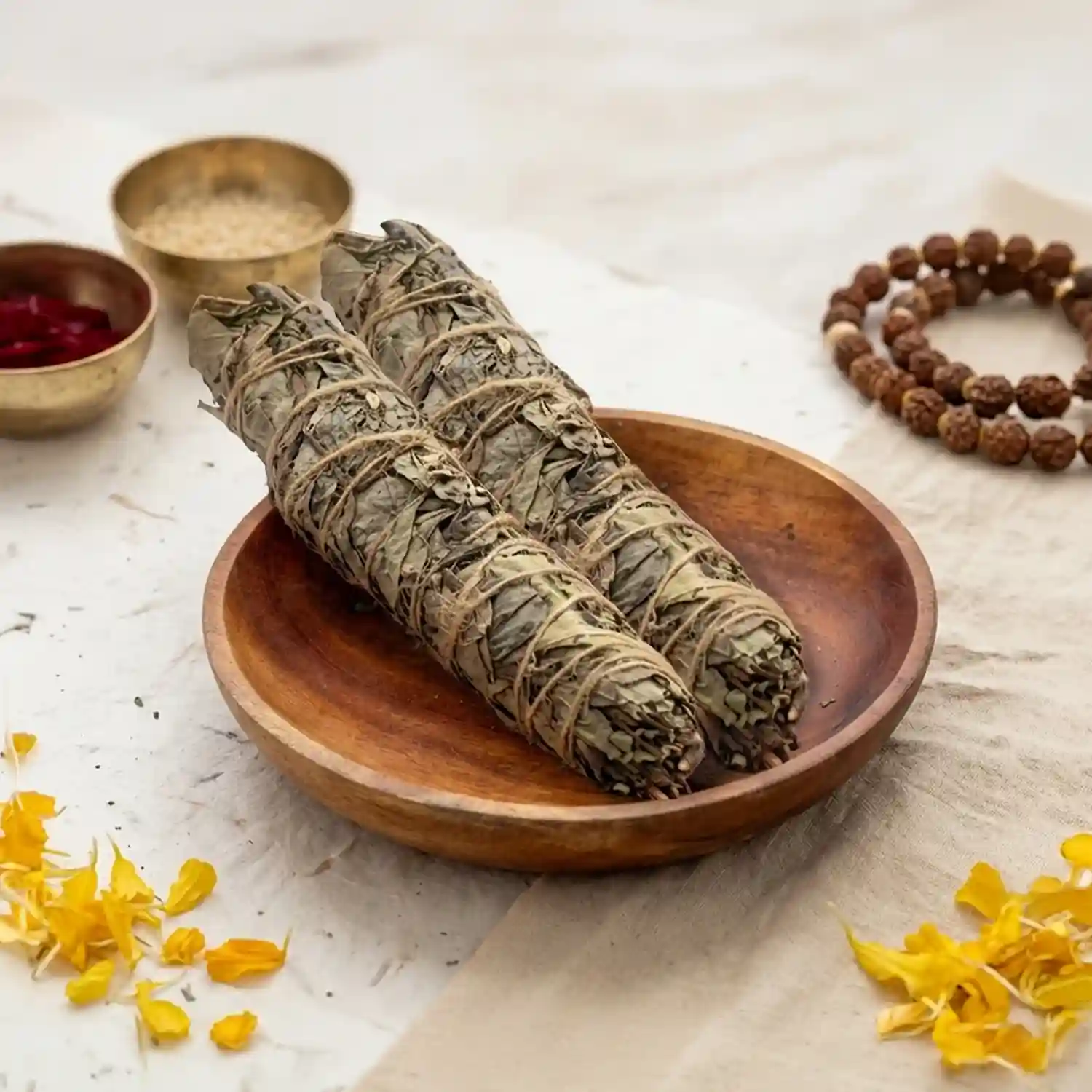
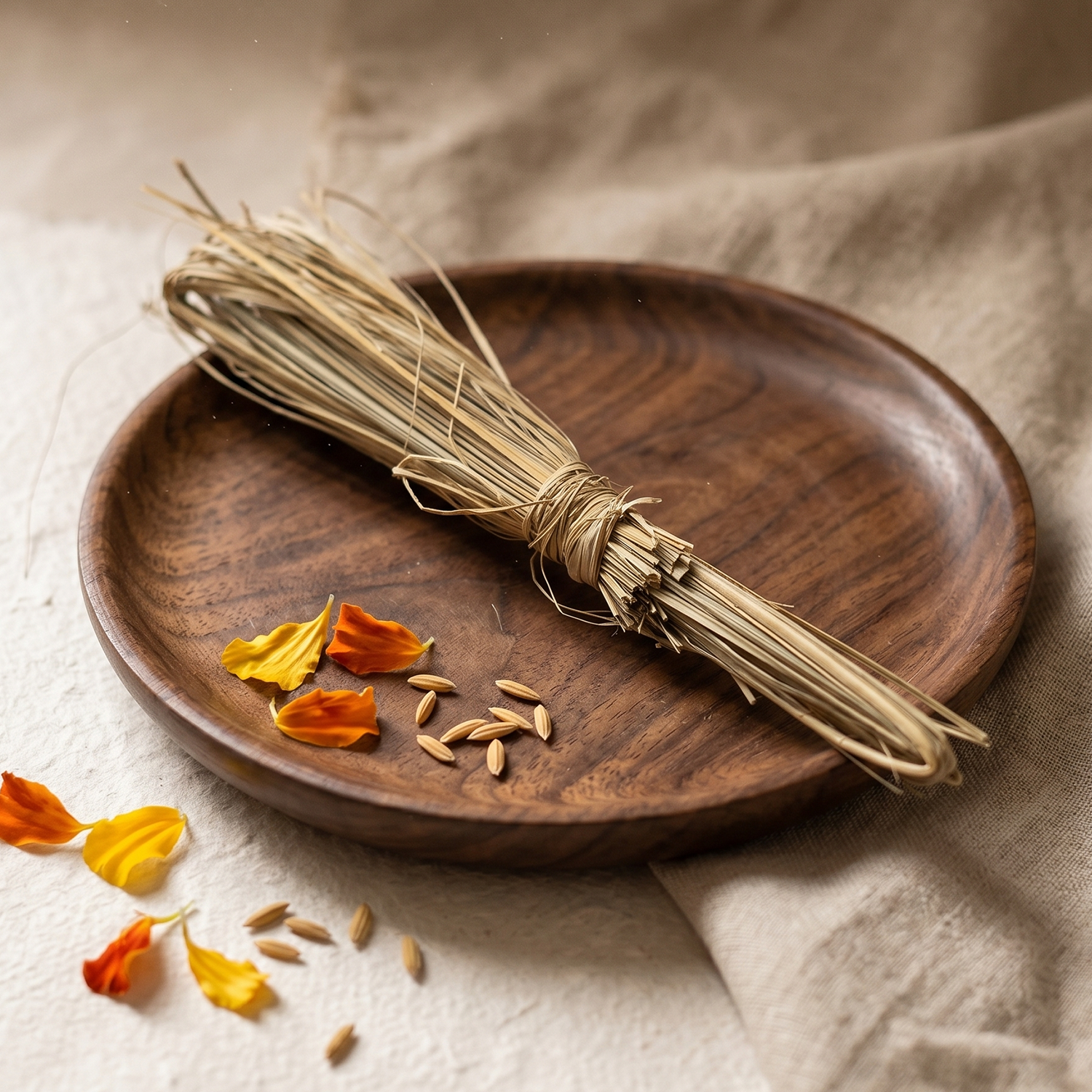
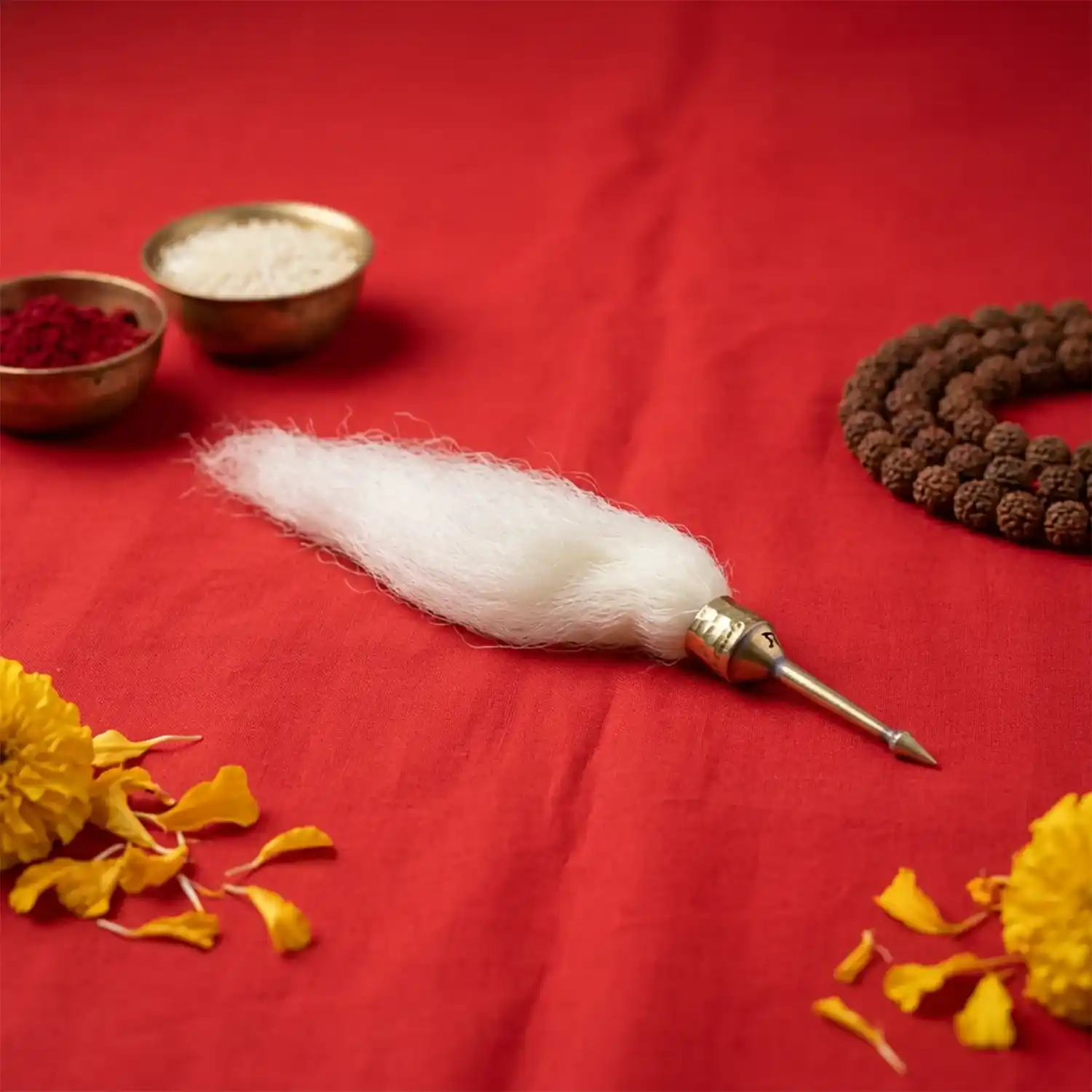
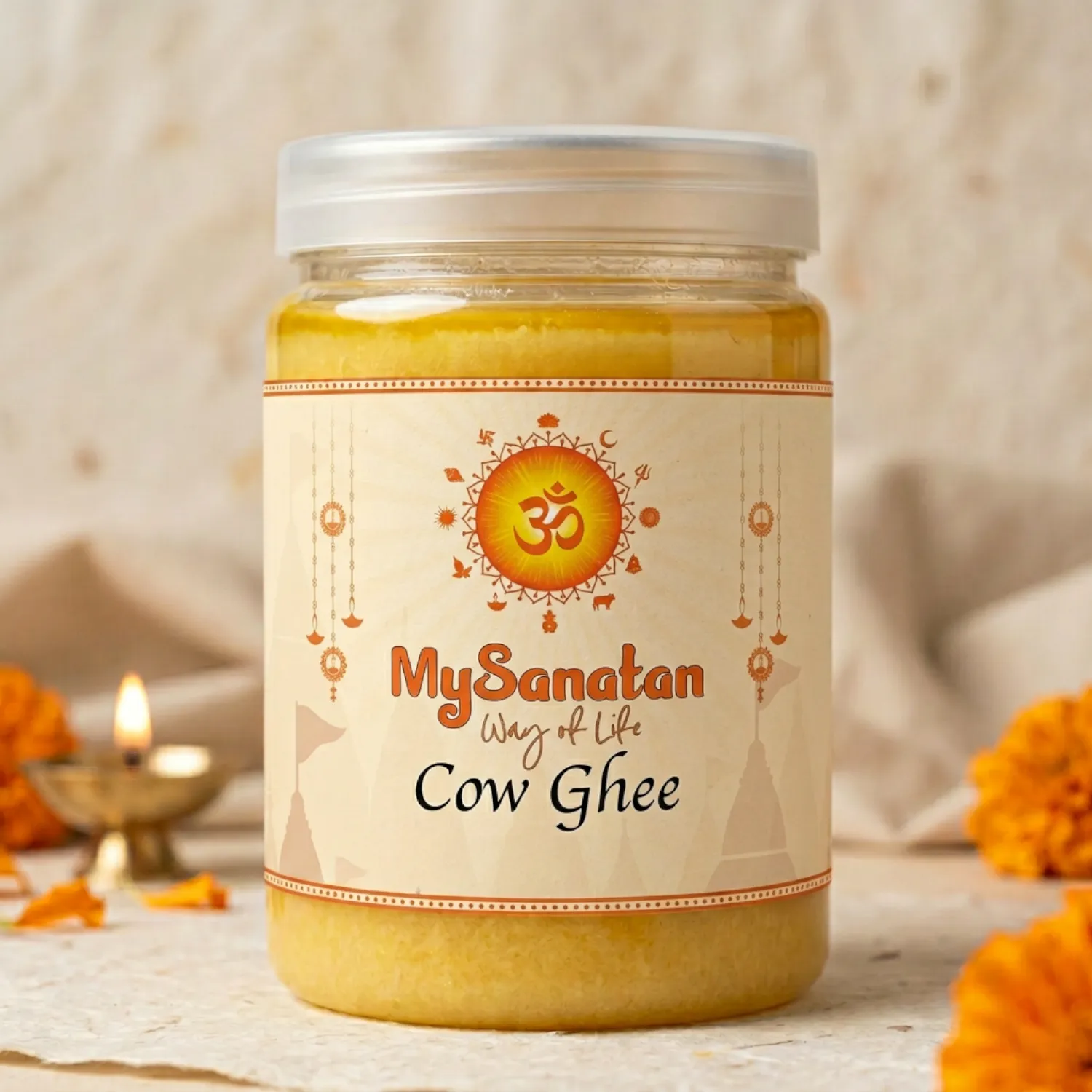
  • Step 5 (Grand Pandal Havan & Aarti): The festival peaks with a magnificent community fire ceremony, which purifies the environment and destroys disease. The priest establishes the sacred fire using the Kusha Grass, igniting the Bel Kath and offering the Havan Samagri and Cow Ghee! Finally, a massive, space-clearing smoke Aarti is performed using the Dhuna and Camphor, while the Goddess is fanned with the Chawar.

  • • Eradicates Poverty and Hunger: Grants the ultimate boon of endless nourishment, ensuring that the participating community and their families never face financial or material deprivation. 
  • • Fosters Collective Prosperity: The powerful energetic vibrations of the worship bring immense success to local businesses, agrarian efforts, and community wealth. 
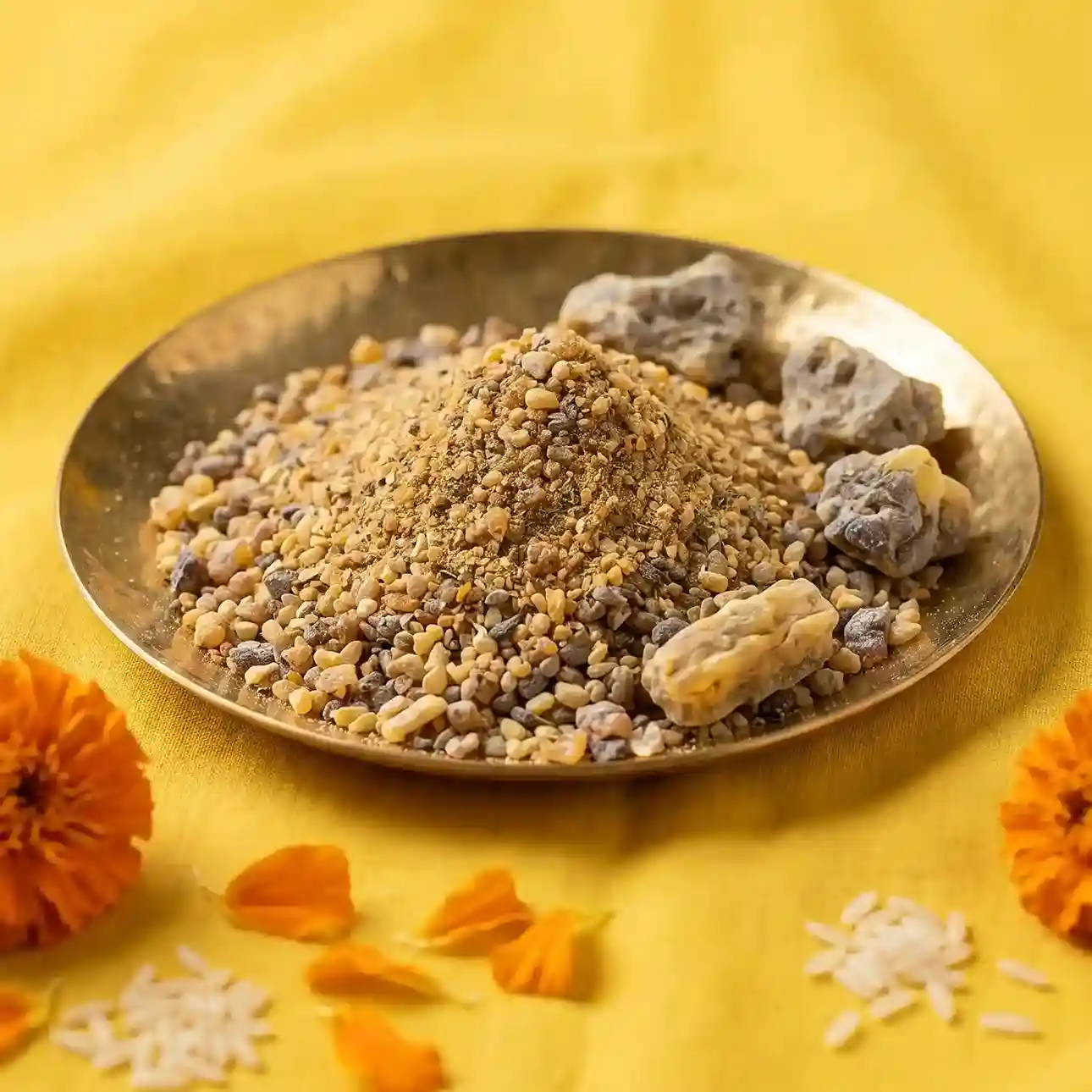
  • • Deep Environmental Cleansing: The massive volume of Dhuna and the Vedic Havan smoke completely eradicates dense, stagnant vibrations from the Pandal area, physically and spiritually purifying the local environment.

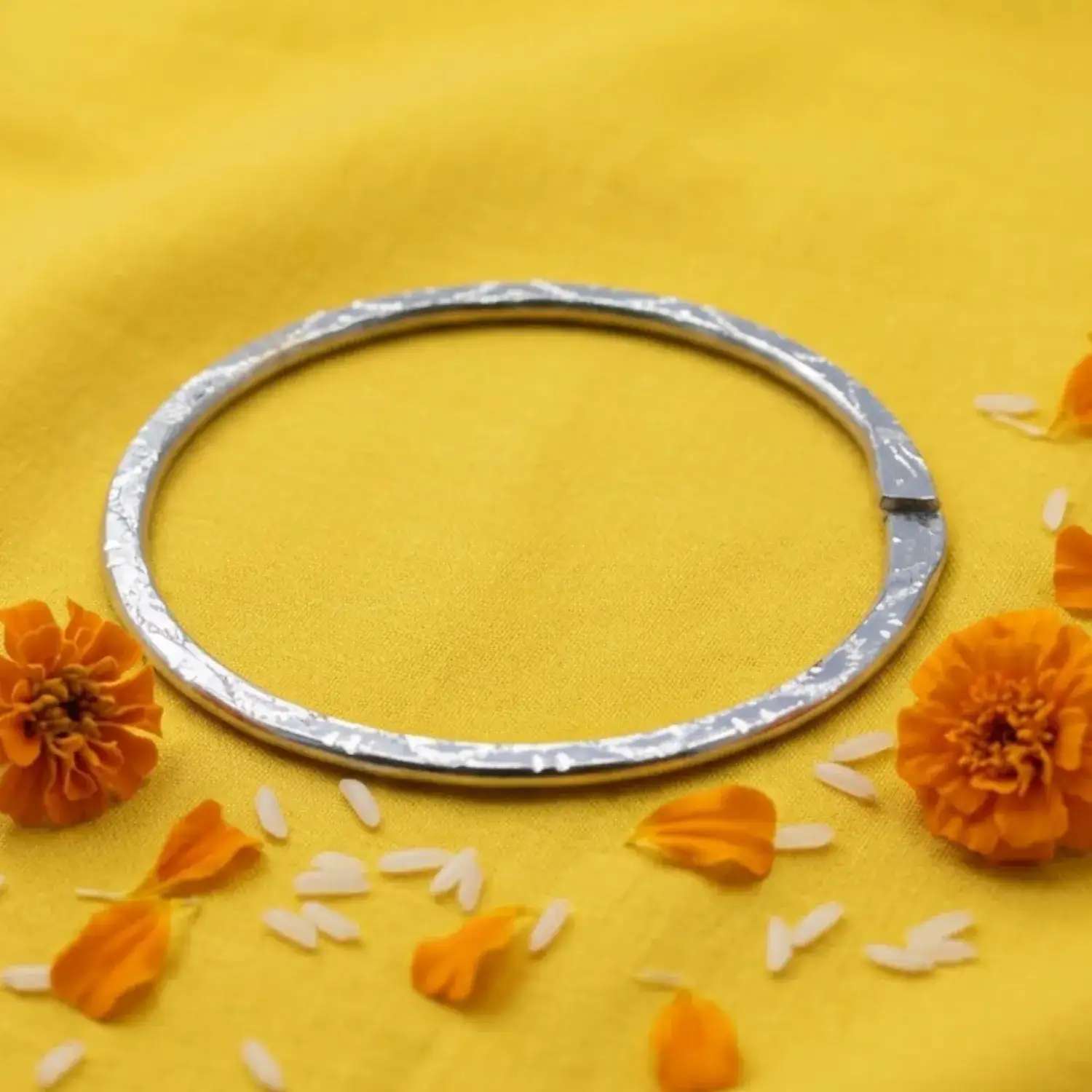
  • The MySanatan Annapurna Devi Puja Kit is a breathtakingly authentic, heavy-duty spiritual package available for Pandal committees. We have meticulously sourced incredibly rare, culturally authentic elements specifically required for Her worship—including the traditional Nickel Noa (Bangle), Boron Samagri, and highly specialized Mahoushadhi herbs. By natively including the scripturally compulsory 16th-step Tambula and providing a fully equipped Havan inventory, we guarantee your Pandal Priest has exactly the classical tools required to perform a scripturally flawless, deeply nourishing full-scale blessing for your neighborhood!
Standard Package
Package Total: ₹2,355.00
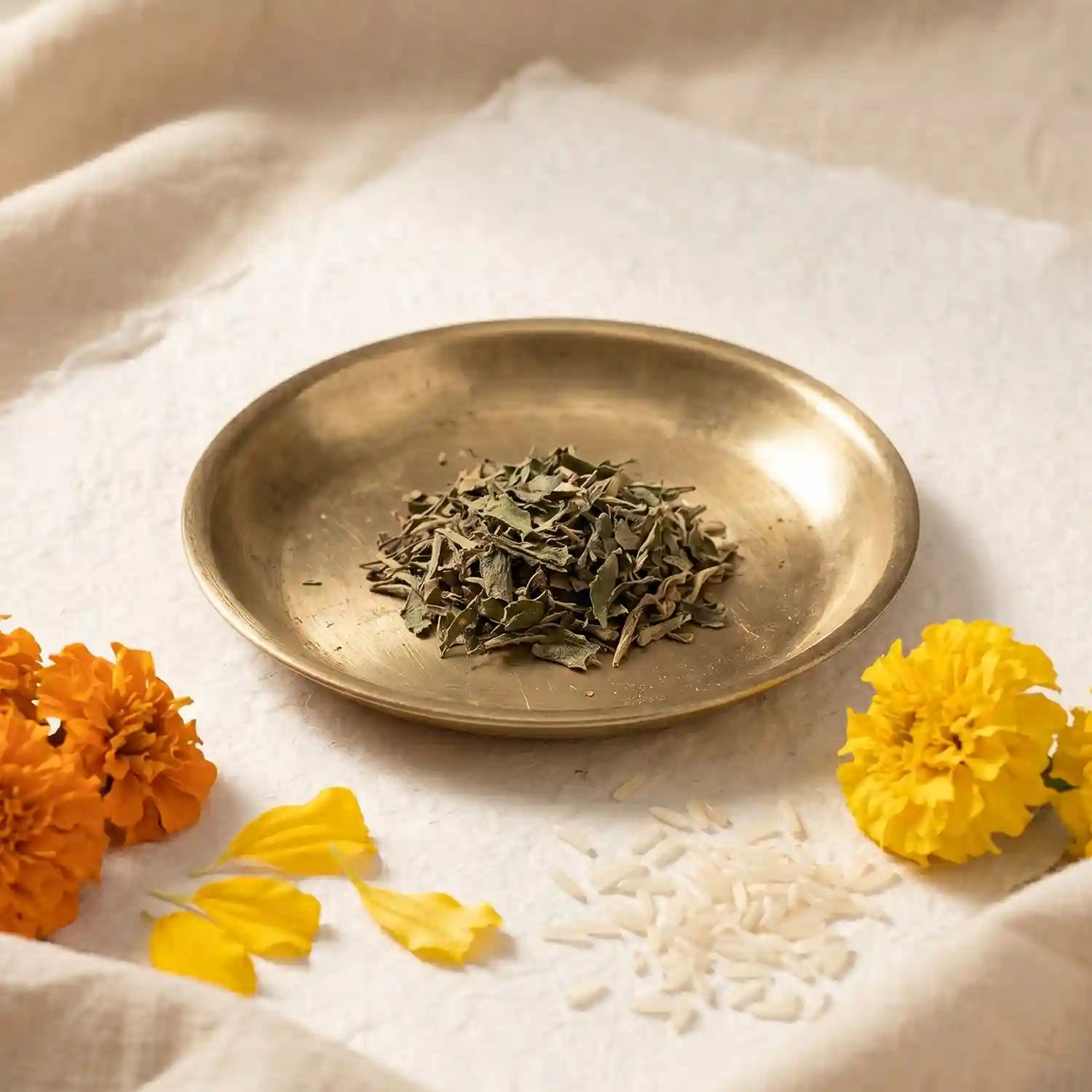
Siddhi Leaves For Puja | Dry Bhang Pata
2 Gram
1
10.00
Haritaki | Harad Fruit | Small Pack
5 Piece
1
16.00
Red Sindur For Puja | Sacred Vermilion
5 Gram
1
10.00
Black Sesame Seeds | Kaale Til
10 Gram
1
20.00
Pancha Guri | Five Sacred Powders
1 Pack
1
15.00
Pancha Ratna | Five Gems/Jewels | Panch Ratna
1 Pack
1
10.00
Cow Ghee For Puja and Havan | Large Pack
250 Gram
3
747.00
Honey for Puja | Pure Sahad | Madhu
25 Gram
1
35.00
Dhuna Powder | Loban Powder | Natural Damar Batu (Small Pack)
50 Gram
1
49.00
Natural & Pure Camphor | Pure Kapoor | Karpura | Kapur (Medium Pack)
50 Gram
1
39.00
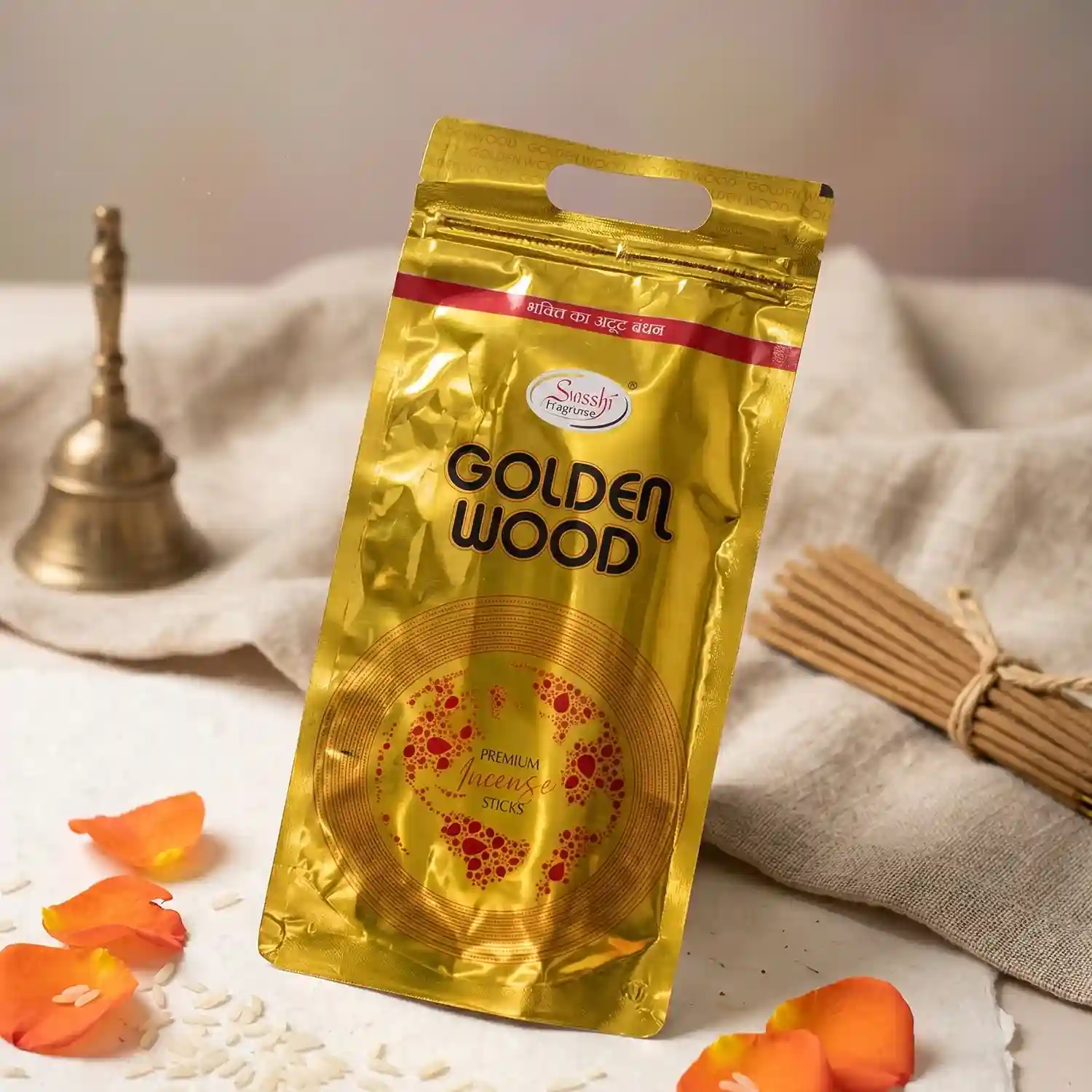
Agarbatti | Premium Incense Sticks | Dhup Kathi (Medium Pack)
110 Gram
1
68.00
Boron Samagri- Baran Asan, Barananguri and Madhu Parker Bati (Large)
1 Pack
1
89.00
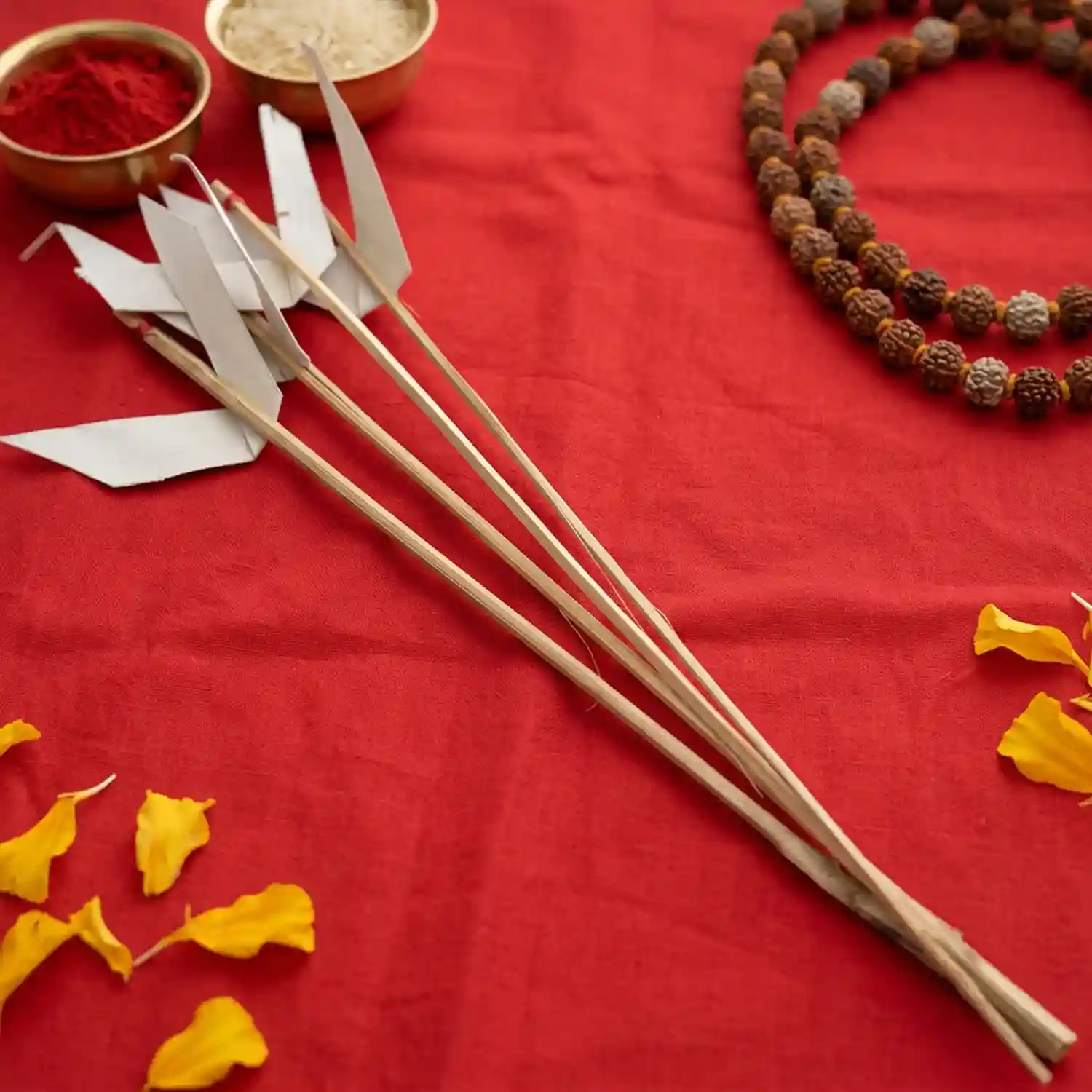
Teer Kathi | Ritual Boundary Sticks | Bamboo made Tirkathi
4 Piece
1
15.00
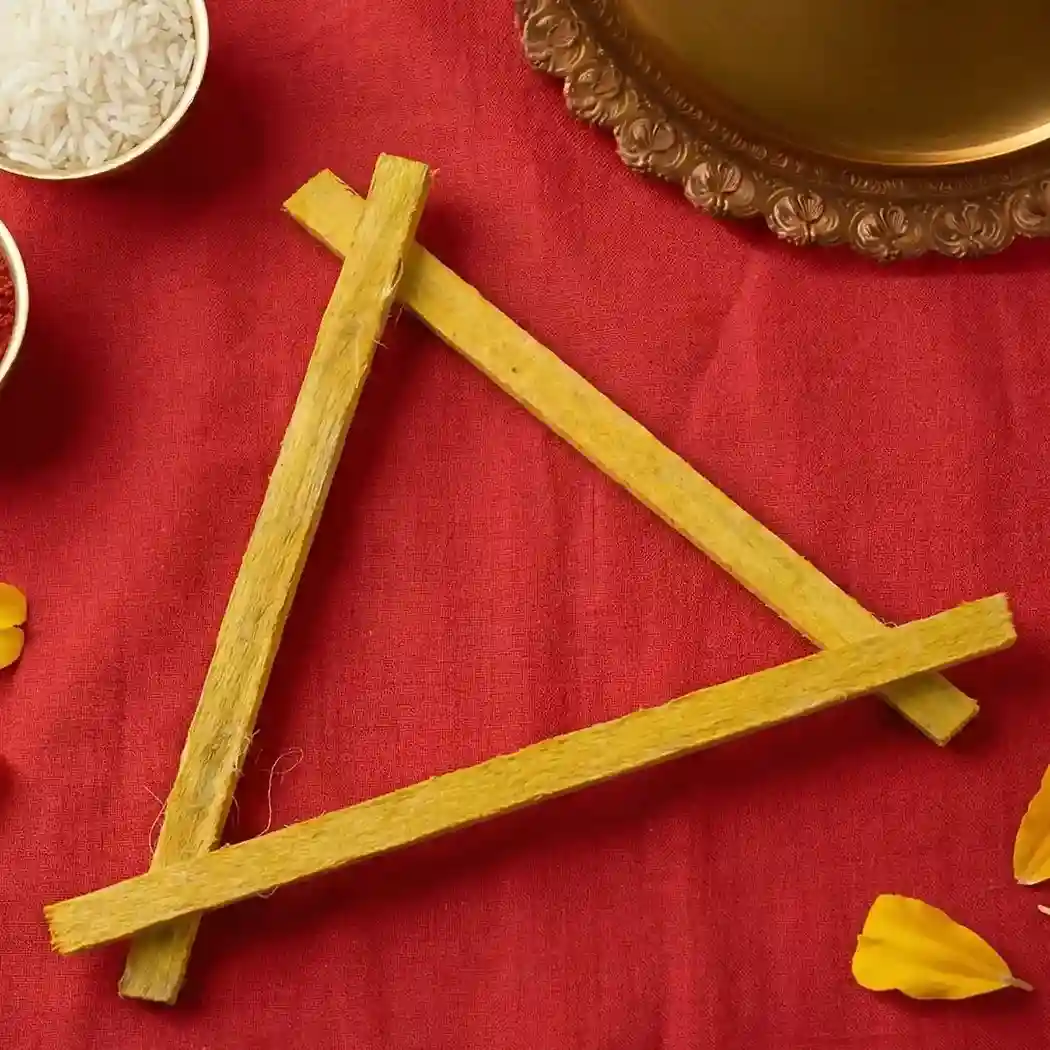
Tekaata for Puja | Triangle Wooden Frame
1 Piece
1
15.00
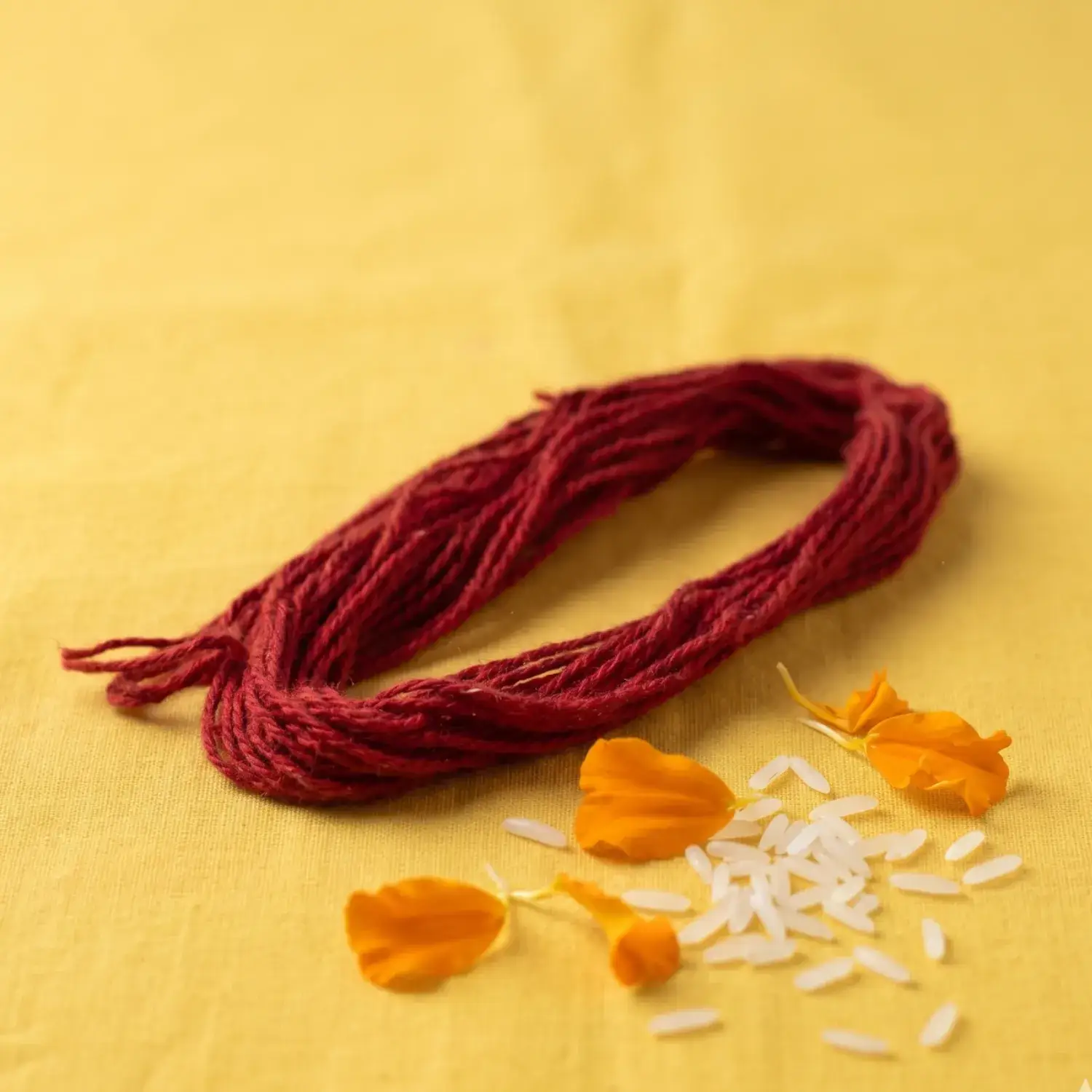
Red Moli Dhaga | Lal Kalawa | Red Ritual Thread
1 Piece
1
15.00
White Moli Dhaga | Safed Kalawa | White Ritual Thread
1 Piece
1
15.00
Supadi | Whole Betel Nut
7 Piece
1
15.00
White Cotton Janeu Thread | Sacred Thread | Paita
1 Piece
1
20.00
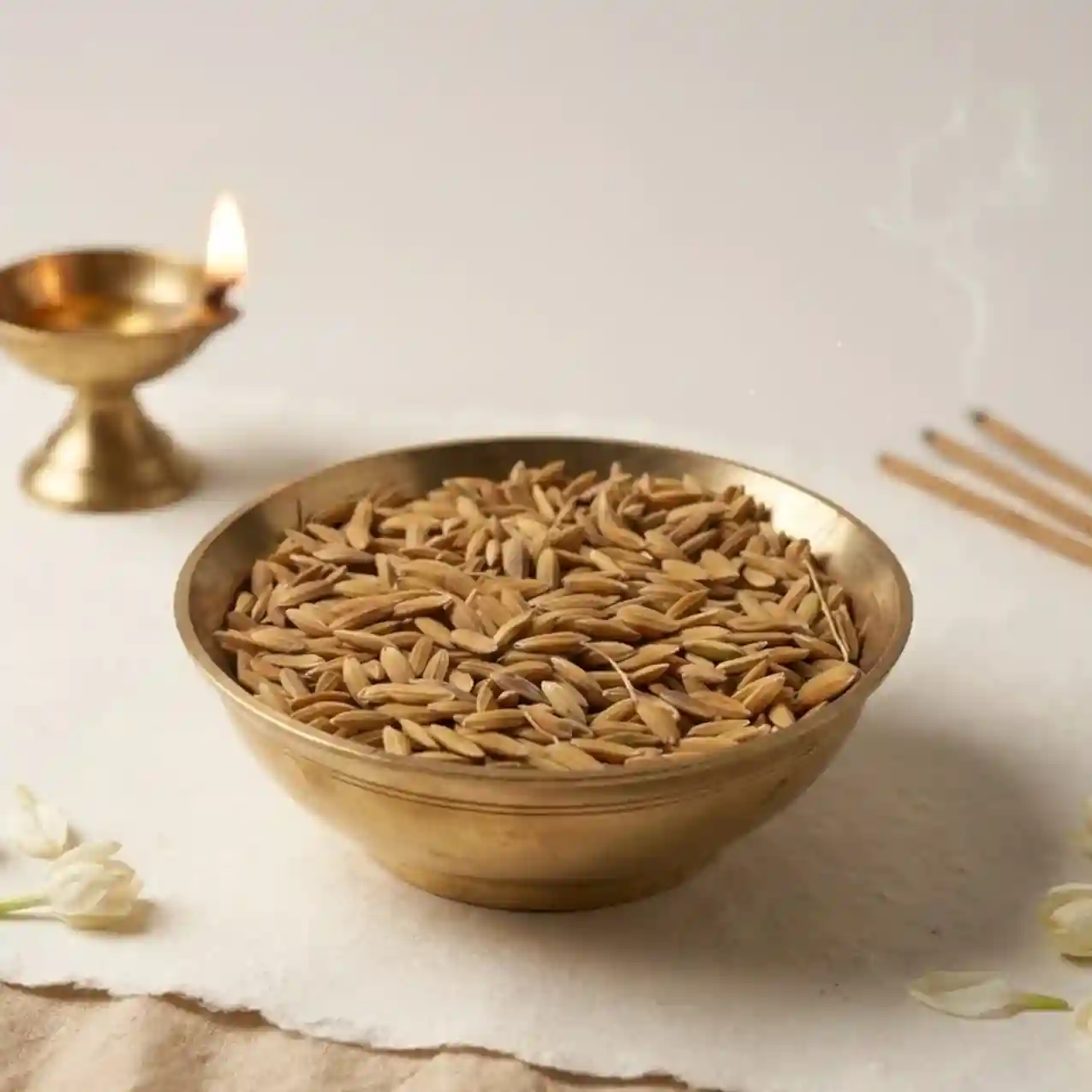
Paddy | Dhan
20 Gram
1
15.00
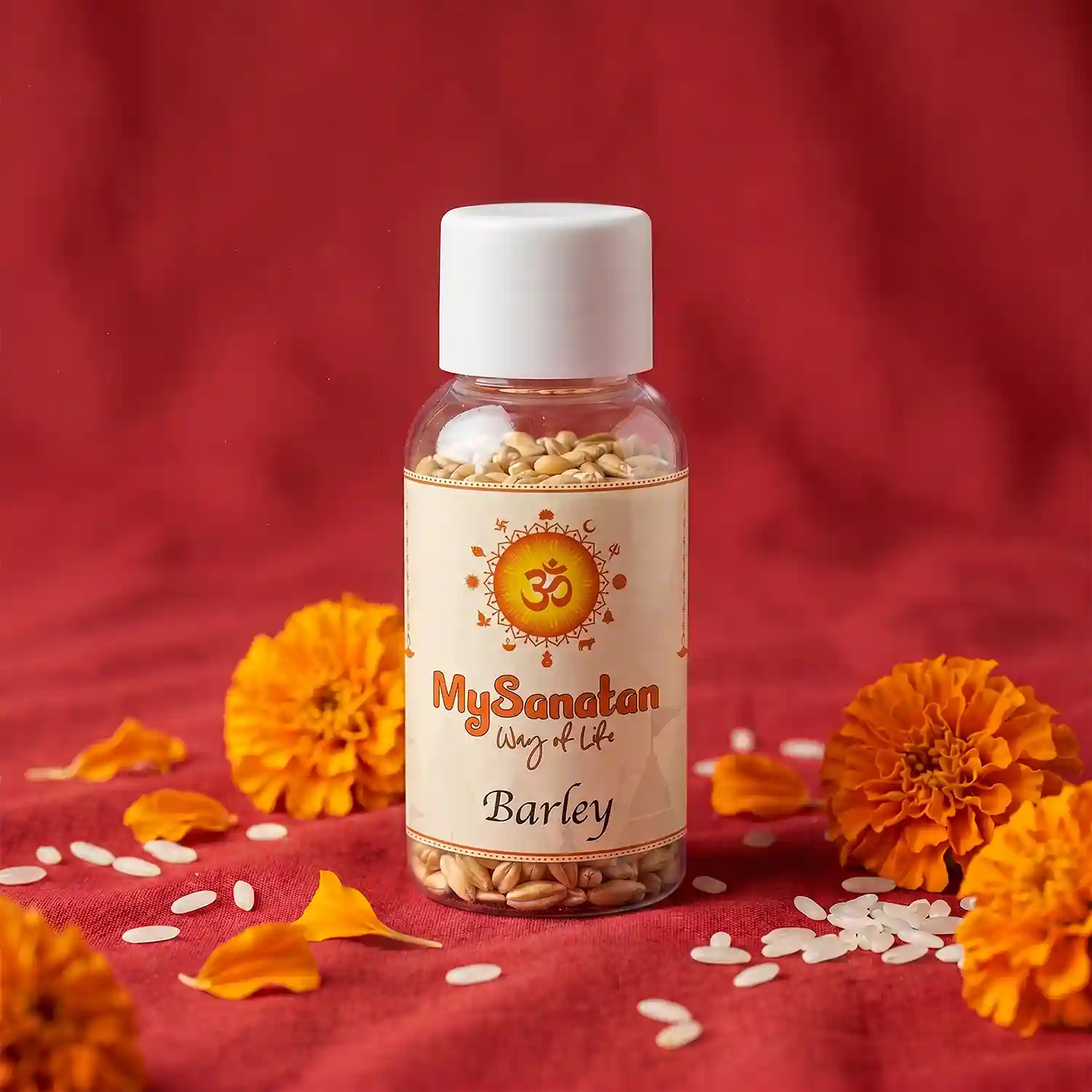
Barley | Jau | Job
10 Gram
1
19.00
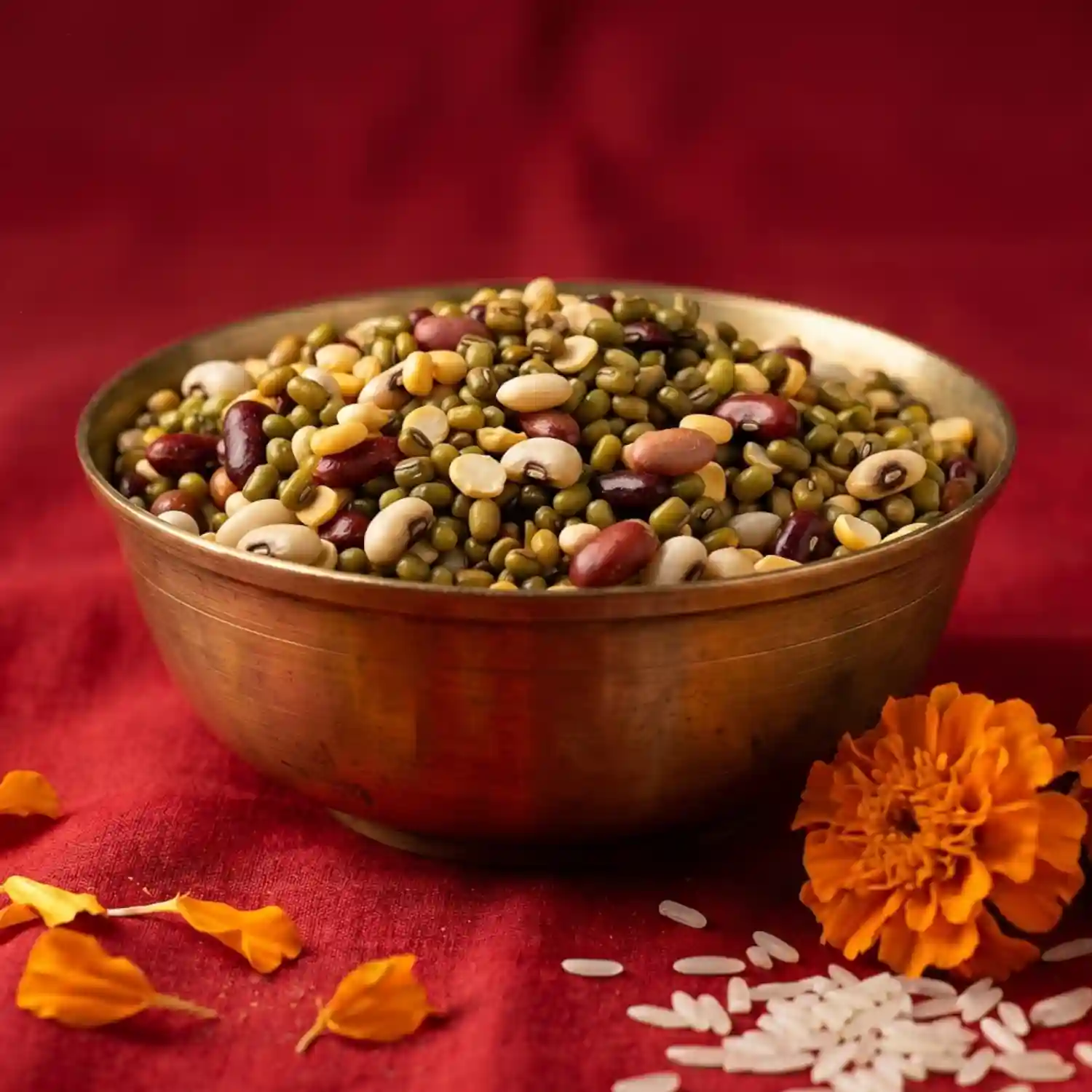
Mas Kalai | Black Gram | Urad Dal Small | Pack
10 Gram
1
39.00
Pancha Karai | Panch Kora | Five Fried Grains
8 Gram
1
15.00
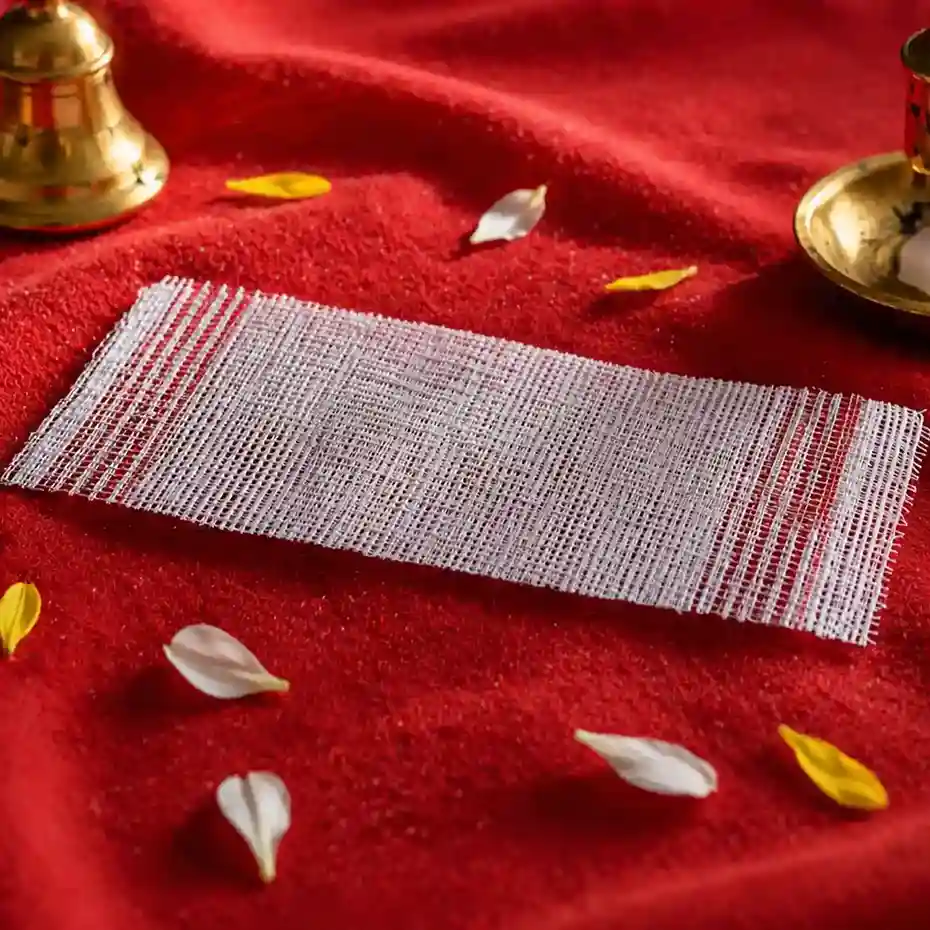
Cotton Gamcha Small
1 Piece
1
99.00
Red Cheli | Lal Cheli
1 Piece
1
25.00
White Cheli | Safed Cheli
1 Piece
1
25.00
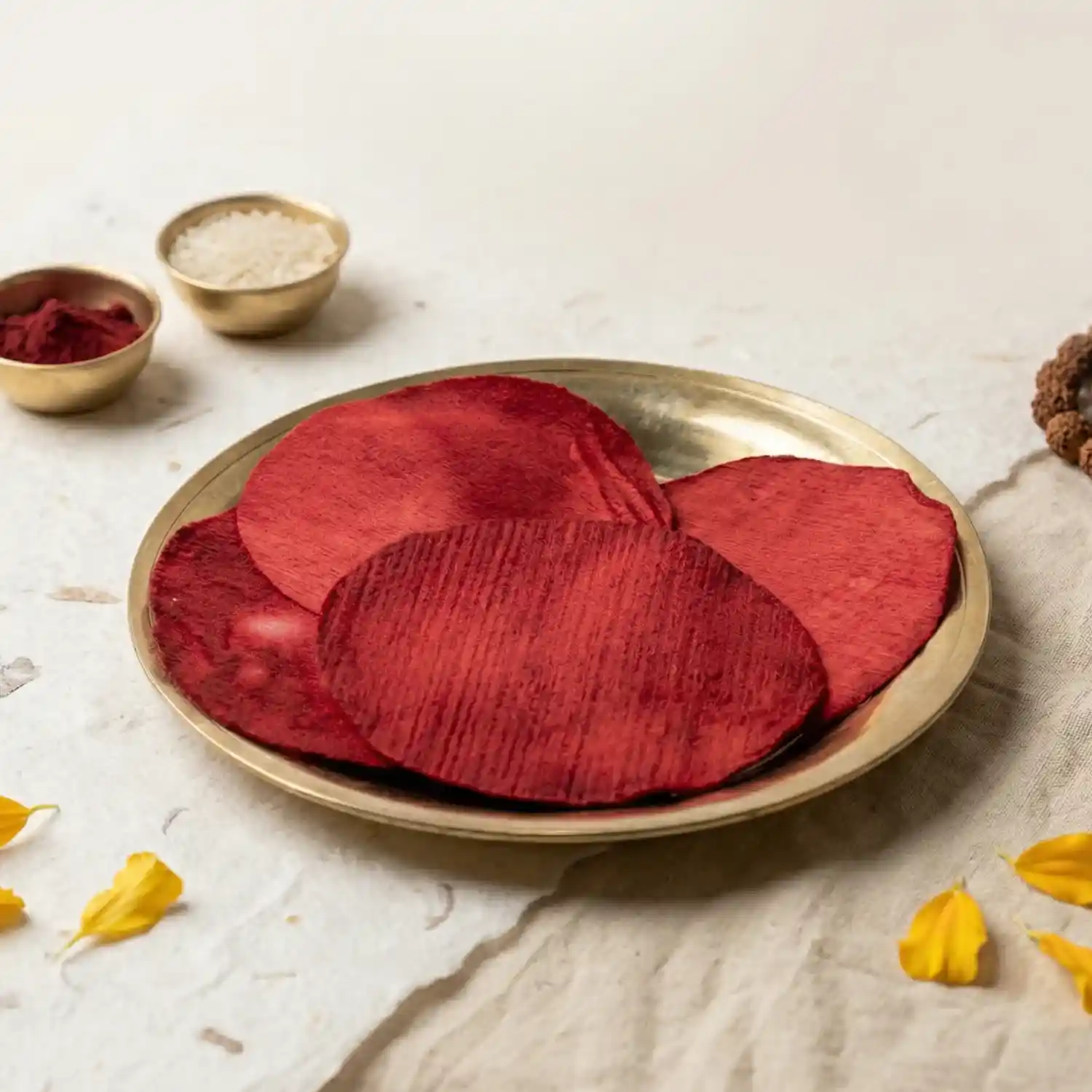
Alta Pata | Dry Mahawar | Arghautta
4 Pieces
1
10.00
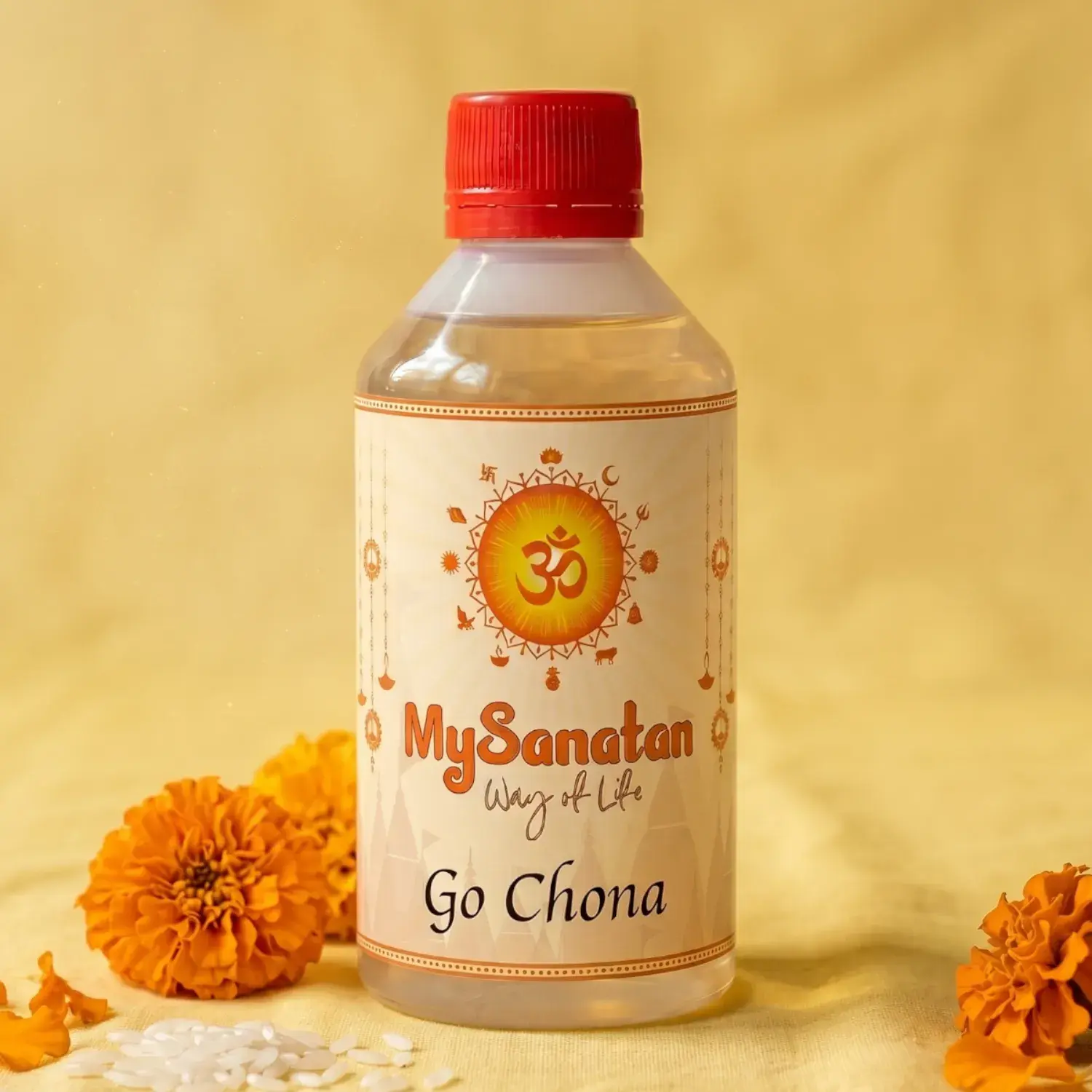
Gau Mutra | Pure Cow Urine | Gochona
100 ML
1
49.00
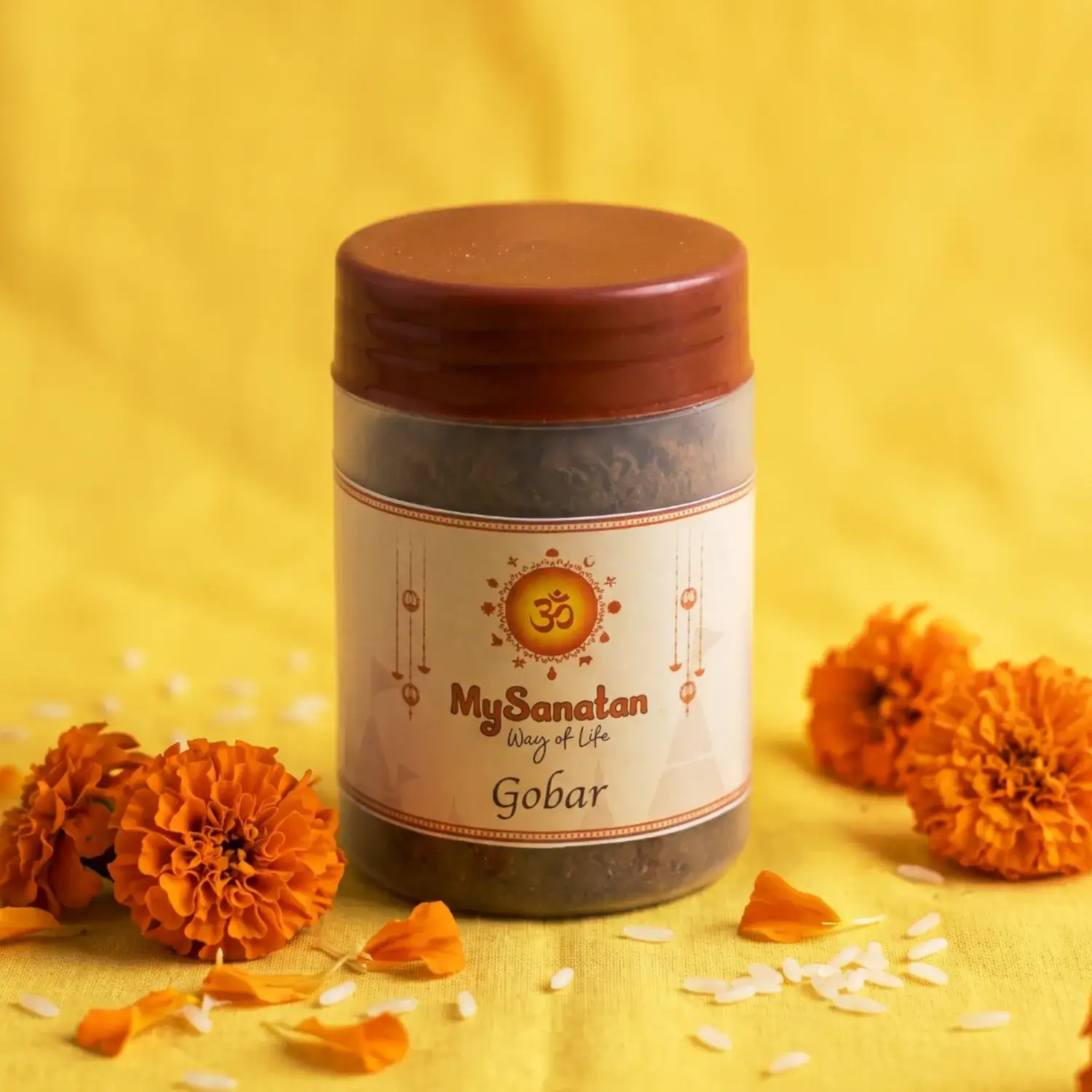
Gobar for Havan and Puja | Desi Cow Dung Cake | Gomay
50 Gram
1
10.00
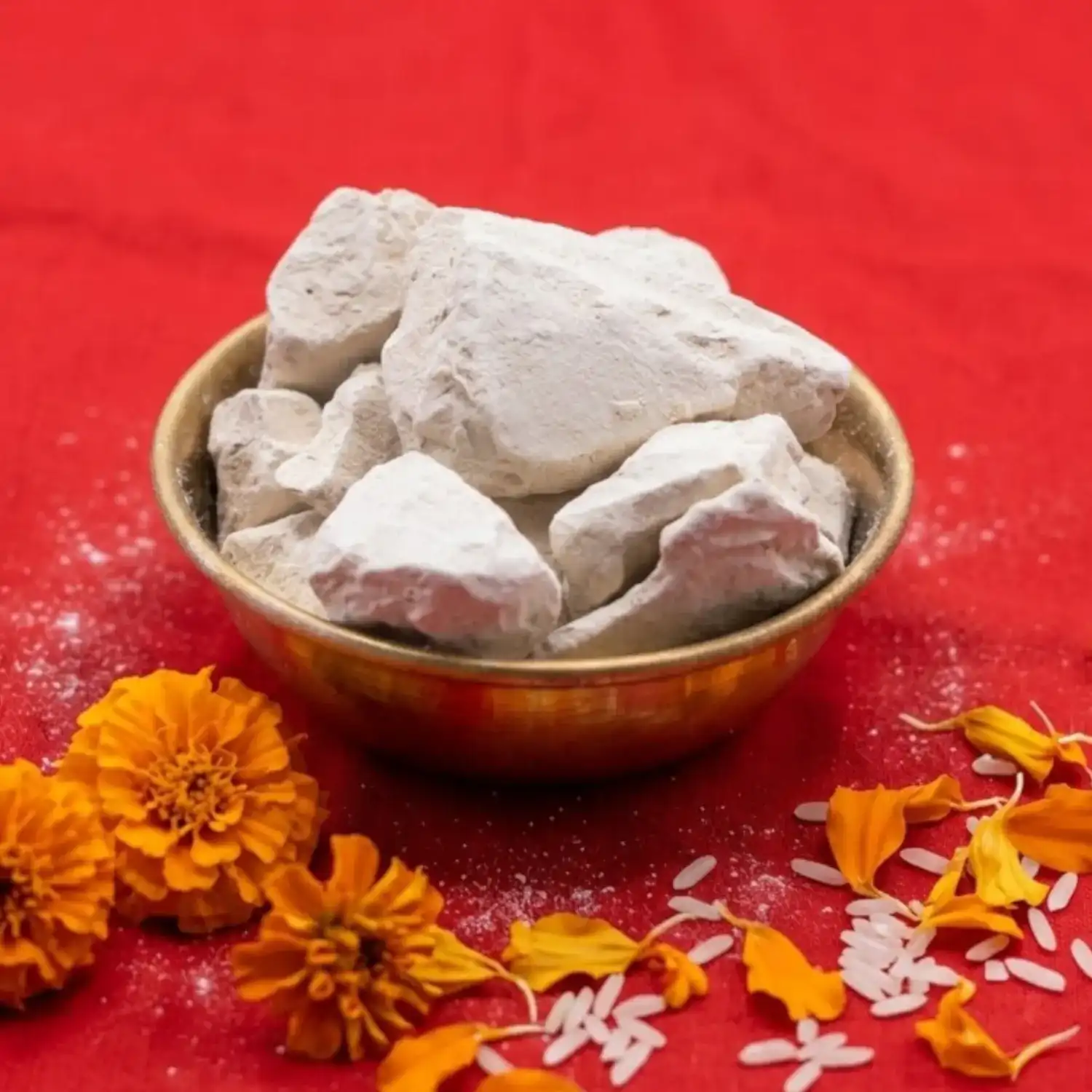
Khari Mati | Natural Khadiya Mitti | White Chalk Clay
100 Gram
1
19.00
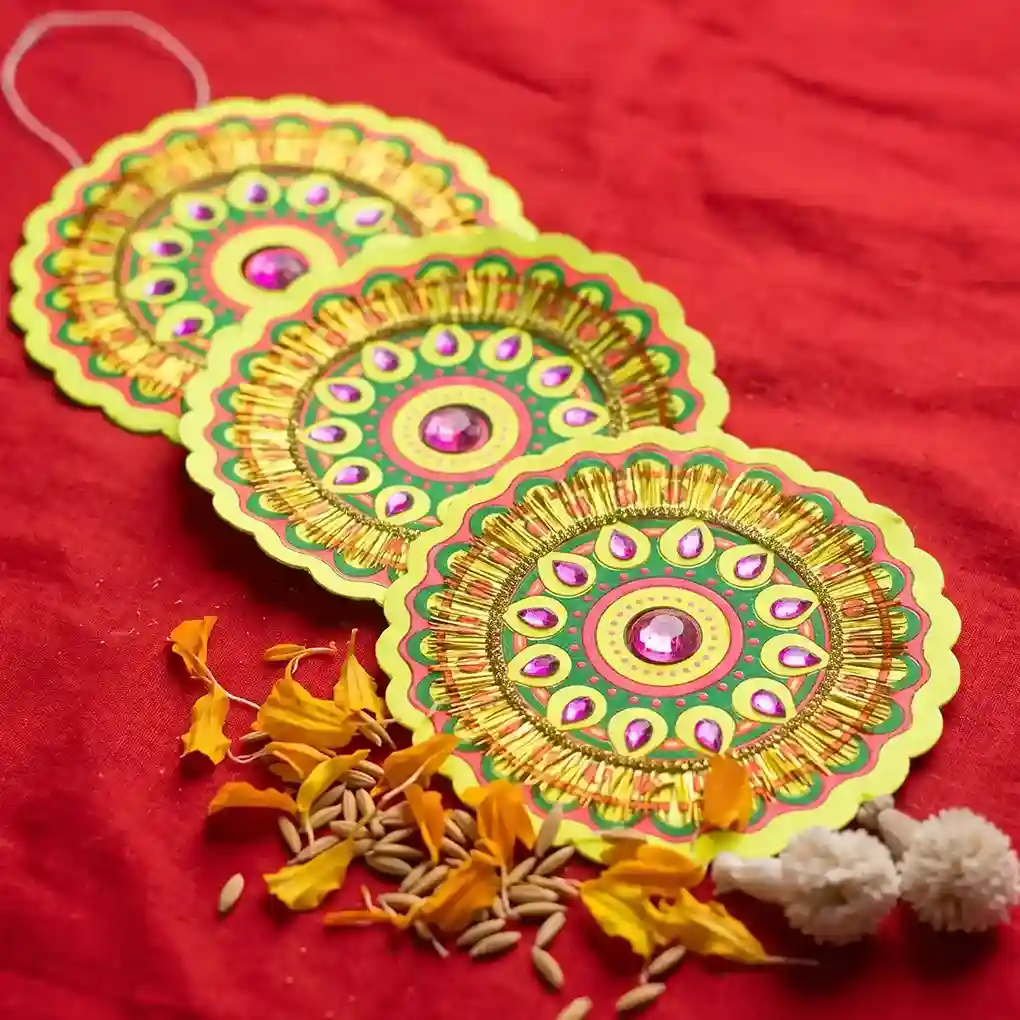
Chandmala | Hanging Deity Adornment | Chandramala Large
1 Piece
1
49.00
Chandmala for Ghat | Ghot-Daab Shringar Chandramala | Large
1 Piece
1
40.00
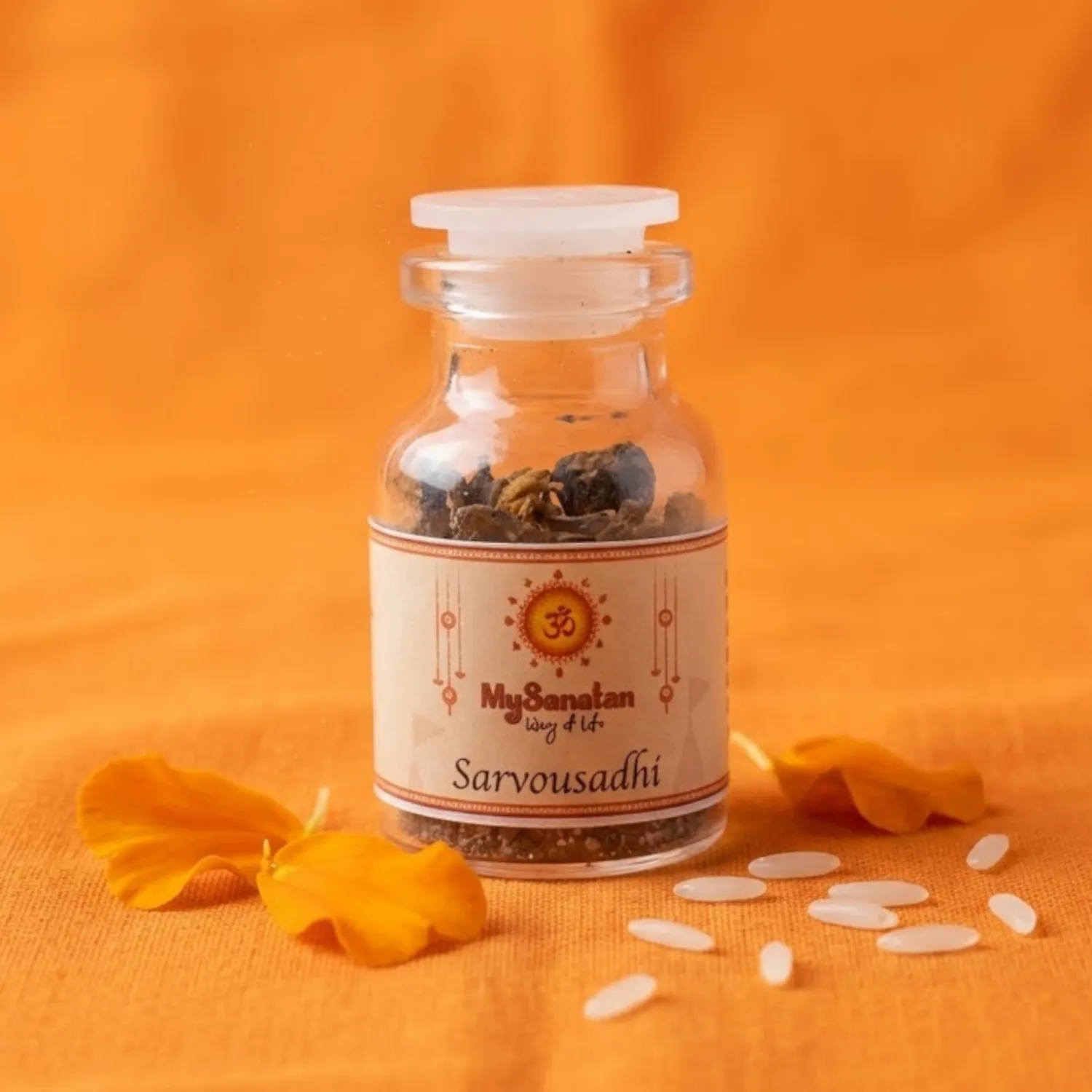
Sarbausadhi Herbs for Puja | Sarba Aushadhi
5 Gram
1
15.00
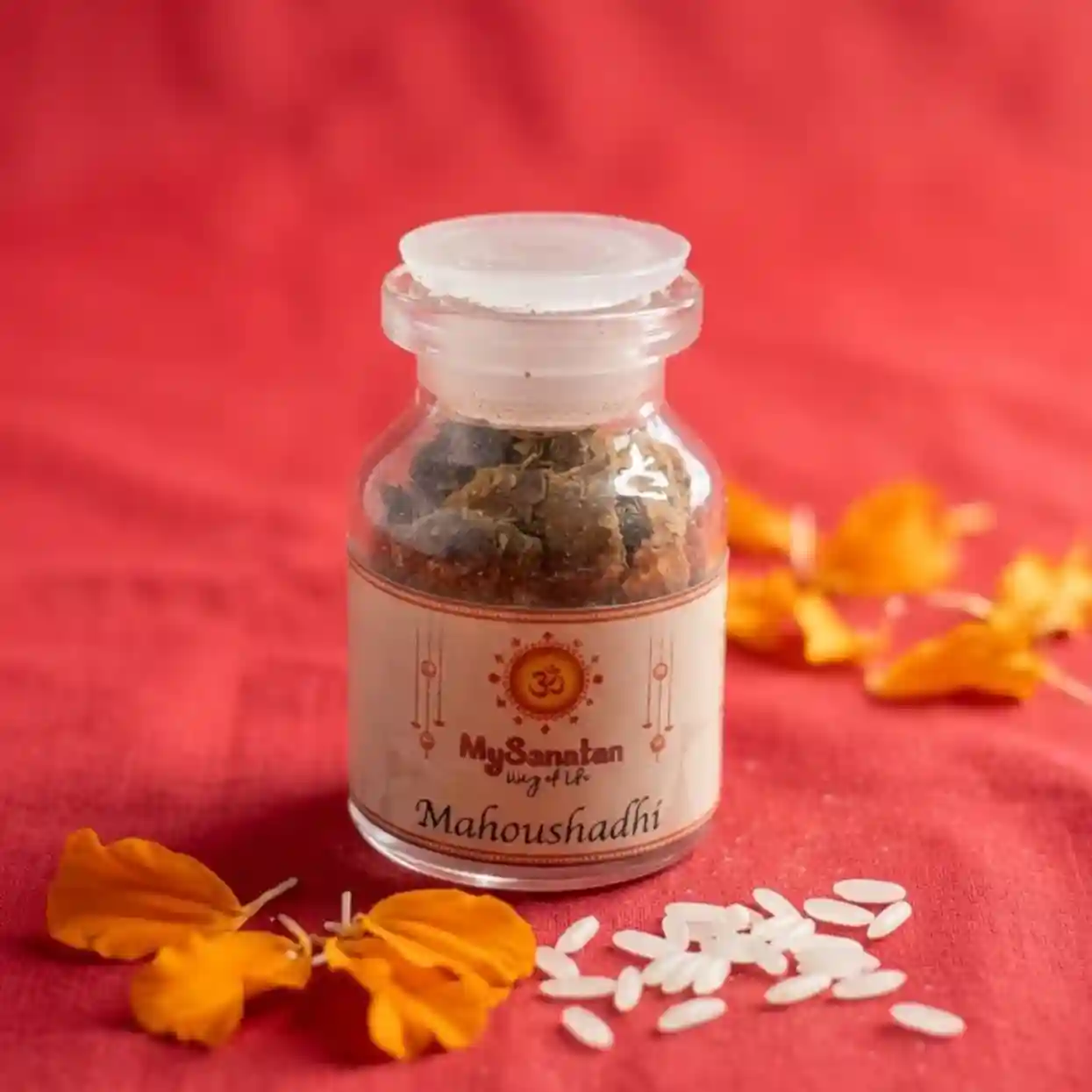
Mahoushadhi Herbs for Puja | Maha Aushadhi
5 Gram
1
10.00
Aabata | Matha Ghosha
5 Gram
1
12.00
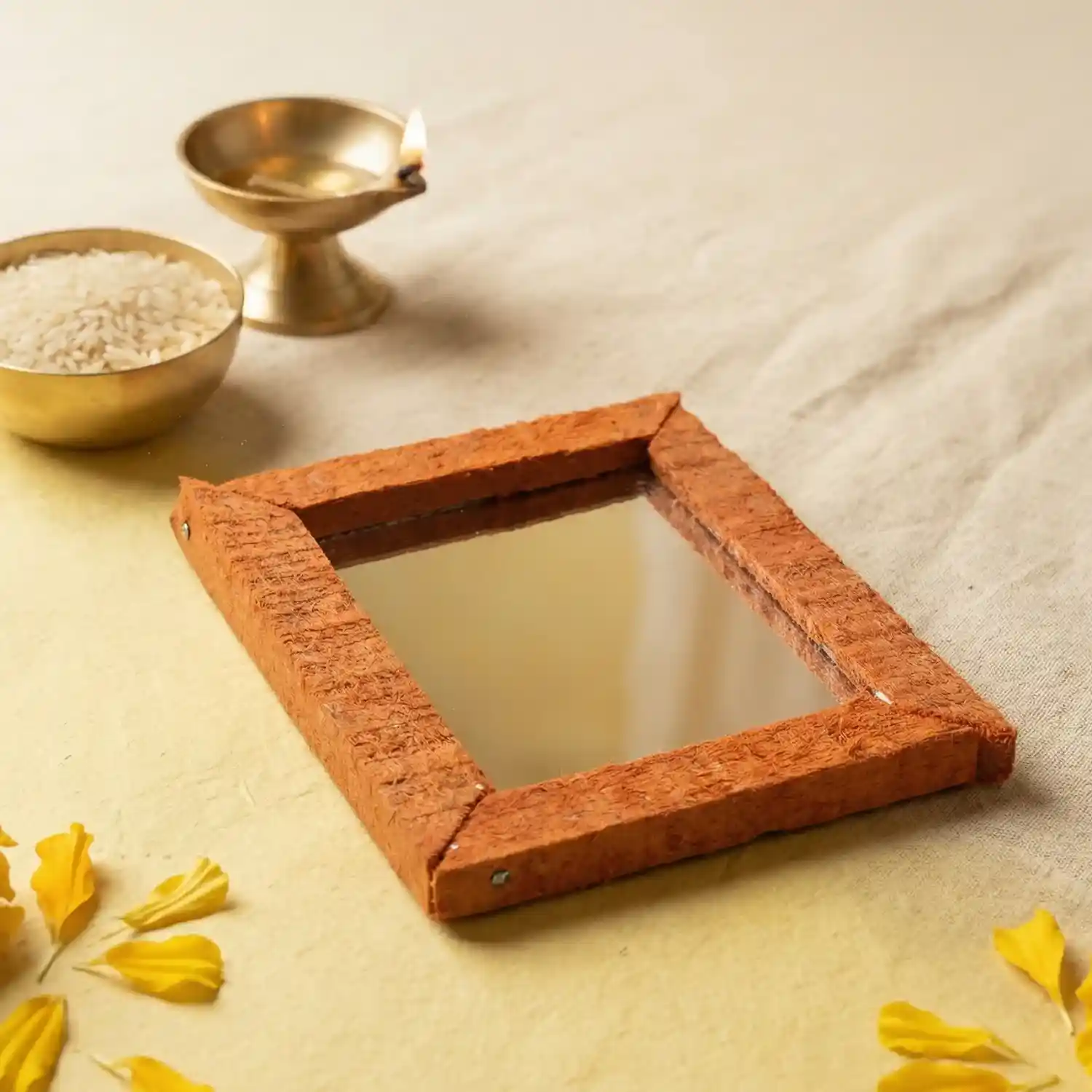
Wooden Frame Darpan | Sacred Ritual Mirror
1 Piece
1
30.00
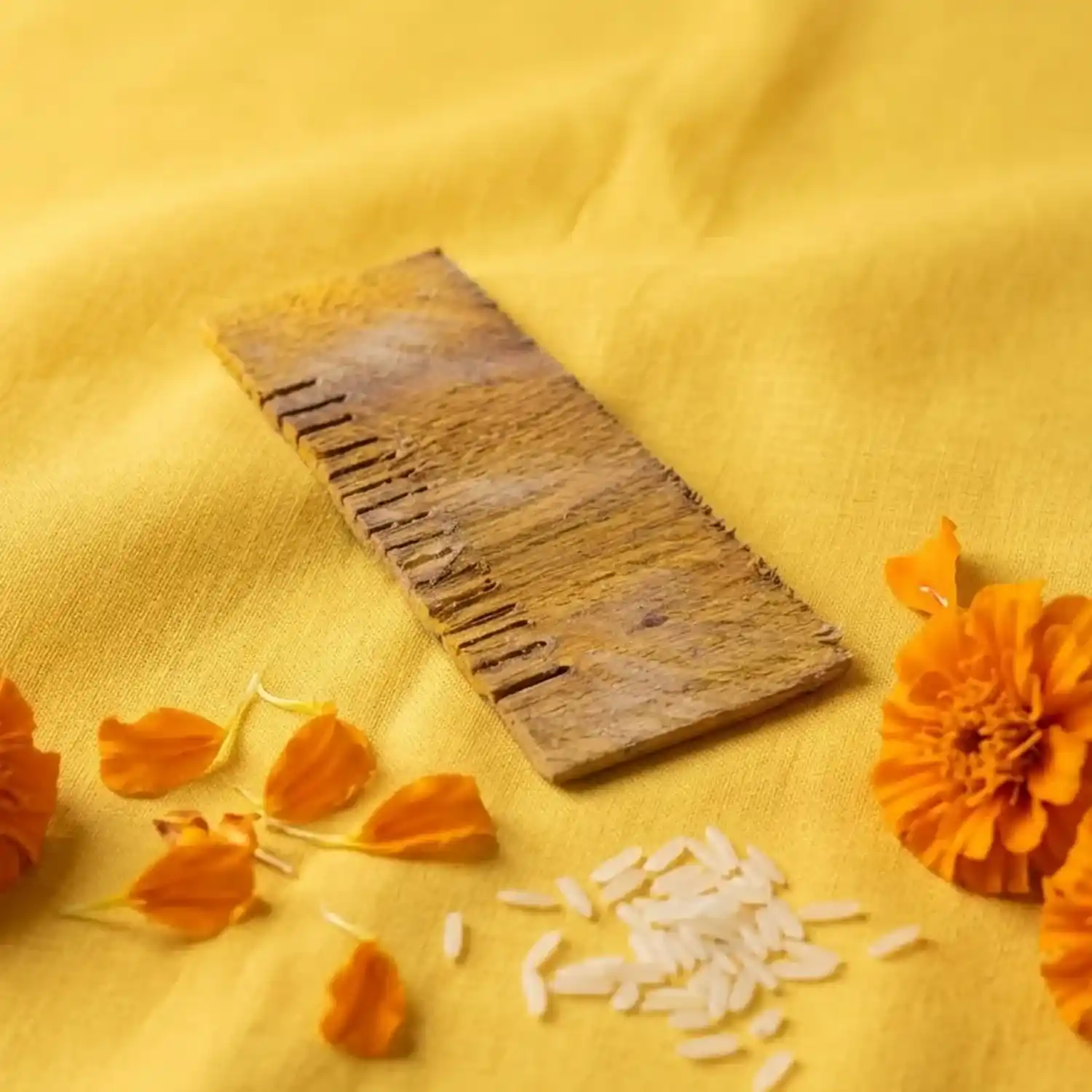
Comb for Puja | Shringar Kanghi
1 Piece
1
15.00
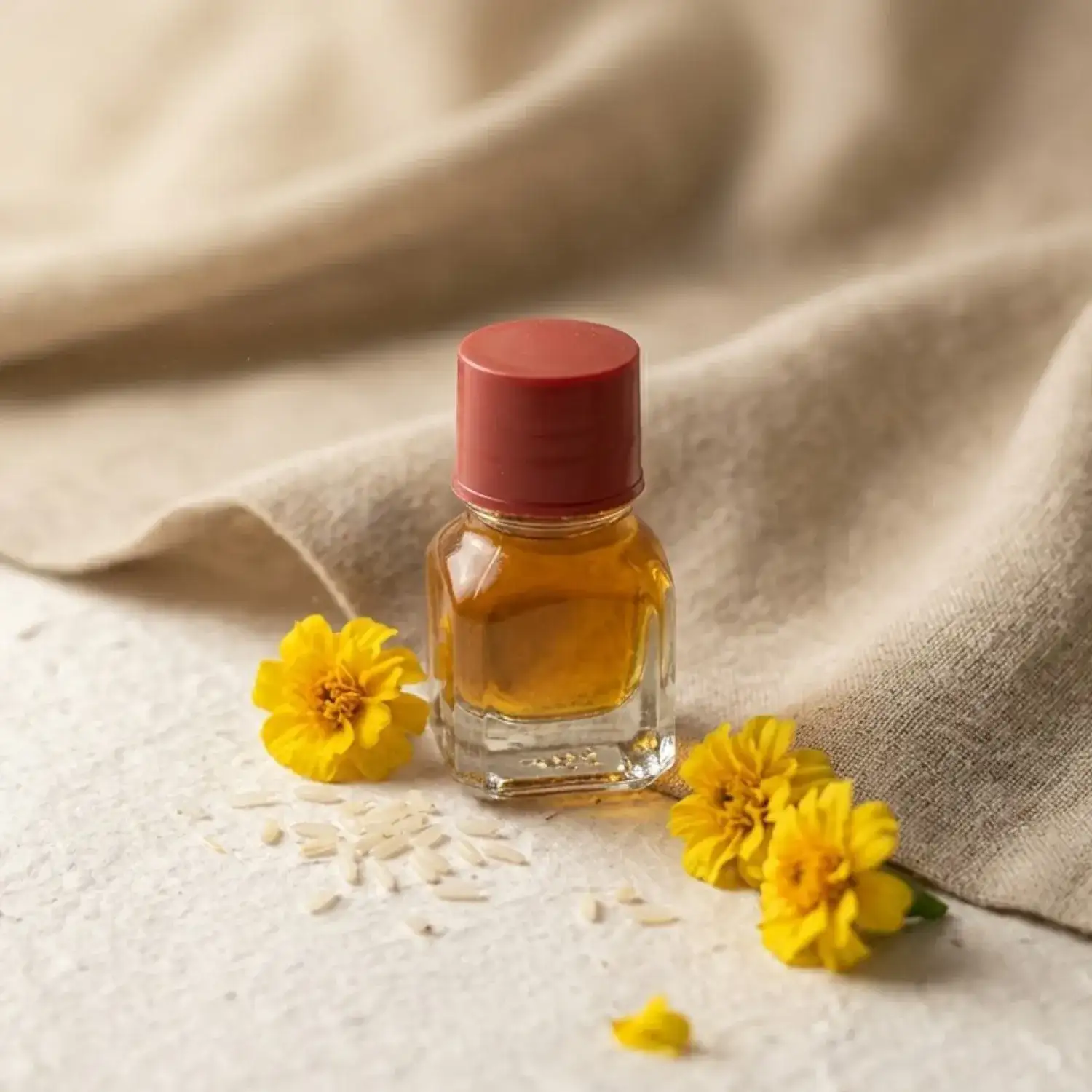
Attar | Puja Itra | Ittar Rose Fragrance
2 ML
1
20.00
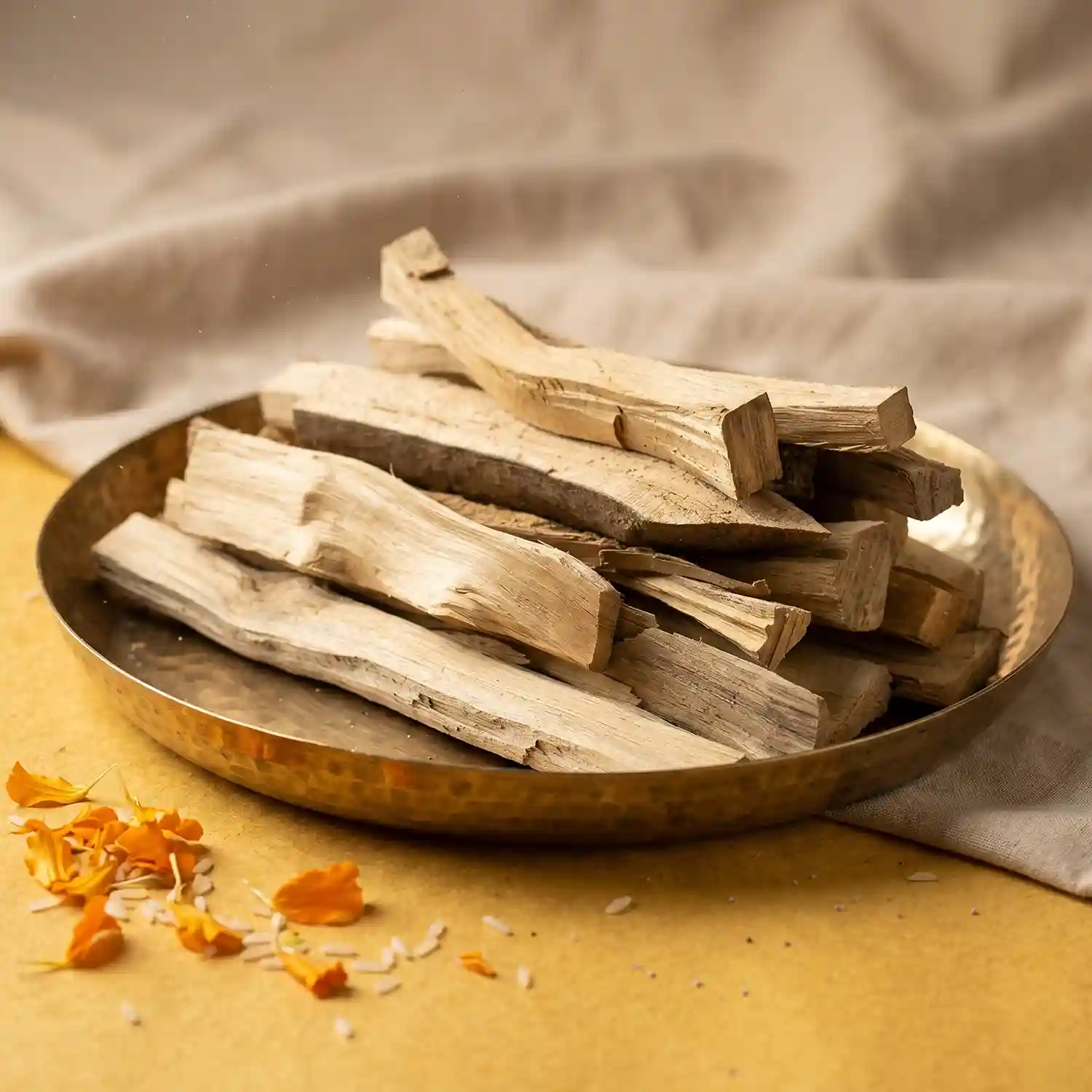
Bel Kath For Hom and Yagga | Bael Wood Medium Pack
1 KG
1
99.00
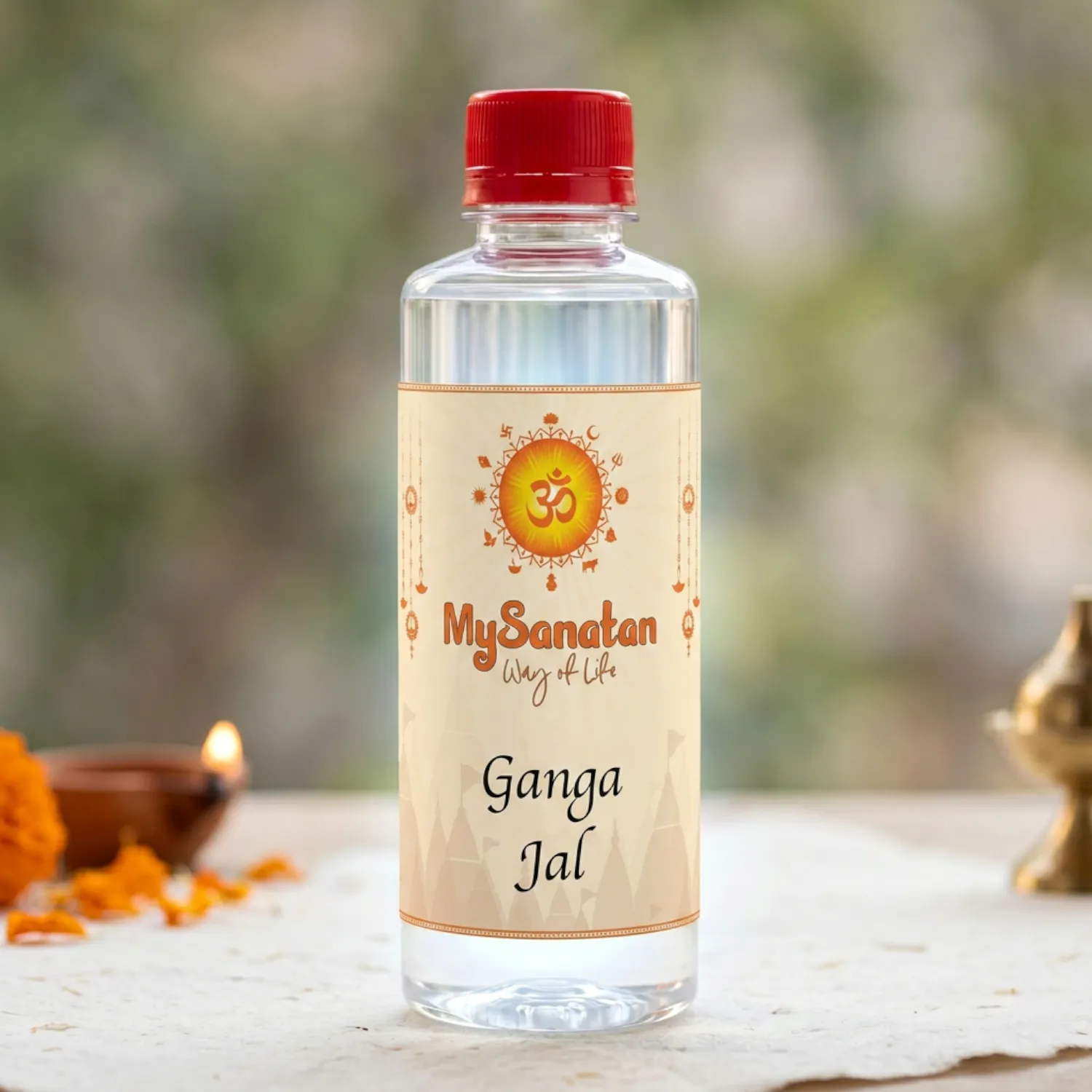
Ganga Jal | 100% Pure & Authentic | Medium Pack
200 ML
1
39.00
Joggo Dumur Pata | Sacred Audumbar or Samit (Small)
2 Bundle
1
20.00
Nickel Noa | Nickel Bangle
1 Piece
1
20.00
Havan Samagri for Sacred Fire Rituals | Small Pack
200 Gram
1
99.00
Kusha Grass | Sacred Darbha Grass for Puja and Purification
1 Bundle
1
10.00
Metal Handle Chawar for Aarti | Puja Chamor | Chavar
1 Piece
1
99.00
White Homa Cheli | Sada Homer Cheli
1 Piece
1
10.00
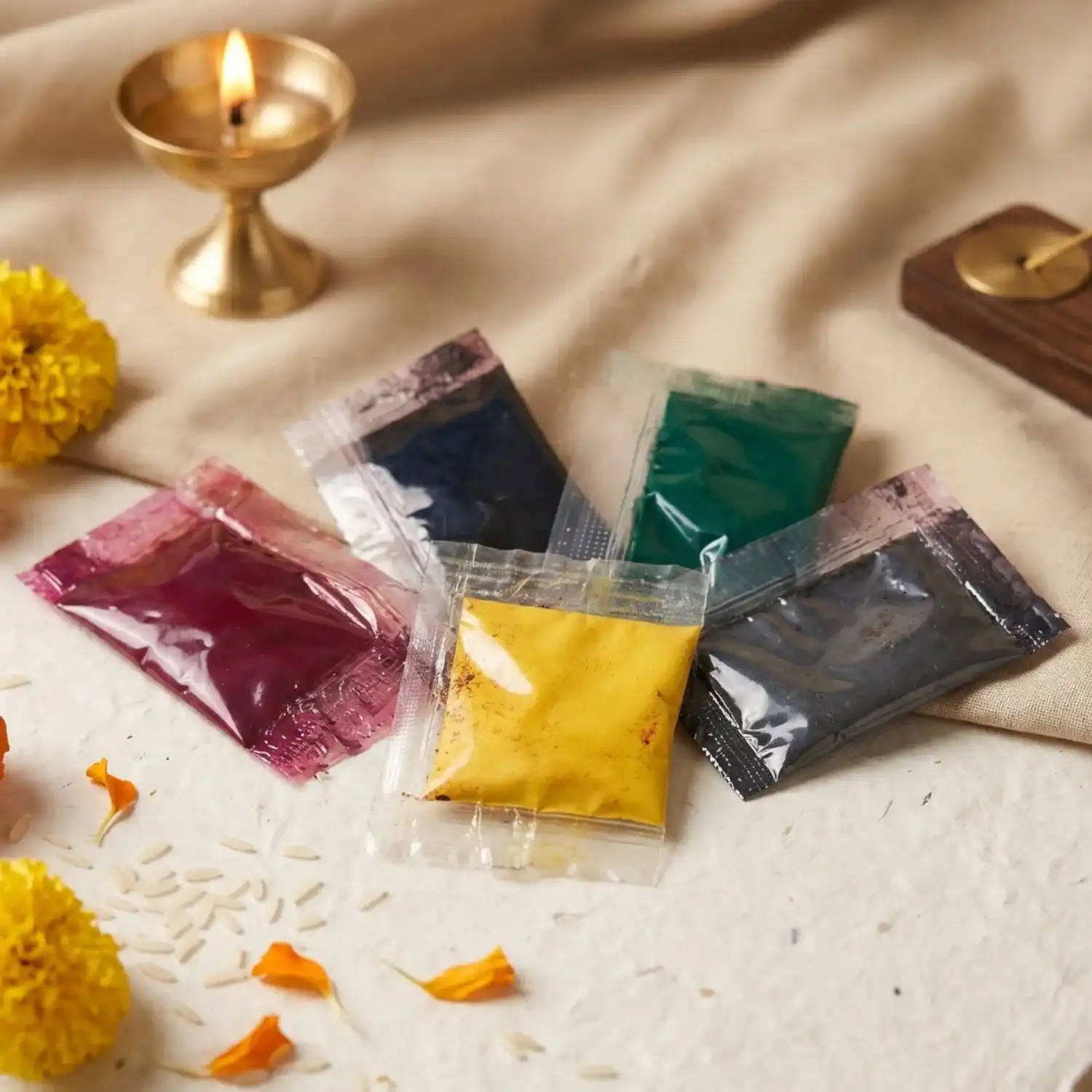
Pancha Rang | Five Colours
1 Pack
1
30.00
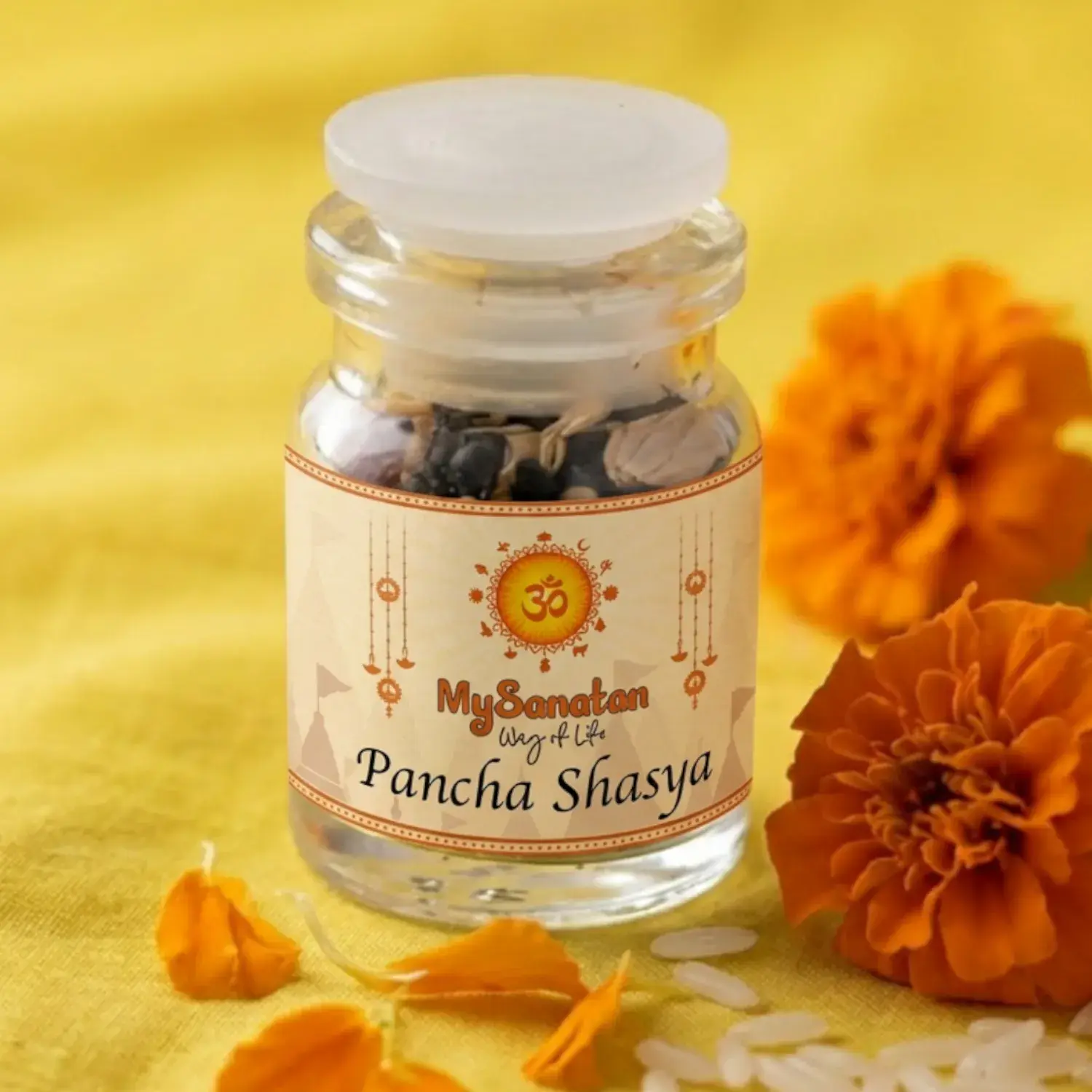
Pancha Sashya | Five Sacred Grains
8 Gram
1
1.00
Akshat Rice | Chawal | Chal
20 Gram
1
25.00
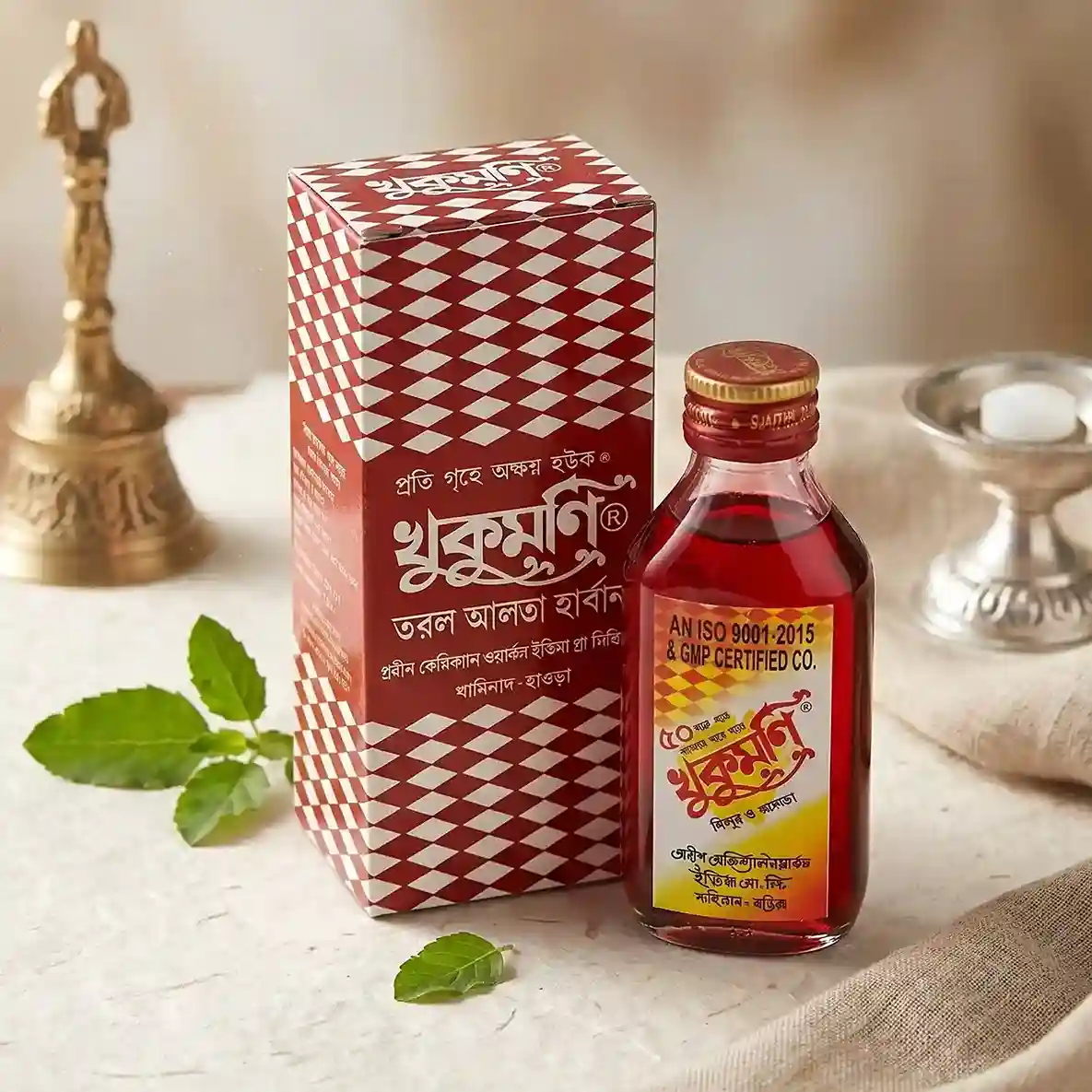
Khukumoni Alta
50 ML
1
60.00
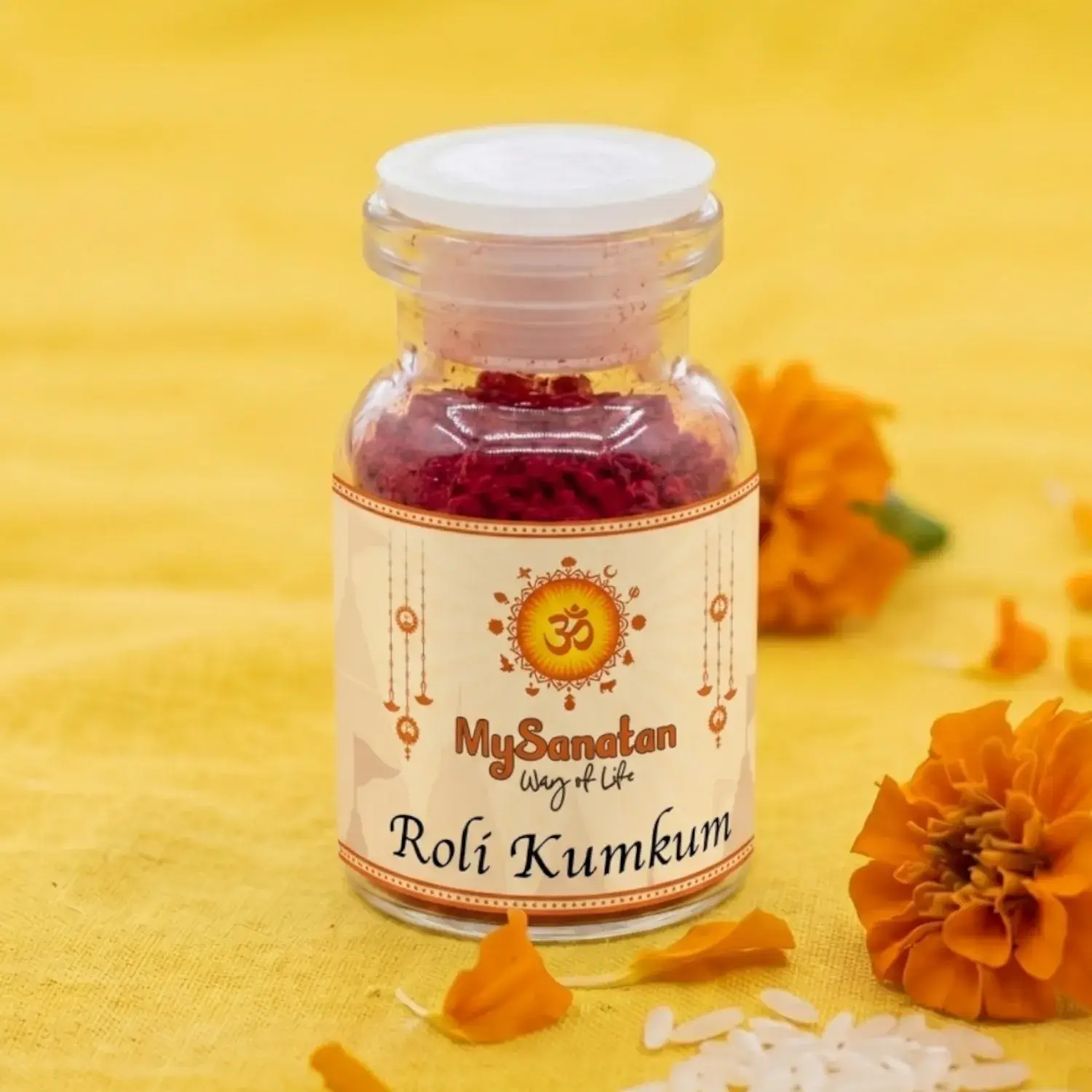
Red Roli Kumkum for Puja and Tilak
5 Gram
1
10.00
Clove | Laung | Lobongo
10 Gram
1
15.00
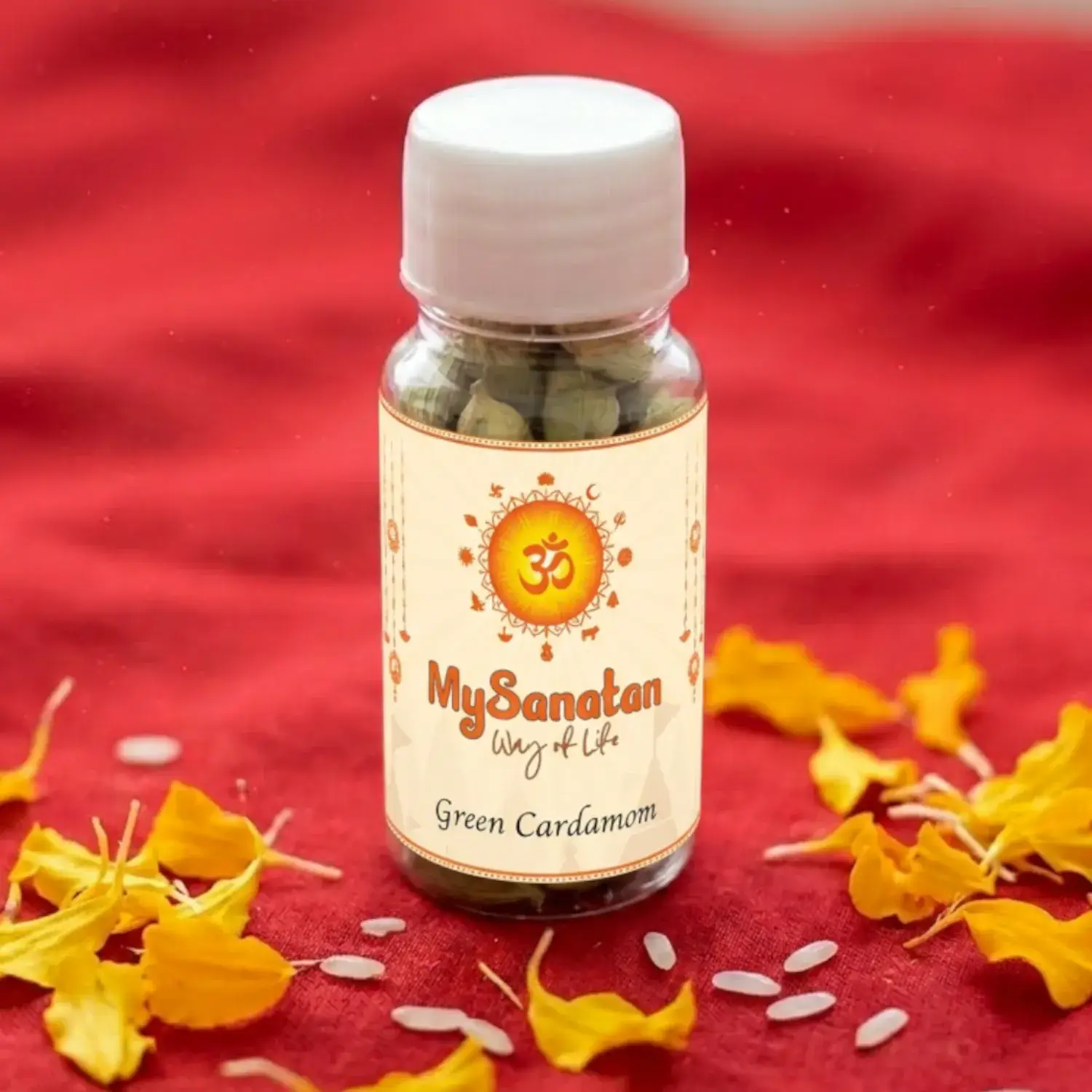
Green Cardamom | Hari Elaichi | Choto Elach
10 Gram
1
99.00


Do you need a custom package or you already have a list?

Frequently Asked Questions
  • Q1: I am new to organizing a community puja. What is the core spiritual purpose of worshipping Goddess Annapurna?
  • Goddess Annapurna is the manifestation of the Divine Mother who sustains the universe with endless nourishment. Worshipping Her is not just about seeking personal wealth; it is a community act to eradicate hunger, ensure agricultural and financial prosperity for the entire neighborhood, and foster a spirit of charity and mutual compassion.
  • Q2: There are two different colors of cloth (Red and White Cheli) in the kit. How are they used differently?
  • The Red Cheli Cloth is a sacred vestment used directly to drape and honor the idol of Goddess Annapurna, symbolizing Shakti and divine energy. The White Cheli Cloth and White Homa Cheli are used for purification rituals, covering the Puja Place, or specifically during the sacred fire (Havan) ceremony.
  • Q3: What are "Chandmala" and where exactly should I hang them in the Pandal?
  • Chandmala are traditional, circular hanging deity adornments. Your kit includes two sizes:
  • Large Chandmala: Hang this directly behind or adjacent to the main deity's idol to frame the Puja Place.
  • Medium Chandmala: This is specifically sized to hang over the Ghat (sacred water vase) setup to mark it as a consecrated zone.
  • Q4: This kit contains a small comb, a mirror, and Alta. What is the significance of these household items?
  • These items belong to the Shringar (divine cosmetics) ritual. During the 16-step royal worship, the Goddess is treated as an honored royal guest. Offering the Wooden Frame Darpan (mirror), Comb, and Alta (red foot dye) is a sweet, devotional act of beautifully adorning the Mother.
  • Q5: How should the Teer Kathi, Tekaata, and Khari Mati be applied together during Step 2 (Ghat Installation)?
  • To seal the community’s protective boundaries scripturally:
  • Use the Khari Mati (white chalk clay) to draw sacred mandalas and the base grid on the floor where the Ghat will sit.
  • Erect the Tekaata (triangle wooden frame) to create the structural and spiritual apex over the vase.
  • Plant the four Teer Kathi (bamboo boundary sticks) around the four corners of the setup, tying them together with Moli thread to lock in the protective spiritual energy of the local area.
  • Q6: How do the Siddhi Leaves and Aabata (Matha Ghosha) integrate into the Shodashopachar (16-step) sequence?
  • During Step 3 (Royal Worship & Adornment), after invoking the deity onto the Puja Place, the highly esoteric Siddhi Leaves (Dry Bhang Pata) and Aabata are offered as premium, rare herbal substances. They are scripturally used to ground the heavy cosmic energy of the Divine Mother into the physical idol, ensuring Her stable, peaceful presence.
  • Q7: Why is the composition of the Tambula in this kit specifically emphasized for the final 16th step?
  • According to classical Vedic protocols, a royal reception must conclude with a breath-freshening offering. The kit provides the precise, scripturally mandated components for a complete Tambula: Supari (Whole Betel Nut), Clove, Green Cardamom, and Haritaki. Offering this exact mix sweetens the Goddess's mouth, formally concluding the Shodashopachar protocol before moving to the fire rituals.